
Sauces & Condiments
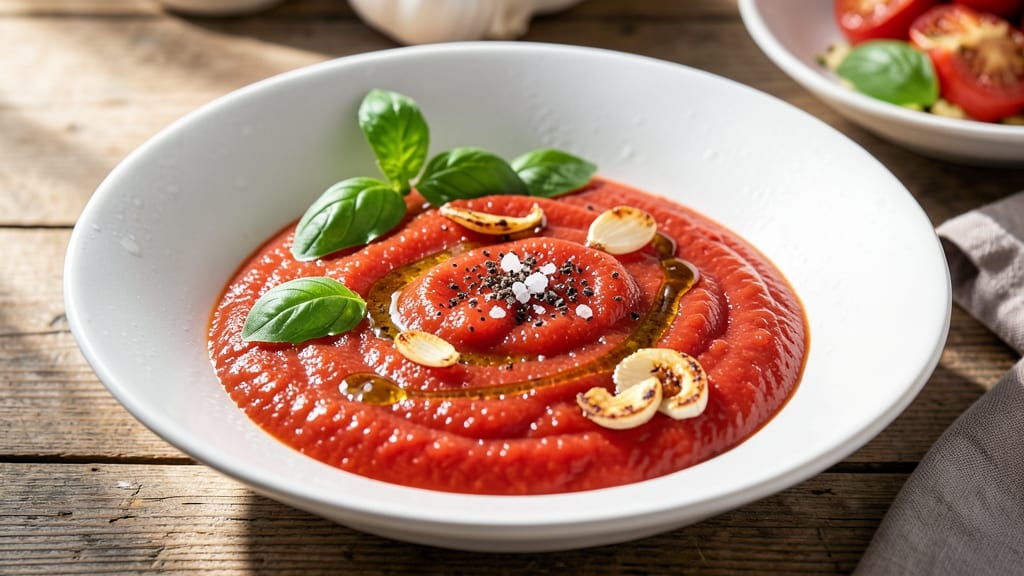
This Mutti tomato sauce recipe transforms simple ingredients into a deeply flavorful, umami-rich sauce that elevates every dish it touches.
Inspired by classic Italian techniques, it starts with San Marzano tomatoes—the gold standard for their sweet, meaty texture—simmered with garlic, olive oil, and a touch of salt to coax out their natural sweetness.
The slow reduction creates a concentrated sauce with just the right balance of acidity and richness, perfect for pasta, pizza, or dipping bread.
What sets this sauce apart is the simmering technique, which develops deep, complex flavors without overpowering the tomatoes' natural taste. I've tested this recipe countless times, and the key is patience—letting the sauce reduce gradually on low heat builds layers of flavor that no shortcut can match.
The result is a smooth, velvety sauce with just enough body to cling to noodles or crusts, but still light enough to let the dish shine.
The beauty of this sauce lies in its versatility—it works as a quick weeknight dinner base, a rich pizza topping, or even a bold dip for grilled meats. The secret?
A blend of fresh basil and black pepper added at the end, which brightens the sauce without overpowering its natural depth. Once you taste the difference between this homemade version and store-bought, you'll never go back.
Best of all, it keeps beautifully in the fridge for up to a week, so you can make a big batch and use it all week.
Whether you're a seasoned home cook or just starting out, this sauce delivers restaurant-quality flavor with minimal effort. Let's get started—your taste buds will thank you.
Ingredients for mutti tomato sauce
San Marzano tomatoes, olive oil, and garlic—just three ingredients that build restaurant-quality sauce.
| Ingredient | Amount | Notes |
|---|---|---|
| San Marzano Tomatoes 🍅 | 28 oz | Canned, whole or crushed |
| Extra-Virgin Olive Oil 🫒 | ½ cup | High quality, fruity |
| Garlic Cloves 🧄 | 4 cloves | Fresh, peeled, minced |
| Sea Salt 🧂 | 1 tsp | Diamond Crystal preferred |
| Fresh Basil Leaves 🌿 | ¼ cup | Packed, chopped |
| Ground Black Pepper 🌶️ | ¼ tsp | Freshly ground preferred |
| Red Wine Vinegar 🍷 | 1 tbsp | For brightness |
| Sugar 🍚 | 1 tsp | Balances acidity |
San Marzano tomatoes are the secret weapon here. Look for the DOP label at Italian markets or specialty grocery stores like Whole Foods—they're sweeter and meatier than regular canned tomatoes. The 28 oz can is perfect for a big batch, and you'll use about half for this sauce. If you can't find San Marzano, whole peeled tomatoes work too, but they won't have the same depth of flavor. The olive oil should be extra-virgin—California or Italian varieties add fruity notes that regular olive oil misses. Garlic? Fresh is non-negotiable—those minced jars have zero flavor.
No red wine vinegar? Balsamic vinegar at half the amount works in a pinch, but it'll taste different. Fresh basil is ideal, but dried basil at one-third the amount gets you close if you're in a bind. The sugar might seem odd, but it rounds out the acidity—brown sugar works too. Want more umami? Add 1 tsp tomato paste to the pot. For a smokier flavor, swap half the olive oil for smoked paprika mixed with a little water. And if you're short on time, pre-minced garlic from the jar works, but fresh is always better.
This sauce gets richer as it sits—best after 24 hours in the fridge. Store it in a sealed jar with a thin layer of olive oil on top to preserve freshness. Keeps for up to 1 week in the fridge or 3 months frozen. I like to make a double batch and freeze half—perfect for lazy weeknights. When reheating, do it gently on low heat to avoid breaking down the texture. The basil and pepper should go in at the very end—they lose flavor when cooked too long. Use within a few days of making for peak freshness.
Why You'll Love This Recipe
- No-Chop Necessary: I swear by this—just crush a few garlic cloves, toss them in olive oil, and let the San Marzanos do the work. The sauce practically simmers itself while you stir, and honestly? That’s my kind of cooking.
- Garlic-Basil Magic: That first whiff of garlic softening in olive oil, then the bright punch of fresh basil at the end? It’s the kind of flavor that makes you pause mid-spoonful. The San Marzanos add sweetness without sugar—just pure, rich tomato goodness.
- Pasta Party Starter: Slap this on spaghetti for a weeknight, dollop it over grilled chicken for Sunday dinner, or even use it as a bruschetta base. Between us, I’ve served it at potlucks, date nights, and lazy Saturdays—it’s the one sauce that never lets me down.
- Leftovers That Lie: I make a big batch because the flavor only gets better after a day or two in the fridge. Freeze it in portions for when I’m too tired to cook, then reheat it gently—no one will guess it’s not fresh. (Yes, even on a Tuesday night.)
Step-by-step instructions for simmered umami tomato sauce
Here's how to create a deeply flavorful Mutti-inspired sauce that builds richness through slow simmering.
Bloom the Garlic in Olive Oil
Heat the 0.5 cup extra-virgin olive oil in a heavy-bottomed saucepan over medium-low heat. Add the 4 minced garlic cloves and cook gently for 2-3 minutes until they're fragrant but not browned—just golden around the edges. Watch carefully; garlic burns quickly and turns bitter.
This step develops the aromatic foundation. The low heat prevents the garlic from cooking into bitterness, which would overpower the delicate tomato flavor. If you smell a strong, sharp aroma, remove the pan from heat immediately and let it cool slightly before proceeding.
Add Tomatoes and Initial Seasonings
Pour in the 28 oz San Marzano tomatoes (whole or crushed) and add the 1 tsp sugar and 1 tbsp red wine vinegar. Stir well to combine, then sprinkle with the 1 tsp sea salt and 0.25 tsp ground black pepper. Bring the mixture to a gentle simmer over medium heat.
The sugar helps balance the acidity of the tomatoes and vinegar, while the vinegar brightens the sauce. The salt and pepper season the tomatoes before they break down. Let the sauce simmer uncovered for 15-20 minutes, stirring occasionally, until the tomatoes begin to break down and the sauce thickens slightly.
Simmer Until Deeply Flavorful
Reduce the heat to low and continue simmering for another 30-40 minutes, stirring occasionally. The sauce should reduce by about one-third, becoming thick and glossy. You're looking for a sauce that coats the back of a spoon and has a rich, concentrated tomato flavor.
Here's the thing—this long simmering time is where the magic happens. The acidity mellows, the flavors meld, and the sauce develops a deep umami richness. If the sauce starts to stick, add a splash of water or pasta water to loosen it. Taste occasionally to adjust seasoning—you may need a pinch more salt as the sauce reduces.
Finish with Fresh Basil
Remove the sauce from heat and stir in the 0.25 cup chopped fresh basil leaves. Let it steep for 5 minutes to infuse the flavor, then taste and adjust seasoning if needed. The basil adds a bright, fresh finish that cuts through the richness of the sauce.
This sauce is best used immediately, but it will keep in the refrigerator for up to 5 days or can be frozen for 3 months. The flavors actually improve over time as they continue to meld. Serve it over pasta, with crusty bread, or as a base for other dishes like lasagna or pizza.
Pro Tips For Making Mutti Tomato Sauce
- CRUSH GARLIC LOW AND SLOW: Ditch the sizzle—cook minced garlic in olive oil on lowest heat until it’s just fragrant, not golden. I learned this the hard way after burning three batches; San Marzano tomatoes deserve gentle treatment, and garlic’s flavor peaks when it’s sweet, not bitter.
- SALT THE TOMATOES FIRST: Toss halved tomatoes with a generous pinch of salt (about ½ tsp per cup) and let them sit 10 minutes before cooking. This draws out moisture, concentrates their sweetness, and cuts down on simmering time—no one wants watery sauce.
- STIR LESS, SIMMER MORE: Let the sauce bubble unattended for 15-20 minutes after adding tomatoes—just a few stirs to prevent skin bits. I used to obsess over stirring, but this is where the natural sweetness develops; trust the process.
- FINISH WITH COLD BASIL: Tear basil leaves (don’t chop) and add them off the heat with a splash of cold water. The leaves soften instantly, and the contrast of cold basil against warm sauce makes a real difference—no wilting, no bitterness.
Common mistakes when making perfect results
Over-Simmering Ruins Texture
I’ve seen this happen more times than I can count—someone walks away from their sauce for too long, and suddenly it’s a thick, gloopy mess instead of a silky, glossy sauce.
The key is patience: once your 28 oz San Marzano tomatoes start breaking down, keep an eye on the pot. If the sauce reduces too much and becomes pasty, you’ve lost that perfect balance of acidity and body. 🔥
To fix it, stir in 1-2 tablespoons of water or pasta water and return to a gentle simmer for another 5 minutes. This restores the right consistency without diluting the flavor. Trust me, I’ve salvaged many a ruined sauce this way—it’s like a second chance for your tomatoes.
Skipping the Sugar
That little 1 tsp sugar isn’t just for sweetness—it’s a game-changer for balancing the acidity in the tomatoes and vinegar. Without it, your sauce can taste sharp or even slightly bitter, especially if you’re using a particularly tart batch of San Marzano.
I’ve made this mistake (okay, twice), and the difference is night and day.
If you forget to add it upfront, don’t panic. Stir in the sugar during the 30-40 minute simmering phase and let it dissolve completely. Taste as you go—you might need a pinch more to round out the flavors.
Burning the Garlic
Garlic is the aromatic backbone of this sauce, but it’s also the fastest ingredient to turn bitter if you’re not careful. Cooking those 4 minced garlic cloves on anything higher than medium-low heat will send your sauce down a bitter, pungent rabbit hole.
I learned this the hard way when my first batch turned into a garlic-forward disaster.
If your garlic starts to brown too quickly, immediately remove the pan from heat and let it cool for a minute. The garlic should be fragrant but still pale golden—never deep brown.
For extra insurance, use a heavy-bottomed saucepan (like a stainless steel or enameled cast iron) to distribute heat evenly.
Adding Basil Too Early
Fresh basil is what elevates this sauce from good to chef’s kiss, but timing is everything. Adding it too early means you’ll end up with wilted, bitter leaves that do more harm than good.
The basil needs to infuse flavor at the very end, so save those 0.25 cup chopped leaves until the sauce is off the heat.
If you’ve already added the basil and it’s looking sad, don’t stress. Strain it out and add fresh leaves after reheating. Or, if you’re feeling adventurous, blend in a few leaves during the final simmer for a subtler flavor—just don’t overdo it.
Ignoring the Vinegar
The 1 tbsp red wine vinegar might seem like an afterthought, but it’s what brightens the sauce and cuts through the richness. Without it, your sauce can taste flat or one-dimensional. I’ve made this sauce both ways, and the difference is like night and day.
If you forget to add it, don’t worry—just stir in the vinegar during the 15-20 minute simmer. For a deeper flavor, let it simmer for an extra 5 minutes to mellow the sharpness. Pro tip: If you’re using balsamic vinegar, reduce it to ½ tbsp—it’s stronger and sweeter.
Using Low-Quality Tomatoes
This isn’t just a recipe—it’s a celebration of San Marzano tomatoes. Regular canned tomatoes or even store-brand Italian tomatoes won’t give you the same sweet, meaty texture and deep flavor. I’ve tried shortcuts, and while they work in a pinch, nothing beats the real deal.
If you’re stuck without San Marzano, opt for whole peeled tomatoes (like Muir Glen) and simmer them longer to concentrate the flavor. Avoid tomato sauce or paste—they’re already reduced and lack the freshness this sauce needs. Your taste buds (and your pasta) will thank you.
Nutrition facts
Frequently asked questions
Can I make this sauce without San Marzano tomatoes?
While San Marzano tomatoes create the best flavor, you can use whole peeled tomatoes (like Muir Glen) as a substitute. Simmer them 10-15 minutes longer to concentrate the flavor, but expect slightly less sweetness and depth. For a richer taste, add 1 tsp tomato paste to the olive oil at the start.
How do I adjust the thickness for different uses?
For pasta or pizza, use the sauce as-is—it should coat the back of a spoon. For a dipping sauce, thin with 2 tbsp water or pasta water per cup of sauce. To make it thicker, simmer uncovered for 5-10 extra minutes or stir in 1 tsp cornstarch mixed with water.
Can I add meat or other ingredients to this sauce?
Brown 1/2 lb Italian sausage or ground beef in the olive oil before adding tomatoes, or stir in chopped mushrooms or spinach during the final 5 minutes of simmering. For a vegetarian version, add 1/2 cup white beans at the end. Just don't overcook leafy greens—they'll turn bitter.
Why does my sauce taste too acidic?
If your sauce tastes sharp, it likely needs more sugar or longer simmering. Add 1/2 tsp sugar and simmer for another 10 minutes to mellow the acidity. For extra brightness, reduce the vinegar to 1/2 tbsp next time. The longer you simmer, the more balanced the flavors become.
How do I reheat leftover sauce without breaking its texture?
Reheat gently on low heat in a saucepan with a splash of water or pasta water to loosen it. Never microwave—it makes the sauce watery. For best results, reheat only what you need and add fresh basil at the end. If it thickens too much, thin with 1 tsp water per cup while warm.