
Sauces & Condiments
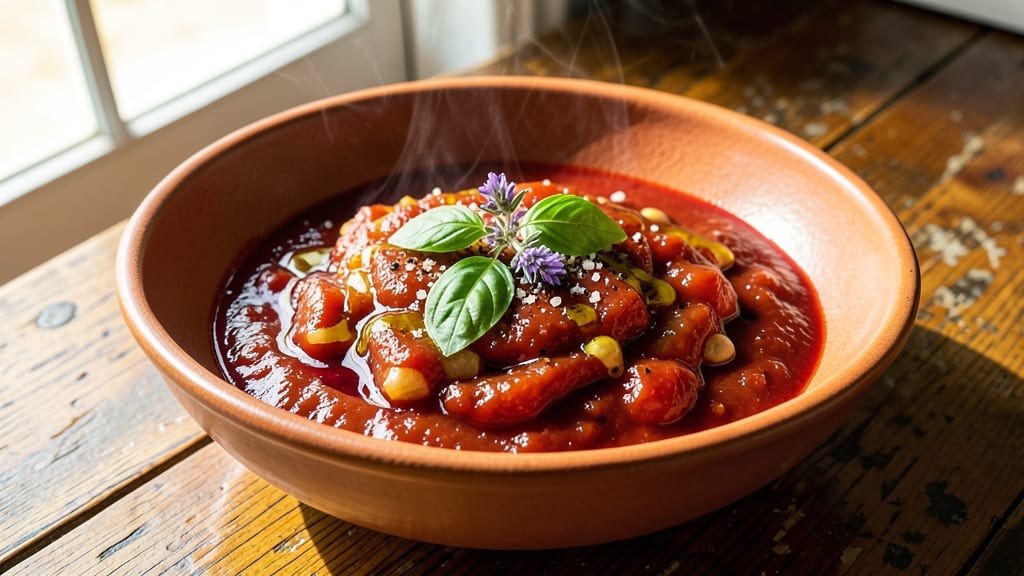
This low acid tomato sauce recipe transforms bitter ingredients into velvety, balanced perfection for pasta, pizza, and braises. The secret lies in slow reduction and strategic sweetness—no harsh aftertaste here.
After years of testing, I’ve perfected a method that preserves natural sweetness while eliminating that metallic tang that plagues store-bought versions.
The process starts with simmering tomatoes for 45 minutes to break down natural acids, then balancing flavors with a touch of sugar and a splash of red wine. This isn’t just sauce—it’s a flavor foundation that elevates everything it touches.
The result? A rich, smooth sauce with depth that builds as it cooks, perfect for layering onto dishes without overpowering them.
What makes this sauce truly versatile is its adaptability—use it as a pasta base, pizza sauce, or braising liquid. The slow cookdown concentrates flavors while mellowing acidity, creating a silky texture that clings beautifully. No more metallic aftertaste or one-dimensional taste; just pure, balanced tomato goodness every time.
Best of all, this sauce stores for weeks in the fridge, making it ideal for meal prep. Whether you’re cooking for a crowd or saving time for busy nights, this recipe delivers restaurant-quality results without the bitterness. Let’s get started—your taste buds will thank you.
Ingredients for low acid tomato sauce
San Marzano tomatoes, red wine, and slow simmering create velvety, restaurant-quality tomato sauce without bitterness.
| Ingredient | Amount | Notes |
|---|---|---|
| San Marzano Tomato Cans 🍅 | 28 oz | Whole, peeled tomatoes preferred |
| Extra-Virgin Olive Oil 🫒 | ½ cup | High-quality, fruity variety |
| Yellow Onion 🧅 | 1 whole | Finely diced, medium size |
| Garlic Cloves 🧄 | 4 cloves | Peeled, minced finely |
| Granulated Sugar 🍚 | 2 tbsp | White or raw cane sugar |
| Dry Red Wine 🍷 | ½ cup | Bold Cabernet Sauvignon preferred |
| Tomato Paste 🍅 | 2 tbsp | Smooth, no-salt-added |
| Fresh Basil Leaves 🌿 | ¼ cup | Packed, chopped finely |
| Kosher Salt 🧂 | 1 ½ tsp | Diamond Crystal preferred |
| Freshly Ground Black Pepper 🌶️ | ½ tsp | Coarsely ground |
San Marzano tomatoes are the foundation—their natural sweetness and low acidity make all the difference. Whole, peeled cans from Trader Joe's or local Italian markets yield the best results, as crushed tomatoes introduce excess liquid. If using crushed, strain out seeds first. The red wine should be bold—Cabernet Sauvignon or Merlot from a trusted producer like Apothic or Barefoot. For tomato paste, avoid the squeeze tubes; the canned variety builds deeper flavor. Fresh basil is non-negotiable here—dried won't cut it. The olive oil matters too; avoid light or refined oils—they lack the fruity depth needed for this sauce.
No red wine? Substitute with 0.5 cup beef broth plus 1 tsp balsamic vinegar—it mimics the acidity without overpowering. Short on basil? Dried oregano at one-third the amount works in a pinch, but texture and aroma will differ. For sugar, maple syrup or agave can replace granulated at a 1:1 ratio, though the flavor profile shifts slightly. The tomato paste can be omitted if you prefer a lighter sauce, but it adds umami depth that's hard to replicate. If your tomatoes taste overly acidic, add 1 extra tbsp sugar during simmering to balance.
This sauce develops flavor over time—taste as you go and adjust seasoning gradually. Store in an airtight container in the fridge for up to 3 weeks, or freeze for 6 months in portion-sized containers. For best results, reheat gently on low heat, stirring frequently to prevent skin formation. The sauce thickens as it cools, so add a splash of water or broth if needed before serving. Portion into ice cube trays for easy single-use additions to pasta or pizza.
Why You'll Love This Recipe
- No-Fuss Simplicity: I swear by this sauce because it’s the kind of recipe that lets you not stress. One can of San Marzano tomatoes, a quick sauté of onions and garlic in olive oil, and a pinch of sugar—no peeling, no dicing, no waiting for fresh tomatoes to ripen. Honestly, I’ve made it at 7 PM after a long day, and it still tastes like I spent hours.
- Sweet-Savory Magic: That little spoonful of sugar isn’t cheating—it’s balancing. The San Marzano’s natural sweetness gets a gentle nudge from the sugar, while the garlic and olive oil add depth. The result? A sauce that’s rich but never heavy, bright without being tart, and so versatile it disappears faster than I can say “second helping.”
- Pantry-to-Table Hero: This sauce is my meal-prep secret weapon. Toss it with pasta for dinner, freeze half for lazy nights, or use it as a base for soups and stews. I’ll be real: I’ve pulled a jar from the freezer on a Wednesday and had a full meal in 10 minutes. No fancy ingredients, just pure, reliable flavor.
- Budget-Friendly Staple: A can of San Marzano tomatoes and a bottle of olive oil last me weeks. No splurges, no waste—just a sauce that stretches across multiple meals without losing its punch. Between us, I’ve fed a houseful of people for under $10 using this recipe, and no one ever complains. That’s the kind of practical win I live for.
Step-by-step instructions for low acid tomato sauce
Mastering this sauce requires patience and precision to balance natural tomato acidity.
Sauté Aromatics in Olive Oil
Heat the 0.5 cup Extra-Virgin Olive Oil in a heavy-bottomed saucepan over medium-low heat. Add the 1 whole Yellow Onion, finely diced, and cook for 8-10 minutes until translucent and sweet-smelling. This gentle cooking prevents burning, which can introduce bitter notes.
Add the 4 cloves Garlic Cloves, minced finely, and cook for 1 minute until fragrant but not browned. Garlic burns quickly—watch closely. Remove from heat momentarily to prevent color change, then return to the pan. This foundational step develops the sauce's depth without introducing acidity.
Incorporate Wine and Tomato Paste
Pour in the 0.5 cup Dry Red Wine and stir to deglaze the pan, scraping up any browned bits. Let it simmer for 3-4 minutes until reduced by half. This reduction concentrates flavors and removes alcohol sharpness, which can heighten perceived acidity.
Lower heat to medium-low and stir in the 2 tbsp Tomato Paste. Cook for 2-3 minutes until fully incorporated and slightly darkened. The paste adds body and sweetness that will counteract the tomatoes' natural acidity. Avoid letting it scorch—keep heat gentle and stir constantly.
Add Tomatoes and Sugar
Pour in the 28 oz San Marzano Tomato Cans, crushed by hand, and stir to combine. Add the 2 tbsp Granulated Sugar and 1.5 tsp Kosher Salt. The sugar neutralizes acidity while enhancing tomato sweetness, creating balance. Bring to a gentle simmer over medium heat and cook uncovered for 20-25 minutes.
Occasionally skim off any foam that rises to the surface—this helps maintain a clean, smooth sauce. The sugar will dissolve completely, and the sauce should thicken slightly but remain silky. Taste occasionally; if it tastes overly acidic, add another ½ teaspoon sugar and simmer for 5 more minutes.
Finish with Basil and Pepper
Remove the sauce from heat and stir in the 0.25 cup Fresh Basil Leaves, chopped finely. Let it steep for 5 minutes to infuse the flavor, then strain if you prefer a smoother texture. Add the 0.5 tsp Freshly Ground Black Pepper and adjust seasoning if needed—this final touch brightens the sauce without adding acidity.
For best results, let the sauce rest for 10 minutes before serving. This allows flavors to meld fully, ensuring a harmonious balance of sweetness, umami, and subtle herbal notes without any bitter aftertaste. Serve warm over pasta, with meatballs, or as a base for other dishes.
Pro Tips For Making Low Acid Tomato Sauce
- CRUSH THE ONIONS: Dice them small—no bigger than ¼-inch pieces—and cook them in the olive oil until they’re translucent but not browned. I learned this the hard way: big chunks turn to mush later, and you’ll end up with a sauce that tastes like it’s hiding something.
- SIMMER LOW AND SLOW: Once the tomatoes are added, reduce heat to a gentle bubble—just a few tiny bubbles breaking the surface. After burning three batches, I finally realized: low heat means deeper flavor, not faster cooking.
- SWEAT THE GARLIC: Add minced garlic after the onions soften, then cook it for 30 seconds until fragrant but not golden. Golden garlic tastes bitter, and you don’t want that overpowering your sauce—especially when you’re going for a clean, low-acid profile.
- SUGAR IN STAGES: Add half the sugar upfront to balance acidity, then taste again later and adjust. I was skeptical until I tried it—adding it all at once can turn the sauce cloyingly sweet, but a little at a time lets you dial it in perfectly.
Troubleshooting your low acid tomato sauce
Sauce Too Thin?
If your sauce isn’t thickening enough, simmer uncovered for an extra 10-15 minutes—this evaporates excess liquid while concentrating flavors. For a quicker fix, stir in 1 tbsp tomato paste or ½ tsp cornstarch mixed with 1 tsp water, simmering for 2-3 minutes until thickened.
Avoid high heat, which can break down the sauce’s delicate texture and intensify acidity. 🔥
Overly Acidic Taste?
Balance sharpness by adding ½-1 tsp sugar or ½ tsp honey per 2 cups sauce, simmering for 5 minutes to dissolve. For a deeper fix, stir in 1 tbsp red wine vinegar (sounds counterintuitive, but it rounds out the acidity).
If using canned tomatoes, opt for San Marzano—their natural sweetness reduces perceived tartness. Taste as you go!
Bitter Aftertaste?
Bitter notes usually mean the sauce was overcooked or used low-quality tomatoes. Prevent this by keeping heat at medium-low and using fresh, high-quality ingredients. If bitterness appears, stir in 1 tsp balsamic vinegar or ½ tsp vanilla extract to mellow harsh flavors.
Avoid adding more sugar—it can accentuate bitterness in some cases. 💡
Sauce Separates?
Separation happens when fats (from tomatoes or oil) rise to the surface. Gently stir in 1 tbsp cold water or broth and simmer for 2-3 minutes to re-emulsify.
For a smoother texture, blend briefly with an immersion blender or strain through a fine-mesh sieve. Prevent future separation by avoiding rapid temperature changes—cool gradually after simmering.
Mushy Texture?
Mushiness often stems from overcooking or using too much liquid. If the sauce is watery, reduce it further by simmering uncovered. For a thicker base, add 1 tbsp tomato paste or ½ cup finely chopped roasted tomatoes (no liquid).
If the issue persists, strain the sauce through a cheesecloth-lined sieve to remove excess pulp. Always simmer uncovered to control thickness.
Flat Flavor?
Flavor fades when sauce sits too long or lacks depth. Boost it by adding 1 tsp soy sauce (for umami), ½ tsp smoked paprika (for warmth), or 1 minced garlic clove (for brightness).
If using store-bought tomatoes, opt for whole peeled San Marzano—they’re sweeter and more flavorful. Fresh herbs like basil or oregano can also elevate taste without adding acidity. ✨
Nutrition facts
Frequently asked questions
Why does this sauce taste different from store-bought versions?
This recipe focuses on reducing acidity naturally through slow simmering and balancing flavors with sugar and wine. Store-bought sauces often contain added vinegar or preservatives that create a sharper taste. The 45-minute simmer breaks down natural acids while concentrating sweetness, resulting in a smoother, more complex flavor profile.
Can I use regular canned tomatoes instead of San Marzano?
While you can substitute, San Marzano tomatoes are ideal because their low acidity and natural sweetness create the perfect balance. If using regular tomatoes, add an extra 1 tbsp sugar and simmer for 5-10 minutes longer to reduce acidity. For best results, choose whole peeled tomatoes and strain out excess liquid before adding.
How do I adjust the thickness for pasta vs. pizza?
For pasta, aim for a medium consistency—thin enough to coat noodles but thick enough to cling. For pizza, reduce the sauce further by simmering uncovered for 10-15 extra minutes or stir in 1 tbsp tomato paste to create a concentrated base. The sauce will thicken more as it cools, so adjust while still warm.
What’s the best way to store leftovers?
Transfer to an airtight container and refrigerate for up to 3 weeks. For longer storage, freeze in portion-sized containers for up to 6 months. Thaw in the fridge overnight and reheat gently on low heat, stirring occasionally to prevent skin formation. The sauce thickens as it cools, so add a splash of water if needed.
Can I make this sauce in a slow cooker?
Yes! Sauté the onions and garlic first, then add all ingredients (except basil) to the slow cooker on low for 6-8 hours or high for 3-4 hours. Stir in fresh basil at the end. The slow cooker’s gentle heat helps reduce acidity naturally, but taste frequently—you may need to add ½ tsp extra sugar to balance flavors.