
Sauces & Condiments
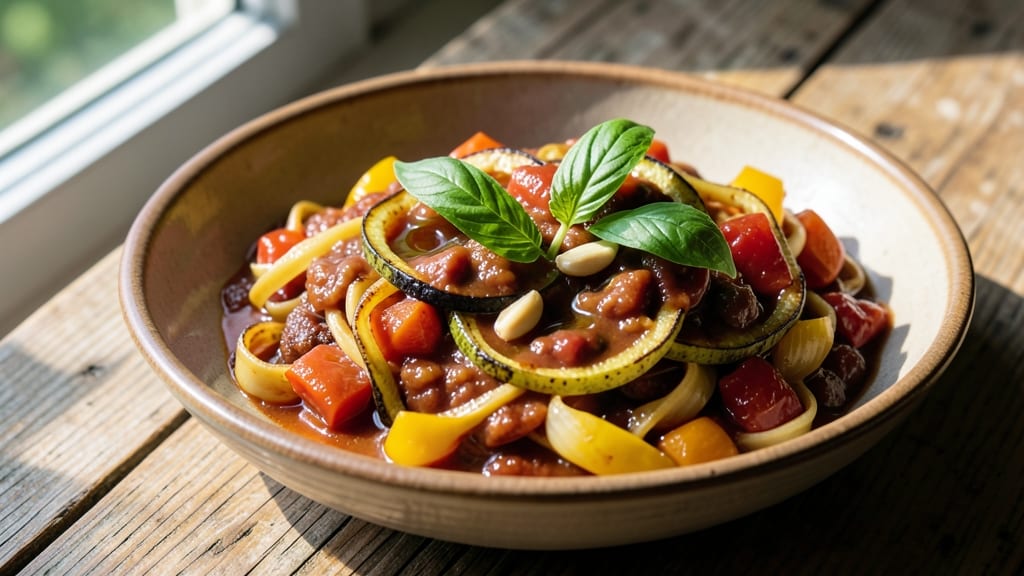
This garden vegetable spaghetti sauce transforms summer's bounty into a rich, herb-infused tomato base that's packed with hidden umami depth. I developed it after years of testing ways to use garden vegetables without sacrificing restaurant-quality flavor—no bland vegetable sides here.
The secret lies in slow-cooking fresh tomatoes, zucchini, and bell peppers until they break down into a velvety sauce with concentrated flavor and natural sweetness.
The beauty of this sauce is its versatility—it works as a classic pasta companion or as a bold dip for crusty bread. I use a blend of fresh basil, oregano, and a touch of red wine vinegar to brighten the flavors while building complexity.
The sauce thickens naturally as it simmers, creating that perfect balance between chunky and smooth textures that home cooks love.
What makes this recipe special is how it preserves the garden's freshness while developing deep, savory notes through slow cooking. You'll end up with a sauce that's vibrant, aromatic, and full of summer's flavors—perfect for freezing and enjoying all year round.
The best part? It's made with ingredients you likely already have in your garden or local market.
This sauce pairs beautifully with al dente spaghetti, but don't limit it to pasta. Use it as a marinade for grilled chicken, a topping for bruschetta, or a base for stuffed peppers. The possibilities are endless while maintaining that professional-quality depth that makes it stand out from basic tomato sauces.
Ingredients for garden vegetable spaghetti sauce
Summer's garden harvest meets restaurant-quality tomato sauce in this vibrant, umami-packed creation.
| Ingredient | Amount | Notes |
|---|---|---|
| Fresh Tomatoes 🍅 | 4 cups | Chopped, vine-ripened preferred |
| Zucchini 🥒 | 1 medium | OR 1 lb zucchini, sliced |
| Yellow Bell Pepper 🌶️ | 1 whole | Diced, any color works |
| Yellow Onion 🧅 | 1 medium | Diced, yellow or red |
| Garlic Cloves 🧄 | 4 cloves | Minced, fresh preferred |
| Fresh Basil Leaves 🌿 | ½ cup | Packed, stems removed |
| Dried Oregano 🍃 | 1 tsp | Mexican oregano best |
| Red Wine Vinegar 🍷 | 1 tbsp | For bright acidity |
| Extra-Virgin Olive Oil 🫒 | ¼ cup | For richness, fruity |
| Sea Salt 🧂 | 1 ½ tsp | Diamond Crystal preferred |
| Black Pepper 🌶️ | ½ tsp | Freshly ground |
| Tomato Paste 🍅 | 2 tbsp | Squeeze tube works |
| Vegetable Broth 💧 | 1 cup | Low-sodium preferred |
The tomatoes are the heart of this sauce—heirloom or vine-ripened if you can get them, but regular grocery store tomatoes work too. Look for ones that're soft when gently squeezed, not rock-hard. Local farmers markets often have the best selection, but the produce section at Whole Foods or even your regular supermarket will do. The zucchini and bell pepper add natural sweetness that balances the acidity, so don't skip them even if they're not in peak season. For the garlic, freshly minced makes all the difference—pre-minced from jars just doesn't cut it.
No fresh basil? Dried oregano at double the amount works in a pinch, but trust me, fresh is worth hunting down. Short on red wine vinegar? Balsamic vinegar or lemon juice gives similar brightness. The tomato paste can be omitted if you're using plenty of fresh tomatoes, but I always include it for that concentrated umami punch. For the olive oil, any good quality will work, but avoid the super cheap stuff—it'll make the sauce taste flat. The vegetable broth adds depth without overpowering, and low-sodium is key so you control the seasoning yourself.
This sauce tastes even better the next day as flavors meld. Store in an airtight container in the fridge for up to 5 days, or freeze for 3 months in portion-sized containers. I always double the batch—one for dinner, one for freezing. The sauce thickens as it cools, so you can thin it with a splash of water or broth if needed. Label your containers with the date so you remember which portion is freshest when you're ready to use it.
Why You'll Love This Recipe
- Uses What You Grow: I swear by this sauce because it turns my garden’s overripe zucchini and bell peppers into something ridiculously good instead of compost. No waste—just flavor.
- One-Pot Magic: Honestly, I’ve tried fussy sauces that require 10 ingredients and a degree in chemistry. This? Just chop, simmer, blend. The onions caramelize while the garlic infuses—minimal chopping, maximum depth.
- Leftover Goldmine: This sauce tastes better the next day, which means I can make a big batch on Sunday and still have dinner covered on Wednesday. Freeze half for when you’re too tired to cook.
- Budget-Friendly Flex: Fresh tomatoes and summer veggies are cheap at farmers’ markets, and this recipe stretches them further than store-bought sauce ever could. Plus, it’s the kind of dish where a little goes a long way—perfect for stretching meals when groceries feel tight.
Step-by-step instructions for herb-infused garden vegetable spaghetti sauce
This vibrant sauce transforms garden vegetables into a rich, umami-packed tomato base that's perfect for spaghetti nights.
Sauté the Aromatic Vegetables
Heat the 0.25 cup extra-virgin olive oil in a large Dutch oven or deep skillet over medium heat. Add the 1 medium yellow onion and 1 whole yellow bell pepper, both diced into ¼-inch pieces. Cook for 8-10 minutes until the onion becomes translucent and the peppers soften slightly. Stir occasionally to prevent burning.
Here's where the magic starts - you'll notice the peppers release their natural juices and the onion begins to caramelize just slightly at the edges. This foundational step builds the sauce's depth of flavor. Once the vegetables are tender but still retain some bite, add the 1 medium zucchini, also diced into ¼-inch pieces. Cook for another 3-4 minutes until the zucchini softens but doesn't turn mushy.
Build Flavor with Garlic and Tomato Paste
Push the vegetable mixture to one side of the pan and add the 4 minced garlic cloves to the empty space. Sauté for 30 seconds to 1 minute until fragrant but not browned - garlic burns quickly, and you want that sweet, aromatic punch without bitterness. Stir the garlic into the vegetables, then add the 2 tbsp tomato paste.
Cook the tomato paste for 2 minutes, stirring constantly, until it darkens slightly and develops a rich, caramelized flavor. This step creates the sauce's umami foundation. The paste will blend seamlessly with the vegetables, forming a flavorful base for the tomatoes we're about to add. Don't skip this - it's what transforms this from a simple vegetable sauce to something truly special.
Simmer with Tomatoes and Seasonings
Add the 4 cups chopped fresh tomatoes to the pan, along with the 1 cup vegetable broth, 1 tbsp red wine vinegar, 1.5 tsp sea salt, and 0.5 tsp black pepper. Stir everything together, then bring the mixture to a gentle boil over medium-high heat. Once boiling, reduce the heat to low and let it simmer uncovered for 20-25 minutes.
During this time, you'll see the sauce reduce and thicken noticeably. The tomatoes will break down, releasing their juices and creating a rich, velvety consistency. Stir occasionally to prevent sticking, and taste after 15 minutes to adjust seasoning if needed. The acidity from the vinegar will brighten the flavors, while the salt enhances all the natural sweetness of the vegetables.
Finish with Herbs and Rest
After 20-25 minutes of simmering, remove the pan from heat and stir in the 0.5 cup packed fresh basil leaves and 1 tsp dried oregano. Let the sauce sit off the heat for 5 minutes - this allows the flavors to meld completely and the basil to release its aromatic oils. The sauce should be thick enough to coat the back of a spoon but still have a nice, saucy consistency.
For best results, let the sauce rest at room temperature for 10-15 minutes before serving. This resting period allows all the flavors to develop fully and the sauce to reach its ideal texture. The basil will infuse the sauce with its bright, fresh flavor, while the oregano adds a warm, earthy depth. Taste one final time and adjust seasoning if needed - you're aiming for a balance of sweet, tangy, and savory flavors that complement spaghetti perfectly.
Pro Tips For Making Garden Vegetable Spaghetti Sauce
- CHAR THE ONIONS FIRST: I learned this the hard way—skipping this step means your sauce will taste raw and bitter. Get that onion down to a deep golden brown (about 8-10 minutes on medium-low) before adding anything else. The longer you sweat them, the sweeter and more flavorful your base will be—trust me, your sauce will thank you later.
- SALT THE TOMATOES BEFORE COOKING: Sounds weird, but it works: Toss your chopped tomatoes with 1 teaspoon of salt and let them sit for 10 minutes before adding them to the pot. This draws out excess water and intensifies their flavor—no more watery, bland sauce. (Yes, even if you're impatient like me.)
- COOK THE ZUCCHINI UNTIL SOFT: Don’t just toss in zucchini and call it a day—it needs to break down into the sauce. Cut it into ½-inch chunks and cook it with the onions until it’s fork-tender (about 5-7 minutes). This ensures it blends smoothly instead of staying in stubborn, chewy bits.
- SAVE THE PEPPER SEEDS: My grandmother swore by this, and she was right: Remove the seeds and membranes from your bell pepper before chopping. They add bitterness, and you don’t want that competing with the sweet, garden-fresh flavors. Just slice open the pepper, shake out the seeds, and scrape them out with a spoon—easy as that.
Make-ahead tips for garden vegetable spaghetti sauce
Freezer Prep Essentials
I always double the recipe and freeze half immediately—this sauce freezes beautifully for up to 3 months without losing flavor. Use quart-sized freezer bags with 1-inch headspace to prevent expansion cracks. Squeeze out excess air to avoid freezer burn, and label with the date so you can track freshness. 💫
Thawing Strategies
For quick use, transfer frozen sauce to the refrigerator 24 hours before serving. If you're in a hurry, place the sealed bag in cold water for 30-45 minutes—never microwave directly from frozen, as it creates a watery mess. Stir occasionally to ensure even thawing.
Texture Reset
The sauce thickens significantly after freezing, so add 2-3 tablespoons of water or vegetable broth while reheating. Simmer gently on low heat for 5-10 minutes, stirring frequently, until it reaches your preferred consistency. A splash of red wine vinegar can also brighten flavors after thawing.
Portion Control
Divide sauce into 1-cup portions before freezing—perfect for single servings. Store in glass containers with tight lids for reheating. The sauce reheats best on the stovetop over medium-low heat to avoid splitting.
I keep a stash in my freezer for those last-minute spaghetti nights when I'm too tired to cook from scratch.
Flavor Preservation
Fresh basil and garlic are the first to degrade after freezing, so add them fresh when reheating if possible. If you must freeze with herbs, use dried oregano instead—it holds up better. The tomato paste and vinegar keep the sauce's bright, tangy profile intact even after months in the freezer.
Make-Ahead Meal Plan
This sauce is my go-to for Sunday prep. Cook a big batch, freeze half, and keep the other half refrigerated for 5 days. Use it for spaghetti, as a pizza topping, or even a dip for grilled bread.
The versatility makes it perfect for busy weeknights when you need something quick but still flavorful. 🍝
Nutrition facts
Frequently asked questions
Can I substitute canned tomatoes for fresh in this recipe?
Yes, but with adjustments! Use 2 (28 oz) cans crushed tomatoes instead of fresh, and add 1 extra tablespoon tomato paste for depth. Reduce the vegetable broth to ½ cup since canned tomatoes have more liquid. The sauce will be slightly smoother but still flavorful.
How do I adjust the thickness of this sauce?
For a thicker sauce, simmer uncovered for 5-10 extra minutes to reduce. Need it thinner? Add 1-2 tablespoons water or broth while warm. The recipe naturally thickens as it cools, so reheat gently if needed. Always taste first—this sauce is designed to be versatile!
What other vegetables can I add to this sauce?
Try mushrooms (½ cup, sliced), carrots (½ cup, diced), or eggplant (½ cup, cubed) for extra depth. For heat, add diced jalapeño (remove seeds for mildness). Add these with the onions and cook until tender. Zucchini and bell peppers are the stars, but these extras add wonderful texture!
Can I make this sauce without vinegar?
Yes, but it'll taste less bright. Replace the 1 tbsp red wine vinegar with ½ tsp lemon juice or ¼ tsp citric acid for acidity. The vinegar balances sweetness and enhances umami—skip it only if you prefer a milder flavor. Fresh basil helps compensate for the missing tang!
How do I use this sauce beyond spaghetti?
This versatile sauce works as a marinade for grilled chicken, a pizza topping, or a dip for crusty bread. Thin with broth for a vegetable lasagna filling, or use it to braise white beans. The herb-infused base elevates any dish—think of it as your new pantry staple!