
Sauces & Condiments
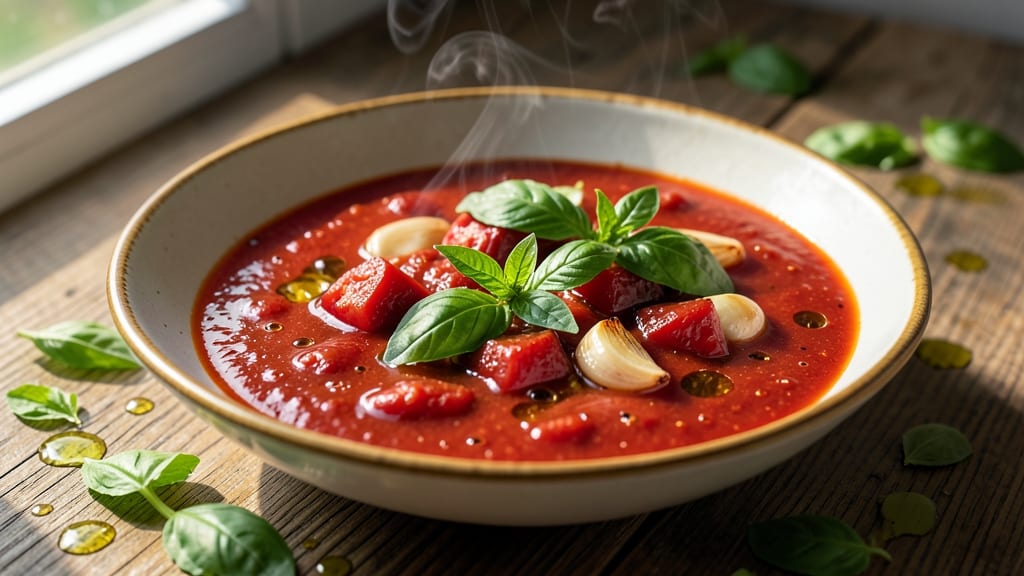
This Ina Garten-inspired fresh tomato sauce delivers bright, vibrant flavor in just 30 minutes—no canned tomatoes or heavy cream required. I first made this during a summer overflowing with garden tomatoes, and it quickly became my go-to for everything from pasta to bruschetta.
The secret lies in balancing sweetness, acidity, and fresh herbs while letting the sauce simmer just long enough to develop depth without losing its fresh, summery character.
The recipe builds on Ina's signature approach to sauces: simple ingredients elevated through technique. We start with ripe tomatoes (peeled or unpeeled) that cook down into a velvety, slightly chunky sauce with just enough garlic and basil to sing.
A splash of red wine vinegar brightens the flavor, while olive oil keeps it rich and luxurious. What makes this sauce special is how it transforms ordinary meals—drizzled over grilled fish, spooned onto crusty bread, or tossed with al dente pasta.
What you'll end up with is a sauce that's bright yet balanced, with just the right amount of acidity to cut through richness and fresh herbs that make every bite taste like summer. The texture is silky but still has body, perfect for both weeknight suppers and special occasions.
Best of all, it keeps beautifully in the refrigerator for up to 5 days or can be frozen for future use.
Pair this sauce with anything from wood-fired pizza to grilled vegetables, or use it as a base for more complex dishes. The beauty of this recipe is its versatility—it's simple enough for weeknights but impressive enough for dinner guests. Let's get cooking!
Ingredients for fresh tomato sauce recipe ina garten
Eight simple ingredients transform garden tomatoes into Ina Garten's signature vibrant sauce.
| Ingredient | Amount | Notes |
|---|---|---|
| Fresh Tomatoes 🍅 | 2 ½ lb | Ripe, preferably vine-ripened |
| Extra-Virgin Olive Oil 🫒 | ½ cup | High-quality, fruity variety |
| Garlic Cloves 🧄 | 4 cloves | Peeled and roughly chopped |
| Red Wine Vinegar 🍷 | 2 tbsp | For brightness and acidity |
| Fresh Basil Leaves 🌿 | ½ cup | Packed, stems removed |
| Salt 🧂 | 1 tsp | Diamond Crystal preferred |
| Black Pepper 🌶️ | ½ tsp | Freshly ground for best flavor |
| Granulated Sugar 🍚 | 1 tbsp | Balances acidity naturally |
Tomatoes are the heart of this sauce, so pick the ripest you can find—those deep red, slightly soft ones at the grocery store's produce section. If you're using garden tomatoes, vine-ripened varieties like heirlooms or Roma deliver the best flavor. For a smoother sauce, peel them first by blanching in boiling water for 30 seconds, then shocking in ice water. Whole Foods or local farmers markets often carry perfect tomatoes, but don't overlook the regular grocery store produce section—sometimes they have hidden gems. The olive oil should be extra-virgin and fruity, not the cheap stuff from the salad dressing aisle. California Olive Ranch or Bertolli are reliable brands that won't break the bank.
No fresh basil? Dried basil at half the amount works in a pinch, though it won't have that same bright, summery punch. Running low on red wine vinegar? Balsamic vinegar or lemon juice both work well—just adjust to taste. The sugar isn't about sweetness; it's about balancing the acidity. Brown sugar or honey can substitute if you prefer, but granulated keeps things neutral. For the garlic, roasting it first (wrap whole cloves in foil, bake at 400°F for 20 minutes) adds a sweet, mellow depth that's perfect for this sauce. The tomatoes can be any variety—Roma for chunkier texture, heirlooms for sweeter flavor—just make sure they're ripe.
This sauce keeps beautifully in the fridge for up to 5 days if stored in an airtight container with a thin layer of olive oil poured on top to preserve freshness. For longer storage, portion into ice cube trays and freeze—perfect for single servings later. The basil wilts fast, so store it wrapped in damp paper towels in a plastic bag. If you make extra, don't hesitate to freeze it—it actually tastes better after a few days as the flavors meld. Reheat gently on the stove or microwave until warm, stirring occasionally to prevent scorching. A splash of water or broth can help thin it out if it's too thick after reheating.
Why You'll Love This Recipe
- No-Chop Needed: I swear by this—just halve the tomatoes and toss them in whole. The skins soften into the sauce while you’re stirring, so no peeling, no fuss. That vinegar brightens the whole thing in seconds.
- Garlic-Basil Magic: Honestly, the moment I crush those raw garlic cloves into the hot oil? My kitchen smells like summer. The basil finishes it—toss in a handful whole, then pull out the biggest leaves for garnish. That’s the kind of sauce people linger over.
- Pantry-to-Table Flex: This isn’t just for pasta. Slather it on toast with ricotta, drizzle it over grilled chicken, or freeze half for when you’re too tired to cook. I’ve even used it as a marinade—works every time.
- Budget Brightener: Fresh tomatoes at peak season? A dollar a pound. Olive oil lasts forever. The vinegar adds depth without costing much. It’s the kind of recipe that makes grocery day feel like a win, even when you’re pinching pennies.
Step-by-step instructions for Ina Garten's fresh tomato sauce
This vibrant tomato sauce comes together in under 30 minutes with simple techniques that maximize flavor.
Prepare the Tomatoes for Cooking
Begin by halving the 2.5 lb fresh tomatoes crosswise, then score the cut sides in a crosshatch pattern—this creates clean seams for easy peeling. Place them in a large pot and add just enough water to come about halfway up the sides. Bring to a rolling boil over medium-high heat and cook for 5-7 minutes until the skins begin to loosen and peel away easily.
Drain the tomatoes immediately and transfer them to a colander to cool slightly. Once cool enough to handle, slip off the skins using your fingers or a paring knife. Discard the skins and coarsely chop the peeled tomatoes. I like to leave them slightly chunky—this texture holds up better during cooking and adds nice visual contrast to the finished sauce.
Build the Flavor Base in Olive Oil
Heat the 0.5 cup extra-virgin olive oil in a large, heavy-bottomed saucepan over medium-low heat. Add the 4 cloves roughly chopped garlic cloves and cook for 2-3 minutes until they're fragrant but not browned—this prevents bitterness. Stir in the chopped tomatoes and bring to a gentle simmer.
Here's where the magic happens: let the sauce cook uncovered for 10-12 minutes until the tomatoes break down and the mixture thickens slightly. You'll see the sauce reduce and develop deeper color. This slow cooking allows the natural sweetness of the tomatoes to emerge while concentrating their flavor. Stir occasionally, but don't rush this step—patience is key for developing that bright, vibrant taste.
Balance and Finish with Acid and Sweetness
Reduce the heat to low and stir in the 2 tbsp red wine vinegar, 1 tbsp granulated sugar, 1 tsp salt, and 0.5 tsp black pepper. The vinegar brightens the sauce while the sugar helps balance the acidity—this is Ina's signature touch. Let the sauce simmer gently for 5 minutes to allow all the flavors to meld together.
Taste and adjust the seasoning if needed. I often find the sauce needs just a pinch more salt at this stage—remember, you can always add more, but you can't take it out. The sauce should be vibrant red with a glossy sheen from the olive oil, and you should taste the bright acidity of the vinegar alongside the sweetness of the tomatoes.
Incorporate the Fresh Basil
Remove the sauce from heat and stir in the 0.5 cup packed fresh basil leaves. The heat will wilt the basil slightly, releasing its aromatic oils into the sauce. I like to use a wooden spoon to gently fold the basil in—this prevents breaking the leaves too much, which can make the sauce bitter.
Let the sauce sit off heat for 5 minutes to allow the basil flavors to fully infuse. This resting period also gives the sauce time to thicken slightly as it cools. Taste once more and adjust seasoning if needed. The sauce should be bright, vibrant, and perfectly balanced between sweet, acidic, and herby notes. Serve immediately over pasta, with grilled meats, or as a topping for bruschetta.
Pro Tips For Making Fresh Tomato Sauce Recipe Ina Garten
- ROAST TOMATOES FIRST: I learned this the hard way—raw tomatoes just don’t break down the same way. Toss halved tomatoes in olive oil, salt, and roast at 400°F (200°C) for 20-25 minutes until skin blisters and edges char. The concentrated sweetness and easy blending make all the difference, especially with watery summer tomatoes.
- CRUSH GARLIC, DON’T MINCE: Whole garlic cloves burn fast and turn bitter, while minced garlic can scorch before the sauce even simmers. Use a flat side of your knife to crush 3-4 cloves into tiny pieces—no oil needed yet. They’ll soften perfectly in the sauce without taking over the flavor.
- ACIDIFY GRADUALLY: Dumping all the red wine vinegar at once can make the sauce taste harsh. Start with 1 teaspoon, let it mingle for 2 minutes, then add the rest. If using basil, add it last—it wilts fast and releases bitterness when overcooked.
- SIMMER LOW AND LONG: High heat ruins texture. After blending, return the sauce to a pot and simmer uncovered at a bare bubble—just enough to keep it moving—for at least 15 minutes. This deepens flavor and thickens naturally, without reducing too much liquid. (Yes, even if you’re impatient like me.)
Essential equipment for great fresh tomato sauce recipe ina garten
Heavy-Bottomed Saucepan
This is my most important piece of equipment for this sauce—nothing beats a stainless steel saucepan with thick bottom like the All-Clad D5 or Le Creuset Dutch oven. The even heat distribution prevents hot spots that can scorch your tomatoes.
If you're on a budget, a Calphalon nonstick saucepan works well, but avoid thin, flimsy pans that warp under heat. I've made this sauce in my trusty Lodge cast iron too, and it adds a subtle richness to the final product. 🔥
Immersion Blender
For a silky-smooth texture without losing the chunky appeal, an immersion blender like the Ninja Foodi or Hamilton Beach is a game-changer. Pulse the sauce for 10-15 seconds if you prefer it smoother, but leave it slightly chunky for that fresh, garden-style feel.
Pro tip: Dip the blender in and out a few times to ensure even blending. If you don't own one, a regular blender works—just transfer the sauce in batches and avoid over-blending, which can turn it mushy.
Fine-Mesh Strainer
A fine-mesh strainer (like the OXO Good Grips) is perfect for removing tomato skins and seeds if you prefer a cleaner sauce. I like to strain the tomatoes after blanching but before chopping to remove any remaining skins or fibrous bits.
For a rustic texture, skip straining entirely—just chop the tomatoes coarsely and let the natural bits add depth. A colander works in a pinch, but it won't catch the finer particles as effectively.
Wooden Spoon
Stirring this sauce with a wooden spoon (I love my Ozeri Touch Wooden Spoon) prevents scratching the saucepan and helps release the natural sweetness of the tomatoes. Wood also conducts heat more gently than metal, which is ideal for delicate sauces.
Avoid plastic spoons—they can melt under high heat. If you don't have wood, a heat-resistant silicone spatula is a good alternative, though it won't have the same gentle touch.
Cheesecloth or Slotted Spoon
When adding fresh basil, a cheesecloth or slotted spoon helps you strain out any unwanted bits while keeping the leaves intact. I like to press the basil gently against the cloth to extract its oils without overworking it.
If you don't have cheesecloth, a fine-mesh sieve or even a clean kitchen towel works in a pinch. The key is to avoid breaking the leaves too much, which can make the sauce bitter.
Measuring Spoons
Precision matters with this sauce, especially when balancing the red wine vinegar and granulated sugar. Invest in a set of stainless steel measuring spoons (like OXO Good Grips) for accurate measurements.
A pinch of salt can make a huge difference, so don’t eyeball it—use the 1/8 tsp mark for fine adjustments. I keep my measuring spoons near the stove for quick access while cooking. 💡
Nutrition facts
Frequently asked questions
Can I use canned tomatoes instead of fresh?
While this recipe highlights fresh tomatoes for their vibrant flavor, you can substitute 2 (28 oz) cans crushed tomatoes if needed. Drain them well first and reduce the olive oil to 1/4 cup since canned tomatoes contain more liquid. The texture will be smoother but still delicious—just add 1 extra tablespoon of sugar to balance the acidity. For best results, use high-quality canned tomatoes like San Marzano.
How do I adjust the sauce for spicy dishes? Add 1/2 teaspoon of red pepper flakes or 1/4 teaspoon of cayenne pepper at the end of cooking for a subtle kick. For more heat, stir in 1-2 tablespoons of hot sauce or 1/2 teaspoon of crushed chili flakes.
What's the best way to store leftovers?
Transfer the sauce to an airtight container and refrigerate for up to 5 days. For longer storage, freeze in 1-cup portions (use ice cube trays for single servings). When reheating, warm gently on the stove over low heat or microwave in 30-second bursts, stirring between each. The sauce actually improves after 2-3 days as flavors meld!
Can I make this sauce without vinegar?
Yes, but the sauce will lack brightness. Substitute with 1 tablespoon lemon juice or 1/2 teaspoon citric acid (common in baking). For a different flavor profile, try 1 teaspoon of balsamic vinegar instead—it adds depth without the sharp tang. The sugar measurement can stay the same, but you may need 1/4 teaspoon extra salt to balance the flavors.
Why did my sauce turn out too acidic?
This usually happens from overcooking or using too much vinegar. Balance it by adding 1/2 teaspoon of sugar or 1 tablespoon of tomato paste to mellow the acidity. If the sauce is still too sharp, stir in 1/4 cup of heavy cream or coconut milk to round out the flavors. Taste as you go—you can always adjust, but don't add all the fixers at once!