
Sauces & Condiments
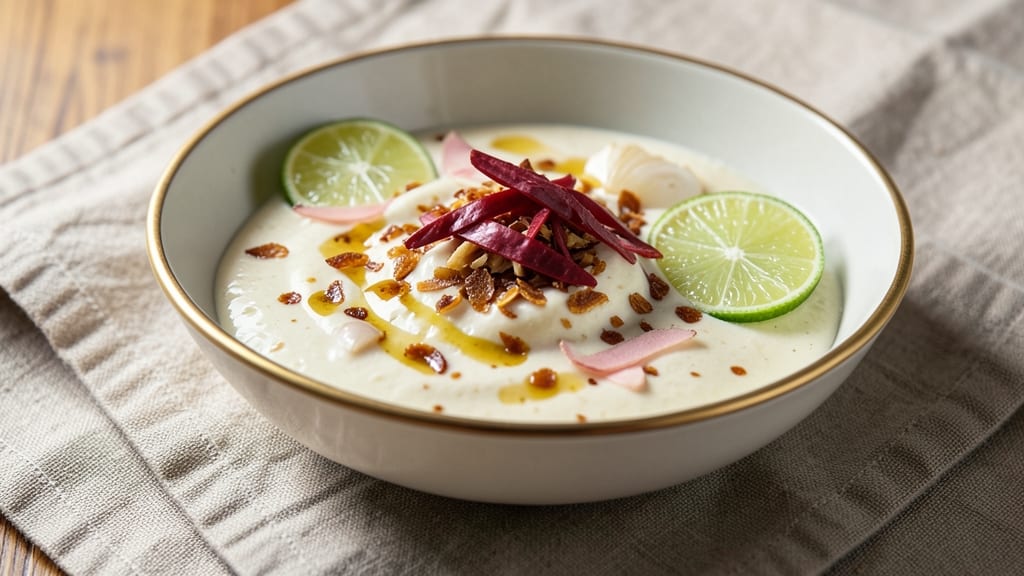
This coconut chicken dipping sauce transforms ordinary meals into something extraordinary with its perfect sweet-spicy balance. The secret lies in toasted coconut flakes that add depth, while lime juice and garlic create a bright, tangy foundation.
I developed this recipe after tasting countless versions that were either too sweet or bland—this one gets it just right.
The sauce combines creamy coconut milk with a touch of heat from chili flakes and fresh ginger, creating a velvety texture that clings beautifully to crispy chicken or fresh spring rolls.
What sets it apart is the toasted coconut finish, which adds a subtle crunch and nutty aroma that elevates every bite. It’s restaurant-quality without the fuss.
Perfect for grilled coconut chicken, spring rolls, or even as a marinade, this sauce delivers a harmonious blend of flavors that’s both complex and approachable. The ingredients come together in just 10 minutes, making it ideal for last-minute gatherings or weeknight dinners.
Trust me, once you try this, it’ll become your go-to for any Asian-inspired meal.
Pair it with grilled chicken, crispy veggies, or even as a drizzle over noodles. The possibilities are endless, and the results are always delicious. Let’s make this sauce—your taste buds will thank you.
Ingredients for coconut chicken dipping sauce
Nine simple ingredients create this velvety, sweet-spicy sauce that’ll make your coconut chicken unforgettable.
| Ingredient | Amount | Notes |
|---|---|---|
| Coconut Milk 🥥 | ½ cup | Full-fat for creaminess |
| Toasted Unsweetened Coconut Flakes 🥥 | ¼ cup | Lightly browned in dry pan |
| Fresh Lime Juice 🍋 | ¼ cup | Strain seeds for clarity |
| Garlic Cloves 🧄 | 3 cloves | Minced for aromatic punch |
| Fresh Ginger 🌿 | 1 tbsp | Finely grated, zesty kick |
| Red Chili Flakes 🌶️ | 1 tbsp | Adjust for heat preference |
| Honey 🍯 | 2 tbsp | Wildflower for floral notes |
| Soy Sauce 🥢 | 1 tbsp | Light or dark preferred |
| Sesame Oil 🫒 | 1 tsp | Toasted for nutty aroma |
| Salt 🧂 | ½ tsp | Diamond Crystal preferred |
The coconut milk is non-negotiable—full-fat gives that luxurious creaminess. I grab Goya or Thai Kitchen brands at the grocery store, but any canned full-fat works. Toast the coconut flakes in a dry pan until golden—3-4 minutes—that nutty aroma makes all the difference. Fresh ginger and garlic? No substitutes here—they’re the flavor anchors. If you’ve got a microplane, ginger grates in seconds. For the honey, wildflower adds floral notes that balance the spice beautifully.
No lime juice? Lemon works in a pinch, but you’ll lose that bright tang. Short on coconut milk? Cashew cream mimics the texture (blend soaked cashews with water). The soy sauce can be tamari for gluten-free, but don’t skip it—the umami depth is crucial. Chili flakes too spicy? Toast them first to mellow the heat. Sesame oil gives that signature aroma, but if you’re avoiding it, extra toasted sesame seeds sprinkled on top work too. Pro tip: Toast the garlic and ginger together in the same pan before blending—double flavor boost.
This sauce keeps beautifully—5 days in the fridge sealed tight. For longer storage, freeze in ice cube trays. Just thaw in the fridge overnight. The toasted coconut flakes? Save those for garnish—sprinkle over the sauce right before serving. I make double batches because it disappears fast—perfect for dipping, drizzling, or even as a marinade. The flavors meld overnight, so it tastes even better the next day.
Why You'll Love This Recipe
- No Blender Needed: I swear by this—just a knife, a spoon, and 10 minutes of stirring. That toasted coconut flake crunch happens by hand, and honestly? It’s the secret to that perfect texture without any gadget clutter.
- Taste Like a Vacation: The lime cuts through the richness of the coconut milk while the ginger and garlic add this warm, spicy kick. It’s creamy, bright, and just a little addictive—like a hug in sauce form.
- Game for Any Meal: Slather it on grilled chicken, toss it with rice, or let it drown fries. I’ve even used it as a marinade for shrimp—works everywhere, no excuses.
- Leftovers That Don’t Suffer: This sauce actually improves overnight. The flavors meld, and the toasted coconut stays crispy. Store it in a jar, and you’ve got a ready-made upgrade for takeout nights or lazy Sundays.
Step-by-step instructions for coconut chicken dipping sauce
Here's how to blend all these flavors into a velvety, perfectly balanced sauce.
Toast the Coconut Flakes for Nutty Depth
Heat a dry skillet over medium-low heat and add the 0.25 cup toasted unsweetened coconut flakes. Toast them for 3-4 minutes, stirring constantly, until they turn a beautiful golden brown and release their toasty aroma. Watch closely—they'll darken quickly and burn easily.
Remove the flakes immediately and set them aside to cool slightly. This toasting step is crucial—it transforms the coconut's flavor from bland to rich and nutty. The cooled flakes will blend into the sauce later, adding texture and depth that raw coconut can't match.
Bloom the Aromatics in Sesame Oil
In a small saucepan, heat the 1 tsp sesame oil over medium heat until it shimmers. Add the 3 minced garlic cloves and 1 tbsp finely grated fresh ginger, stirring constantly for 30-45 seconds until fragrant. You'll smell that irresistible garlic-ginger aroma—this is where the sauce builds its aromatic foundation.
Immediately add the 1 tbsp red chili flakes and stir for another 10 seconds to coat them with the oil. This ensures even distribution of heat throughout the sauce. Remove from heat and let the mixture cool for 1 minute—this prevents the sauce from curdling when you add the dairy components later.
Combine Wet Ingredients for Creamy Base
Return the saucepan to low heat and add the 0.5 cup coconut milk, 0.25 cup fresh lime juice, 2 tbsp honey, and 1 tbsp soy sauce. Stir gently to combine, then bring to a bare simmer for 2-3 minutes until slightly thickened. You'll see the mixture become glossy and slightly reduced.
The sauce should smell tangy, sweet, and slightly spicy. If it looks too thick, add 1 tablespoon water to reach your desired consistency. This is the moment to taste—adjust the balance of sweetness, acidity, or heat by adding more honey, lime juice, or chili flakes as needed.
Blend and Finish with Toasted Coconut
Remove the sauce from heat and let it cool for 2 minutes. Using an immersion blender, blend until completely smooth. If you don't have an immersion blender, transfer to a blender and pulse until silky. This step ensures no texture remains—every spoonful should be velvety.
Stir in the cooled toasted coconut flakes and 0.5 tsp salt until fully incorporated. The flakes will add subtle crunch and visual appeal. Let the sauce sit for 5 minutes to allow all the flavors to meld together completely. The final texture should be thick enough to coat the back of a spoon but still flow smoothly.
Pro Tips For Making Coconut Chicken Dipping Sauce
- TOAST COCONUT FLAKES LOW: I learned this the hard way—cranky high heat burns them to bitter ash before they crisp. Use the lowest oven setting (250°F/120°C) and spread them on a baking sheet in a single layer. Stir every 5 minutes until golden and fragrant (about 15 minutes total).
- SIMMER COCONUT MILK GENTLY: This isn’t a race. Heat coconut milk over medium-low, stirring occasionally, until it’s just warm to the touch—not boiling. Overheating turns it greasy and dulls the flavor. If it starts to curdle, you’ve gone too far.
- GRATE GINGER FINE: Skip the pre-grated jar—it’s often dried out or full of starch. Use a microplane or the smallest holes on a box grater for fresh ginger. A teaspoon of finely grated ginger (about ½-inch knob) will give you that bright, zesty kick without overpowering.
- STRAIN GARLIC AFTER TOASTING: Toast whole garlic cloves in a dry pan until golden and fragrant (about 3 minutes). Then, crush them with the flat side of a knife before adding to the sauce. This removes any bitterness from over-toasting and keeps the flavor smooth.
Regional styles of these flavors
Thai-Inspired Sweet Heat
This version swaps honey for palm sugar syrup (simmer 2 tbsp palm sugar with 2 tbsp water for 3 minutes until dissolved) and adds 1 tbsp fish sauce for umami depth.
I boost the chili to 2 tbsp red chili flakes and finish with 1 tsp lime zest for a bright, aromatic kick. Serve with crispy coconut chicken satay or fresh spring rolls. 🌶️
Hawaiian Tropical Twist
For a vacation-worthy flavor, replace soy sauce with 1 tbsp teriyaki sauce and add 1 tsp toasted macadamia nut oil (or 1 tbsp macadamia nut butter) for richness. Include ½ cup pineapple juice instead of lime juice and 1 tsp toasted coconut sugar to balance the sweetness.
Garnish with toasted macadamia nuts for crunch. This works perfectly with grilled pineapple chicken skewers.
Japanese-Inspired Miso Balance
Swap the soy sauce for 1 tbsp white miso paste and reduce the honey to 1 tbsp. Add 1 tsp mirin and ½ tsp grated daikon radish for a subtle fermented depth.
Toast 1 tsp sesame seeds separately and sprinkle on top before serving. This version pairs beautifully with coconut-glazed chicken karaage or edamame. The miso adds a savory complexity that elevates the coconut flavors.
Vietnamese Caramelized Version
For a deeper caramelized note, simmer the sauce with 1 tbsp coconut sugar until it reaches a 160°F internal temperature (about 5-7 minutes longer). Add 1 tsp fish sauce and ½ tsp black pepper for a bold finish.
Garnish with fresh cilantro and crushed peanuts for texture. This works wonderfully with coconut chicken banh mi sandwiches or fresh summer rolls.
Spicy Mango Fusion
Blend in ½ cup pureed ripe mango (about 1 small mango) with the wet ingredients for a tropical sweetness. Add 1 tsp Tajín seasoning (chili-lime blend) and finish with 1 tbsp chopped cilantro.
The mango adds natural sweetness while keeping the sauce light and refreshing. Perfect for dipping coconut shrimp or grilled chicken wings. 🌟
Korean Gochujang Depth
Replace the chili flakes with 1 tbsp gochujang (Korean chili paste) and add 1 tsp rice vinegar for tang. Include ½ tsp toasted sesame seeds and 1 tsp toasted sesame oil for nutty warmth.
This version has a sticky, spicy-sweet profile that pairs exceptionally with coconut chicken bulgogi or crispy Korean-style fried chicken. The gochujang adds a fermented depth that transforms the sauce entirely.
Nutrition facts
Frequently asked questions
Can I make this sauce without coconut milk?
Yes! For a dairy-free version, blend ½ cup cashews (soaked for 2 hours) with ½ cup water until smooth, then use this cashew cream instead of coconut milk. The texture will be slightly thicker but still creamy.
How spicy should the sauce be?
The recipe calls for 1 tbsp chili flakes, which gives a mild-medium heat. For less spice, reduce to ½ tbsp or omit entirely. If you love heat, add ½ tsp cayenne pepper or 1 tsp gochugaru (Korean chili flakes) for deeper flavor. Taste and adjust!
What’s the best way to store leftover sauce?
Transfer to an airtight container and refrigerate for up to 5 days. For longer storage, freeze in 1-tablespoon portions (great for dipping!). Thaw overnight in the fridge. The toasted coconut stays fresh, but the sauce may thicken slightly—stir in 1 tsp water to restore consistency.
Can I use this sauce as a marinade?
Thin it with 2 tbsp water for a lighter coating, then marinate chicken for 30-60 minutes before grilling or baking. The sauce will caramelize beautifully, creating crispy edges. For extra tenderness, add 1 tbsp pineapple juice to the marinade.
Why does my sauce look too thick?
Coconut milk thickens as it cools. Thin with 1 tbsp water or lime juice while warm. If it separates, whisk vigorously or blend briefly to re-emulsify. For a smoother texture, strain the sauce through a fine-mesh sieve before serving.