
Sauces & Condiments
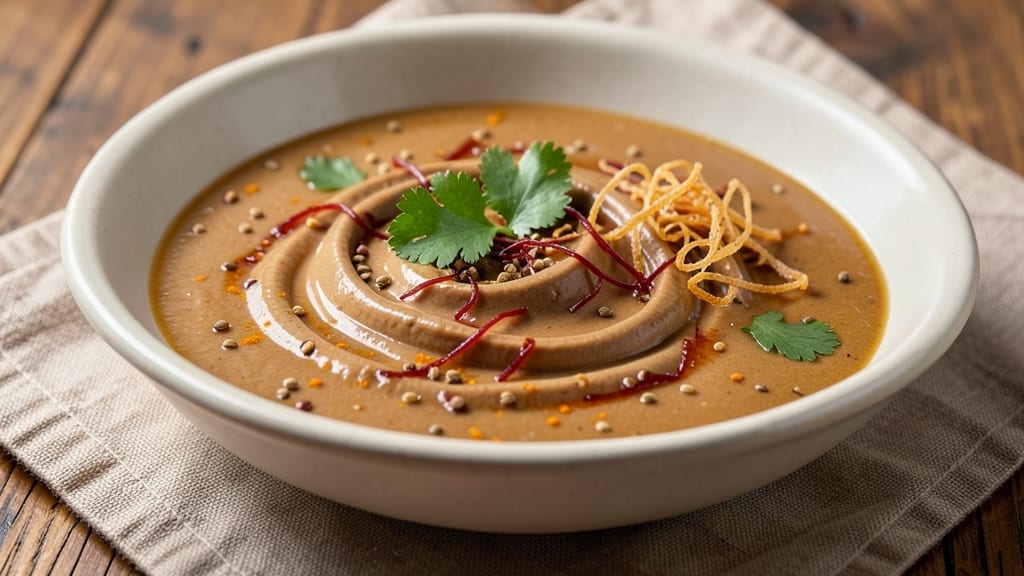
This authentic satay sauce recipe with coconut milk delivers the nutty-spiced balance that transforms grilled meats into restaurant-quality masterpieces. The secret lies in blending rich coconut milk with aromatic spices, creating a sauce that's equally perfect for dipping or marinating. I've perfected this version after years of testing—no artificial flavors, just bold, authentic taste in every spoonful.
The foundation starts with toasted spices—coriander, turmeric, and cumin—that infuse the coconut milk with warm, earthy depth. Peanut butter adds natural richness while tamarind brings that signature tangy brightness.
Simmering everything together creates a sauce with perfect viscosity: thick enough to cling to grilled skewers, yet smooth enough to drizzle generously.
What makes this sauce truly authentic is the balance of flavors: sweet from coconut, savory from peanut butter, and tangy from tamarind, all harmonized by the spices. The result is a versatile condiment that elevates everything from chicken satay to crispy tofu or even grilled vegetables.
It keeps beautifully in the fridge for up to a week, so you can make a big batch and enjoy it all week.
This isn't just a sauce—it's the heart of your meal. The nutty aroma alone will have everyone anticipating dinner, while the perfect balance of flavors ensures every bite is memorable. Whether you're serving traditional satay or experimenting with new dishes, this sauce delivers restaurant-quality results at home.
Ingredients for authentic satay sauce recipe with coconut milk
This nutty-spiced sauce transforms simple grilled meats into restaurant-quality masterpieces—just 12 ingredients, bold flavors.
| Ingredient | Amount | Notes |
|---|---|---|
| Coconut Milk 🥥 | 1 can | Full-fat for richness, 13.5 oz |
| Peanut Butter 🥜 | ½ cup | Natural, unsweetened preferred |
| Tamarind Paste 🍈 | 2 tbsp | Or 1 tbsp tamarind concentrate |
| Ground Coriander 🌿 | 1 tbsp | Toasted for deeper aroma |
| Ground Cumin 🌿 | 1 tbsp | Toasted for warmth |
| Turmeric Powder 🧡 | ½ tbsp | Bright yellow color |
| Garlic Cloves 🧄 | 3 cloves | Minced for aromatic punch |
| Fresh Ginger 🌿 | 1 tbsp | Grated, aromatic freshness |
| Soy Sauce 🍶 | 1 tbsp | Dark soy for color depth |
| Brown Sugar 🍚 | 1 tbsp | Light, natural sweetness |
| Lime Juice 🍋 | 1 tbsp | Freshly squeezed brightness |
| Water 💧 | ½ cup | For thinning if needed |
The coconut milk is non-negotiable—full-fat canned coconut milk gives you that luxurious creaminess. Thai Kitchen brand is my go-to, but any full-fat canned version works. Toast your spices in a dry pan for 30 seconds before adding—they'll develop a depth you can't get from jarred blends. Garlic and ginger should be freshly grated or minced—pre-minced jars have no soul. Tamarind paste can be tricky to find, but Trader Joe's carries it in the international aisle. If you can't find it, tamarind concentrate works at double the amount.
No peanut butter? Almond butter or tahini works in a pinch—just add a splash of coconut milk to thin it out. Short on tamarind? Lime juice plus 1 tsp maple syrup mimics that tangy brightness. Want more heat? Add a pinch of cayenne or a dash of Sriracha at the end. The brown sugar helps balance the spices, but coconut sugar works too. For a smoother sauce, blend everything until silky—immersion blender is perfect for this. If it's too thick after simmering, thin with water or a splash of coconut milk.
This sauce keeps beautifully in the fridge for up to 1 week, though it tastes even better the next day as flavors meld. For longer storage, freeze in ice cube trays—thaw and whisk before using. The peanut butter will separate slightly when refrigerated, so just stir it back together. Double the batch if you're serving a crowd—it disappears fast. The nutty aroma alone will have everyone anticipating dinner, and the perfect balance of flavors ensures every bite is memorable.
Why You'll Love This Recipe
- Pantry Magic: I swear by this sauce because it uses things I already have—no last-minute grocery runs. The tamarind paste gives that signature tang, while the peanut butter and coconut milk blend into this velvety, rich base without any fuss.
- Umami Bomb: That combo of ground coriander and cumin? It’s like a warm hug in your mouth. The tamarind cuts through the creaminess, and the peanut butter adds this nutty depth that makes it irresistible—especially when drizzled over grilled chicken or veggies.
- Weeknight Hero: Between us, this is my go-to for busy nights. Double the batch, store it in the fridge, and it’s ready to toss on skewers, noodles, or even rice bowls the next day. Honestly, I’ve used it for everything from takeout-style dinners to lazy weekend brunches.
- Budget Win: A single jar of peanut butter and a can of coconut milk stretch across multiple meals. The spices are cheap but pack a punch, and the tamarind paste lasts forever. I’ll be real—it’s my secret weapon for making fancy flavors without breaking the bank.
Step-by-step instructions for authentic satay sauce
Here's the method that delivers that signature nutty-spiced balance—rich, tangy, and perfectly balanced every time.
Bloom the Spices in Coconut Milk
In a medium saucepan, combine the 1 can coconut milk with the 1 tablespoon ground coriander and 1 tablespoon ground cumin. Place over medium-low heat and let it warm gently for 3-4 minutes, stirring constantly. This step is crucial—it allows the spices to bloom and release their full aromatic potential without burning.
Watch for tiny bubbles forming around the edges of the pan and a subtle, earthy fragrance filling your kitchen. The mixture should smell toasty and warm, not harsh or acrid. If you notice any browned bits forming, immediately reduce the heat to low—this prevents bitterness from developing in your sauce.
Add Aromatics and Simmer
Next, add the 3 minced garlic cloves, 1 tablespoon grated fresh ginger, and 2 tablespoons tamarind paste. Stir vigorously to combine, then increase the heat to medium. Let the mixture simmer for 5-6 minutes, stirring frequently, until the garlic becomes fragrant and the tamarind paste dissolves completely into the coconut milk.
Here's where the magic happens: the tamarind paste will give your sauce that signature tangy depth, while the ginger and garlic infuse their bright, zesty notes. You'll notice the sauce beginning to thicken slightly as the moisture evaporates. If it starts to stick, add 2 tablespoons of water to keep it smooth and prevent burning.
Incorporate Peanut Butter and Sweeteners
Reduce the heat to low and gradually whisk in the ½ cup peanut butter until completely smooth. Then add the 1 tablespoon soy sauce, 1 tablespoon brown sugar, and ½ teaspoon turmeric powder. Stir continuously for 2-3 minutes until the peanut butter melts into the sauce and the colors deepen to a rich, golden hue.
This is the moment that matters: the peanut butter should create a velvety texture, while the soy sauce and sugar balance the acidity from the tamarind. If the sauce appears too thick, gradually whisk in the remaining ½ cup water until it reaches a smooth, pourable consistency—it should coat the back of a spoon but still flow easily.
Finish with Lime and Adjust
Remove the pan from heat and stir in the 1 tablespoon lime juice. Taste immediately—the sauce should be rich, nutty, and tangy with a subtle sweetness. If it needs more acidity, add a splash more lime juice. For extra depth, you can strain the sauce through a fine-mesh sieve to remove any ginger or garlic bits, though I often leave them in for texture.
Let the sauce rest for 10 minutes before serving—this allows all the flavors to meld together perfectly. The sauce will thicken slightly as it cools, but it should remain smooth and glossy. Serve warm or at room temperature, drizzled generously over grilled satay skewers or used as a dipping sauce for spring rolls.
Pro Tips For Making Authentic Satay Sauce Recipe With Coconut Milk
- STIR CONSTANTLY ON LOW HEAT: I learned this the hard way—skipping the stir when simmering peanut butter and coconut milk leads to lumps that won’t break down, no matter how much you whisk later. Keep the sauce moving on the lowest heat setting, even if it means you’re stirring for 10 minutes straight. The goal is to melt the peanut butter smoothly, not burn it.
- USE LUMP-FREE PEANUT BUTTER: Store-bought peanut butter often has oil separation, and that oil can split your sauce. Drain the excess oil from the jar first, then scoop out just the thick, solid peanut butter. (Yes, it’s messy, but trust me—your sauce will thank you.) Skip the natural brands if you’re in a hurry; smooth peanut butter blends in without a fight.
- DILUTE TAMARIND PASTE FIRST: Tamarind paste is a beast when it hits hot liquid—it clumps like glue and turns your sauce into a sticky disaster. Before adding it to the pot, mix it with a splash of warm water or even a little coconut milk first. Stir it into a smooth paste, then pour it in slowly while keeping the sauce moving. This isn’t just a hack; it’s the difference between a balanced sauce and one that tastes like you’re eating a tamarind brick.
- SIMMER NOT BOIL: The second you let this sauce boil, the peanut butter will seize up and the coconut milk will curdle. Keep the heat at a whisper-low simmer—barely bubbling, just enough to hear a quiet shhh from the pot. If you’re unsure, test it with a spoon: the sauce should move slowly, not aggressively. Patience here saves you from starting over.
Storing and reheating your authentic satay sauce recipe with coconut milk
Fridge Storage Tips
Store your satay sauce in an airtight container—I use glass jars with tight-sealing lids—and refrigerate for up to 7 days. The peanut butter may separate slightly when cold, but a quick stir with a whisk brings it back to perfection.
The flavors actually deepen overnight, so leftovers taste even better the next day. 🥥
Freezing for Later
For longer storage, freeze the sauce in ice cube trays—this makes it easy to thaw exactly what you need. Once frozen, transfer cubes to a ziplock bag and store for up to 3 months.
When ready to use, thaw in the fridge overnight, then whisk vigorously to restore smoothness. A splash of warm water helps if it thickens too much.
Reheating Methods
For stovetop reheating, warm the sauce in a small saucepan over low heat for 3-4 minutes, stirring constantly. Avoid high heat—it can cause the peanut butter to separate or the sauce to curdle.
If it thickens too much, add 1-2 teaspoons of water or coconut milk to restore the perfect consistency. 🔥
Microwave Shortcut
For quick reheating, transfer sauce to a microwave-safe bowl and heat in 20-second bursts on medium power, stirring between each interval. This gentle approach prevents scorching while keeping the peanut butter emulsified. If the sauce looks too thick after reheating, thin with a splash of water or coconut milk.
Sauce Consistency Fixes
If your satay sauce thickens after refrigeration, whisk in 1-2 teaspoons of warm water or coconut milk until smooth. For extra richness, add a pinch of peanut butter powder (available at Asian markets) or a small dollop of fresh peanut butter.
If it's too thin, simmer uncovered for 2-3 minutes to reduce slightly—just be careful not to burn the spices.
Reviving Stale Sauce
If your sauce tastes flat after a few days, revive it by adding ½ teaspoon of fresh lime juice and a pinch of salt. For extra depth, stir in ½ teaspoon of toasted peanut powder or a small amount of Sriracha for heat.
The lime juice brightens the flavors, while the peanut powder adds nutty complexity that washes out over time. ✨
Nutrition facts
Frequently asked questions
Can I make this satay sauce without peanut butter?
Yes! For a nut-free version, substitute the peanut butter with ½ cup almond butter or ½ cup tahini (thinned with 2 tbsp coconut milk). The sauce will have a slightly different texture but still deliver that rich, nutty depth. Just reduce the coconut milk by 2 tbsp to maintain balance.
How do I adjust the spice level for kids?
For milder flavor, reduce the cumin and coriander to ½ tbsp each, and skip the turmeric. Add 1 extra tbsp brown sugar to balance any remaining tanginess. The peanut butter and coconut milk will naturally mellow the heat, making it kid-friendly while keeping the authentic taste.
Can I use coconut milk powder instead of canned coconut milk?
Not recommended—coconut milk powder lacks the richness and fat content needed for this sauce. The powder creates a thinner, less flavorful result. If you must use it, mix ½ cup powder with 1 cup hot water first, then proceed with the recipe, but expect a less authentic texture.
What's the best way to use this sauce beyond satay?
This versatile sauce elevates grilled chicken, pork, or tofu skewers, but also works as a marinade for 1-2 hours before cooking. Try drizzling it over spring rolls, rice bowls, or even roasted vegetables. For extra richness, use it as a dip for fries or crispy cauliflower.
Why did my sauce separate after refrigeration?
This happens when the peanut butter and coconut milk separate due to temperature changes. Simply whisk vigorously with 1-2 tsp warm water until smooth. For prevention, store the sauce in a glass jar (not plastic) and let it cool gradually rather than shock-chilling it.