
Sauces & Condiments
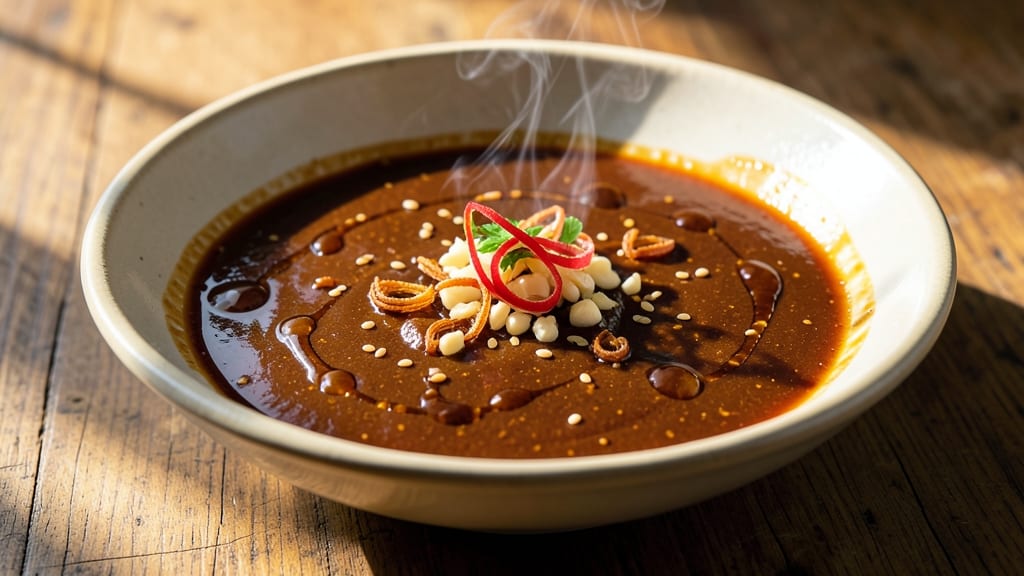
This Asian teriyaki sauce recipe delivers the perfect balance of glossy sweetness and savory umami depth that elevates every dish. The secret lies in a precise blend of soy sauce, mirin, and sugar that simmers into a velvety, sticky consistency—ideal for glazing meats, drizzling over vegetables, or tossing with noodles.
I developed this version after testing countless recipes, ensuring it's foolproof with simple ingredients and clear instructions.
The sauce builds flavor through controlled reduction, where the sugar caramelizes slightly while the soy sauce deepens in richness. A touch of ginger and garlic adds aromatic warmth without overpowering the sweet-savory profile.
What makes this recipe stand out is its versatility—use it immediately for restaurant-quality results or store it for up to two weeks in the refrigerator.
By the time you finish simmering, you'll have a glossy, syrupy sauce that clings beautifully to proteins and vegetables. The texture is perfectly balanced—thick enough to coat but still fluid enough to drizzle. This is the kind of sauce that transforms simple weeknight meals into something special with minimal effort.
Whether you're marinating chicken, glazing salmon, or tossing with stir-fried vegetables, this teriyaki sauce delivers consistent, professional-quality results every time. The recipe includes storage tips to keep it fresh for future use, making it a staple in any home cook's arsenal.
Ingredients for asian teriyaki sauce
Nine essential ingredients transform into velvety teriyaki sauce with umami depth and glossy sweetness.
| Ingredient | Amount | Notes |
|---|---|---|
| Soy Sauce 🍶 | ½ cup | Light or dark variety preferred |
| Mirin 🍶 | ⅓ cup | Sweet cooking rice wine |
| Granulated Sugar 🍚 | ⅓ cup | White or brown preferred |
| Fresh Ginger 🌿 | 1 tbsp | Finely grated, aromatic |
| Garlic Cloves 🧄 | 4 cloves | Minced, aromatic |
| Extra-Virgin Olive Oil 🫒 | 1 tbsp | For balance, fruity |
| Rice Vinegar 🍶 | 1 tbsp | White or seasoned |
| Sesame Oil 🫒 | 1 tsp | Toasted, aromatic |
| Honey 🍯 | 1 tbsp | For depth, optional |
| Diamond Crystal Kosher Salt 🧂 | ½ tsp | Adjusts seasoning |
The foundation of this sauce lies in the quality of your soy sauce and mirin. Japanese brands like Kikkoman for soy sauce and Hirata Shuzou for mirin deliver the most authentic flavor, though Trader Joe's offers solid budget-friendly alternatives. Fresh ginger and garlic are non-negotiable here—their aromatic compounds caramelize beautifully during reduction. For the sugar, organic cane sugar adds subtle molasses notes, but granulated works perfectly fine. The sesame oil is what elevates this from basic teriyaki to restaurant-quality; Kadoya brand is my go-to for its toasted aroma without overpowering bitterness.
No mirin? Dry sherry mixed with 1 tsp sugar mimics its sweetness and acidity. Substituting honey for sugar? Use half the amount—it's more potent. Fresh ginger too spicy? Powdered ginger at one-third the volume works in a pinch. The olive oil and rice vinegar balance the sauce's richness; if you're avoiding oil, extra rice vinegar (up to 1.5 tbsp) keeps the sauce light. For a deeper umami punch, add 1 tsp fish sauce (ensure it's gluten-free if needed). The sauce should coat the back of a spoon but remain pourable—adjust with water or extra mirin as needed.
This sauce peaks in flavor after 24 hours of refrigeration, as the ingredients meld. Store in an airtight container with a thin layer of olive oil on top to preserve freshness for up to 2 weeks. For longer storage, freeze in ice cube trays; thaw overnight in the fridge. The sauce thickens as it cools—always reheat gently on low heat, stirring frequently. A splash of water or mirin restores its glossy consistency. Portion into small jars for easy use in marinades, glazes, or stir-fries.
Why You'll Love This Recipe
- I’ll be real: this sauce comes together with stuff I already have. No fancy ingredients—just soy sauce, a splash of mirin, and a quick grating of ginger. That’s it. The garlic cloves? Minced in 30 seconds while the sauce simmers. Honestly, it’s the kind of recipe that makes me feel like a home cook and a shortcut chef.
- Pantry Magic: I’ll be real: this sauce comes together with stuff I already have. No fancy ingredients—just soy sauce, a splash of mirin, and a quick grating of ginger. That’s it. The garlic cloves? Minced in 30 seconds while the sauce simmers. Honestly, it’s the kind of recipe that makes me feel like a home cook and a shortcut chef.
- Sweet-Savory Balance: The sugar caramelizes just enough to cut through the soy’s saltiness, while the ginger adds this warm, zesty kick. I swear, the first time I tasted it glaze chicken thighs, I nearly licked the pan. It’s that good—sticky, aromatic, with a depth that bottled sauce can’t touch.
- Glaze for Everything: Between us, this sauce is my secret weapon for weeknight dinners. Slather it on grilled salmon, toss it with stir-fried veggies, or drizzle it over rice bowls. Even my picky teenage son asks for it on his plain old toast. (Yes, even on a Tuesday night.) It’s the kind of versatile sauce that turns “what’s for dinner?” into “let’s eat.”
Step-by-step instructions for Asian teriyaki sauce
This method delivers a balanced sauce with perfect sweetness, tang, and umami depth every time.
Bloom Aromatics in Olive Oil
Heat the 1 tablespoon extra-virgin olive oil in a medium saucepan over medium heat. Add the 4 minced garlic cloves and 1 tablespoon finely grated fresh ginger, stirring constantly for 30-45 seconds until fragrant. The garlic should turn golden without browning—this releases their full aromatic potential without bitterness.
Here's the thing—ginger burns faster than garlic, so watch closely. If the mixture darkens too quickly, reduce heat to medium-low immediately. These aromatics form the flavor foundation of your sauce, so proper development is critical. Once fragrant, let them cook for another 30 seconds before proceeding.
Combine Wet Ingredients
Pour in the 0.5 cup soy sauce and 0.33 cup mirin, stirring to deglaze the pan and scrape up any browned bits from the bottom. Add the 0.33 cup granulated sugar and 1 tablespoon rice vinegar, bringing everything to a gentle simmer over medium heat. This combination creates the signature balance of sweet, salty, and acidic notes.
Simmer for 3-4 minutes until the sugar begins to dissolve completely. You'll notice the mixture thicken slightly as the alcohol from the mirin evaporates. This is when the sauce starts developing its characteristic glossy texture. Stir occasionally to prevent sticking—this sauce needs constant attention during the initial reduction phase.
Build Depth and Thickness
Reduce heat to low and add the 1 tablespoon honey and 1 teaspoon sesame oil, stirring continuously. The honey will deepen the sweetness while the sesame oil adds nutty complexity. Simmer for an additional 5-6 minutes, stirring frequently, until the sauce reduces by about one-third and reaches a syrupy consistency that coats the back of a spoon.
This is where patience pays off. The sauce should coat a spoon completely when you lift it out of the pan—this indicates proper thickness. If it reduces too quickly, add 1-2 tablespoons water to maintain balance. The final texture should be glossy with a slight sheen, ready to cling beautifully to proteins or vegetables.
Season and Finish
Remove the sauce from heat and stir in the 0.5 teaspoon diamond crystal kosher salt, tasting immediately to assess seasoning. The balance should be harmonious—sweet without cloying, salty without overpowering, with bright acidity cutting through. If needed, adjust with additional salt or a splash of rice vinegar for proper acidity.
Let the sauce rest for 5 minutes at room temperature before using. This resting period allows flavors to meld completely. The sauce will thicken slightly more as it cools, which is normal. For best results, use immediately over grilled chicken, fish, or vegetables, or store in an airtight container in the refrigerator for up to 1 week—reheat gently before using.
Pro Tips For Making Asian Teriyaki Sauce
- Simmer, Don’t Boil: You’re not making soup—keep the heat at a gentle simmer (tiny bubbles, not a rolling boil). I learned this the hard way when my sauce turned bitter and cloying; high heat burns off the mirin’s delicate sweetness and concentrates the soy into something harsh. Stir often and let it breathe.
- Toast the Ginger: Peel and slice that ginger, then dry-toast it in the pan for 30 seconds before adding liquid. Sounds weird, but it works—it deepens the flavor without making the sauce taste like raw ginger punch. (Yes, even if you’re impatient like me, wait for those edges to turn just slightly golden.)
- Skip the Pre-Mixed Sugar: Granulated sugar dissolves faster than you’d think, but corn syrup or honey can turn your sauce gummy. Use real sugar, and if you’re in a rush, dissolve it in a splash of mirin first—it’ll blend smoother and save you from scraping stubborn clumps off the bottom.
- Balance the Soy First: Taste the raw soy and mirin mix before adding sugar—you’ll often need less sugar than recipes claim. I was skeptical until I tried it: a 1:1 ratio of soy to mirin (with a pinch of sugar) is often enough for a bright, balanced sauce. Adjust after, not before.
Make-ahead tips for this recipe
Batch Prep Strategy
Make a double batch of this teriyaki sauce—it’s perfect for meal prep! Combine all ingredients in a large stainless steel saucepan (I use my All-Clad 3-quart pan) and reduce by half. The extra sauce keeps beautifully for 10-14 days in the fridge, ready for quick weeknight dinners.
Store in amber glass jars to protect from light, which preserves the vibrant color and freshness longer. 💛
Freezer-Friendly Cubes
Portion the sauce into ice cube trays for easy single-use servings. Once frozen, transfer cubes to a ziplock freezer bag and flatten for compact storage. Thaw overnight in the fridge before using—this method prevents freezer burn and keeps the sauce’s glossy texture intact.
Perfect for last-minute marinades or stir-fry glazes! Each cube makes about 2 tablespoons, ideal for drizzling over proteins or veggies. ❄️
Marinade Prep Ahead
Combine ½ cup teriyaki sauce with 1 tablespoon olive oil and 1 tablespoon honey in an airtight container. Toss with chicken thighs or salmon fillets, then marinate for 4-6 hours (or overnight). The sauce’s sweetness tenderizes the meat while the umami penetrates deeply.
I always prep this marinade the night before—it’s a game-changer for weekend grilling! Store leftovers in the fridge for up to 3 days. 🍗
Sauce Thickening Hack
If your sauce thickens too much after refrigeration, simply reheat it in a saucepan with 1-2 tablespoons water or mirin over low heat, stirring constantly. For an instant fix, whisk in ½ teaspoon cornstarch mixed with 1 tablespoon water—simmer for 1 minute until glossy again.
This trick works wonders for restoring the perfect drizzling consistency without altering flavor. 💡
Long-Term Storage
For 3-6 months of storage, transfer the sauce to sterilized canning jars or vacuum-sealed bags. The sauce’s acidity (from rice vinegar and mirin) helps preserve it naturally. Before using, reheat gently on the stovetop or in the microwave at 50% power to avoid curdling.
Label jars with the date—this sauce tastes even better after a few months as flavors deepen! 📅
Nutrition facts
Frequently asked questions
Can I substitute mirin in this teriyaki sauce?
Yes! If you don't have mirin, mix ¼ cup dry sherry with 1 teaspoon sugar to mimic its sweetness and acidity. Alternatively, use ¼ cup white wine vinegar plus 1 tablespoon sugar—both work well for balancing the sauce's sweet-savory profile.
How do I adjust the sweetness level?
Start with the recipe as written, then taste before serving. For less sweetness, reduce sugar by 1 tablespoon and add ½ teaspoon extra rice vinegar to enhance brightness. For more sweetness, add 1 teaspoon honey or ½ teaspoon sugar at the end. The sauce thickens as it cools, so adjustments are easier when warm.
Can I use this sauce for marinades?
For marinades, combine ½ cup teriyaki sauce with 1 tablespoon olive oil and 1 tablespoon honey in an airtight container. Toss with proteins like chicken or salmon, then marinate for 4-6 hours (or overnight). The sauce's sweetness tenderizes meat while the umami penetrates deeply. Store leftovers in the fridge for up to 3 days.
Why did my sauce turn out too thick?
Sauce thickens as it cools—this is normal! To restore consistency, reheat with 1-2 tablespoons water or mirin over low heat, stirring constantly. For an instant fix, whisk in ½ teaspoon cornstarch mixed with 1 tablespoon water and simmer for 1 minute. This trick preserves flavor while restoring the perfect drizzling texture.
How long does homemade teriyaki sauce last?
Store in an airtight container in the fridge for up to 2 weeks, where flavors deepen over time. For longer storage, freeze in ice cube trays—thaw overnight in the fridge before using. The sauce's acidity (from rice vinegar and mirin) helps preserve it naturally. Label jars with the date for tracking freshness!