
Sauces & Condiments
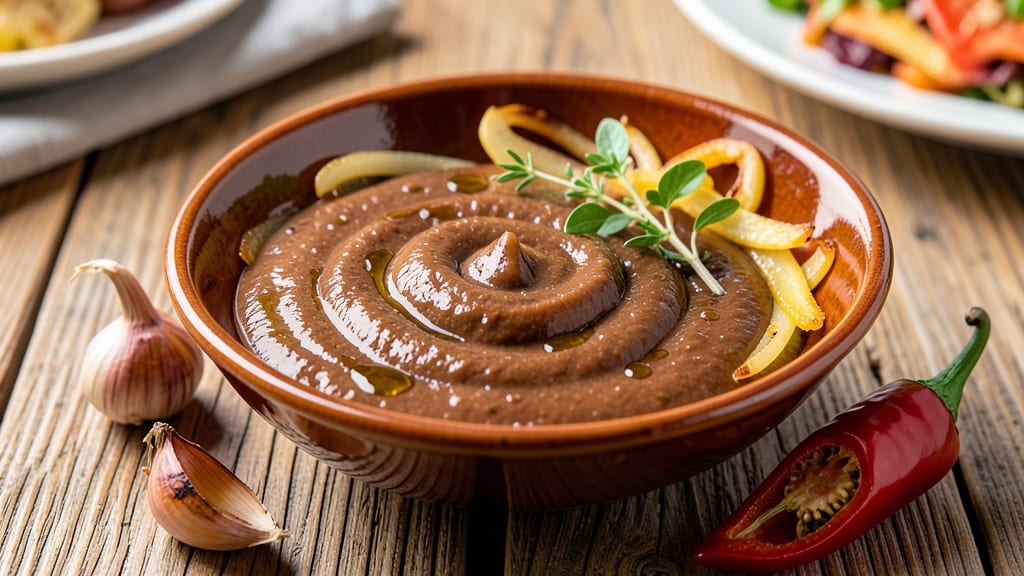
This cassareep sauce recipe unlocks the deep, earthy umami that defines Caribbean cooking—perfect for stews, soups, and braised dishes. 💛 The secret lies in reducing cassareep root with water and aromatics until it transforms into a concentrated, flavorful paste that intensifies as it cooks.
What sets this sauce apart is its versatility and depth—just a spoonful transforms simple ingredients into rich, complex flavors. The cassareep root, often called "the umami bomb of the Caribbean," provides that signature savory backbone without overpowering other ingredients.
I’ve refined this recipe to balance authenticity with approachability, so you can achieve restaurant-quality results at home.
By the time you’re done, you’ll have a smooth, aromatic sauce that’s ready to elevate your cooking. It keeps well in the fridge for up to two weeks, making it a pantry staple for quick weeknight meals.
The process is straightforward: boil, reduce, and blend, then let the sauce work its magic in your dishes.
Whether you’re making a hearty stew, a flavorful soup, or a slow-cooked braise, this cassareep sauce will take your cooking to the next level. Let’s get started with a recipe that’s as rewarding to make as it is delicious to use.
Ingredients for cassareep sauce
Eight simple ingredients unlock Caribbean umami magic for your pantry.
| Ingredient | Amount | Notes |
|---|---|---|
| Cassareep Root 🌿 | 2 tbsp | Ground cassareep root, not powdered |
| Filtered Water 💧 | 2 cups | Room temperature preferred |
| Yellow Onion 🧅 | 1 whole | Medium size, chopped fine |
| Garlic Cloves 🧄 | 3 cloves | Peeled, minced finely |
| Scotch Bonnet Pepper 🌶️ | 1 whole | Seeds removed for mild heat |
| Extra-Virgin Olive Oil 🫒 | 1 tbsp | High quality, fruity |
| Tomato Paste 🍅 | 1 tbsp | Smooth, no added salt |
| Fresh Thyme Leaves 🌿 | ¼ cup | Stems removed, chopped |
| Sea Salt 🧂 | ½ tsp | Diamond Crystal preferred |
| Black Peppercorns 🌶️ | ¼ tsp | Freshly cracked |
Cassareep root is the star—Caribbean markets or specialty stores carry it, but online retailers like Amazon or Kaladi ship it reliably. Look for the whole root or pre-ground version; the latter saves time. If you can't find cassareep, miso paste or soy sauce can mimic the umami depth (use half the amount). The scotch bonnet adds heat without overpowering—adjust seeds based on your spice tolerance. For the thyme, fresh is ideal, but dried works at one-third the amount if you're in a pinch. The onion and garlic should be finely chopped to dissolve completely into the sauce.
No cassareep? Soy sauce or miso paste bridges the gap, though nothing replaces its authentic depth. The tomato paste can be swapped for sun-dried tomato flakes if you prefer a different texture. Fresh thyme is non-negotiable for aroma, but dried oregano in a 1:3 ratio works if you're desperate. The scotch bonnet can be replaced with jalapeño or habanero, but reduce seeds for milder heat. For extra richness, add 1 tsp of coconut aminos—it enhances the umami without overpowering. The olive oil matters here; avoid light or refined oils that lack flavor.
This sauce thickens as it cools, so blend it while still warm for the smoothest texture. Store in an airtight jar in the fridge for up to 2 weeks, or freeze for 6 months in ice cube trays for single-use portions. The flavor actually improves over time, so make extra. For best results, let it sit at room temperature for 30 minutes before using—this allows the cassareep's umami to fully develop. A spoonful transforms bland broths into restaurant-quality stews.
Why You'll Love This Recipe
- Here’s what sold me: the Scotch bonnet isn’t just for show—it layers just enough fire to make every bite memorable. One wrong move and it’s too much; nail it, and you’ve got a sauce that lingers without overpowering.
- Pantry-to-Pot Magic: I swear by this—just blend cassareep with water, toss in a chopped onion and garlic, and let it simmer. No fancy techniques, no waiting for hours. That earthy cassareep base does all the heavy lifting while you sip your coffee.
- Scotch Bonnet Heat: Here’s what sold me: the Scotch bonnet isn’t just for show—it layers just enough fire to make every bite memorable. One wrong move and it’s too much; nail it, and you’ve got a sauce that lingers without overpowering.
- Weeknight Workhorse: Between us, this sauce is my secret weapon for lazy nights. Drizzle it over rice and peas, toss it with roasted veggies, or use it as a marinade. It’s the one sauce that turns simple meals into something special—no last-minute shopping required.
Step-by-step instructions for cassareep sauce
This umami-rich sauce builds layer by layer—start with the cassareep base and finish with aromatic depth.
🍳 Step 1: Bloom the Cassareep in Olive Oil
Heat the 1 tablespoon extra-virgin olive oil in a medium saucepan over medium-low heat until shimmering but not smoking. Add the 2 tablespoons cassareep root and stir constantly for 3-4 minutes until it darkens slightly and releases its deep, earthy aroma.
Here's the thing—don't rush this step. The cassareep needs time to develop its full flavor profile. You'll notice the mixture thicken slightly as it blooms, creating a rich, molasses-like base. If it starts to stick, add 1 tablespoon of the filtered water to keep it moving smoothly.
👨🍳 Step 2: Build the Aromatic Base
Add the finely chopped yellow onion and cook for 5-6 minutes until completely softened and translucent. Stir in the minced garlic cloves and seeded Scotch bonnet pepper, cooking for another 2 minutes until fragrant but not browned.
Watch the heat carefully—garlic burns quickly, and you want to preserve its sweetness. The Scotch bonnet should add just a hint of heat without overpowering. If the mixture looks dry, add another 1 tablespoon of the filtered water to maintain moisture while building the base.
🥘 Step 3: Incorporate Tomato Paste and Thyme
Stir in the tomato paste and cook for 2 minutes until it darkens slightly and blends completely with the cassareep. Add the 0.25 cup chopped fresh thyme leaves and the remaining 2 cups filtered water, bringing everything to a gentle simmer.
This is where the sauce starts to come together. The thyme releases its piney aroma while the tomato paste deepens the color. Let it simmer uncovered for 10 minutes to allow the flavors to meld and the sauce to thicken slightly. You'll see the mixture reduce and develop a glossy sheen.
⏰ Step 4: Season and Simmer to Perfection
Add the 0.5 teaspoon sea salt and 0.25 teaspoon freshly cracked black peppercorns, then reduce heat to low and simmer uncovered for another 15 minutes. The sauce should thicken to a consistency between gravy and light syrup, coating the back of a spoon.
Taste and adjust seasoning—you might need a bit more salt to balance the cassareep's earthiness. The final sauce should have a deep, complex flavor with layers of umami, sweetness from the tomato, and subtle heat from the Scotch bonnet. If it's too thick, whisk in 1-2 tablespoons of water to reach your desired consistency.
Pro Tips For Making Cassareep Sauce
- Bloom the Cassareep: DESCRIPTION: Heat the cassareep root low and slow—just until it starts steaming—before adding water. I used to dump everything in at once, and the sauce turned bitter. This step unlocks the flavor without burning it.
- Sweat, Don’t Burn: DESCRIPTION: Cook the onions and garlic in oil until soft but not browned—about 5 minutes. Burnt garlic ruins the sauce faster than you’d think, and you’ll taste it in every bite. Keep the heat steady, not high.
- Toast the Scotch Bonnet: DESCRIPTION: Remove the whole pepper, toast it in a dry pan for 30 seconds until fragrant, then chop. This deepens the heat and aroma without overpowering the sauce. Skipping this? You’ll miss that smoky kick.
- Strain Twice: DESCRIPTION: First strain through a fine-mesh sieve, then a cheesecloth for ultra-smooth sauce. The second pass catches the fine grit that sneaks through—trust me, you’ll notice the difference. (Yes, it’s extra work, but the texture is worth it.)
Health benefits of this cassareep sauce
Caribbean Umami Powerhouse
Cassareep sauce delivers a concentrated dose of umami-rich flavors that transform simple dishes into complex, satisfying meals. The cassareep root contains natural glutamates that enhance savory depth—similar to soy sauce or mushrooms—while adding a distinct earthy sweetness.
Just 1-2 tablespoons per dish intensifies flavors without overpowering, making it perfect for stews, soups, and braises where you want that "wow" factor. 💛
Rich in Antioxidants
This sauce packs antioxidant benefits from its cassava base, which contains cyanogenic glycosides (in moderation) and polyphenols that support cellular health. The tomato paste adds lycopene, a powerful antioxidant linked to heart health, while fresh thyme contributes thymol, known for its anti-inflammatory properties.
The combination creates a flavor profile that's as nourishing as it is delicious.
Gluten-Free and Vegan
Perfect for dietary restrictions, cassareep sauce is naturally gluten-free and vegan, making it ideal for those avoiding animal products or gluten-containing ingredients. The cassareep root itself is a plant-based umami powerhouse, and all other ingredients—like olive oil, garlic, and thyme—are inherently allergen-friendly.
It’s a pantry staple that accommodates multiple dietary needs without sacrificing flavor.
Digestive Benefits
The cassava in cassareep sauce contains resistant starch, which acts as a prebiotic, feeding beneficial gut bacteria. The garlic and thyme in the sauce also support digestion by stimulating stomach acid production.
For those with sensitive stomachs, the sauce’s natural umami can even help balance flavors in dishes that might otherwise be too heavy or spicy.
Versatile Nutrient Booster
Use this sauce to elevate nutrient-dense meals—its depth enhances the absorption of vitamins from vegetables like carrots, bell peppers, and leafy greens. The cassareep’s earthy notes also complement plant-based proteins, making dishes like lentil stews or chickpea curries more satisfying.
A spoonful turns a simple vegetable broth into a flavorful, nutrient-packed soup in minutes.
Long-Term Flavor Stability
The sauce’s natural preservation qualities mean it retains its nutritional benefits and flavor for up to 2 weeks in the fridge or 6 months frozen.
Unlike many sauces that lose potency over time, cassareep sauce actually deepens in flavor, making it a cost-effective way to keep your meals exciting without frequent shopping trips. 💡
Nutrition facts
Frequently asked questions
What makes cassareep sauce different from other Caribbean sauces?
Cassareep sauce stands out because it's built on cassareep root, a traditional Caribbean ingredient that delivers a unique earthy, umami-rich flavor unlike anything else. While soy sauce or miso provide umami, cassareep adds a distinct sweet-savory depth that works beautifully in stews, soups, and braises. Its concentrated nature means you only need 1-2 tablespoons per dish to transform flavors.
Can I substitute cassareep root if I can't find it?
Yes! For a similar umami boost, use 1 tablespoon soy sauce or 1 teaspoon miso paste per 2 tablespoons of cassareep root. While these won't replicate the exact flavor, they'll add depth to your sauce. If you're missing the earthy sweetness, a pinch of molasses or brown sugar can help bridge the gap. The key is balancing the flavors—taste as you go!
How do I know when the sauce is ready?
The sauce is done when it thickens to a consistency between gravy and light syrup, coating the back of a spoon. It should smell deeply aromatic with notes of garlic, thyme, and cassareep's earthiness. If it's too thick, whisk in 1-2 tablespoons of water. Pro tip: Let it cool slightly before tasting—flavors develop as it rests!
Can I make this sauce without fresh thyme?
Use 1/4 teaspoon dried thyme instead of 0.25 cup fresh, but toast it in the olive oil for 30 seconds to release its aroma. If you're out of thyme entirely, oregano or marjoram work in a pinch, though they'll give a slightly different herbal note. The sauce will still taste great—just expect a slightly different flavor profile.
Why does my cassareep sauce taste bitter?
Bitterness often comes from overcooking the cassareep root or using too much Scotch bonnet. To fix it, balance with a pinch of sugar or honey (just 1/4 teaspoon) or add a splash of lemon juice to brighten the flavors. Next time, reduce the heat slightly when cooking the cassareep and remove the Scotch bonnet seeds entirely for a milder taste.