
Sauces & Condiments
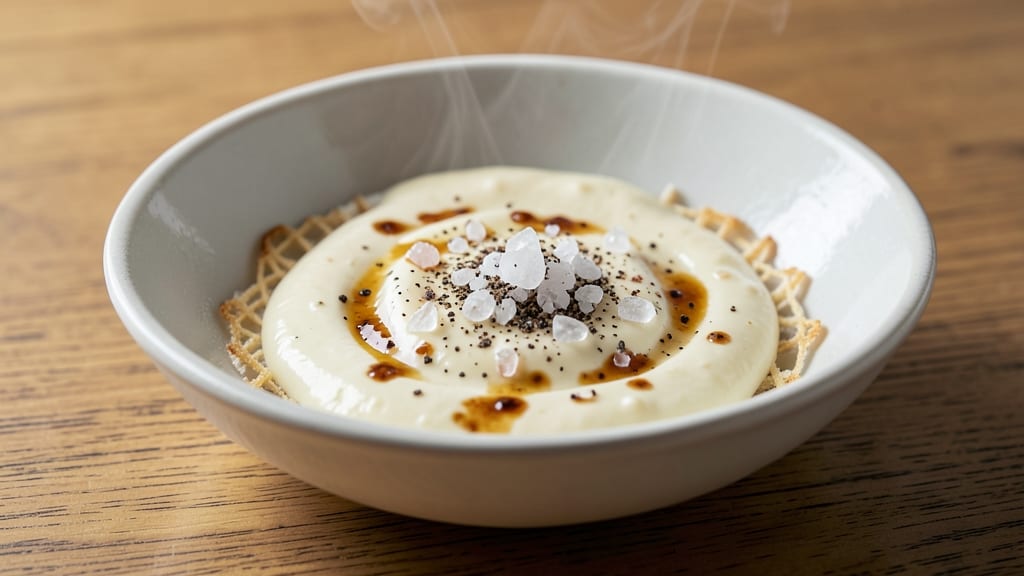
This Mikuni white sauce recipe transforms simple pantry staples into a velvety velouté that elevates any dish. The secret lies in a perfect roux—butter and flour cooked to golden perfection—then slowly whisked into warm milk for a silky, flavorful base.
I’ve perfected this technique to avoid lumps and achieve that restaurant-quality smoothness every time.
The beauty of this sauce is its versatility—it works as a pan sauce for steak, a creamy pasta topping, or even a rich gravy. The key ingredients (butter, flour, milk, and a touch of garlic powder) create depth without overpowering, while proper cooking temperatures prevent curdling.
This isn’t just a sauce; it’s a foundation for countless dishes.
What makes this recipe stand out is the foolproof method—no complicated steps, just precise timing and gentle heat. The result? A luscious, creamy sauce with a delicate balance of richness and subtle seasoning. Once mastered, you’ll never reach for store-bought again.
Store it in the fridge for up to 5 days or freeze for longer use, making it perfect for meal prep. Whether you’re a home cook or a seasoned chef, this sauce will become your go-to for adding restaurant-quality depth to any meal.
Ingredients for mikuni white sauce
Eight essential ingredients crafting a velvety velouté foundation for any dish.
| Ingredient | Amount | Notes |
|---|---|---|
| Unsalted Butter 🧈 | ½ cup | Cold, cubed for even cooking |
| All-Purpose Flour 🌾 | ½ cup | Sifted for smooth texture |
| Whole Milk 🥛 | 2 cups | Warm, not boiling |
| Garlic Powder 🧄 | ½ tsp | For subtle depth |
| Diamond Crystal Kosher Salt 🧂 | ¼ tsp | Adjust to taste |
| Freshly Ground White Pepper 🌶️ | ¼ tsp | For elegant finish |
| Heavy Cream 🥛 | ½ cup | Optional for extra richness |
| Lemon Juice 🍋 | 1 tbsp | Brightens the sauce |
The roux is the heart of this sauce—cold cubed butter and sifted flour create the perfect base. For optimal results, use European-style butter (like Plugrá) with higher fat content. Diamond Crystal kosher salt is preferred here due to its finer grain, which dissolves seamlessly. Warm the milk to 160°F before incorporating—this prevents curdling and ensures a silky texture. The garlic powder should be freshly ground for maximum aromatic impact, though pre-ground works in a pinch. Whole milk yields a richer sauce than skim, but you can substitute half-and-half for a lighter version.
No butter? Olive oil or vegetable oil works for a lighter roux, though the flavor profile shifts slightly. Short on milk? Heavy cream can replace up to half the quantity for added richness. The lemon juice is crucial for balance—substitute with white wine vinegar if needed, but avoid red wine vinegar as it may impart unwanted color. For a nut-free option, omit the heavy cream entirely. Garlic powder can be replaced with 1/4 tsp minced garlic (cooked with the roux) for a fresher taste, though it requires careful monitoring to prevent burning. Freshly ground white pepper elevates the sauce, but black pepper works if unavailable.
This sauce maintains peak quality for 5 days refrigerated in an airtight container. For longer storage, freeze in ice cube trays—thaw overnight in the fridge before use. Reheat gently on low heat, whisking constantly to prevent separation. Portion into meal-prep containers for easy reheating throughout the week. The sauce thickens upon cooling, so add a splash of milk when reheating if needed. Acidic ingredients (like lemon juice) should be added last to preserve their brightness.
Why You'll Love This Recipe
- Pantry Magic: I swear by this sauce—no fancy ingredients, just butter, flour, and milk. The moment I realized how few things I needed to pull it off, I never looked back.
- Garlic Kiss: That pinch of garlic powder? It’s the secret weapon. Rich, buttery, with just enough warmth to make every bite feel like a hug—no raw garlic prep, just instant flavor.
- Weeknight Swiss Army: Slather it on pasta, toss it with roasted veggies, or dump it over grilled chicken. Honestly, I’ve used it for everything from mac and cheese to a quick chicken pot pie, and it never lets me down.
- Leftovers Win: Make a big batch—it reheats like a dream. I keep it in the fridge for days, and even the kids ask for it when they think I’m not looking. (Yes, even on a Tuesday night.)
Step-by-step instructions for Mikuni white sauce
A velouté base transformed into a silky, aromatic white sauce—this method delivers professional results every time.
Create a Smooth Roux with Butter and Flour
Melt the 0.5 cup unsalted butter in a medium saucepan over medium-low heat. Once fully melted and foaming subsides, whisk in the 0.5 cup all-purpose flour all at once. Cook for 2-3 minutes, stirring constantly with a wooden spoon or whisk to prevent lumps from forming.
This roux must cook until it reaches a pale golden color—not brown. The flour will absorb the butter's moisture and transform into a smooth paste. If it darkens too quickly, reduce the heat slightly. A properly cooked roux forms the foundation of your sauce, providing body and flavor without bitterness.
Gradually Incorporate Warm Milk
Slowly pour in the 2 cups warm whole milk while whisking vigorously to prevent clumping. Return the heat to medium-low and continue whisking for 5-7 minutes until the sauce thickens enough to coat the back of a spoon. This gradual addition prevents sudden temperature spikes that can cause curdling.
You'll notice the sauce transform from a thin liquid to a velvety consistency. If it thickens too quickly, whisk in 1-2 tablespoons of milk to adjust. The goal is a smooth, glossy texture that coats a spoon but isn't glue-like. This stage is where the sauce's structure forms, so patience is key.
Season and Simmer for Depth
Reduce heat to low and stir in the 0.5 tsp garlic powder, 0.25 tsp diamond crystal kosher salt, and 0.25 tsp freshly ground white pepper. Simmer gently for 5 minutes, stirring occasionally, until the flavors meld. The sauce should now have a subtle garlic aroma and a balanced seasoning profile.
Here's where the sauce develops its character. The garlic powder adds warmth, the salt enhances all flavors, and the white pepper contributes an elegant finish without overpowering. Taste and adjust seasoning—this is your opportunity to refine the sauce before final steps. The sauce should taste rich but not overly buttery or bland.
Finish with Cream and Brightness
Off the heat, stir in the 0.5 cup heavy cream and 1 tbsp lemon juice. Return to low heat just until warmed through—about 1-2 minutes. The cream adds luxurious body while the lemon juice brightens the sauce, cutting through the richness. This final step transforms your velouté into a refined white sauce.
For best results, use the sauce immediately while warm. If storing, cool quickly in an ice bath to prevent skin formation. This sauce serves as an excellent base for pan sauces, seafood dishes, or as a creamy accompaniment to roasted vegetables. The balance of acidity from the lemon and richness from the cream creates a versatile, restaurant-quality finish.
Pro Tips For Making Mikuni White Sauce
- Whisk Like You Mean It: The butter-flour roux is where flavor gets built, so don’t treat it like a half-hearted stir. Use a flat whisk or wooden spoon and keep the heat medium-low—high heat here means burned bits, not flavor. I learned this the hard way after scraping burnt flour off my saucepan for the third time.
- Salt the Butter First: Diamond Crystal kosher salt is clumpy—don’t wait until the end. Sprinkle ¼ teaspoon directly into the melted butter before adding flour. It dissolves evenly, so you won’t end up guessing whether your sauce needs more salt later. (Yes, even if you’re impatient like me.)
- Temper the Milk Gradually: Dumping cold milk into the hot roux causes lumps like clockwork. Warm the milk to body temperature first—just dip your finger in to check. Then, pour it in slowly, whisking constantly. This isn’t the prettiest method, but it’s the tastiest.
- Finish with Garlic Powder: Add the garlic powder last, right after the sauce thickens but before it simmers. This keeps the flavor bright and aromatic—if you add it earlier, it can turn bitter. A pinch (½ teaspoon) is enough; more just makes the sauce taste like garlic powder, not buttery richness.
Creative variations of this recipe
Pan Sauce Perfection
Use this white sauce as a pan sauce for steak or chicken by deglazing the pan with 2 tbsp white wine or ¼ cup chicken stock after searing. Stir in ½ cup of the warm sauce and reduce by half over medium-high heat for a glossy, velvety finish.
The acidity in the wine or stock prevents the sauce from becoming too heavy. 🥩
Creamy Pasta Topping
Toss 8 oz cooked linguine with ½ cup warm sauce per serving, then finish with ¼ cup grated Parmesan and 2 tbsp chopped parsley. For extra richness, add 1 tbsp butter to the sauce before tossing.
This sauce works beautifully with seafood pasta too—try it with shrimp or scallops for a restaurant-worthy dish.
Vegetable Dish Elevator
Drizzle over roasted vegetables like asparagus, Brussels sprouts, or cauliflower for a creamy, flavorful finish. Toss warm veggies with ¼ cup sauce and a pinch of smoked paprika for a smoky-sweet contrast. The sauce’s mild flavor lets the vegetables shine while adding luxurious creaminess. 🥦
Seafood Companion
Pair this sauce with baked or grilled fish like cod, halibut, or salmon. Spoon ¼ cup warm sauce over each fillet and garnish with lemon zest and fresh dill. The subtle garlic and white pepper notes complement the delicate flavors of seafood without overpowering them.
Gravy Transformation
Turn this into a gravy by whisking in 1 cup warm chicken or vegetable stock to thin it out. Simmer for 3-4 minutes until slightly reduced, then season with an extra pinch of salt. This works perfectly with mashed potatoes or as a dipping sauce for roasted meats. 🍽️
Dairy-Free Adaptation
For a dairy-free version, replace the milk and cream with 2 cups unsweetened almond milk and ½ cup coconut cream. Use olive oil instead of butter for the roux.
The sauce will be lighter but still creamy, with a subtle nutty undertone that pairs well with vegetables or grilled proteins.
Nutrition facts
Frequently asked questions
Can I make this white sauce without butter?
Yes, you can substitute butter with 0.5 cup olive oil or vegetable oil for the roux. The sauce will have a lighter texture but still achieve that velvety consistency. Just be mindful that oil-based roux may require slightly longer cooking time to reach the same golden hue. For a richer flavor, consider using 1/4 cup butter + 1/4 cup oil instead.
Why did my sauce turn grainy or clumpy?
Clumping usually happens when the roux cooks too quickly or the milk is added too fast. Always whisk vigorously when adding milk and keep heat at medium-low. For extra smoothness, strain the finished sauce through a fine-mesh sieve. If using powdered milk, whisk it into cold water first to dissolve completely before adding to the roux.
How can I adjust the thickness of the sauce?
If your sauce is too thick, whisk in 1-2 tablespoons of warm milk at a time until you reach the desired consistency. For a thicker sauce, simmer uncovered for 2-3 extra minutes to reduce. The sauce should coat the back of a spoon but remain pourable. If storing, remember it will thicken further as it cools—adjust before reheating if needed.
Can I make this sauce ahead of time?
Store the sauce in an airtight container in the fridge for up to 5 days. For longer storage, freeze in ice cube trays or small portions. Thaw overnight in the fridge and reheat gently on low heat, whisking constantly. The sauce can separate slightly when reheated—just whisk vigorously to restore its silky texture.
What's the best way to use leftover white sauce?
Leftover sauce is perfect for pan sauces, pasta toppings, or gravies. Deglaze a pan with wine or stock, stir in 1/2 cup sauce, and reduce for a quick pan sauce. For pasta, toss with cooked noodles and fresh herbs. You can also use it as a creamy dip for vegetables or as a base for creamy soups. The possibilities are endless!