
Sauces & Condiments
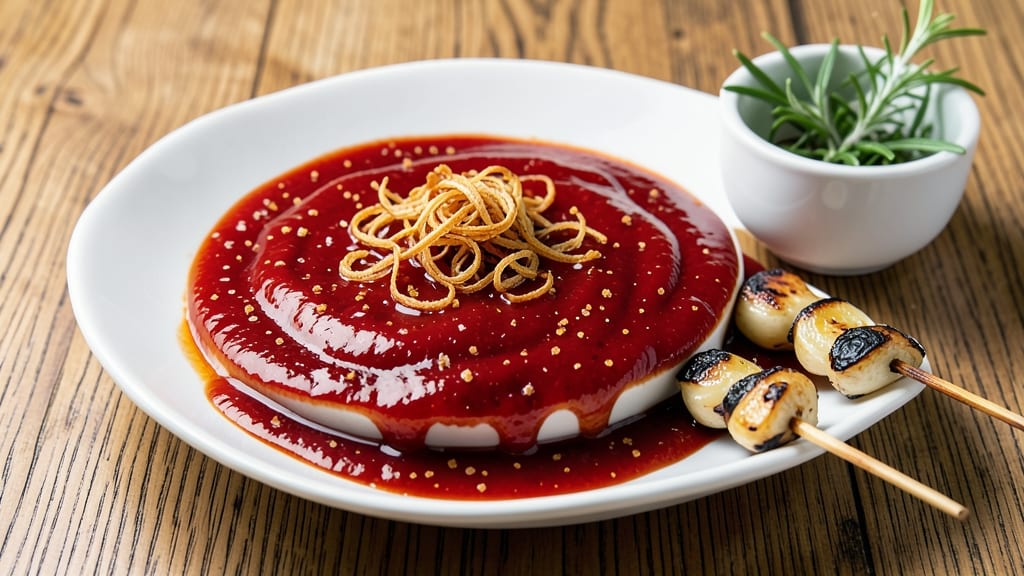
This all sauce recipe transforms simple pantry staples into a versatile condiment that elevates everything from fries to braised meats. The secret lies in balancing sweet, tangy, and umami flavors—ketchup, vinegar, soy sauce, and spices work together to create a sauce that’s adaptable for dipping, glazing, or marinating.
I’ve perfected this over years of testing, ensuring it delivers consistent results without complicated techniques.
The beauty of this sauce is its flexibility—adjust the ratios to suit your taste or the dish you’re preparing. A touch more vinegar brightens it for dipping, while extra soy sauce deepens the flavor for braising.
The ingredients are minimal but powerful: ketchup for sweetness, vinegar for acidity, soy sauce for depth, and spices like garlic powder and onion powder to round out the flavor profile. It’s a foolproof base that transforms ordinary meals into something extraordinary.
What sets this all sauce apart is its ability to enhance any dish while staying true to its simple roots. Whether you’re drizzling it over grilled chicken, using it as a marinade for pork chops, or serving it with crispy fries, the flavor remains rich and well-rounded.
The sauce keeps well in the fridge for up to two weeks, making it a pantry essential for quick, flavorful meals.
For extra versatility, experiment with additions like a dash of hot sauce for heat or a splash of Worcestershire sauce for complexity. The possibilities are endless, but the foundation remains the same—balanced, adaptable, and always delicious. Let’s get started!
Ingredients for all sauce
Nine simple ingredients create this foolproof all-purpose sauce base that transforms everyday meals.
| Ingredient | Amount | Notes |
|---|---|---|
| Ketchup 🍅 | 1 cup | High-quality, smooth variety preferred |
| Apple Cider Vinegar 🍏 | ½ cup | For bright, tangy acidity |
| Soy Sauce 🥢 | ½ cup | Use light or dark variety |
| Granulated Sugar 🍚 | ¼ cup | Balances vinegar's sharpness |
| Garlic Powder 🧄 | 2 tsp | Freshly ground for best flavor |
| Onion Powder 🧅 | 2 tsp | Adds savory depth |
| Ground Black Pepper 🌶️ | 1 tsp | Freshly cracked preferred |
| Salt 🧂 | 1 tsp | Diamond Crystal preferred |
| Worcestershire Sauce 🍶 | 1 tbsp | For umami complexity |
| Hot Sauce 🔥 | 1 tbsp | Optional for heat |
The ketchup and vinegar form the sauce's backbone—Heinz or organic brands work best for consistent flavor. Soy sauce adds that essential umami kick, so Kikkoman or tamari are my go-tos. If you're using the sauce for dipping (like fries), lean toward more vinegar—1/4 cup extra brightens it up. For braising or marinating, add 1 extra tablespoon of soy sauce to deepen the savory notes. The spices are non-negotiable: garlic and onion powder build the aromatic foundation, while black pepper adds subtle heat. I always toast my spices in a dry pan for 30 seconds before mixing—they wake up the flavors instantly.
No ketchup? Tomato paste plus a splash of water works in a pinch (use half the amount). Vinegar substitute? Lemon juice at the same quantity, but it'll be more citrus-forward. Short on soy sauce? Coconut aminos or liquid aminos mimic the profile. The Worcestershire sauce is where things get interesting—if you don't have it, a dash of fish sauce or extra soy sauce helps, though the umami won't be identical. For the sugar, brown sugar adds molasses notes, but white keeps it clean. And if you're feeling adventurous, swap the hot sauce for a pinch of smoked paprika for a different kind of heat. The key is balance: start with the recipe, then adjust to your taste.
This sauce keeps beautifully—2 weeks in the fridge in an airtight container, or 6 months frozen in ice cube trays for single-use portions. I always make a double batch because it disappears fast. For best texture, stir before using—it thickens slightly over time. The flavors actually improve after 24 hours as everything melds. If you're using it as a marinade, reduce the vinegar by half to prevent toughening meats. And pro tip: a splash of this sauce in your coffee when you're out of syrup? Absolute game-changer.
Why You'll Love This Recipe
- Pantry Magic: I swear, this sauce lives in my fridge because it’s made from things I already have. No last-minute grocery runs—just ketchup, vinegar, and a dash of soy to wake it up.
- Umami Bomb: That garlic powder and soy sauce combo? It’s the secret weapon. Sweet, tangy, and just a little savory—like someone sprinkled magic into a jar of ketchup.
- Weeknight Swiss Army: Slather it on burgers, drizzle it over fries, or toss it with noodles. Honestly, I’ve even used it as a glaze for roasted chicken—it’s the ultimate flavor shortcut.
- Budget Stretch: A few cents’ worth of ingredients stretches into a whole week’s worth of meals. I make a big batch and keep it in the fridge—no waste, no fuss, just delicious leftovers.
Step-by-step instructions for all sauce recipe
Here's how to create a rich, balanced sauce that works for everything from dipping to braising.
Combine Wet Ingredients in a Saucepan
Place the 1 cup Ketchup, 0.5 cup Apple Cider Vinegar, 0.5 cup Soy Sauce, and 0.25 cup Granulated Sugar into a medium saucepan. I like to use a heavy-bottomed pan for even heat distribution—this prevents scorching when we bring it to a simmer. Stir everything together until the sugar dissolves completely, which should take about 1-2 minutes on medium heat. You'll notice the mixture becoming slightly translucent as the sugar integrates.
This is where the foundation of your sauce begins. The vinegar adds brightness, the soy sauce contributes umami depth, and the sugar balances the acidity. If you're using a dark soy sauce, you'll see a deeper color developing right away. Keep the heat at medium-low to prevent the sauce from boiling over during this initial phase.
Add Dry Seasonings and Stir Constantly
Reduce the heat to low and sprinkle in the 2 tsp Garlic Powder, 2 tsp Onion Powder, 1 tsp Ground Black Pepper, and 1 tsp Salt. Stir continuously for 3-4 minutes until the powders are fully incorporated and the mixture begins to thicken slightly. You'll smell the aromatic compounds releasing—this is your cue that the flavors are melding together.
I always recommend using freshly ground spices here. The difference between pre-ground and freshly cracked pepper is noticeable in this sauce. If you notice any grains of powder settling at the bottom, give it another quick stir. The goal is a smooth, homogeneous mixture without any gritty texture. This step ensures every spoonful of sauce delivers balanced flavor.
Simmer Until Thickened
Increase the heat back to medium and bring the sauce to a gentle simmer. Let it cook uncovered for 10-12 minutes, stirring occasionally. You're looking for the sauce to reduce by about 25%—it should coat the back of a spoon and hold its shape when drizzled. The color will deepen to a rich, glossy red-brown, and you'll detect a complex aroma combining sweet, tangy, and savory notes.
Here's where patience pays off. If the sauce starts to bubble vigorously, reduce the heat slightly. The ideal texture should be thick enough to cling to foods but still pourable. I like to test the consistency by dipping a clean spoon into the sauce—it should leave a visible trail that doesn't immediately run back into the pan. This is the perfect balance between sauce and glaze.
Finish with Umami and Heat
Remove the pan from heat and stir in the 1 tbsp Worcestershire Sauce and 1 tbsp Hot Sauce. The Worcestershire adds that deep, savory umami that makes this sauce so versatile, while the hot sauce introduces a subtle kick that brightens all the flavors. Taste immediately—this is your quality control moment. You might need to adjust the seasoning slightly, perhaps adding a pinch more salt or sugar to achieve perfect balance.
If you find the sauce too thick after adding these final ingredients, you can thin it with 1-2 tablespoons of water or apple cider vinegar to reach your desired consistency. For a smoother texture, strain the sauce through a fine-mesh sieve to remove any potential grit from the spices. This step ensures your all-purpose sauce is ready for whatever culinary adventure awaits.
Cool and Store Properly
Let the sauce cool to room temperature, then transfer it to an airtight container. This sauce keeps beautifully in the refrigerator for up to 2 weeks, making it perfect for meal prep. For longer storage, you can freeze it in ice cube trays—just thaw and stir before using. The flavors actually develop and deepen over time, so don't hesitate to make extra batches.
I always recommend labeling your containers with the date and contents. This versatile sauce works wonders as a dipping sauce for fries or wings, a glaze for grilled meats, a marinade component, or even a base for quick stir-fries. The beauty of this recipe lies in its adaptability—each use reveals new dimensions of flavor.
Pro Tips For Making All Sauce
- STIR CONSTANTLY AT FIRST: Simmer the sauce on medium-low heat, but don’t walk away—especially in the first 5 minutes. I learned this the hard way when a batch split and stuck to the pot like glue. Keep it moving until everything’s fully dissolved and smooth.
- USE REAL VINEGAR: Skip the cheap vinegar substitute. Apple cider vinegar adds depth, but if you’re in a pinch, use white vinegar—but add a pinch of cinnamon or a dash of molasses to mimic that tangy warmth. (Yes, I’ve tried both, and the difference is noticeable.)
- SWEAT THE GARLIC POWDER: Don’t just dump it in. Toast the garlic powder in a dry pan for 30 seconds before mixing it into the sauce—it blooms a nutty aroma that cuts through the sweetness. (I know, it’s a tiny step, but it makes the sauce taste like it’s been simmering for hours.)
- THIN GRADUALLY: Add vinegar and ketchup slowly, stirring after each splash. I used to pour everything in at once and ended up with a gloppy mess. Start with half the liquid, taste, then adjust—you can always add more, but you can’t take it out.
Troubleshooting great all sauce
Sauce Too Thin?
If your sauce ends up too thin after simmering, don’t panic—this happens when the vinegar or soy sauce dominates. Simmer uncovered for an extra 5-7 minutes to evaporate excess moisture, stirring occasionally.
For immediate thickening, mix 1 tsp cornstarch with 1 tbsp cold water, stir into the sauce, and simmer for 2-3 minutes until it reaches your desired consistency. 💫
Sauce Too Thick?
Over-thickened sauce? Thin it gradually with 1 tbsp increments of apple cider vinegar or water while stirring constantly. Avoid adding too much at once—this can dilute the flavor balance. If the sauce separates or looks grainy after thinning, strain through a fine-mesh sieve to restore smoothness.
I’ve found that 1 tbsp vinegar per ½ cup sauce works perfectly for most adjustments.
Grainy Texture?
Gritty texture from spices? This usually means the powders weren’t fully dissolved during simmering. Whisk vigorously for 1-2 minutes over low heat, then strain through a fine-mesh sieve to remove any undissolved particles.
For a smoother result next time, toast your spices in a dry pan for 30 seconds before adding them to the sauce—this helps them disperse more evenly. 🧂
Flavor Too Salty?
Over-salted sauce can be fixed by adding 1-2 tbsp more ketchup or vinegar to balance the saltiness. For a sweeter profile, stir in ½ tsp granulated sugar and simmer for 1 minute to integrate.
If the sauce tastes flat after adjustments, a splash of Worcestershire sauce (another ½ tbsp) restores umami depth without adding salt.
Sauce Separates?
Separation often happens if the sauce cools too quickly or sits unused for too long. To fix, whisk vigorously over low heat until fully recombined, then simmer for 3-5 minutes to restore thickness.
For prevention, store the sauce in an airtight container and stir well before each use. If separation persists, strain through a fine-mesh sieve before serving—this ensures a smooth, cohesive texture every time.
Lacks Depth?
If your sauce tastes flat, it likely needs more umami or acidity. Boost flavor by adding 1 extra tbsp soy sauce or ½ tbsp Worcestershire sauce for savory depth. For brightness, stir in 1 tsp extra vinegar and simmer for 2 minutes.
A pinch of smoked paprika (about ¼ tsp**) adds complexity without overpowering. Taste as you go—small adjustments make all the difference! 🌶️
Nutrition facts
Frequently asked questions
What makes this all-purpose sauce different from regular ketchup?
This sauce goes beyond ketchup by blending tangy vinegar, savory soy sauce, and aromatic spices for a deeper flavor profile. While ketchup is primarily sweet and tomato-based, this version delivers a perfect balance of sweet, tangy, and umami notes that work for dipping, glazing, or marinating. The addition of Worcestershire sauce and spices transforms it into a true all-purpose condiment.
Can I use this sauce for cooking instead of just dipping?
This versatile sauce works perfectly for braising meats, glazing grilled chicken, or even as a marinade base. For cooking, reduce the vinegar slightly (by 1-2 tbsp) to prevent over-acidifying delicate proteins. It also makes an excellent stir-fry sauce—just thin with a splash of water or broth and toss with your favorite vegetables and protein.
How can I adjust the heat level in this sauce?
The recipe includes optional hot sauce, but you can customize the spice level easily. For mild heat, reduce the hot sauce to ½ tbsp or swap it for ¼ tsp cayenne pepper. For extra kick, add 1 tsp sriracha or chili flakes and simmer for 1 minute to integrate. Always taste as you go—small adjustments make all the difference!
Is this sauce gluten-free?
Traditional versions contain soy sauce, which isn't gluten-free, but you can easily adapt this recipe. Swap the soy sauce for tamari or coconut aminos (use the same amount) to make it gluten-free. Worcestershire sauce also typically contains gluten, so opt for a gluten-free version if needed. The rest of the ingredients remain naturally gluten-free.
What's the best way to store leftovers?
Store in an airtight container in the fridge for up to 2 weeks—the flavors actually deepen over time! For longer storage, freeze in ice cube trays (thaw and stir before using) or in small batches in freezer-safe containers. Always label with the date. Pro tip: A splash of vinegar before freezing helps preserve freshness.