
Sauces & Condiments
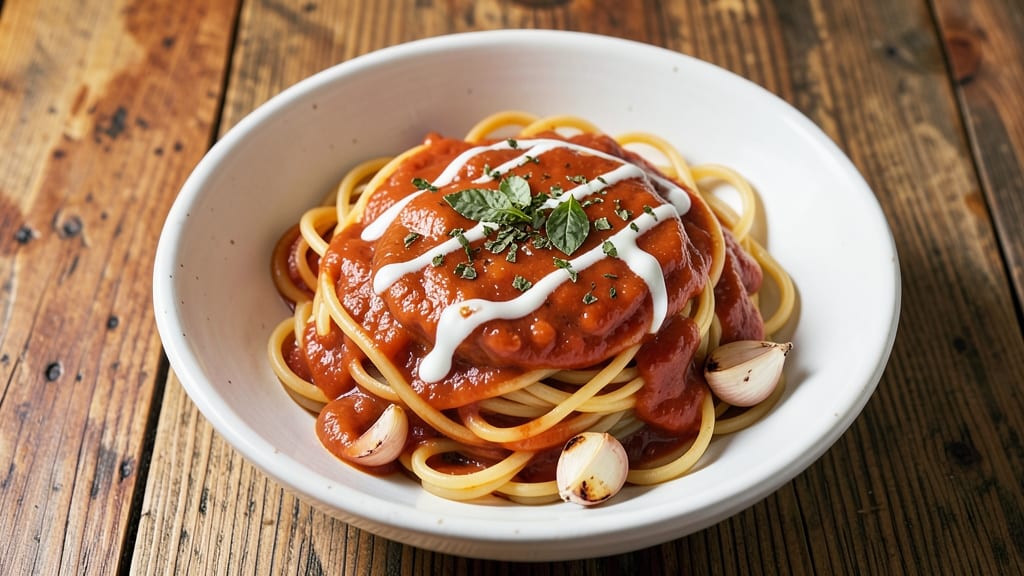
This Campbell's tomato soup and spaghetti sauce recipe transforms pantry staples into a hearty, one-pot pasta dish that’s ready in under 30 minutes. The secret lies in balancing the rich, tangy flavors of both cans—creating a sauce that’s deeper than either could be alone.
I developed this after realizing how often I reached for both in the same meal, and the result? A comforting, restaurant-worthy dish that’s foolproof for weeknights or meal prep.
The beauty of this recipe is its simplicity: just five core ingredients (plus pasta) come together without fancy techniques. The tomato soup adds natural sweetness and acidity, while the spaghetti sauce provides a robust, meaty depth.
A splash of cream or milk at the end elevates it to creamy perfection, but it’s just as satisfying on its own. Perfect for feeding a family, doubling for leftovers, or scaling down for two.
What you’ll end up with is tender pasta coated in a smooth, velvety sauce that’s neither too sweet nor too tangy—just perfectly balanced. The aroma alone will have everyone at the table, and the texture is ideal: al dente pasta with a clingy, flavorful sauce that doesn’t turn mushy.
Garnish with fresh basil or parmesan for a touch of brightness, or keep it classic with a sprinkle of red pepper flakes.
This dish is versatile enough for any occasion—serve it as a main course with garlic bread, or pair it with grilled chicken for a complete meal. The best part? It’s a great way to use up pantry staples without sacrificing flavor. Let’s get cooking!
Ingredients for campbell's tomato soup spaghetti sauce
Five pantry staples plus pasta—this one-pot wonder transforms canned classics into restaurant-quality comfort.
| Ingredient | Amount | Notes |
|---|---|---|
| Campbell's Tomato Soup (Condensed) 🍅 | 1 can | 10.5 oz can, unsweetened |
| Campbell's Spaghetti Sauce (Condensed) 🍅 | 1 can | 15 oz can, traditional |
| Spaghetti 🍝 | 12 oz | Dry, medium or spaghetti |
| Heavy Cream 🥛 | ½ cup | Full-fat for richness |
| Garlic Cloves 🧄 | 2 cloves | Minced for aroma |
| Dried Basil 🌿 | 1 tsp | Or 1 tbsp fresh |
| Salt 🧂 | ½ tsp | Kosher or sea salt |
| Black Pepper 🌶️ | ¼ tsp | Freshly ground preferred |
| Grated Parmesan Cheese 🧀 | ¼ cup | Freshly grated, optional garnish |
| Butter 🧈 | 1 tbsp | Unsalted, for pasta |
| Olive Oil 🫒 | 1 tbsp | For sauce richness |
The Campbell's cans are the stars here—grab the classic tomato soup and traditional spaghetti sauce from any grocery store. The tomato soup adds that bright acidity, while the spaghetti sauce brings deep, meaty flavor. Check the labels: unsweetened tomato soup ensures no cloying sweetness, and traditional spaghetti sauce has that familiar, robust taste. If you're using low-sodium versions, add a pinch of salt at the end. For the pasta, Barilla or De Cecco are my go-tos—they cook evenly and hold up well to the sauce. Spaghetti works perfectly, but medium or rigatoni are great swaps too.
No heavy cream? Half-and-half or whole milk works in a pinch, though the texture won't be as rich. Fresh basil is ideal, but dried basil at one-third the amount gets you close. Want extra depth? Add a splash of red wine (2 tbsp) when combining the cans—it cuts through the sweetness beautifully. The garlic is non-negotiable for aroma, but if you're short on time, garlic powder at half the amount works. For a meatier flavor, stir in 1 tbsp tomato paste with the cans before heating. And if you're feeling fancy, a pinch of red pepper flakes adds a subtle kick without overpowering.
This sauce gets better as it sits—double or triple the batch for easy leftovers. Store in an airtight container in the fridge for 4-5 days or freeze for 3 months. The pasta reheats beautifully, though I prefer to serve it fresh. For meal prep, cook the pasta separately and toss it with the cooled sauce—it reheats like a dream. Garnish with Parmesan right before serving, or keep it simple with a drizzle of olive oil and extra black pepper. The aroma alone will have everyone rushing to the table.
Why You'll Love This Recipe
- Pantry Magic: I swear by this one when I’ve got nothing but a can of soup and a jar of sauce. No fresh herbs, no fancy prep—just open, mix, simmer. The garlic cloves get tossed in whole, then minced right in the pot, so you’re not even chopping.
- Creamy Tomato Bomb: That heavy cream swirled into the tomato-spaghetti sauce? It’s like a hug for your taste buds. Rich but not heavy, sweet but not cloying—it’s the kind of dish that makes you go back for seconds without even thinking.
- Leftover Goldmine: Between us, this sauce begs to be made in bulk. Freezes like a dream, reheats perfectly, and still tastes fresh days later. I’ve fed a crowd with it, used it for lazy weeknight dinners, and even drizzled it over grilled cheese.
- Budget Night Hero: Honestly, it’s my go-to when I’m broke but still want to eat well. Two cans, a box of pasta, and a splash of cream—it’s cheaper than takeout but way more satisfying. Plus, the kids won’t even realize it’s “cheap” food.
Step-by-step instructions for Campbell's tomato soup and spaghetti sauce recipe
This one-pot wonder combines pantry staples into a rich, flavorful meal with minimal effort.
Cook the Spaghetti in the Sauce Base
In a large pot, combine the 1 can Campbell's Tomato Soup (Condensed) and 1 can Campbell's Spaghetti Sauce (Condensed). Stir well to create a smooth sauce base. Bring the mixture to a gentle boil over medium-high heat—you'll hear the sauce bubble and thicken slightly. Add the 12 oz Spaghetti and stir to coat each strand completely in the sauce.
Once boiling, reduce heat to medium-low and let the pasta simmer for 12-14 minutes, stirring occasionally. The pasta should absorb the sauce gradually, creating a creamy consistency. Taste the sauce after 10 minutes—if it's too thin, simmer uncovered for another 1-2 minutes to reduce slightly. The goal is a thick, clingy sauce that coats the noodles perfectly.
Build Flavor with Aromatics and Seasonings
While the pasta cooks, mince the 2 cloves Garlic Cloves using a knife or garlic press. In a small bowl, whisk together the 0.5 tsp Salt, 0.25 tsp Black Pepper, and 1 tsp Dried Basil. Once the pasta has cooked for 10 minutes, add the minced garlic to the pot and stir for 30 seconds until fragrant—this prevents it from burning while infusing flavor.
Next, stir in the garlic-basil-salt mixture and let it simmer for 2 minutes to meld with the sauce. The garlic should soften slightly but remain visible. This step elevates the simple canned sauces by adding depth and complexity. Taste again and adjust seasoning if needed—this is where you can compensate for any blandness in the pantry staples.
Finish with Cream and Butter for Richness
Reduce heat to low and stir in the 1 tbsp Butter and 1 tbsp Olive Oil. Let them melt completely, then gradually whisk in the 0.5 cup Heavy Cream. The sauce will thicken noticeably as the cream incorporates. Simmer for 3-4 minutes until the cream is fully integrated and the sauce reaches your desired consistency—it should coat the back of a spoon smoothly.
During this time, the butter and olive oil add a velvety texture while the cream introduces a subtle tang that balances the tomato acidity. If the sauce becomes too thick, add 2-3 tablespoons of water to loosen it. The goal is a sauce that clings to the pasta without being gluey. Remove from heat once the cream is fully incorporated.
Serve with Parmesan and Fresh Basil
Transfer the pasta to serving bowls and immediately sprinkle each portion with 0.25 cup Grated Parmesan Cheese. The cheese should melt slightly from the residual heat, creating a savory topping. For an optional garnish, add a few leaves of fresh basil if available—this introduces a bright contrast to the rich tomato sauce.
Serve immediately while the pasta is hot. The combination of creamy tomato sauce, al dente spaghetti, and sharp parmesan creates a satisfying meal that feels restaurant-quality. The dish pairs well with a simple green salad or crusty bread to soak up any remaining sauce. Each bite delivers a balance of acidity, creaminess, and umami that makes this pantry recipe surprisingly sophisticated.
Pro Tips For Making Campbell'S Tomato Soup Spaghetti Sauce
- SAUTÉ GARLIC UNTIL GOLDEN: I learned this the hard way—when I just minced the garlic and tossed it in, the sauce ended up tasting raw and bitter. For this recipe, cook the garlic in a little olive oil over medium heat until it’s just golden (about 2-3 minutes), then add the condensed soups. That deepens the flavor without burning it.
- STIR IN CREAM LAST: Heavy cream curdles fast when it hits hot liquid, and this sauce is already simmering. After combining the tomato and spaghetti sauces, remove the pot from heat, let it cool for 2 minutes, then whisk in the cream. The sauce will thicken beautifully without breaking.
- SKIP THE SALT BOMB: Both Campbell’s soups are already packed with salt—taste before adding extra. If you’re using low-sodium versions, a pinch of black pepper or a splash of red wine vinegar brightens the sauce better than salt ever could. Trust me, you’ll regret overdoing it.
- UPGRADE WITH A SPLASH OF WATER: This isn’t a fancy recipe, but if you want richer texture, thin the condensed sauces with ¼ cup water before simmering. It prevents the sauce from getting too thick and gluey when cooking with the spaghetti—especially if you’re making a big batch.
Pro cooking tips for great campbell's tomato soup spaghetti sauce
Simmering Secrets
Let the pasta cook in the sauce—not traditional boiling water—to create a thicker, more flavorful result. The canned tomato soup and spaghetti sauce release their flavors more efficiently when simmered together. I use a large, heavy-bottomed pot (like my All-Clad Stainless Steel) to prevent scorching.
Stir every 2-3 minutes during the first 10 minutes of cooking to ensure even distribution and prevent sticking. 🌡️
Garlic Timing
Add the minced garlic only after the pasta has cooked for 10 minutes—this prevents it from burning while still infusing the sauce with its aromatic depth. If you're short on time, use garlic powder (½ tsp) but add it 1 minute before the end of cooking to avoid bitterness.
For extra punch, I sometimes add ½ tsp onion powder with the garlic—it rounds out the tomato flavors beautifully.
Creamy Perfection
Temper the heavy cream by gradually whisking it into the warm sauce over low heat—this prevents curdling. If the sauce separates, immediately whisk in 1 tsp cold water to stabilize it. For a lighter version, substitute half-and-half or whole milk, but expect a slightly thinner texture.
I always finish with 1 tbsp butter to add richness and help the sauce cling to the pasta. ✨
Sauce Consistency
If your sauce is too thin after simmering, uncover the pot and cook for 1-2 extra minutes to reduce. For a thicker sauce, mash 2-3 cooked pasta pieces into the sauce with a fork—this releases starch and binds the mixture.
Avoid over-stirring, as this can turn the sauce gluey. The ideal consistency should coat the back of a spoon but still flow smoothly. 💫
Pantry Swaps
No heavy cream? Use ½ cup Greek yogurt for tanginess or ¼ cup sour cream for creaminess. For a vegetarian boost, stir in 1 tbsp nutritional yeast with the cream—it adds a cheesy depth.
If your spaghetti sauce is too sweet, balance it with 1 tsp balsamic vinegar or a pinch of cayenne pepper. These swaps keep the dish flexible without sacrificing flavor. 🔥
Make-Ahead Magic
Cook the sauce without the pasta and store it in an airtight container for up to 5 days in the fridge. When ready to serve, reheat the sauce on medium-low heat, then toss in freshly cooked pasta.
For freezing, cool the sauce completely before transferring to freezer-safe bags—it keeps for 3 months. The pasta reheats beautifully, though I prefer serving it fresh for the best texture. ❄️
Nutrition facts
Frequently asked questions
Can I use this recipe with other pasta shapes?
While spaghetti works perfectly, this recipe adapts well to medium or rigatoni—the creamy sauce clings beautifully to their ridges. For smaller shapes like penne or farfalle, reduce the cooking time by 1-2 minutes to prevent mushiness. The sauce's thickness makes it ideal for any short or medium pasta.
What if I don't have heavy cream?
No problem! Use ½ cup Greek yogurt for tangy creaminess or ¼ cup sour cream for richness. For a lighter option, try half-and-half or whole milk, though the sauce will be slightly thinner. The key is to add it gradually while simmering to prevent curdling.
Can I make this dish ahead of time?
Yes, but with a twist! Cook the sauce without the pasta and store it in an airtight container for up to 5 days in the fridge. When ready to serve, reheat the sauce on medium-low heat and toss in freshly cooked pasta. For freezing, cool the sauce completely before transferring to freezer-safe bags—it keeps for 3 months.
Why does my sauce get too thick?
This happens when the pasta releases too much starch. To fix it, whisk in 2-3 tablespoons of water or broth while heating. For prevention, stir the pasta frequently during the first 10 minutes of cooking. If you prefer a thicker sauce, mash 2-3 cooked pasta pieces into the sauce to bind it naturally.
Can I add meat to this recipe?
Certainly! Brown ½ lb ground beef or Italian sausage in a pan before adding to the sauce, or stir in ½ cup cooked diced ham at the end. For a vegetarian option, add 1 tbsp tomato paste with the cans for extra depth. Just