
Sauces & Condiments
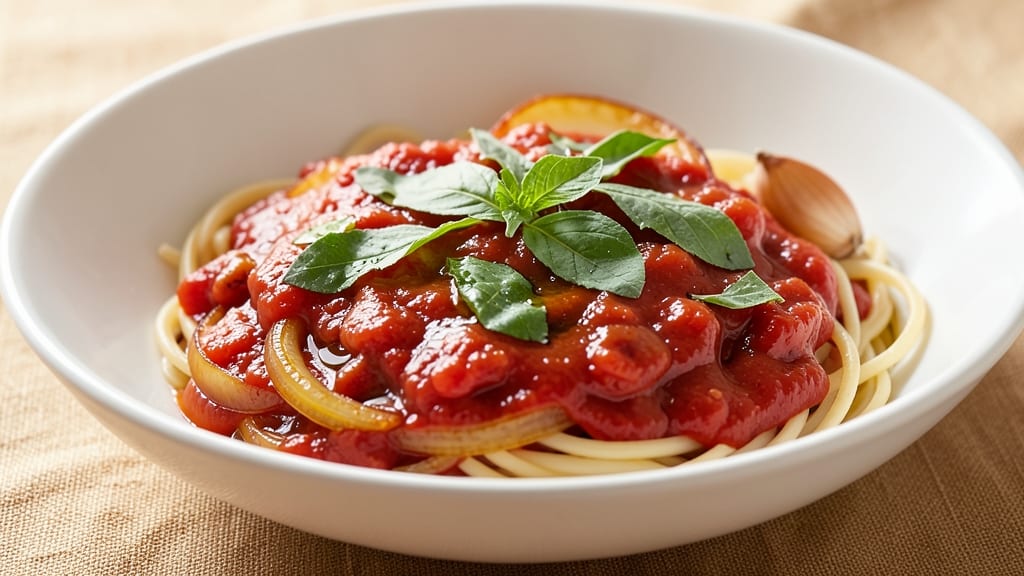
Alex Guarnaschelli's spaghetti sauce recipe transforms simple pantry ingredients into a rich, layered sauce that tastes like a home-cooked Italian masterpiece. 🌟 The secret lies in slow-simmering tomatoes with aromatics until they develop deep, caramelized flavors—something you can't rush.
This isn't just a sauce; it's the heart of your meal, built to cling to every strand of spaghetti and elevate even the most basic pasta dish.
What sets this sauce apart is the balance of bold tomato depth and bright, fresh herbs that cut through the richness. Guarnaschelli's method focuses on patience—letting flavors meld over time rather than forcing them together.
With just a handful of ingredients and about 90 minutes of hands-off cooking, you'll create a sauce that rivals restaurant-quality, perfect for feeding a crowd or meal prepping for the week.
The result is a sauce so versatile it works with any pasta, but spaghetti becomes its ideal partner—each bite delivering tender noodles coated in a glossy, aromatic sauce with layers of sweetness, acidity, and herbaceous notes.
The texture is velvety yet retains just enough body to hold its shape, ensuring every forkful is satisfying. This is the kind of sauce that makes you want to eat pasta night after night.
Serve it immediately over al dente spaghetti with a sprinkle of fresh basil and grated parmesan, or let it develop even more flavor by refrigerating overnight. The possibilities are endless, but the foundation remains the same: a slow-simmered, herb-infused tomato sauce that brings restaurant-quality Italian dining to your kitchen.
Let's get started on creating this timeless classic.
Ingredients for alex guarnaschelli spaghetti sauce
Simple pantry staples transform into a restaurant-worthy sauce with patience and love.
| Ingredient | Amount | Notes |
|---|---|---|
| Canned San Marzano Tomatoes 🍅 | 28 oz | Crushed by hand for texture |
| Extra-Virgin Olive Oil 🫒 | ½ cup | High-quality, fruity variety |
| Yellow Onion 🧅 | 1 whole | Finely diced, sweet variety |
| Garlic Cloves 🧄 | 4 cloves | Minced, fresh preferred |
| Fresh Basil Leaves 🌿 | ½ cup | Packed, stems removed |
| Fresh Oregano Leaves 🍃 | ¼ cup | Chopped, not dried |
| Red Wine 🍷 | ½ cup | Dry, bold variety |
| Tomato Paste 🍅 | 2 tbsp | High-quality, no sugar added |
| Vegetable Broth 💧 | 1 cup | Low-sodium preferred |
| Granulated Sugar 🍚 | 1 tsp | Balances acidity |
| Salt 🧂 | 1 ½ tsp | Diamond Crystal preferred |
| Black Pepper 🌶️ | ½ tsp | Freshly ground |
| Spaghetti 🍝 | 12 oz | Al dente preferred |
The tomatoes are non-negotiable—San Marzano has the sweetness and acidity this sauce demands. Grab a canned whole version (not crushed) so you can control the texture. Whole Foods or Trader Joe's carry them, and they're worth the splurge. Fresh basil and oregano should be bright green and fragrant—if they smell like nothing, toss them. The red wine adds depth, but don't stress over the brand—any dry, bold variety (Cabernet, Merlot) works. For the tomato paste, Barilla is my go-to—it's smooth and concentrated.
No San Marzano tomatoes? Crush regular canned tomatoes by hand—it makes a difference. Out of red wine? Substitute extra vegetable broth (add 1 tbsp balsamic vinegar for depth). Fresh herbs wilt fast, so if you're prepping ahead, blanch basil leaves in boiling water for 10 seconds before storing. The sugar balances acidity, but if you're avoiding it, swap for 1 tsp honey. For the spaghetti, De Cecco or Barilla are my picks—they cook evenly and have great texture. Don't skip the al dente rule—it's non-negotiable for the best bite.
This sauce tastes even better the next day—plan ahead. Store in an airtight container in the fridge for up to 5 days, or freeze for 3 months. Portion into ice cube trays before freezing for perfect single-serving additions to future meals. The pasta water is liquid gold—save 1 cup to thin the sauce if needed. And trust me, leftovers make the best sandwiches—just add a little extra broth to loosen.
Why You'll Love This Recipe
- No Chopping Chaos: I swear by this sauce because it only asks for one onion to dice—no celery, no carrots, no endless prep. The San Marzano tomatoes handle all the work while you sip wine and pretend you’re in a Tuscan kitchen.
- Garlic-Basil Magic: That first hit of raw garlic sizzling in olive oil? Pure bliss. Then the basil—fresh, torn by hand—melts into the sauce like a whisper. It’s the kind of flavor that makes you pause mid-stir and go, “Wait, is this really just tomatoes and herbs?”
- Leftovers That Beg For More: This sauce tastes better the next day, honestly. I make a double batch on Sundays, freeze half, and pull it out for lazy nights when takeout feels like too much effort. My kids even ask for it over pizza.
- Budget-Friendly Luxury: San Marzano tomatoes might sound fancy, but they’re the secret to restaurant-quality sauce without the markup. Olive oil, garlic, and basil? Basic pantry staples that somehow taste like a five-star meal. My wallet thanks me every time.
Step-by-step instructions for alex Guarnaschelli's spaghetti sauce
Here's how to build a sauce with deep tomato flavor and vibrant herb notes.
🍳 Step 1: Sauté Aromatics Until Fragrant
Heat the 0.5 cup extra-virgin olive oil in a large Dutch oven over medium-low heat. Add the finely diced yellow onion and cook for 8-10 minutes until completely translucent and just beginning to soften. Here's the thing—don't rush this step. You want the onions to melt into the oil without browning, creating a sweet foundation for the sauce.
Add the minced garlic cloves and cook for another 1-2 minutes until fragrant but not browned. Garlic burns fast, so keep an eye on it. Remove the pan from heat for 30 seconds if it starts to darken—you'll lose that sweet, mellow flavor if it gets bitter.
🍳 Step 2: Build the Sauce Base with Wine and Tomatoes
Return the pan to medium heat and pour in the 0.5 cup red wine. Let it simmer for 3-4 minutes until reduced by half, scraping up any browned bits from the bottom with a wooden spoon. This deglazing step captures all those caramelized onion and garlic flavors.
Add the 2 tbsp tomato paste and stir for 1 minute to cook it through. Then pour in the 28 oz crushed San Marzano tomatoes and 1 cup vegetable broth. Stir well to combine, then add the 1 tsp granulated sugar, 1.5 tsp salt, and 0.5 tsp black pepper. The sugar balances the acidity of the tomatoes while the salt and pepper enhance all the flavors.
⏰ Step 3: Slow Simmer for Deep Flavor Development
Bring the sauce to a gentle simmer over medium-low heat. Here's the secret—keep it at a low, steady bubble, not a rolling boil. You want to develop those deep, complex tomato flavors through slow evaporation. Partially cover the pot and let it simmer for 45-60 minutes, stirring occasionally.
After 30 minutes, taste the sauce. It should be thickening but still have some body. If it's too thin, uncover and simmer longer. If it's getting too thick, add 2-3 tablespoons water to loosen it. The sauce should coat the back of a spoon but still be saucy enough to cling to pasta.
👨🍳 Step 4: Finish with Fresh Herbs
Remove the sauce from heat and stir in the 0.5 cup packed fresh basil leaves and 0.25 cup chopped fresh oregano leaves. Let the herbs steep for 5 minutes—this infuses their bright, fresh flavors into the sauce without overpowering it. Then use a slotted spoon to remove the herb stems if they're present.
Taste and adjust seasoning one last time. You might need a bit more salt or pepper depending on your tomatoes. The sauce should be bright, balanced, and full of layered flavors—sweet from the onions and sugar, acidic from the tomatoes, and herbal from the fresh basil and oregano.
🍝 Step 5: Cook and Toss with Spaghetti
Cook the 12 oz spaghetti in well-salted boiling water until 1 minute before al dente (about 10-11 minutes for most brands). Reserve 1 cup pasta water before draining.
Toss the drained spaghetti with 1-1.5 cups of the finished sauce, adding reserved pasta water as needed to create a silky, clinging sauce. The starchy pasta water helps emulsify the sauce so it coats every strand perfectly. Serve immediately with extra sauce on the side for dipping.
Pro Tips For Making Alex Guarnaschelli Spaghetti Sauce
- CRUSH THE ONIONS: Slice the yellow onion paper-thin and let it sit in cold water for 10 minutes before cooking—this removes the sharp bite and makes the sauce sweeter. I used to skip this, and the raw onion flavor always lingered, no matter how long I simmered.
- SIMMER LOW AND SLOW: Once the tomatoes hit the pot, reduce heat to a bare simmer—not a boil—and let it cook uncovered for at least 45 minutes. Rushing this step makes the sauce taste watery and underdeveloped; patience here is everything.
- SALT THE TOMATOES FIRST: Before crushing the San Marzano tomatoes, sprinkle them with 1 teaspoon of salt and let them sit for 10 minutes. This draws out excess liquid and concentrates the flavor—no more thin, bland sauce when you’re ready to simmer.
- FINISH WITH COLD BASIL: Toss in the fresh basil leaves at the very end, straight from the fridge, and let them wilt into the sauce. Adding warm basil makes it bitter, and cold leaves keep the bright, herbaceous punch that defines this dish.
Serving suggestions for this alex guarnaschelli spaghetti sauce
Classic Plating
Serve this sauce over perfectly cooked al dente spaghetti with a generous spoonful of sauce clinging to each strand. Garnish with fresh basil leaves torn by hand and a sprinkle of freshly grated Parmesan cheese for that authentic Italian touch.
I like to add a pinch of red pepper flakes on the side for guests who enjoy a little heat. 🌟
Bread Pairings
Warm, crusty garlic bread made with a baguette brushed with olive oil and garlic is my go-to side. The bread soaks up any leftover sauce beautifully. For a heartier option, try focaccia from Trader Joe's—it's pre-sliced and ready to toast in 5 minutes.
The crispy texture contrasts perfectly with the silky sauce. 🥖
Wine Pairings
A glass of Chianti Classico or Sangiovese complements the sauce's acidity and herbal notes beautifully. For a more budget-friendly option, Montepulciano d'Abruzzo offers similar depth. Avoid heavy reds like Cabernet Sauvignon—they can overpower the delicate tomato and herb flavors. 🍷
Make-Ahead Serving
This sauce tastes even better the next day, so I always make extra. Reheat gently in a saucepan with a splash of water or pasta water to maintain its silky texture.
Serve with leftover spaghetti or use it as a base for pasta bakes—just layer with breadcrumbs and cheese, then bake at 375°F for 15-20 minutes. 💫
Vegetable Sides
Light, fresh sides balance the richness of the sauce. A simple garlic sautéed spinach with a squeeze of lemon adds brightness, or try roasted cherry tomatoes at 400°F for 15 minutes with olive oil and thyme. For a heartier option, creamy polenta provides a comforting contrast. 🥗
Protein Additions
For a complete meal, add browned Italian sausage or grilled chicken breast to the sauce during the last 10 minutes of simmering. If using sausage, remove it before adding the fresh herbs to avoid overpowering the sauce.
For seafood lovers, toss in shrimp cooked in 2 minutes at the end for a quick, elegant twist. 🍤
Nutrition facts
Frequently asked questions
Can I make this sauce without red wine?
The red wine adds depth, but you can substitute it with 1 cup extra vegetable broth plus 1 tbsp balsamic vinegar for similar acidity. For even more depth, add 1 tsp dried porcini mushrooms (rehydrated) to the simmering sauce. The key is balancing the acidity—just taste as you go!
How do I adjust the thickness of the sauce?
If the sauce is too thick after simmering, add 2-3 tablespoons water or pasta water at a time until it reaches your desired consistency. For extra richness, simmer uncovered for 10-15 extra minutes to reduce it further. The ideal texture should coat the back of a spoon but still be saucy enough to cling to pasta.
Can I use dried herbs instead of fresh?
Fresh herbs give the best flavor, but if you must use dried, reduce the amount to 1 tbsp dried basil and 1 tsp dried oregano. Add them with the tomato paste and let them infuse during the simmering process. Dried herbs lack the bright, fresh notes that make this sauce special, so fresh is ideal!
Why does my sauce taste too acidic?
Acidity often comes from canned tomatoes or overcooking. Balance it with 1 tsp sugar or honey or a pinch of salt to enhance other flavors. If the sauce is too thin, simmer uncovered for 10-15 minutes to concentrate the flavors. For extra depth, add 1 tbsp tomato paste and simmer for 5 minutes.
How long can I store leftovers?
Store leftovers in an airtight container in the fridge for up to 5 days, or freeze for 3 months. To reheat, warm gently in a saucepan with a splash of water or pasta water. For best texture, avoid microwaving—it can make the sauce watery. Reheat on the stove over medium-low heat until bubbly.