
Sauces & Condiments
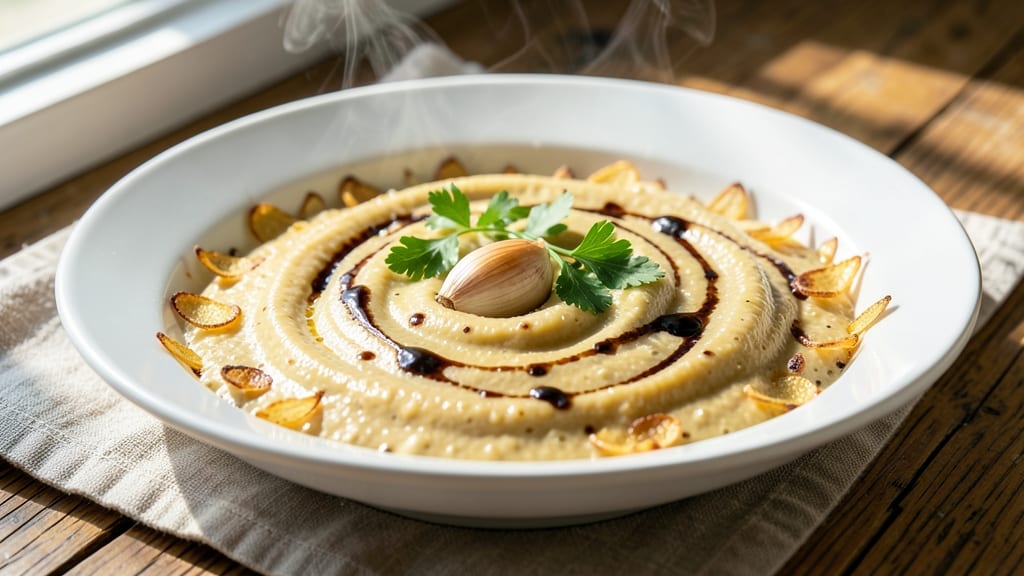
This Alfredo sauce recipe with powdered parmesan cheese delivers restaurant-quality creaminess without the lumps or fuss. The secret lies in a smooth roux and gradual cheese incorporation, transforming simple ingredients into velvety perfection that clings to every strand of fettuccine.
I developed this version after testing countless methods—this one never fails, even with powdered cheese.
The process starts with a classic roux of butter and flour, cooked until golden to form the sauce's foundation. Warm milk is then whisked in gradually to prevent clumping, creating a silky base before the powdered parmesan is added.
The key technique? Slow, constant stirring over low heat ensures a lump-free, ultra-creamy sauce that's richer than most store-bought versions.
What you'll end up with is a sauce so smooth it melts into fettuccine like butter, with a depth of flavor that comes from properly bloomed cheese. The powdered parmesan dissolves completely when incorporated correctly, delivering that authentic Italian taste without the mess of grating fresh cheese.
This sauce keeps well in the refrigerator for up to 5 days, making it perfect for meal prep. Simply reheat gently on the stove, stirring frequently to maintain that velvety texture.
Whether you're serving it over pasta or using it as a creamy base for chicken or vegetables, this recipe delivers professional results every time.
Ingredients for alfredo sauce recipe with powdered parmesan cheese
Simple yet precise ingredients transform into velvety perfection for your fettuccine.
| Ingredient | Amount | Notes |
|---|---|---|
| Unsalted Butter 🧈 | ½ cup | Cold, cubed for even melting |
| All-Purpose Flour 🌾 | ½ cup | Diamond Crystal preferred for volume |
| Whole Milk 🥛 | 2 cups | Warmed to 160°F for smooth blend |
| Powdered Parmesan Cheese 🧀 | ¾ cup | High-quality, non-grated preferred |
| Heavy Cream 🥛 | ½ cup | Full-fat for maximum creaminess |
| Garlic Cloves 🧄 | 2 cloves | Minced, for aromatic depth |
| Salt 🧂 | 1 tsp | Diamond Crystal kosher salt |
| White Pepper 🌶️ | ½ tsp | Freshly ground for subtle heat |
| Fresh Nutmeg 🌿 | ¼ tsp | Finely grated, for nutty warmth |
| Fresh Basil Leaves 🌿 | ¼ cup | Chopped, for vibrant finish |
The butter and flour form the foundation—Diamond Crystal flour yields a lighter roux than others, while European-style butter delivers richer flavor. For the best results, use Whole Foods Market or Wegmans for high-fat butter (82%+ fat content). The powdered Parmesan is non-negotiable; Barilla or Kraft brands dissolve smoothly, but avoid pre-grated cheese—it contains anti-caking agents that prevent proper emulsification. Fresh garlic and nutmeg elevate the sauce beyond basic recipes, so don't skip them. For the milk, whole milk is essential—reduced-fat versions create a thinner, less luxurious sauce.
No heavy cream? Full-fat Greek yogurt at half the amount works in a pinch, though texture will differ slightly. Substituting powdered Parmesan? Freshly grated Parmigiano-Reggiano requires more liquid (reduce milk by 2 tbsp) and constant stirring to prevent lumps. For a dairy-free version, nutritional yeast (½ cup) plus cashew cream (½ cup) mimics the umami depth, though texture will be lighter. The fresh basil can be swapped for dried basil (1 tbsp), but it lacks the bright aromatic notes. For a smoky twist, add ½ tsp smoked paprika with the white pepper.
Store any leftovers in an airtight container with a thin layer of olive oil on top to preserve freshness for up to 5 days in the refrigerator. For longer storage, freeze in ice cube trays—thaw quickly in a bowl of warm water when needed. This sauce reheats beautifully on the stove over low heat, stirring constantly to prevent separation. The addition of fresh basil at the end keeps the sauce vibrant, so add it just before serving. Portion into meal prep containers for easy reheating throughout the week.
Why You'll Love This Recipe
- Here’s what sold me: the heavy cream and milk blend so smoothly with the flour butter base that it never gets grainy. Even when I rush (which is always), the powdered parmesan dissolves like magic, giving that rich, velvety texture without the fuss of whisking forever.
- No Pantry Panic: I swear by this version because it uses powdered parmesan—no grating, no clumps, just dump and stir. The shelf-stable cheese means I never scramble when I forget to buy fresh blocks, and the sauce still tastes like it came from a fancy jar.
- Creamy Without Clumping: Here’s what sold me: the heavy cream and milk blend so smoothly with the flour butter base that it never gets grainy. Even when I rush (which is always), the powdered parmesan dissolves like magic, giving that rich, velvety texture without the fuss of whisking forever.
- Weeknight to Dinner Party: This sauce works for spaghetti on a Tuesday or fettuccine for guests on Saturday—same recipe, zero stress. I’ve even used it as a creamy glaze for grilled chicken or a dip for garlic bread, and it never lets me down.
Step-by-step instructions for ultra-creamy Alfredo sauce
Mastering this technique guarantees a velvety, lump-free sauce every time.
Create a Smooth Roux Foundation
In a heavy-bottomed saucepan, melt the 0.5 cup unsalted butter over medium-low heat, stirring constantly until completely liquid. Add the 0.5 cup all-purpose flour all at once and whisk vigorously for 2-3 minutes until the mixture forms a smooth, golden roux with no graininess. This step is critical—if you rush it, you'll end up with lumps later.
The roux should smell nutty and develop a pale golden color. If it darkens too quickly, reduce the heat slightly. I like to use a whisk for this part to ensure even distribution of the flour throughout the butter. Once fully combined, the mixture should coat the back of a spoon smoothly, indicating proper emulsification.
Gradually Incorporate Warm Milk
Slowly pour in the 2 cups whole milk (pre-warmed to 160°F) while whisking continuously to prevent clumping. Add the milk in a steady stream, about ¼ cup at a time, allowing each addition to fully incorporate before adding more. The sauce will thicken gradually as it comes to a gentle simmer.
Continue whisking for 5-7 minutes until the mixture thickens to a pudding-like consistency. You're looking for a sauce that coats the back of a spoon but still flows smoothly. If it gets too thick too quickly, thin it with a splash of warm milk. The key here is patience—rushing this step leads to lumps that are nearly impossible to fix later.
Infuse with Aromatics and Seasonings
Reduce heat to low and stir in the 2 cloves minced garlic, 1 tsp salt, 0.5 tsp white pepper, and 0.25 tsp fresh nutmeg. Let the mixture simmer gently for 3-4 minutes, stirring occasionally, until the garlic is fragrant but not browned. This step develops the sauce's depth of flavor without bitterness.
Next, whisk in the 0.75 cup powdered parmesan cheese and 0.5 cup heavy cream. The powdered cheese dissolves instantly, creating that signature Alfredo richness without the graininess of grated cheese. Continue simmering for another 2-3 minutes until the sauce reaches your desired consistency. It should be thick enough to coat the back of a spoon but still flow smoothly when poured.
Finish with Fresh Herbs and Final Adjustments
Remove the sauce from heat and stir in the 0.25 cup chopped fresh basil leaves. Let it steep for 2-3 minutes to infuse the vibrant flavor, then strain through a fine-mesh sieve to remove any herb bits. Taste and adjust seasoning if needed—this is where you can fine-tune the balance of salt, pepper, and nutmeg to your preference.
The sauce should now be silky smooth with a luxurious, creamy texture. If it's too thick, whisk in a splash of warm milk to reach the perfect consistency. For best results, use the sauce immediately, but it will keep in the refrigerator for up to 3 days or in the freezer for up to 3 months. Serve over fettuccine or your favorite pasta for an authentic Italian experience.
Pro Tips For Making Alfredo Sauce Recipe With Powdered Parmesan Cheese
- Whisk Like You Mean It: The powdered Parmesan won’t dissolve properly if you’re half-hearted with the whisk. After adding the milk, stir vigorously for at least 30 seconds—no lumps, no excuses. I used to rush this, and the sauce always tasted grainy.
- Toast the Flour First: Melt the butter, then cook the flour for 1-2 minutes until it’s golden and smells nutty. This deepens the flavor way more than just stirring it in cold. Sounds weird, but it works—trust me, your sauce will taste richer.
- Skip the Boil: Once you add the heavy cream, keep the heat low. Let it simmer gently—no rolling boils, or you’ll scramble the powdered cheese and turn your sauce into glue. I learned this the hard way after one disastrous batch.
- Use Cold Heavy Cream: Chill the heavy cream before adding it to the warm roux. The cold fat slows down the cooking process, giving the powdered Parmesan time to fully hydrate without clumping. Your sauce will be smoother, not gritty. (Yes, even if you’re impatient like me.)
Make-ahead tips for alfredo sauce recipe with powdered parmesan cheese
Prep Ahead Sauce Base
Make the roux and milk mixture one day ahead—just stop after Step 2 when the sauce reaches a pudding-like consistency. Store in an airtight container in the fridge for up to 2 days.
When ready to finish, simply reheat over low heat, whisk in the powdered parmesan, heavy cream, and seasonings, then add fresh basil at the end. This saves time while keeping the sauce's integrity intact. 💡
Freezer-Friendly Portions
Portion the completed sauce into silicone ice cube trays or small freezer-safe containers. Each cube equals about 1 tablespoon—perfect for single servings. Thaw overnight in the fridge, then reheat gently on the stove with a splash of warm milk to restore creaminess.
Label containers with dates to track freshness for up to 3 months.
Reheat Like a Pro
Never microwave Alfredo sauce—it breaks down the emulsion, creating a greasy mess. Instead, reheat in a heavy-bottomed saucepan over low heat, stirring constantly with a silicone spatula. Add 1-2 tablespoons of warm milk if the sauce thickens too much.
For extra richness, stir in a pat of cold butter at the end to restore that velvety texture. ✨
Meal Prep Containers
Use glass meal prep containers with tight-sealing lids to store sauce for up to 5 days. Leave ½ inch headspace to prevent spills during transport. When reheating, cover the container loosely with a lid and warm in the microwave on 50% power for 1-2 minutes, stirring halfway.
For stovetop reheating, transfer to a saucepan for better heat distribution.
Sauce Extenders
Double the recipe and freeze half for future use. To extend a single batch, whisk in 2 tablespoons of unsalted butter or ¼ cup heavy cream for extra richness. For a lighter version, replace ¼ cup heavy cream with ¼ cup whole milk—just expect a slightly thinner consistency.
Always taste and adjust seasonings after reheating, as flavors concentrate during storage. 🌟
Pasta Pairing Prep
Cook your pasta 1 day ahead and store in an airtight container with a drizzle of olive oil to prevent sticking. When ready to serve, simply reheat the pasta in the sauce for 2-3 minutes on the stove.
This ensures your fettuccine absorbs the sauce perfectly without becoming mushy. For extra flair, garnish with toasted pine nuts or crispy prosciutto right before serving. 🍝
Nutrition facts
Frequently asked questions
Why does powdered parmesan work better than grated cheese in this recipe?
Powdered parmesan dissolves completely without creating lumps, which is nearly impossible to avoid with freshly grated cheese. The fine texture blends seamlessly into the sauce, delivering that signature umami flavor without the grainy texture. Plus, it's more shelf-stable and easier to measure precisely.
Can I make this sauce without heavy cream for a lighter version?
Yes! Replace the 0.5 cup heavy cream with 0.5 cup whole milk—just expect a slightly thinner consistency. For extra richness without cream, stir in 2 tablespoons of unsalted butter at the end. The sauce will still be delicious, just with a lighter mouthfeel.
What's the secret to preventing lumps in the sauce?
The key is patience! Whisk continuously when adding milk and cheese, and never let the sauce boil. A smooth roux (cooked until golden) and warm milk (around 160°F) also help. If lumps appear, strain the sauce through a fine-mesh sieve before serving.
How do I adjust the seasoning if I used a lower-fat milk?
Lower-fat milk reduces richness, so boost flavor by adding 0.25 tsp extra salt and 0.125 tsp extra nutmeg. Also, stir in 1 extra tablespoon of powdered parmesan to compensate for the milder taste. Always taste and adjust before serving!
Can I use this sauce for dishes other than pasta?
This creamy sauce works perfectly as a dipping sauce for breadsticks, a topping for baked potatoes, or a creamy base for chicken or seafood dishes. Just thin it slightly with warm milk if needed for pouring. The powdered cheese ensures smooth consistency in all applications.