
Sauces & Condiments
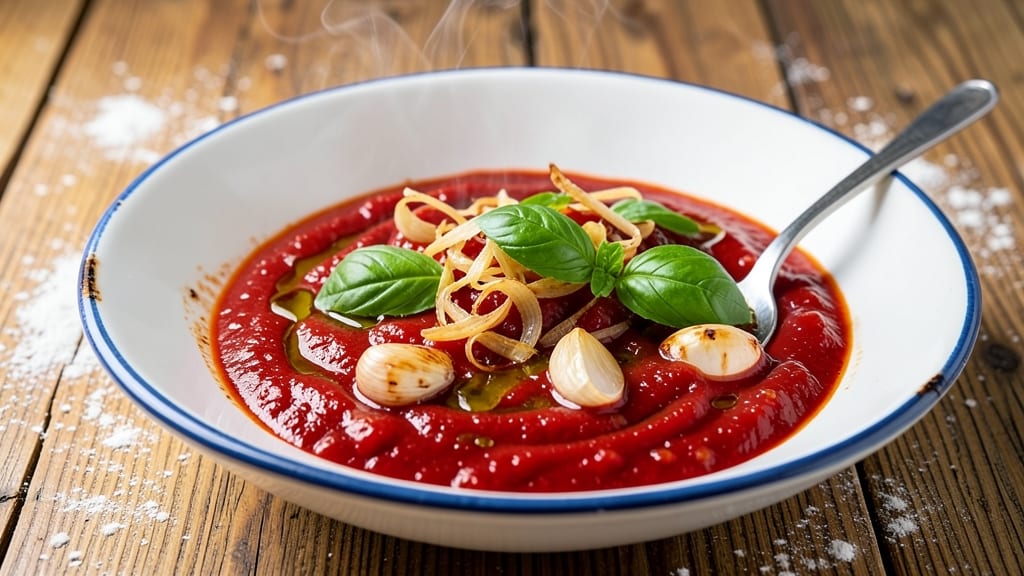
This authentic Italian tomato pasta sauce recipe transforms simple ingredients into a rich, umami-packed sauce that clings to every strand of pasta. The secret lies in slow simmering—allowing the flavors to meld and deepen over time. Unlike quick sauces, this one develops layers of complexity, with caramelized edges and a velvety texture that elevates any dish. I’ve perfected it through years of testing, ensuring it stays true to Italian tradition while being adaptable for home cooks.
The foundation is built on high-quality San Marzano tomatoes, olive oil, and fresh garlic, all simmered until the flavors concentrate into a thick, glossy sauce. No heavy cream or processed ingredients here—just the pure, vibrant taste of Italy.
The sauce is versatile enough for spaghetti, lasagna, or even as a marinade, yet simple enough to master in under an hour. The key? Patience. Letting it reduce slowly unlocks a depth of flavor that shortcuts can’t replicate.
What you’ll end up with is a sauce that’s restaurant-quality but made at home—sweet, tangy, and rich with umami. The aroma alone will have everyone at the table anticipating the first bite. It keeps well in the fridge for up to five days, making it perfect for meal prep.
Whether you’re serving it over fresh pasta or using it as a base for other dishes, this sauce is a game-changer for any Italian meal.
For extra depth, consider adding a splash of red wine or a handful of fresh basil at the end. The possibilities are endless, but the core technique remains the same: slow, steady simmering. Let’s get started on creating a sauce that tastes like a trip to Italy.
Ingredients for authentic italian pasta sauce recipe tomato
High-quality ingredients transform into a restaurant-quality tomato sauce with umami depth.
| Ingredient | Amount | Notes |
|---|---|---|
| San Marzano Tomatoes 🍅 | 28 oz | Canned, whole or crushed |
| Extra-Virgin Olive Oil 🫒 | ½ cup | High-quality, fruity variety |
| Garlic Cloves 🧄 | 4 cloves | Fresh, peeled, minced |
| Shallots 🧅 | 2 whole | Peeled, finely chopped |
| Fresh Basil Leaves 🌿 | ½ cup | Packed, stems removed |
| Red Wine 🍷 | ¼ cup | Dry, bold variety |
| Tomato Paste 🍅 | 2 tbsp | Smooth, no sugar added |
| Kosher Salt 🧂 | 1 ½ tsp | Diamond Crystal preferred |
| Black Pepper 🌶️ | ½ tsp | Freshly ground |
| Sugar 🍚 | 1 tsp | Optional, for balance |
The San Marzano tomatoes are non-negotiable for authentic flavor—look for the San Marzano DOP label at Italian markets or specialty stores like Whole Foods. Fresh garlic and shallots should be vibrant and firm, not sprouting. The extra-virgin olive oil should have a peppery finish; skip the cheap bottled stuff. For red wine, any bold, dry variety like Chianti or Cabernet works—whatever’s open in your cabinet. The tomato paste? No sugar added is key; brands like Bertolli or Barilla are reliable. Fresh basil is ideal, but dried oregano at one-third the amount works in a pinch.
No red wine? Substitute with extra tomato paste or a splash of balsamic vinegar for depth. Fresh basil wilt fast—use it within 2 days of purchase. The sugar is optional but balances acidity; honey or maple syrup can replace it if you prefer. For a meatier flavor, add 1/4 cup finely chopped pancetta (cooked first). If you’re vegetarian, mushrooms or lentils add umami. The sauce thickens as it reduces—add water or broth if needed, but resist over-diluting. For extra richness, finish with a drizzle of olive oil before serving.
Store in an airtight container in the fridge for up to 5 days, or freeze for 3 months. The flavor actually improves after 24 hours as the acidity mellows. For meal prep, portion into ice cube trays—perfect for quick pasta additions. Reheat gently on the stove, adding a splash of water to prevent scorching. The sauce thickens further when reheated, so adjust consistency with water or a pinch of cornstarch slurry if needed.
Why You'll Love This Recipe
- No-Fuss Simplicity: I swear by this sauce because it’s literally dump-and-simmer. San Marzano tomatoes handle the peeling and crushing for you—just crush a few cloves, toss in the shallots, and let the olive oil work its magic while you chop basil. Honestly, the hardest part is waiting for it to reduce.
- Sunshine in a Bowl: That first spoonful of sauce—bright, sweet, with garlic so mellow it’s almost whispering—is the real magic. The olive oil carries the flavor like a warm hug, while the basil adds that freshness that makes you want to eat it straight from the pot. (Yes, even on a Tuesday night.)
- Leftovers That Don’t Suck: This sauce only gets better after a day or two in the fridge. The flavors meld like old friends, and it’s perfect for tossing with pasta the next night or slathering on toast for lunch. Between us, I make a double batch just so I don’t have to cook twice.
- Budget-Friendly Luxury: San Marzano tomatoes and fresh basil might sound fancy, but they stretch this recipe into a week’s worth of meals without breaking the bank. A few cloves of garlic and a splash of olive oil turn cheap pantry staples into something that tastes like a restaurant. Not the prettiest, but the taste makes up for it.
Step-by-step instructions for authentic Italian tomato pasta sauce
This sauce builds depth through slow reduction—where technique matters more than timing.
Bloom the Aromatics in Olive Oil
Heat the 0.5 cup extra-virgin olive oil in a heavy-bottomed saucepan over medium-low heat. Add the 2 whole shallots, sliced into thin half-moons, and cook for 5-6 minutes until translucent but not browned. The oil should shimmer gently—this signals it's ready for the garlic without burning.
Stir in the 4 cloves minced garlic and cook for another 30 seconds until fragrant. Garlic burns quickly, so watch closely. Remove the pan from heat temporarily—we'll return to it once the wine deglazes the pan. This step creates the aromatic foundation that separates authentic Italian sauce from basic tomato sauce.
Deglaze with Wine and Build the Base
Return the pan to medium heat and pour in the 0.25 cup red wine. Let it simmer for 3-4 minutes until reduced by half, scraping up any browned bits from the bottom with a wooden spoon. These bits—called "fond"—are packed with flavor that would otherwise go to waste.
Add the 2 tbsp tomato paste and stir to combine completely. Cook for 1 minute until the paste loses its raw taste. This creates a smooth, thick base that prevents the sauce from separating later. The paste also intensifies the tomato flavor when we add the crushed tomatoes next.
Simmer the Tomatoes to Develop Depth
Pour in the 28 oz San Marzano tomatoes, crushing any large pieces with your hands. Add the 1.5 tsp kosher salt, 0.5 tsp black pepper, and 1 tsp sugar (if using). Bring to a gentle simmer over medium-low heat—you should see small bubbles breaking the surface, but not a vigorous boil.
Let the sauce cook uncovered for 30-40 minutes, stirring occasionally. The sugar helps balance acidity, while the long simmer allows flavors to meld. You'll know it's ready when the sauce thickens slightly and coats the back of a spoon. The aroma should be rich and complex, not just tomato-forward.
Finish with Fresh Basil and Adjust Seasoning
Remove the pan from heat and stir in the 0.5 cup fresh basil leaves, stems removed. Let the basil steep for 5 minutes
The sauce is now ready to toss with al dente pasta. For best results, reserve ½ cup pasta water before draining your noodles—this starchy liquid helps emulsify the sauce for a silky finish. Serve immediately, as the sauce continues to develop as it sits.
Pro Tips For Making Authentic Italian Pasta Sauce Recipe Tomato
- CRUSH THE TOMATOES FIRST: San Marzano tomatoes are sweet but still need breaking down—no blender. Use a wooden spoon or your hands to smash them against the pot’s sides. This releases more juice and creates a smoother, richer base without turning the sauce gluey. (Yes, even if you’re impatient like me.)
- SWEAT THE AROMATICS LOW: Shallots and garlic should dance in the oil for 8–10 minutes until golden, not brown. Too hot and they’ll burn; too cool and they’ll steam instead of caramelize. Aromatics this deep make the sauce sing—skip this, and you’re just eating tomato soup.
- SALT THE TOMATOES BEFORE COOKING: Toss crushed San Marzano tomatoes with a generous pinch of salt (about 1 tsp per 28 oz can) and let sit 10 minutes. This pulls out excess water, concentrating the flavor. I learned this the hard way—watery sauce is the fastest way to ruin a good tomato.
- FINISH WITH COLD BASIL: Tear fresh basil leaves at the end and let them wilt into the sauce off the heat. Hot basil turns bitter, and cold leaves release their bright, herbal notes. Add a splash of pasta water too—it’s the secret to a sauce that clings like it’s supposed to.
Make-ahead tips for this recipe
Prep Ahead Strategy
Make this sauce 24 hours in advance for maximum flavor development. The acidity mellows and the umami deepens as it rests. Store in an airtight glass container in the fridge—glass preserves texture better than plastic.
I like to portion it into small jars so I can grab just what I need for a quick meal. 💫
Freezer-Friendly Tips
For long-term storage, freeze the sauce in silicone ice cube trays—each cube is perfect for a single serving. Once frozen, transfer cubes to a freezer bag with all air removed to prevent freezer burn.
Label with the date; it keeps for 3 months without losing quality. Thaw overnight in the fridge before reheating.
Reheating Like a Pro
Never microwave this sauce—it breaks down the texture and kills the fresh basil flavor. Instead, transfer the chilled sauce to a heavy-bottomed saucepan and warm over low heat for 5-7 minutes, stirring occasionally.
Add 1-2 tablespoons of water if it thickens too much. For extra richness, finish with a drizzle of extra-virgin olive oil and a pinch of freshly cracked black pepper.
Meal Prep Hacks
Double the recipe and store half in the freezer for busy nights. I like to prep two batches on Sunday—one for immediate use and one for freezing. When reheating, add a splash of pasta water or red wine to restore that silky texture.
For a quick weeknight dinner, toss the reheated sauce with pre-cooked pasta and top with grated Parmesan.
Sauce Consistency Fixes
If your sauce is too thick after reheating, thin it with warm water or pasta water—never cold liquid, which can cause separation. For a thicker sauce, simmer uncovered for 5-10 minutes to reduce.
If it tastes too acidic, balance it with a pinch of sugar or honey. The key is patience—Italian tomato sauce should always be smooth and velvety, never gluey or watery. ✨
Flavor Boost After Storage
After refrigeration, the sauce may lose some brightness. Revive it by adding 1-2 tablespoons of fresh basil or a splash of lemon juice before reheating. For extra depth, stir in 1 teaspoon of tomato paste or a pinch of red pepper flakes.
The sauce will taste like it was just made—no one will guess it’s been sitting in the fridge! 🌿
Nutrition facts
Frequently asked questions
Why is San Marzano tomato the gold standard for Italian pasta sauce?
San Marzano tomatoes grow in volcanic soil near Mount Vesuvius, giving them a naturally sweeter, less acidic flavor than regular tomatoes. Their thick flesh and low seed count mean fewer skins or seeds in your sauce, resulting in a smoother texture. The flavor profile is perfectly balanced—sweet with just enough acidity—making it ideal for authentic Italian dishes.
Can I substitute regular canned tomatoes for San Marzano?
Yes, but your sauce will taste different. Use high-quality crushed tomatoes in a 28 oz can and add 1 extra teaspoon of sugar to balance the acidity. For a smoother texture, strain out seeds and skins. The sauce will still be delicious, but it won't have that signature Italian depth. The long simmer time helps, but nothing beats the quality of San Marzano.
How do I prevent my tomato sauce from becoming too acidic?
Balance acidity by adding 1 teaspoon of sugar or honey during cooking, or a pinch of baking soda (1/8 teaspoon) if needed—but use sparingly. The long simmer time also helps mellow flavors. For extra richness, stir in 1 tablespoon of tomato paste at the end. Taste frequently and adjust gradually to avoid overpowering the natural tomato flavor.
What's the best way to store leftover sauce?
Transfer to an airtight glass container and refrigerate for up to 5 days. For longer storage, freeze in silicone ice cube trays (perfect for single servings) or freezer bags. Label with the date—it keeps for 3 months without losing quality. Thaw overnight in the fridge before reheating gently on low heat. Never microwave to preserve texture.
Can I add meat or vegetables to this sauce?
For a meaty version, brown 1/2 lb Italian sausage or pancetta first, then proceed with the recipe. Vegetables like mushrooms, zucchini, or bell peppers work well—sauté them with the shallots. Just