
Sauces & Condiments
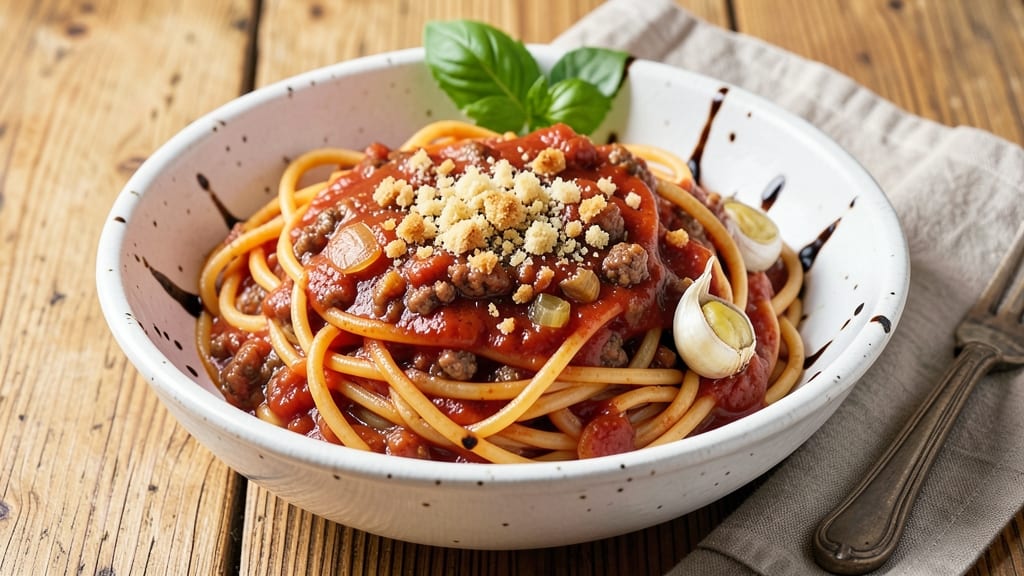
This best spaghetti meat sauce recipe from scratch delivers the deep umami richness and meaty texture that elevates homemade Italian dinners to restaurant quality.
The secret lies in slow-browning ground beef and pork together, then simmering with crushed tomatoes, garlic, and aromatic herbs until the sauce develops that signature depth—no shortcuts, just pure flavor development over time.
What makes this recipe truly exceptional is the two-stage cooking process: first browning the meat properly (never crowding the pan) to build flavor, then simmering the sauce uncovered for at least 45 minutes to let the alcohol evaporate and flavors meld.
This transforms basic ingredients into a sauce that coats every strand of spaghetti perfectly, with meatball-sized chunks that add satisfying texture.
The result is a bold, balanced sauce with tender meat pieces suspended in a velvety tomato base that's neither too sweet nor too acidic. The garlic and herbs infuse throughout, while the long simmer creates that complex, caramelized depth you'd pay extra for at an Italian trattoria.
Serve this sauce over al dente spaghetti, garnished with fresh basil and a sprinkle of parmesan, for a meal that feels like a celebration. The technique is straightforward but requires patience—worth every minute for that restaurant-quality result at home.
Ingredients for best spaghetti meat sauce recipe from scratch
Restaurant-quality spaghetti sauce starts with these 18 ingredients—each playing a precise role in umami depth and texture.
| Ingredient | Amount | Notes |
|---|---|---|
| Ground Beef (80/20) 🥩 | 1 ½ lb | Coarse grind preferred for texture |
| Ground Pork 🐖 | ½ lb | Lean or fatty, your choice |
| San Marzano Tomatoes (Crushed) 🍅 | 28 oz | Canned, high-quality preferred |
| Garlic Cloves 🧄 | 6 cloves | Fresh, peeled and minced |
| Onion (Yellow) 🧅 | 1 whole | Medium, finely diced |
| Celery Stalk 🥬 | 1 whole | Finely diced, for sofrito |
| Carrot 🥕 | 1 whole | Finely diced, for sofrito |
| Extra-Virgin Olive Oil 🫒 | ½ cup | For high-heat browning |
| Dry Red Wine 🍷 | ½ cup | Bold variety like Cabernet |
| Tomato Paste 🍅 | ½ cup | High-quality, no sugar added |
| Fresh Basil Leaves 🌿 | ½ cup | Chopped, for finishing |
| Fresh Oregano Leaves 🍃 | ¼ cup | Chopped, or 1 tbsp dried |
| Fresh Rosemary Sprig 🌿 | 1 whole | For depth, removed later |
| Bay Leaves 🌿 | 2 whole | For aromatic complexity |
| Diamond Crystal Kosher Salt 🧂 | 1 ½ tsp | Adjust to taste |
| Freshly Ground Black Pepper 🌶️ | 1 tsp | Freshly cracked preferred |
| Spaghetti 🍝 | 1 lb | Al dente preferred |
| Parmesan Cheese (Freshly Grated) 🧀 | ½ cup | Block preferred, not pre-grated |
The meat blend is non-negotiable for authentic texture. Ground beef (80/20) provides richness while ground pork adds fat for silky sauce. Costco or butcher shops often carry pre-mixed blends, but combining them yourself ensures the perfect ratio. For the tomatoes, San Marzano cans from Italian markets deliver that signature sweetness—avoid the watery brands. The sofrito trio (onion, celery, carrot) should be finely diced, almost paste-like, to dissolve into the sauce without texture. If you're short on time, pre-chopped mirepoix from the freezer section works in a pinch.
Wine shortage? Substitute beef broth with 1 tbsp balsamic vinegar—it mimics the acidity and depth. No fresh herbs? Dried oregano at one-third the amount works, but you'll miss the bright notes. The tomato paste can be swapped for additional crushed tomatoes, though it adds thickness and caramelization. For a meatier texture, add 4 oz finely chopped pancetta when browning the meat. The rosemary sprig should be removed before serving—it's for flavor, not presentation. For a vegetarian version, swap meat for 1.5 lbs mushrooms and add 1 tbsp soy sauce for umami.
Browning the meat properly is key—don't rush it. The sauce improves overnight, so make a double batch and freeze half for future meals. Store leftovers in airtight glass containers for up to 5 days in the fridge or 3 months frozen. When reheating, add a splash of water or broth to prevent thickening. The spaghetti should be cooked al dente—it finishes cooking in the sauce. For a restaurant touch, reserve 1/4 cup pasta water to loosen the sauce before serving.
Why You'll Love This Recipe
- No-Fuss Prep: I swear by this—just brown the beef and pork together, then dump in the onions and garlic while I chop the kids' homework into the bowl. The San Marzano tomatoes handle the rest while you sip wine and pretend you’re not cooking.
- Crispy-Creamy Magic: That 80/20 blend? It’s the secret—juicy, caramelized edges with tender meat that practically melts. The pork adds depth, and when the tomatoes simmer down, you’ve got a sauce so rich it’ll make jarred stuff look sad.
- Leftovers That Save Me: Make a double batch and freeze half. Thaw it later for lazy nights or toss it into pasta salad—trust me, it’s still amazing. My freezer is full of these, and I never regret it.
- Budget-Friendly Feast: Ground beef and pork stretch further than you’d think, especially with tomatoes doing the heavy lifting. It’s the kind of meal where you get seconds, thirds, and still walk away feeling like you fed the whole neighborhood without breaking the bank.
Step-by-step instructions for crafting the ultimate spaghetti meat sauce
This method delivers restaurant-quality depth through precise technique and layered flavors.
Build the Sofrito Base for Maximum Flavor
Heat the 0.5 cup extra-virgin olive oil in a large, heavy-bottomed pot over medium heat. Add the finely diced 1 whole onion (yellow), 1 whole celery stalk, and 1 whole carrot, stirring occasionally for 8-10 minutes until the vegetables soften and begin to caramelize. This slow cooking develops their natural sweetness, which forms the foundation of your sauce.
Add the 6 cloves minced garlic cloves and cook for 30 seconds until fragrant but not browned. Here's where it gets crucial: stir in the 0.5 cup tomato paste and cook for 2 minutes until it darkens slightly. This step creates a rich, concentrated base that prevents the sauce from tasting watery later. The tomato paste also adds natural sweetness that balances the acidity of the tomatoes.
Brown the Meat for Deep Umami Development
Push the sofrito to one side of the pot and increase heat to medium-high. Add the 1.5 lb ground beef (80/20) and 0.5 lb ground pork, breaking it apart with a wooden spoon. Let the meat brown undisturbed for 5-7 minutes until it develops a deep crust. This browning reaction, known as the Maillard process, creates complex flavors that can't be replicated with pre-cooked meat.
Once the meat is well browned, stir it into the sofrito and cook for another 5 minutes to distribute the flavors. Add the 0.5 cup dry red wine and scrape up any browned bits from the bottom of the pot. These bits, called fond, contain concentrated flavor that will dissolve into your sauce as it simmers. Let the wine reduce by half before proceeding.
Develop the Sauce Through Long Simmering
Add the 28 oz crushed San Marzano tomatoes, 1.5 tsp diamond crystal kosher salt, 1 tsp freshly ground black pepper, 1 whole fresh rosemary sprig, and 2 whole bay leaves. Bring to a gentle simmer, then reduce heat to low and partially cover the pot. Let the sauce cook for 1 hour 30 minutes, stirring occasionally. This long simmer allows the flavors to meld and develop depth.
After 1 hour, taste the sauce and adjust seasoning if needed. The acidity of the tomatoes should be balanced by the sweetness of the caramelized vegetables and the richness of the meat. If the sauce becomes too thick, add 2-3 tablespoons of water to maintain proper consistency. The key is patience—the longer it simmers, the more complex and flavorful it becomes.
Finish with Fresh Herbs and Pasta
Remove the rosemary sprig and bay leaves from the sauce. Stir in the 0.5 cup chopped fresh basil leaves and 0.25 cup chopped fresh oregano leaves, reserving a few leaves for garnish. These fresh herbs add brightness and contrast to the deep, savory flavors of the sauce. Let the sauce cook for another 10 minutes to incorporate the herbs fully.
While the sauce finishes, cook the 1 lb spaghetti in salted boiling water until al dente (about 1 minute less than package instructions). Reserve 1 cup of pasta water before draining. Toss the drained pasta with the sauce, adding pasta water as needed to create a silky, clinging consistency. The starchy pasta water helps emulsify the sauce, ensuring every strand is perfectly coated.
Serve with Finishing Touches
Divide the spaghetti among plates and top each serving with 0.5 cup freshly grated parmesan cheese. The freshness of the grated cheese contrasts beautifully with the rich, slow-simmered sauce. Garnish with the reserved fresh basil and oregano leaves for a pop of color and additional herbaceous notes.
This sauce delivers on its promise of depth through careful layering of flavors. The caramelized sofrito, browned meat, and long simmer create a complex, umami-rich sauce that clings perfectly to the spaghetti. Serve immediately while the sauce is still vibrant and the pasta is al dente for the ultimate dining experience.
Pro Tips For Making Best Spaghetti Meat Sauce Recipe From Scratch
- CRUSH TOMATOES BY HAND: I learned this the hard way—store-bought crushed tomatoes are convenient, but San Marzano tomatoes need a good smash to release their juice and sweetness. Use a wooden spoon or your fist (yes, even if you’re impatient like me) to break them down unevenly—this makes the sauce richer faster.
- BROWN THE MEAT IN BATCHES: Crowding the pan steams the meat instead of searing it, which kills flavor. Cook half the meat first, push it to the side, then add the rest—this gives you crispy edges and deep color. Don’t rush; a few minutes extra here makes the sauce taste like it simmered all day.
- SWEAT ONIONS LOW AND SLOW: After burning three batches, I finally figured out: onions caramelize best at low heat, not medium-high. Let them cook for 10-12 minutes until golden, stirring often—this builds flavor without burning. If they stick, add a splash of water and scrape the bottom.
- SALT THE SAUCE TWICE: My grandmother swore by this, and she was right: salt the meat before browning, then taste the sauce again after tomatoes and garlic cook down. The first round balances the raw flavors; the second fixes the final seasoning. (Your future self will thank you.)
Troubleshooting your best spaghetti meat sauce recipe from scratch
Sauce Too Thin?
If your sauce is watery after simmering, it's likely from the tomatoes releasing too much liquid or not enough reduction. My fix? Add 2 tablespoons of tomato paste and simmer uncovered for an extra 15-20 minutes to thicken naturally.
For immediate results, mix 1 tablespoon cornstarch with 2 tablespoons cold water, stir into the sauce, and cook for 3-5 minutes until thickened. Always taste before adjusting—sometimes it just needs more time. 🍲
Meat Too Greasy?
Excess fat makes the sauce greasy, especially with high-fat ground beef. To fix this, drain the meat after browning using a fine-mesh strainer, then return it to the pot. For future batches, use a paper towel to blot the meat before browning to remove surface fat.
If the sauce is already too rich, stir in 1-2 tablespoons of water or broth to balance the texture. 🥩
Sauce Too Acidic?
Crushed tomatoes can sometimes overpower with acidity. Balance it by adding 1-2 tablespoons of tomato paste or a pinch of sugar (½ teaspoon) to mellow the sharpness.
For a deeper flavor, stir in 1 teaspoon of balsamic vinegar or a splash of red wine to round out the taste. Simmer for 5 minutes to let the flavors meld. 🍷
Herbs Not Infusing?
If your herbs taste bland, they likely weren't cooked long enough. Add ½ cup fresh basil or oregano and simmer uncovered for 10-15 minutes to release their oils. For dried herbs, use ⅓ the amount and cook for 5 minutes to avoid bitterness.
Pro tip: Toast your dried herbs in a dry pan for 30 seconds before adding to boost flavor. 🌿
Pasta Too Dry?
If your spaghetti absorbs all the sauce, reserve ½ cup pasta water before draining and toss it in after mixing. The starch in the water helps emulsify the sauce, creating a silky texture.
For extra richness, stir in 1 tablespoon of butter or olive oil to coat the strands evenly. 🍝
Sauce Sticking to Pot?
Sauce sticking is usually from sugar caramelizing or fat burning. Deglaze the pot with ¼ cup red wine or broth to lift the fond (browned bits) and stir vigorously. For future batches, use a heavy-bottomed pot like All-Clad or Le Creuset to prevent scorching.
If it’s already stuck, add 1-2 tablespoons of water and scrape gently with a wooden spoon. 🔥
Nutrition facts
Frequently asked questions
Why does this recipe use both beef and pork?
The combination creates the perfect balance of rich, meaty flavor and silky texture. The beef (80/20) provides deep umami and fat for richness, while the pork adds subtle sweetness and helps create a smoother sauce. This classic Italian technique prevents the sauce from becoming too heavy or greasy.
Can I make this sauce in a slow cooker?
Brown the meat first in a skillet, then transfer everything to your slow cooker. Cook on low for 6-8 hours or high for 3-4 hours, stirring occasionally. The slow cooker enhances the flavors through gentle heat, though you'll need to add 1-2 tablespoons of tomato paste at the end to thicken the sauce.
What's the secret to preventing a greasy sauce?
Proper browning and fat management are key. Always blot raw meat with paper towels before cooking, and drain excess fat after browning using a fine-mesh strainer. For extra insurance, skim fat from the surface during simmering. The long simmer time helps render fat naturally while developing rich flavors.
How do I know when the sauce is done?
The sauce should have reduced significantly and developed a thick, velvety consistency. Taste it after 1 hour 30 minutes of simmering - it should be balanced between sweet, savory, and slightly tangy. The meat should be tender, and the sauce should coat the back of a spoon smoothly. If it's too thin, simmer uncovered for another 15-20 minutes to thicken.
Can I make this sauce ahead of time?
This sauce actually tastes better the next day! Let it cool completely, then store in airtight glass containers in the fridge for up to 5 days or freeze for 3 months. The flavors deepen as it rests, and reheating gently with a splash of water or broth prevents thickening. Perfect for meal prep!