
Sauces & Condiments
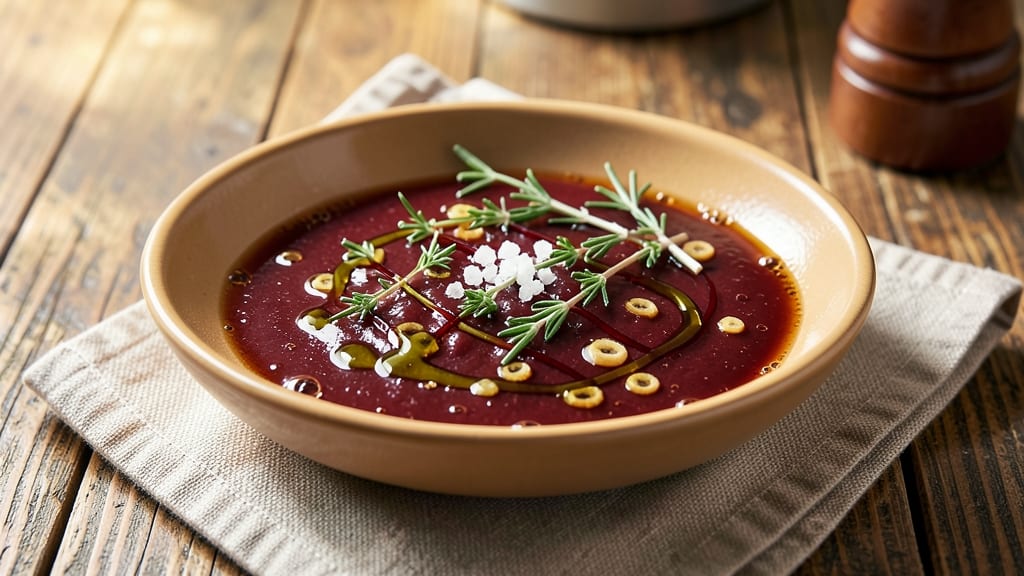
This balsamic vinegar reduction sauce transforms simple ingredients into a glossy, thickened glaze that elevates everything from grilled meats to fresh salads. The secret lies in slow simmering, which reduces the vinegar into a rich, syrupy sauce with deep caramel notes and a perfect balance of sweet and tangy flavors.
I’ve perfected this technique over years of testing—it’s the kind of sauce that turns ordinary dishes into restaurant-worthy meals with minimal effort.
The process is straightforward but requires patience: high-quality balsamic vinegar is simmered until it thickens to a glossy, spoonable consistency, typically taking 30 to 45 minutes.
Adding optional ingredients like shallots, honey, or fresh herbs can customize the flavor profile, but the base recipe delivers a versatile, crowd-pleasing sauce that pairs beautifully with proteins, cheeses, and even desserts. The result is a sauce that’s intensely flavorful yet subtle enough to enhance, not overpower, your dish.
Once reduced, this sauce keeps well in the fridge for up to 2 weeks or in the freezer for 3 months, making it an ideal make-ahead component for meal prep.
Store it in an airtight container, and you’ll always have a quick, elegant finishing touch ready to drizzle over grilled chicken, steak, or a simple caprese salad. The glossy sheen and rich depth of flavor make it a game-changer for any dish.
For even more versatility, consider adding a splash of red wine or a pinch of cinnamon for warmth, or a drizzle of honey to balance the acidity. Whether you’re glaze for a weeknight dinner or a special occasion meal, this sauce delivers restaurant-quality results with minimal effort.
Let’s get started on creating your own perfect glaze.
Ingredients for balsamic vinegar reduction sauce
Six core ingredients, one slow-simmered sauce that turns any dish into restaurant-worthy magic.
| Ingredient | Amount | Notes |
|---|---|---|
| High-Quality Balsamic Vinegar 🍷 | 2 cups | Aged 12+ years preferred for depth |
| Granulated Sugar 🍬 | ½ cup | Light brown preferred for caramel notes |
| Shallots 🧅 | 2 whole | Minced finely for smooth texture |
| Extra-Virgin Olive Oil 🫒 | 1 tbsp | For glossy finish and richness |
| Fresh Thyme Leaves 🌿 | ¼ cup | Or 1 tbsp dried thyme |
| Fresh Rosemary 🌿 | 1 sprig | For earthy aroma (optional) |
| Salt 🧂 | ½ tsp | Diamond Crystal preferred |
| Black Peppercorns 🌶️ | 5 whole | Freshly cracked for depth |
The balsamic vinegar is everything here—aged 12+ years from Acetaia Giusti or Valentin De Redin if you want to splurge. The sugar isn't just for sweetness; it kickstarts the caramelization that gives this sauce its signature gloss. Shallots add depth without overpowering, and I always grab the freshest shallots from the produce section—they make a world of difference. Fresh herbs? Trader Joe's has the best thyme sprigs, but any local market will do. The key is to use organic herbs if possible—they hold up better during simmering.
No aged balsamic? White balsamic vinegar plus 1 tbsp molasses gets you close, though it'll lack that deep complexity. Short on sugar? Honey or maple syrup at half the amount works, but the texture might be slightly thinner. Swapping shallots for 1/4 cup finely chopped red onion is fine, though shallots have a more delicate sweetness. The olive oil is non-negotiable for that silky finish—California avocado oil is my go-to if I'm avoiding olive oil's grassy notes. And if you're feeling fancy, add 1/4 cup red wine with the vinegar for extra depth, but reduce it by 5 minutes since it's already alcoholic.
This sauce gets better with time—let it sit at room temperature for 10 minutes after reducing before drizzling. Store in a glass jar with a tight seal in the fridge for 2 weeks, or freeze in ice cube trays for 3 months. The oil will solidify when cold, so just give it a gentle shake to re-emulsify. I always make a double batch—one for immediate use, one to freeze. Trust me, you'll want this on hand for everything from steak to bruschetta.
Why You'll Love This Recipe
- Five-Ingredient Magic: I swear by this—just vinegar, sugar, shallots, oil, and thyme. That’s it. No fancy gadgets, no last-minute grocery runs. The shallots caramelize while you sip your coffee, and the thyme leaves perfume the whole kitchen. Honestly, it’s the kind of recipe that makes me feel like a chef without the stress.
- Sweet-Savory Balance: Between us, the sugar isn’t just for sweetness—it deepens the balsamic’s richness until you get this perfect, glossy glaze with a tangy bite. The thyme adds a bright, herbal lift that cuts through the acidity, leaving you with something that’s ridiculously good on anything. (Yes, even on a Tuesday night.)
- Pantry Staple Power: This sauce turns ordinary meals into showstoppers—drizzle it over grilled chicken, toss it with roasted veggies, or use it as a dip for crusty bread. I’ve even used it to glaze pork chops for dinner parties. The best part? It’s made from things you already own, so no extra shopping.
- Make-Ahead Secret Weapon: Simmer it down, let it cool, and it keeps for weeks in the fridge. Thin it with a splash of water or olive oil when you’re ready to use it—no reheating, no fuss. Between us, I’ve had this sauce rescue burnt toast, sad salads, and even a forgotten casserole. It’s my go-to for lazy days and last-minute guests.
Step-by-step instructions for balsamic vinegar reduction sauce
Here's how to transform simple ingredients into a luxurious, glossy glaze that elevates any dish.
Prepare the Aromatics and Infuse the Oil
Start by finely mincing the 2 whole shallots—you want tiny pieces that will dissolve into the sauce rather than remain identifiable. In a small saucepan, gently heat the 1 tablespoon extra-virgin olive oil over low heat until it just begins to shimmer. Add the shallots and cook for 3-4 minutes until completely soft and translucent, but never let them brown. This step builds the aromatic foundation of your sauce.
Next, add the 0.25 cup fresh thyme leaves and the 1 sprig fresh rosemary (if using). Let them infuse in the oil for 1 minute until fragrant—you should smell that earthy, herbal aroma wafting through your kitchen. Remove the pan from heat immediately to preserve the delicate flavors. This infusion transforms ordinary olive oil into something truly special.
Combine and Simmer the Base
Return the saucepan to medium heat and pour in the 2 cups high-quality balsamic vinegar. Stir in the 0.5 cup granulated sugar, making sure it dissolves completely. Add the 0.5 teaspoon salt and the 5 whole black peppercorns (you'll remove these later). Bring the mixture to a gentle simmer, then reduce heat to low to maintain a steady, barely bubbling state.
Here's where patience pays off: let the sauce simmer uncovered for 20-25 minutes until it reduces by about half and becomes syrupy. You're looking for a thick, glossy consistency that coats the back of a spoon. Stir occasionally, especially in the first 10 minutes, to prevent sticking. The vinegar will darken beautifully as it reduces, developing deep, complex flavors.
Strain and Finish the Glaze
Once reduced, remove the pan from heat and strain the sauce through a fine-mesh sieve into a clean bowl or saucepan. Press gently on the solids to extract every last drop of flavor. Discard the peppercorns and rosemary sprig (if used), but save the thyme leaves and shallots—they've contributed their essence to the oil, which is now part of your sauce.
Return the strained sauce to medium-low heat and continue simmering for another 5-7 minutes, stirring constantly, until it reaches your desired thickness. For a glossy, restaurant-quality finish, you want it to coat a spoon like honey. Taste and adjust seasoning—you may need a touch more salt or a splash of vinegar to balance the sweetness. The sauce should be rich, tangy, and perfectly balanced.
Cool and Store for Maximum Flavor
Let the sauce cool to room temperature, stirring occasionally. As it cools, it will thicken further, developing even more depth of flavor. For best results, store it in an airtight container in the refrigerator for up to 2 weeks. The flavors will continue to meld and improve over time—this is why aged balsamic vinegar makes such a difference.
When you're ready to use it, gently reheat the sauce in a small saucepan over low heat, stirring frequently, until it reaches a pourable consistency. If it thickens too much, add a teaspoon of water or vinegar to loosen it. Drizzle generously over seared meats, toss with pasta, or use as a glaze for grilled vegetables. This sauce transforms simple dishes into something extraordinary.
Pro Tips For Making Balsamic Vinegar Reduction Sauce
- Sweat Shallots Slow: Don’t rush the shallots—cook them in olive oil over medium-low heat for 8-10 minutes until they’re golden and jammy, not browned. I learned this the hard way: burnt shallots turn the sauce bitter, and no one wants that sharp edge fighting with the balsamic.
- Use Real Vinegar: Skip the cheap stuff—high-quality aged balsamic (like Modena or Modena DOP) has depth and complexity that store-brand vinegar can’t match. You’ll taste the difference, especially when reduced: it’ll be glossy, not cloying.
- Stir Constantly: Once you add sugar, stir every 30 seconds to prevent scorching. I know, it’s tedious, but letting it stick to the pan turns the sauce into a sticky mess. A wooden spoon works best—it won’t scratch your pot.
- Finish with Thyme Late: Add fresh thyme leaves only at the very end—just before serving—so their bright aroma doesn’t cook off. Tuck them into the sauce, then remove them before drizzling. (Yes, even if you’re impatient like me.)
Essential equipment for perfect results
Heavy-Bottomed Saucepan
This is the most critical tool for your balsamic reduction—a 2-quart heavy-bottomed saucepan like the All-Clad Stainless or Le Creuset Dutch oven prevents scorching and ensures even heat distribution.
I’ve ruined sauces in thin pans before, so trust me when I say investing in quality here makes all the difference. If you’re on a budget, Calphalon offers great mid-range options that still perform beautifully. 🔥
Fine-Mesh Strainer
After simmering, you’ll need a fine-mesh strainer (like the OXO Good Grips) to remove the peppercorns and herbs while keeping the infused oil. I prefer stainless steel over plastic because it won’t retain flavors from previous uses.
If you don’t have one, a cheesecloth-lined colander works in a pinch, but it requires more effort to press out all the liquid.
High-Quality Wooden Spoon
A heat-resistant wooden spoon (I use Oxo’s silicone-coated version) is essential for stirring without scratching your pan. Wood distributes heat evenly and won’t react with acidic vinegar like metal might.
Avoid plastic spoons—they can melt under prolonged heat. Pro tip: Keep a dedicated spoon just for balsamic reductions to avoid cross-contamination with other flavors.
Digital Kitchen Thermometer
While not strictly necessary, a digital thermometer (like the Thermoworks Thermapen) helps you monitor the sauce’s temperature for perfect reduction. Aim for 203–212°F—this range ensures the sauce thickens without burning.
I’ve found that aged balsamic reductions hit ideal consistency around 210°F, but every stove varies, so this tool gives you precision. 🌡️
Glass Storage Jars
For storing your finished sauce, amber glass jars (like Ball or Le Parfait) preserve flavor better than plastic and block light, which can degrade the vinegar’s quality over time. Mason jars with airtight seals work perfectly, and their wide mouths make it easy to scoop and drizzle.
Label them with the date—this sauce gets better with age, but clarity helps track freshness.
Optional: Silicone Spatula
A flexible silicone spatula (such as Epicurean’s) is handy for scraping up every last drop of reduced sauce from the pan. Its thin edge reaches into corners where wooden spoons can’t, ensuring no flavor goes to waste.
I keep one specifically for sauces to avoid cross-contamination with other dishes. It’s a small investment that pays off in flavor every time.
Nutrition facts
Frequently asked questions
Can I use white balsamic vinegar instead of aged balsamic?
Yes, but the flavor will be milder. For a similar depth, add 1 tablespoon molasses or 2 teaspoons maple syrup to 2 cups white balsamic vinegar before reducing. The reduction process will still work, but the final sauce won't have the same rich, complex notes as aged balsamic. If you're short on time, this is a decent shortcut!
How do I prevent my balsamic reduction from burning?
Use low to medium-low heat and never let the sauce boil vigorously. Stir frequently, especially in the first 10 minutes, to prevent sticking. A heavy-bottomed saucepan helps distribute heat evenly. If it starts to darken too quickly, reduce the heat immediately and add 1-2 teaspoons water to thin it slightly. Patience is key—rushing leads to burnt flavors!
What’s the best way to thicken a reduction that’s too thin?
Simmer uncovered for 5-10 more minutes to evaporate excess liquid. If it’s still too thin, stir in 1 teaspoon cornstarch mixed with 1 tablespoon cold water and simmer for 2 minutes until thickened. Avoid adding flour directly—it can create lumps. For a glossy finish, finish with a splash of extra-virgin olive oil after cooling.
Can I make this sauce in a slow cooker?
Yes, but with adjustments. Combine all ingredients in a 1-quart slow cooker on low heat for 3-4 hours, stirring occasionally. The sauce will reduce more slowly, so check the consistency after 2 hours. For deeper flavor, finish by simmering on the stovetop for 5 minutes to concentrate the flavors. The slow cooker method is great for hands-off prep!
What are the best dishes to pair with this sauce?
This versatile glaze elevates grilled meats (chicken, steak, or pork chops), pasta dishes (toss with linguine or fettuccine), and vegetables (roasted Brussels sprouts or asparagus). Drizzle over caprese salads or use as a dip for fresh mozzarella. For dessert, pair with ricotta cheesecake or vanilla ice cream—the tangy-sweet balance is magical!