
Sauces & Condiments
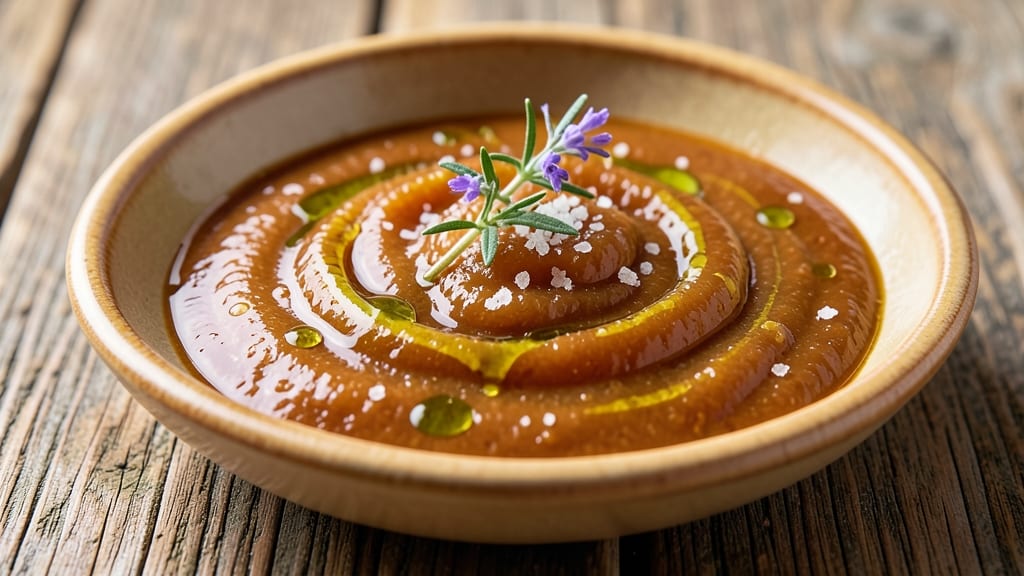
This apricot mustard sauce recipe transforms ordinary meals into something extraordinary with its perfect balance of tangy mustard and sweet apricot.
The secret lies in combining apricot preserves with Dijon mustard and a touch of vinegar, creating a versatile sauce that glides effortlessly over grilled meats, roasted vegetables, or even sandwiches.
I developed this recipe after years of experimenting with fruit-based sauces, and it never fails to elevate simple dishes to restaurant-quality.
The beauty of this sauce is its simplicity—just five core ingredients come together in minutes to create a smooth, glossy glaze that's both sweet and tangy. The apricot preserves provide natural sweetness, while the Dijon mustard adds depth and a subtle kick.
A splash of apple cider vinegar brightens the flavors, ensuring the sauce isn't too heavy. What you'll end up with is a sauce that's rich enough to stand alone but balanced enough to complement any dish.
This apricot mustard sauce works as a marinade, glaze, or dipping sauce, making it a versatile addition to your kitchen. It pairs beautifully with grilled chicken, pork chops, or even roasted Brussels sprouts. The sauce thickens slightly as it cools, creating a perfect consistency for drizzling or spreading.
It also stores well in the refrigerator for up to two weeks, so you can make a batch ahead and keep it on hand for quick meals.
For an extra layer of flavor, consider adding a pinch of smoked paprika or a dash of honey to customize the sauce to your taste. Whether you're hosting a dinner party or just looking to add excitement to a weeknight meal, this sauce is a game-changer.
Let's get started on creating something that will make your dishes shine.
Ingredients for apricot mustard sauce
Five simple ingredients create a tangy-sweet sauce that glides over grilled meats and roasted veggies like magic.
| Ingredient | Amount | Notes |
|---|---|---|
| Apricot Preserves 🍑 | 1 cup | High-quality, no added sugar preferred |
| Dijon Mustard 🌶️ | ½ cup | Mild or hot depending on preference |
| Apple Cider Vinegar 🍏 | ¼ cup | Unfiltered for extra flavor |
| Extra-Virgin Olive Oil 🫒 | ¼ cup | For richness and smoothness |
| Granulated Sugar 🍚 | 1 tbsp | Adjust to taste for sweetness |
| Salt 🧂 | ½ tsp | Kosher or sea salt preferred |
| Smoked Paprika 🌶️ | ¼ tsp | Optional for depth (add last) |
The apricot preserves are the heart of this sauce, so grab a good-quality jar—Mott's or Bon Appétit brands work well. The Dijon mustard should be smooth, not grainy (I always reach for Amoy or Maille for that perfect balance). Apple cider vinegar adds brightness, and Bragg or Texas Pete are my go-tos for that authentic tang. Extra-virgin olive oil matters here too—look for California Olive Ranch or Colavita for a fruity, rich flavor that won’t overpower the other ingredients. If you’re short on time, any good-quality olive oil will work, but don’t skip it entirely.
No Dijon mustard? Whole-grain mustard thinned with a splash of water works in a pinch, though it’ll be slightly grainier. Short on apricot preserves? Peach or mango preserves swap right in—just adjust sugar to taste. The vinegar can be swapped for white wine vinegar or lemon juice, but apple cider gives that signature depth. For extra richness, stir in 1 tbsp of heavy cream at the end, but keep it optional so the sauce stays versatile. And if you’re feeling adventurous, a dash of honey (about 1 tsp) can replace the sugar entirely for a floral twist.
This sauce thickens as it cools, so don’t worry if it looks thin right after mixing. Store it in a glass jar in the fridge for up to 2 weeks, or freeze for 3 months in ice cube trays for single-serving portions. It reheats beautifully—just warm it gently on the stove with a splash of water if it thickens too much. I like to drizzle it over grilled chicken or roasted Brussels sprouts, but it’s also perfect for sandwiches or as a dip for fries. Make a double batch—you’ll want it on hand for everything.
Why You'll Love This Recipe
- Five-Ingredient Magic: Honestly, this sauce comes together with stuff you’re probably already stocking—no specialty shopping required. Just stir, taste, adjust, and boom: flavor without the fuss.
- Sweet-Tangy Balance: That first bite of apricot jam and Dijon mustard? It’s like a hug for your taste buds—bright, rich, and just a little sharp. The apple cider vinegar cuts through the sweetness so it doesn’t get cloying, and the olive oil ties it all together.
- Glazes Everything: Grilled chicken? Check. Roasted veggies? Done. Even plain yogurt with toast gets a gourmet upgrade. I’ve drizzled it over salmon, tossed it with pasta, and even slathered it on sandwiches—it’s the secret weapon I didn’t know I needed.
- Makes Leftovers Worth It: Between us, this sauce keeps for weeks in the fridge and only gets better as the flavors meld. I’ll make a big batch, store it in jars, and pull it out whenever I need a quick, restaurant-worthy finish—no last-minute scrambling.
Step-by-step instructions for apricot mustard sauce
Here's how to blend sweet and tangy flavors into a glossy sauce perfect for drizzling.
Warm the Apricot Preserves and Mustard
Place the 1 cup apricot preserves and 0.5 cup Dijon mustard in a medium saucepan over medium-low heat. Stir gently to combine while warming—this helps the flavors meld before adding other ingredients. You'll see the mixture thicken slightly as it heats, which is exactly what we want for that glossy finish.
Keep the heat at medium-low and stir occasionally for about 5 minutes. The sauce should feel slightly looser but still hold its shape when you run a spoon through it. If you notice any lumps forming, use a whisk to smooth them out completely. This is the foundation of your sauce, so take your time here to get it just right.
Add Vinegar and Sugar for Balance
Once the apricot and mustard mixture is smooth and warmed through, reduce the heat to low and add the 0.25 cup apple cider vinegar and 1 tablespoon granulated sugar. Stir well to combine—this is where the tangy-sweet balance comes together. The vinegar will brighten the flavors while the sugar rounds out the sharpness of the mustard.
Let the sauce simmer gently for about 3 minutes, stirring occasionally. You'll notice the mixture becoming more cohesive and developing a beautiful sheen. Taste it now—it should be pleasantly sweet with a noticeable tang. If you prefer it sweeter, add a pinch more sugar, or if it's too sharp, a tiny splash of vinegar can help balance it. This is your chance to adjust before moving forward.
Incorporate Olive Oil for Richness
With the sauce still at low heat, slowly drizzle in the 0.25 cup extra-virgin olive oil while whisking constantly. The oil will emulsify with the other ingredients, creating that silky, glossy texture we're after. Keep whisking for about 2 minutes until everything is fully combined and the sauce looks smooth and velvety.
Here's the thing—don't rush this step. The oil needs time to fully integrate, so keep whisking until the sauce holds its shape when you run a spoon through it. If it looks too thick, add a teaspoon of water or vinegar to loosen it slightly. The goal is a sauce that coats the back of a spoon but still flows easily when drizzled.
Season and Finish with Smoked Paprika
Remove the sauce from heat and stir in the 0.5 teaspoon salt and 0.25 teaspoon smoked paprika. The salt will enhance all the flavors, while the smoked paprika adds a subtle depth that ties everything together. Give it one last taste—it should be perfectly balanced with sweet, tangy, and slightly smoky notes.
Let the sauce cool slightly before using it, especially if you're drizzling it over hot foods. This gives it time to thicken just a bit more, making it ideal for glaze or dip. If you're not using it immediately, transfer it to a jar and store it in the refrigerator for up to 2 weeks. The flavors will continue to meld and deepen over time, making it even more delicious.
Pro Tips For Making Apricot Mustard Sauce
- STIR CONSTANTLY AT FIRST: The first 30 seconds of simmering are where the magic happens—or where it burns. Apricot preserves have a way of seizing up if you walk away, so keep that spoon moving until everything’s smooth and the sugar starts dissolving. I learned this the hard way when my sauce turned into a sticky, lumpy mess.
- USE WARM PRESERVES: Cold apricot preserves will make your sauce clump like glue. Pop the jar in warm water for 2 minutes before measuring—just enough to loosen the jam and blend it seamlessly with the mustard. Trust me, your sauce will thank you.
- MEASURE VINEGAR PRECISELY: Apple cider vinegar isn’t just for tang—it’s the balance. Too little and the mustard dominates; too much and the apricot flavor disappears. Stick to the recipe’s ratio and taste as you go. (Yes, even if you’re impatient like me.)
- FINISH WITH OIL IN STREAMS: Drizzle the olive oil in slowly while stirring—this emulsifies the sauce instead of letting it split. A tablespoon at a time, not a dump. Sounds weird, but it works: your sauce will stay glossy and cohesive, not greasy.
Regional styles of this recipe
Southern BBQ Glaze
In the South, this sauce becomes a sticky-sweet glaze for pulled pork or ribs. I add 1 tbsp of honey and ½ tsp of cayenne pepper to the base recipe, then simmer it for 10 minutes until thickened.
Brush it generously over pork shoulder during the last 30 minutes of cooking for that perfect caramelized crust. 🌶️
French Bistro Sauce
French chefs often use this sauce as a sauce mignonnette for duck or pork tenderloin. I reduce the apple cider vinegar to 2 tablespoons and add 1 tablespoon of fresh thyme leaves and 1 minced garlic clove.
Serve it warm with roasted duck breasts or drizzle over a pork medallion at the table. The thyme adds an earthy depth that pairs beautifully with rich meats.
Mediterranean Roasted Veggies
In Mediterranean cuisine, this sauce transforms into a vibrant dip or glaze for roasted vegetables. I swap the smoked paprika for 1 tsp of dried oregano and ½ tsp of ground cumin, then drizzle it over roasted eggplant, zucchini, or bell peppers.
The tangy-sweet balance cuts through the richness of roasted veggies, making it a perfect side for grilled lamb or fish. 🍆
German Bratwurst Dip
German-style bratswurst benefits from a tangier version of this sauce. I reduce the apricot preserves to ½ cup and add 1 tbsp of whole-grain mustard and 1 tsp of caraway seeds.
Serve it warm as a dip for pretzels or soft pretzel buns. The caraway seeds add a distinct German flavor that pairs perfectly with the smoky, savory notes of bratwurst.
Middle Eastern Grill Sauce
For a Middle Eastern twist, I blend in 1 tbsp of tahini and ½ tsp of ground coriander into the sauce. This version works beautifully as a marinade for grilled lamb chops or as a sauce for falafel wraps.
The tahini adds a creamy texture that balances the sweetness and tang, while the coriander brings a bright, citrusy note. 🌿
Italian Panini Spread
In Italy, this sauce becomes a star in panini sandwiches. I add 1 tbsp of balsamic vinegar and ½ tsp of dried rosemary to the base recipe, then spread it generously between layers of prosciutto, fresh mozzarella, and roasted peppers.
The balsamic adds a deep, tangy complexity that complements the sweetness of the apricot and the saltiness of the prosciutto. Toast the sandwich in a panini press for the perfect crispy exterior.
Nutrition facts
Frequently asked questions
Can I substitute apricot preserves with other fruit preserves?
Peach, mango, or even plum preserves work beautifully—just adjust the sugar to taste since fruit ripeness varies. For a more tangy profile, try pineapple or cranberry preserves, though they'll change the flavor balance slightly. Always start with 1 cup and taste as you go.
How can I make this sauce thicker for glazing?
Simmer the sauce uncovered for an extra 5-10 minutes to reduce it, or add 1 tsp of cornstarch mixed with 1 tbsp water and stir until thickened. For a natural thickener, reduce the apple cider vinegar to 2 tbsp instead of ¼ cup—this helps create that glossy, clingy texture perfect for grilling.
Is this sauce vegan-friendly?
Mostly! Skip the honey (if using) and ensure your Dijon mustard is vegan-certified (many are). The base recipe is naturally vegan, but always check labels on preserves and vinegar for hidden animal products. For extra richness, add 1 tbsp of coconut cream instead of olive oil.
Why did my sauce separate?
This usually happens when oil is added too quickly or the sauce isn't whisked enough. To fix it, whisk vigorously or blend briefly with an immersion blender. For prevention, warm the oil slightly before adding it to the saucepan, and whisk constantly for 2-3 minutes after combining.
What's the best way to reheat this sauce?
Gently warm it in a small saucepan over low heat with a splash of water or vinegar to loosen it. Never microwave directly—it can make the sauce grainy. For best results, reheat just until warm (about 1-2 minutes)), then whisk until smooth. If it thickens too much, thin with a teaspoon of water.