
Sauces & Condiments
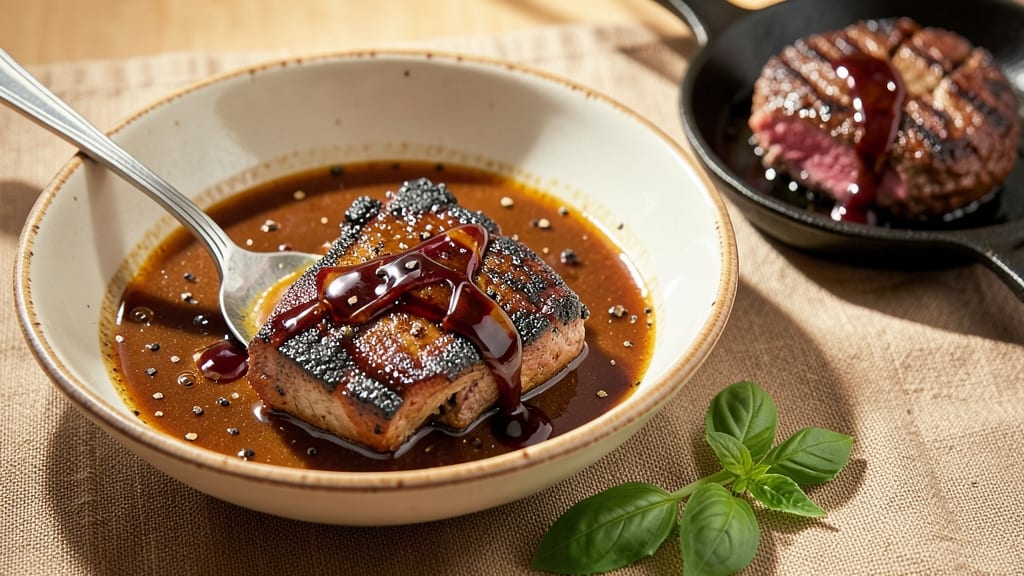
This balsamic barbecue sauce recipe transforms your grill into a flavor powerhouse, blending the deep tang of balsamic with classic smoky-sweet barbecue notes. 🔥 I developed it after years of perfecting the balance between sweetness and acidity—something that elevates everything from ribs to grilled vegetables. The secret lies in slow reduction, where the vinegar mellows while the spices deepen, creating a glossy finish that clings perfectly to charred surfaces.
The sauce starts with a rich tomato base, where balsamic vinegar adds complexity as it simmers down to a thick, syrupy consistency. Brown sugar and molasses provide the caramel depth, while smoked paprika and black pepper ground the flavors into something truly special.
What makes this different from store-bought versions is the patience in reducing—no rushing, just letting the flavors meld over low heat until it reaches that ideal glossy texture.
By the time you're done, you'll have a versatile sauce that works as a marinade, glaze, or dipping sauce—each use revealing a new layer of its depth. The tangy-sweet balance makes it perfect for pork, chicken, or even roasted vegetables, while its thick consistency ensures it doesn't pool or burn.
This isn't just a sauce; it's a flavor transformation that turns simple grilled meals into something extraordinary.
Store it in the fridge for up to two weeks, where the flavors continue to develop, or freeze for longer shelf life. The possibilities are endless—whether you're basting ribs, drizzling over grilled corn, or serving as a dip for fries. Let's get cooking!
Ingredients for balsamic barbecue sauce
Nine simple ingredients create a sauce that turns grilled meals into something extraordinary.
| Ingredient | Amount | Notes |
|---|---|---|
| Balsamic Vinegar 🍷 | ½ cup | High-quality aged balsamic |
| Tomato Paste 🍅 | ½ cup | Smooth, no-sugar-added preferred |
| Brown Sugar 🍯 | ½ cup | Light or dark works |
| Molasses 🍯 | ¼ cup | Unsulphured preferred |
| Smoked Paprika 🌶️ | 2 tbsp | For deep smoky flavor |
| Ground Black Pepper 🌶️ | 1 tsp | Freshly ground for best flavor |
| Garlic Cloves 🧄 | 3 cloves | Minced for even distribution |
| Onion Powder 🧅 | 1 tsp | For subtle depth |
| Apple Cider Vinegar 🍎 | 2 tbsp | Adds brightness |
| Water 💧 | ½ cup | For thinning if needed |
The balsamic vinegar is the heart of this sauce—look for aged balsamic at Whole Foods or Trader Joe's for that rich, caramelized depth. Tomato paste? Muir Glen is my go-to—no sugar added, just pure tomato flavor. Brown sugar and molasses should be organic if you can find them; they make all the difference in that caramelized gloss. Smoked paprika is non-negotiable here—Penzeys has the best selection if you want to splurge, but regular grocery store brands work too. The garlic and onion powder are just flavor anchors, but don't skip them—they tie everything together.
No aged balsamic? Regular balsamic vinegar plus a splash of red wine gets you close. Short on molasses? Maple syrup at half the amount works in a pinch. The sauce needs to reduce down to a thick, syrupy consistency—if it's too thick, add water a tablespoon at a time. For extra tang, add a pinch of Dijon mustard. And if you're feeling fancy, a dash of liquid smoke can deepen that smoky barbecue profile without overpowering. The key is patience—let it simmer low and slow until it reaches that perfect glossy sheen.
This sauce keeps beautifully in the fridge for up to two weeks, where the flavors actually deepen over time. For longer storage, freeze in ice cube trays—perfect for single-use portions. The glossy finish means it reheats well, so don't be afraid to make extra. I always double the batch because it disappears fast—great for grilling, roasting, or even drizzling over pizza. Store it in a clean, airtight jar, and trust me, you'll be reaching for it constantly.
Why You'll Love This Recipe
- Pantry Magic: I swear by this sauce because it only needs five things you’re already keeping in your cupboard. No fancy shopping trips—just balsamic, tomato paste, and a pinch of smoked paprika to turn everything into something special.
- Sweet-Smoky Umami Bomb: The molasses and brown sugar give it that deep, caramelized richness, while the balsamic cuts through with tangy brightness. Slather it on ribs, drizzle over grilled chicken, or toss with roasted veggies—every bite is a little flavor explosion.
- Weeknight to Dinner Party: Between us, this sauce is my secret weapon for lazy nights and impressing guests. Simmer it once, and suddenly you’ve got a showstopper for burgers, brined chicken, or even as a marinade. (Yes, even on a Tuesday night.)
- No-Waste Win: Make a big batch—it keeps for weeks in the fridge, and the flavor only gets better with time. I’ve used leftover sauce to glaze pork chops, mix into pasta, or even deglaze a pan after cooking. Zero guilt, all flavor.
Step-by-step instructions for balsamic barbecue sauce
Here's how to create a rich, tangy-sweet sauce that'll elevate any grilled or roasted dish.
🍳 Step 1: Sauté Aromatics Until Fragrant
Heat a medium saucepan over medium heat and add the 3 cloves minced garlic. Cook for 30 seconds until you can smell that sweet, pungent aroma—don't let it brown or it'll turn bitter. Here's the thing—garlic burns fast, so keep your eye on the pan.
Next, add the 2 tablespoons smoked paprika and 1 teaspoon onion powder. Stir constantly for 1 minute until the spices are fully incorporated and the mixture smells deeply smoky. This aromatic base is what gives your sauce that complex, layered flavor profile that makes it stand out from basic barbecue sauces.
🍳 Step 2: Build the Sauce Base with Sweet and Tangy Elements
Pour in the 0.5 cup tomato paste and stir vigorously to combine with the spices. You'll see it thicken immediately as it melts into the aromatic mixture. Add the 0.5 cup brown sugar and 0.25 cup molasses, stirring until completely dissolved and smooth.
Now for the tangy components: add the 0.5 cup balsamic vinegar and 2 tablespoons apple cider vinegar. You'll notice the mixture bubble slightly as the acids react with the sugars. This is normal and actually helps develop the sauce's depth of flavor. Let it simmer for 3-4 minutes until everything is well combined and the sugar has started to caramelize slightly.
🔥 Step 3: Simmer and Thicken the Sauce
Increase heat to medium-high and bring the mixture to a gentle boil. Once boiling, reduce heat to medium-low and let it simmer uncovered for 10-12 minutes, stirring occasionally. You're looking for the sauce to thicken noticeably—it should coat the back of a spoon when you lift it out for a taste test.
If the sauce becomes too thick before reaching the 10-minute mark, add the 0.5 cup water one tablespoon at a time until you reach your desired consistency. The sauce should be glossy and coat the back of a spoon but still be pourable. Real talk: this is where most home cooks go wrong—they either over-thicken it or make it too runny. Aim for that perfect balance between glossy and spreadable.
🥘 Step 4: Finish with Seasoning and Rest
Add the 1 teaspoon freshly ground black pepper and stir well. Taste the sauce and adjust the seasoning if needed—you might want to add a bit more brown sugar for sweetness or apple cider vinegar for tang. Remember, you can always adjust the balance later, but it's better to start with good proportions.
Remove the sauce from heat and let it cool for 5 minutes. This resting period allows the flavors to meld together and the sauce to thicken slightly as it cools. I know it's tempting to use it immediately, but trust me—this short wait makes a big difference in the final result. The sauce will keep in the refrigerator for up to 2 weeks, so you can make it ahead of time for your next cookout.
Pro Tips For Making Balsamic Barbecue Sauce
- Simmer Slow and Steady: This isn’t a race—reduce the sauce on medium-low heat after the initial boil. High heat turns balsamic vinegar bitter and burns the sugar, leaving you with a harsh, almost vinegary mess. I learned this the hard way when my first batch tasted like a wine spill in a dumpster.
- Deglaze First, Stir Constantly: After browning your aromatics (if you’re using onions or garlic), splash in a splash of water or vinegar and scrape the browned bits off the pan. Those bits pack flavor, and skipping this step means your sauce will taste flat. Stir every 30 seconds once the sauce hits the pot—lumps of tomato paste are the enemy.
- Balance the Sweetness: Brown sugar and molasses are sneaky—they can overpower the tang of balsamic if you’re not careful. Taste as you go, and if the sauce tastes cloyingly sweet, add a splash more vinegar or a pinch of salt. (Yes, even if the recipe says it’s balanced.) Trust your palate, not the measurements.
- Skip the Cheap Vinegar: Balsamic vinegar isn’t all created equal. The good stuff (aged, thick, and syrupy) costs more but makes a world of difference. I used to grab the $3 bottle, and my sauce always tasted thin and sharp. Now I splurge on a decent one—it’s the thing that matters most in this recipe.
Wine and beer pairings for balsamic barbecue sauce
Red Wine Pairings
For this tangy-sweet sauce, I always reach for a Chianti Classico—its bright acidity cuts through the richness while the cherry notes complement the smoky depth. A Sangiovese from Tuscany is my go-to, especially one with 12-15% alcohol to balance the sauce's sweetness.
If you prefer something lighter, try a Pinot Noir with its red fruit flavors and silky texture. 🍷
Pro tip: Chill your wine slightly before serving—55-60°F brings out the fruitiness without overwhelming the sauce's complexity. Avoid heavy, oaked wines like Cabernet Sauvignon; they'll clash with the vinegar's brightness.
Crisp Beer Matches
A Belgian Witbier like Hoegaarden is my favorite beer pairing—its coriander and citrus notes mirror the sauce's tangy-sweet profile. The effervescence also cleanses your palate between bites of grilled meats. For something more approachable, try an American Pale Ale with 4.5-5.5% ABV like Fat Tire or Blue Moon. 🍺
If you're serving this sauce on ribs or pulled pork, a German Kölsch offers a crisp, refreshing contrast. Avoid heavy stouts or IPAs—they'll overpower the delicate balance of flavors in the sauce.
Unexpected Pairings
For a non-alcoholic option, I love pairing this sauce with a sparkling apple cider—the bubbles and tartness create the same refreshing contrast as wine or beer. Look for brands like Martinelli's Sparkling Apple Cider for that perfect effervescent kick. 🍎
If you're serving the sauce as a dip for fries or veggies, a ginger beer like Feather's adds a spicy-sweet harmony that enhances the sauce's depth. The ginger's warmth complements the smoky paprika beautifully.
Seasonal Adjustments
In summer, I lean toward lighter pairings like rosé wine or wheat beers to balance the sauce's richness. A Provence rosé with its strawberry notes works wonderfully with grilled chicken or shrimp.
For winter meals, opt for Malbec or Amber Ale—their bold flavors stand up to the sauce's caramelized depth. ❄️
Remember, the key is balance: the drink should complement, not compete with, the sauce's tangy-sweet profile. Trust your palate—if the wine or beer tastes better than the food, it's not the right match!
Nutrition facts
Frequently asked questions
Can I use this sauce on non-meat dishes?
This versatile sauce works beautifully on grilled vegetables like eggplant, zucchini, or bell peppers. Try brushing it on portobello mushrooms before grilling, or drizzle over roasted Brussels sprouts. For a vegetarian twist, use it as a marinade for tofu or tempeh—it adds that same tangy-sweet depth that meat lovers adore. The key is to balance the sauce's richness with lighter ingredients.
How do I prevent the sauce from burning when grilling?
Apply the sauce in thin layers and use a basting brush to spread it evenly. For extra protection, let the meat sear first to develop a crust, then add the sauce. If you're worried about flare-ups, try mixing 1 tablespoon of olive oil into the sauce before applying—this creates a protective barrier. Never drown the meat in sauce, as this can cause burning or pooling.
What's the difference between this and regular barbecue sauce?
The balsamic vinegar transforms this into something entirely different—it adds a deep, caramelized tang that regular BBQ sauce lacks. While traditional BBQ sauce relies on ketchup and molasses, this version uses tomato paste and aged balsamic for complexity. The result is a glossy, slightly acidic sauce that works as both a marinade and glaze, rather than just a smoky-sweet topping.
Can I make this sauce without molasses?
Yes! For a 1:1 substitution, use maple syrup or honey. If you're avoiding sugar entirely, try date syrup (it adds a caramel-like depth). Just remember that molasses provides both sweetness and a subtle earthiness that other sweeteners can't fully replicate. Start with 2 tablespoons less of your substitute and adjust to taste.
How should I store leftover sauce?
Transfer to a clean, airtight container and refrigerate for up to 2 weeks. For longer storage, freeze in ice cube trays—perfect for single-use portions. When reheating, warm gently over low heat or microwave in 20-second bursts until just hot. The sauce thickens as it cools, so you may need to thin it with a splash of water or vinegar when reheating.