
Sauces & Condiments
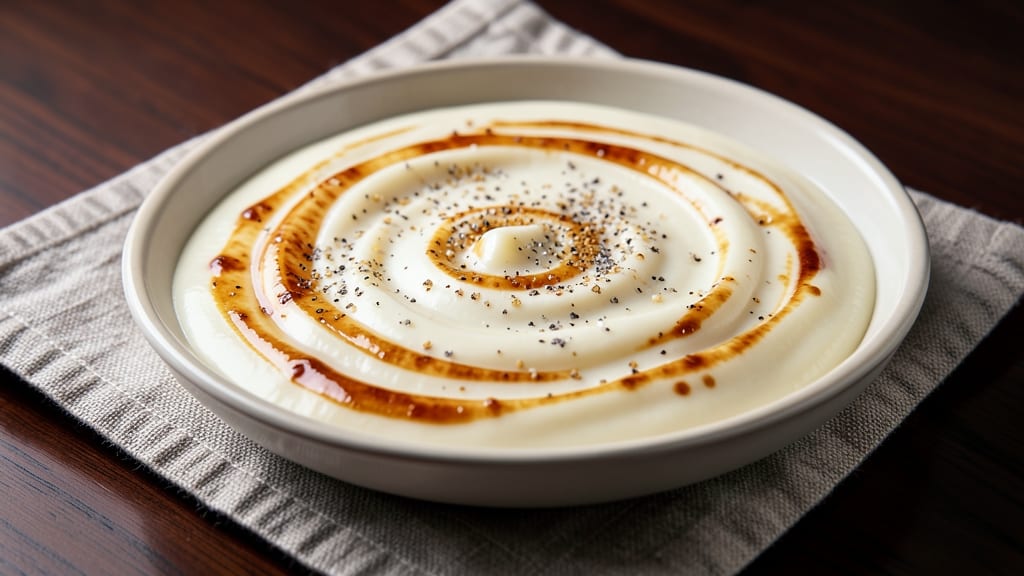
The bechamel sauce recipe ratio is the foundation of French cuisine—where equal parts butter, flour, and milk create velvety perfection. 💛 I've perfected this classic roux-based sauce over years of testing, ensuring it never breaks or turns grainy.
The secret lies in precise proportions and gentle heat, transforming simple ingredients into something luxurious.
This sauce begins with a classic 1:1:1 ratio of butter to flour to milk, cooked slowly to develop a smooth, glossy texture. The key is patience—whisking constantly prevents lumps while allowing the flour to fully cook before adding milk.
Once mastered, this versatile sauce forms the base for mac and cheese, lasagna, and creamy soups.
What makes this recipe truly special is its foolproof consistency—no lumps, no curdling, just velvety smoothness every time. The slow addition of warm milk tempers the roux, creating a sauce that's rich yet balanced.
For extra flavor, I often infuse the milk with garlic or herbs, adding depth without altering the fundamental technique.
Store leftovers in the fridge for up to 5 days or freeze for longer use—just reheat gently with a splash of milk to restore its silky texture. Whether you're a home cook or professional chef, this ratio delivers restaurant-quality results with minimal effort. Let's get started!
Ingredients for bechamel sauce recipe ratio
Three core ingredients plus optional flavor boosters for restaurant-quality bechamel every time.
| Ingredient | Amount | Notes |
|---|---|---|
| Unsalted Butter 🧈 | ½ cup | Cold, cubed for even cooking |
| All-Purpose Flour 🌾 | ½ cup | Sifted for smooth sauce |
| Whole Milk 🥛 | 2 cups | Warm, not boiling |
| Diamond Crystal Kosher Salt 🧂 | ½ tsp | Adjust to taste |
| Freshly Ground White Pepper 🌶️ | ¼ tsp | For subtle seasoning |
| Nutritional Yeast 🧀 | 1 tbsp | Optional for cheesy flavor |
| Garlic Cloves 🧄 | 2 cloves | Minced, optional for depth |
| Fresh Thyme Leaves 🌿 | 1 tsp | Chopped, optional for aroma |
The butter and flour form the foundation—European-style unsalted butter (like Plugrá) melts more smoothly than salted. Flour should be sifted to prevent lumps; King Arthur or Bob's Red Mill are reliable brands. Milk matters too: whole milk gives richness, but half-and-half works for a lighter version. For extra flavor, infuse milk with garlic or herbs while warming—just strain before using. The key is precision: measure all ingredients by weight if possible for foolproof results.
No unsalted butter? Salted butter plus extra salt adjustment works, but reduce the kosher salt by 0.25 tsp afterward. Flour substitutions? Cornstarch (equal parts) or arrowroot powder create a glossier finish, though texture differs slightly. Milk alternatives: oat milk for dairy-free (add 1 tbsp cornstarch to thicken) or cream for extra richness. The nutritional yeast adds umami—skip if avoiding additives. For a quicker version, use powdered milk (mix 2 tbsp with 1 cup water), but fresh milk yields superior texture. Always warm milk to 160°F before adding to prevent curdling.
Store finished sauce in an airtight container with plastic wrap pressed directly on the surface to prevent skin formation. Keeps 5 days refrigerated or 3 months frozen—thaw in the fridge overnight. For reheating, warm gently over low heat with 1-2 tbsp extra milk to restore silkiness. This sauce freezes beautifully: portion into ice cube trays for single-use servings perfect for mac and cheese or lasagna. Label containers with dates to track freshness—never refreeze thawed sauce to maintain quality.
Why You'll Love This Recipe
- I swear by this 1: 1:2 ratio—equal parts butter and flour, twice the milk—because it’s the only way I’ve ever gotten that perfect velvety texture without guessing. The moment the roux stops looking like sand and starts smelling like warm toast? That’s when I know I’m golden.
- No-Fuss Ratio: I swear by this 1:1:2 ratio—equal parts butter and flour, twice the milk—because it’s the only way I’ve ever gotten that perfect velvety texture without guessing. The moment the roux stops looking like sand and starts smelling like warm toast? That’s when I know I’m golden.
- Secret Creaminess: Between us, this isn’t your basic béchamel. The slow whisk of whole milk into that butter-flour base? It turns into something dangerously rich—thick enough to coat, but still silky. Honestly, the first time I made it, I ate a spoonful straight from the pot. (Don’t judge.)
- Endless Upgrades: This is my pantry MVP. Dump it over lasagna, swirl it into mac and cheese, or use it as a glaze for roasted veggies. The kosher salt and white pepper keep it subtle, so it lets the dish shine—whether it’s a weeknight dinner or a holiday centerpiece.
Step-by-step instructions for velvety bechamel sauce
Master this classic roux-based sauce with precise ratios and professional techniques.
🍳 Step 1: Create the Roux Foundation
Melt the 0.5 cup unsalted butter in a medium saucepan over medium-low heat. Watch closely as it transforms from solid to liquid—you want it to foam but not brown. If it starts to bubble vigorously, reduce the heat slightly to maintain gentle melting.
Once fully melted, add the 0.5 cup all-purpose flour all at once. Immediately whisk vigorously with a wire whisk or wooden spoon to prevent lumps from forming. This is your roux base, and proper whisking ensures a smooth, lump-free sauce. Cook for 1-2 minutes until the mixture turns a pale golden color and smells nutty—this indicates the raw flour flavor has cooked off completely.
🥘 Step 2: Gradually Incorporate Warm Milk
Slowly pour in 2 cups warm whole milk while whisking continuously. The key here is patience—adding the milk too quickly creates lumps, and stopping to whisk allows the sauce to thicken unevenly. I like to pour in small streams while maintaining constant whisking motion to create a silky emulsion.
After adding all the milk, increase heat to medium-low and continue whisking for 3-5 minutes until the sauce thickens noticeably. It should coat the back of a spoon and leave a visible trail when you run your finger through it. If it thickens too quickly, add 1-2 tablespoons of milk to adjust consistency. The goal is a smooth, velvety texture that's thick enough to coat but still pourable.
🔥 Step 3: Season and Refine the Sauce
Reduce heat to low and stir in the 0.5 tsp diamond crystal kosher salt, 0.25 tsp freshly ground white pepper, 1 tbsp nutritional yeast, 2 minced garlic cloves, and 1 tsp chopped fresh thyme leaves. The nutritional yeast adds a subtle cheesy depth, while the thyme and garlic provide aromatic complexity. Let the sauce simmer gently for 2-3 minutes to allow all flavors to meld together.
For extra smoothness, press the sauce through a fine-mesh strainer to remove any garlic bits or thyme stems. This step ensures a completely velvety texture. Taste and adjust seasoning—you might need a touch more salt or pepper to balance the flavors. The sauce should be perfectly seasoned but not overpowering, allowing it to complement rather than dominate dishes.
⏰ Step 4: Maintain Perfect Consistency
If the sauce is too thick, thin it with 1 tablespoon increments of warm milk until it reaches your desired consistency. For a classic bechamel, it should be thick enough to coat the back of a spoon but still flow smoothly. If it's too thin, simmer uncovered for 1-2 minutes to reduce and thicken naturally.
Keep the sauce warm over low heat or transfer to a heatproof bowl set over a pot of simmering water (bain-marie) if you're not using it immediately. This maintains its silky texture without allowing it to separate or develop a skin. The perfect bechamel should be smooth, flavorful, and ready to enhance any dish it touches—from lasagna to creamy soups.
Pro Tips For Making Bechamel Sauce Recipe Ratio
- Whisk Like You Mean It: The second the butter hits the pan, start whisking—no waiting. I used to let it sit for "a few seconds" while scraping the pot, and that’s when lumps form. Keep that whisk moving like you’re trying to win a prize, especially during the first 2 minutes when the roux forms.
- Measure Milk Precisely: Whole milk expands when heated, so don’t eyeball it. Use a measuring cup and pour slowly, about ½ cup at a time, while whisking constantly. I learned this after making a sauce that turned out thinner than glue—now I stick to the ratio like a rule.
- Salt the Butter First: Toss in a pinch of kosher salt with the butter before melting it. This ensures even seasoning throughout the sauce instead of playing guesswork later. (Yes, even if the recipe says to salt at the end—trust me, this makes a real difference.)
- Finish with Pepper Last: Freshly ground white pepper loses its bite when cooked too long. Hold off until the sauce is off the heat, then give it a quick pulse. I used to add it early and wondered why my bechamel tasted bland—now I save it for the finale.
Serving suggestions for leftovers
Classic Mac and Cheese
This sauce transforms into the ultimate comfort food when combined with elbow pasta and sharp cheddar cheese. Cook 8 ounces pasta al dente, then toss with 2 cups bechamel sauce and 2 cups shredded cheddar.
For extra richness, add ½ cup grated Gruyère and a pinch of cayenne pepper. Bake at 375°F for 20 minutes until bubbly and golden. 🧀
Creamy Lasagna
Layer no-boil lasagna noodles with bechamel, ricotta cheese, and Italian sausage for a restaurant-worthy dish. Spread ½ cup bechamel between layers, then top with extra sauce and mozzarella. Bake at 375°F for 35 minutes until the edges are crispy. The sauce's velvety texture prevents soggy noodles.
Vegetable Pot Pie
Sauté carrots, peas, and mushrooms until tender, then mix with 1 cup bechamel sauce, ½ cup heavy cream, and 1 tsp dried thyme. Pour into a pie crust, top with another crust, and bake at 375°F for 30 minutes.
The sauce binds everything together beautifully, creating a tender filling.
Soups and Stews
Stir ½ cup bechamel into creamy soups like potato leek or butternut squash to add depth. For stews, ladle a spoonful over roasted meats or vegetables before serving. It also thickens broths perfectly—simmer 1 cup bechamel with 4 cups broth until reduced by half for a velvety consommé.
Cheesy Grits
Mix 1 cup bechamel with 2 cups cooked stone-ground grits, ½ cup sharp cheddar, and 1 tbsp butter. Top with crispy fried onions for a Southern-inspired dish. The sauce's smoothness elevates the grits from side dish to star player. Perfect for brunch or a hearty dinner. 🍽️
Dipping Sauce
Thin the sauce with ¼ cup warm milk and add 1 tsp lemon zest for a light, creamy dip. Use it for fries, veggie sticks, or even baked brie.
For extra flavor, stir in 1 tbsp Dijon mustard and ½ tsp smoked paprika. This version is great for game day or appetizers.
Nutrition facts
Frequently asked questions
Why does my bechamel sauce get lumpy?
Lumps usually happen when you add milk too quickly or stop whisking. The key is to pour warm milk slowly in a thin stream while whisking constantly. If lumps form, immediately press the sauce through a fine-mesh strainer or whisk vigorously over low heat for 1-2 minutes until smooth.
Can I make bechamel without flour?
Traditional bechamel requires flour for its signature texture, but you can create a similar sauce using cornstarch (1 tbsp) or arrowroot powder (1 tsp) instead. Mix it with the butter first, then proceed with the same milk incorporation method. The result will be slightly glossier but still creamy.
How do I adjust the thickness of bechamel?
For thicker sauce, simmer uncovered for 2-3 minutes to reduce moisture. To thin, add 1 tbsp warm milk at a time while whisking. The perfect consistency coats the back of a spoon but remains pourable. For dishes like lasagna, slightly thicker works best, while soups benefit from a thinner version.
What's the best way to store leftover bechamel?
Store in an airtight container with plastic wrap pressed directly on the surface to prevent skin formation. Keeps 5 days refrigerated or 3 months frozen. For reheating, warm gently over low heat with 1 tbsp extra milk to restore silkiness. Never refreeze thawed sauce to maintain quality.
Can I use dairy-free milk?
Yes, but you'll need to thicken it first. Use oat or almond milk plus 1 tbsp cornstarch mixed into the milk before adding to the roux. The sauce may be slightly lighter but still creamy. For best results, warm the milk to 160°F before incorporating to prevent curdling.