
Sauces & Condiments
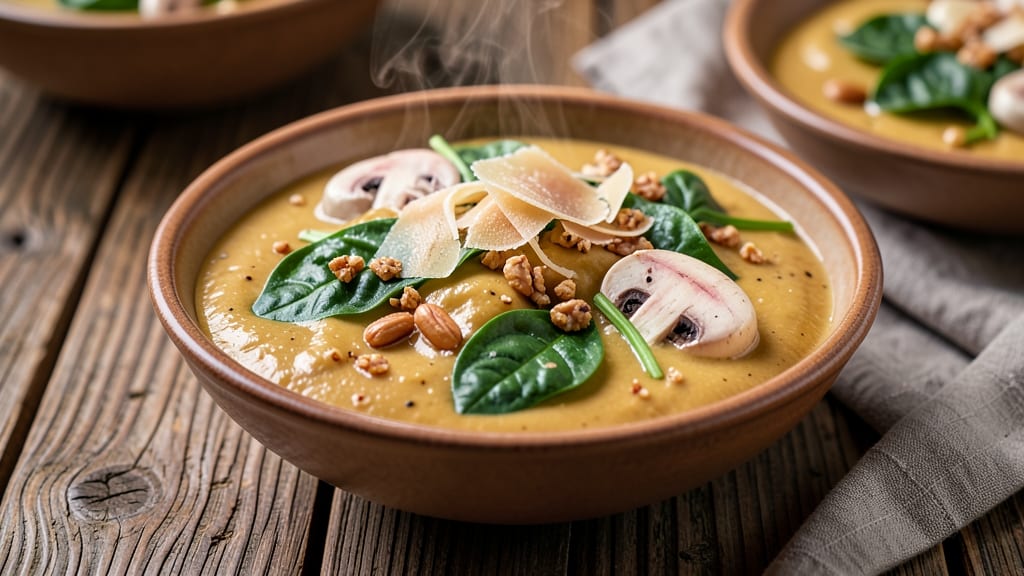
This creamy Alfredo sauce recipe transforms ordinary meals into restaurant-quality dishes with a velvety texture and hidden vegetable power. The secret lies in balancing rich cream and sharp Parmesan while incorporating sautéed vegetables that add depth without overpowering the sauce's signature richness.
What makes this version special is how it turns simple ingredients into a sauce that's both indulgent and nutritious.
The foundation starts with a classic roux—equal parts butter and flour cooked until golden—then enriched with heavy cream and freshly grated Parmesan. This creates that signature smooth, velvety consistency that clings perfectly to pasta or proteins.
The real innovation comes from adding vegetables like spinach, mushrooms, or bell peppers that wilt into the sauce, boosting nutrition while enhancing flavor with their natural sweetness and earthiness.
What you'll end up with is a sauce that's impossibly creamy yet light enough to coat every strand of pasta or chicken breast without feeling heavy. The vegetables melt into the sauce, creating subtle pops of flavor that make each bite more complex.
This recipe delivers restaurant-quality results in just 20 minutes, with ingredients you likely already have on hand.
The best part? This sauce keeps beautifully for up to 5 days in the refrigerator or can be frozen for longer storage. Use it on fettuccine, toss with grilled chicken, or drizzle over roasted vegetables.
The possibilities are endless, but the execution is simple and foolproof—perfect for weeknight dinners or special occasions alike.
Ingredients for alfredo sauce with vegetables
Ten ingredients transform into velvety Alfredo sauce with hidden vegetable depth and restaurant-quality richness.
| Ingredient | Amount | Notes |
|---|---|---|
| Unsalted Butter 🧈 | ½ cup | Cold, cubed for roux |
| All-Purpose Flour 🌾 | ½ cup | Sifted for smooth texture |
| Heavy Cream 🥛 | 1 ½ cups | Full-fat for richness |
| Freshly Grated Parmesan Cheese 🧀 | 1 ½ cups | Block, not pre-grated |
| Fresh Spinach 🌿 | 4 cups | Chopped, packed |
| Cream Mushrooms 🍄 | 8 oz | Sliced, wiped clean |
| Red Bell Pepper 🌶️ | 1 whole | Diced, seeds removed |
| Garlic Cloves 🧄 | 4 cloves | Minced, aromatic |
| Diamond Crystal Kosher Salt 🧂 | ½ tsp | Fine grain preferred |
| Freshly Ground Black Pepper 🌶️ | ¼ tsp | For finishing |
The foundation begins with unsalted butter—never salted, as it can alter the balance of flavors. For optimal quality, source European-style butter from brands like Plugrá or Land O'Lakes Organic, which contain higher fat content for that signature richness. The Parmesan cheese is non-negotiable; use a Parmigiano-Reggiano wedge from a specialty shop like Whole Foods or Eataly—pre-grated versions contain anti-caking agents that ruin the sauce's velvety texture. The vegetables should be fresh but not overly sweet; local farmers' markets often carry mushrooms and bell peppers with superior flavor profiles.
No heavy cream? Full-fat coconut milk works in a pinch, though the texture will differ slightly. Substitute nutritional yeast for Parmesan if dairy-free is required, but the flavor won't be identical. For the vegetables, frozen spinach (thawed and drained) can replace fresh, though it lacks the vibrant color. If you're short on time, jarred roasted red peppers (drained) add depth without chopping. The garlic can be roasted ahead for a sweeter, more mellow flavor—simply toss minced cloves with olive oil, salt, and roast at 400°F for 8-10 minutes before adding to the sauce.
This sauce thickens as it cools, so reheat with a splash of warm water or milk to restore creaminess. Store in an airtight container for up to 5 days in the refrigerator, or freeze in ice cube trays for single-serving portions. For best results, bring to a simmer before freezing. The sauce pairs beautifully with fettuccine, grilled chicken, or roasted vegetables, and the hidden vegetables make it a nutritious upgrade over traditional Alfredo.
Why You'll Love This Recipe
- One-Pot Magic: I swear by this sauce—just melt butter, whisk in flour, pour in cream, and let it thicken. No extra bowls, no fuss, and that first spoonful of velvety richness? Pure reward.
- Creamy Without Clutter: The heavy cream and Parmesan team up for a sauce that’s rich but not heavy, balanced by the bright spinach. Honestly, it’s the kind of dish where every bite feels like a hug—warm, comforting, and just salty enough.
- Leftover Goldmine: This sauce doubles as tomorrow’s lunch. Toss it with leftover pasta, stir-fry veggies, or even drizzle it over grilled chicken. My freezer’s full of it, and it reheats like a dream—no lumps, no sad textures.
- Budget-Friendly Luxury: Butter and cream might sound fancy, but this recipe stretches far. A single batch feeds four, and the Parmesan’s sharp bite makes it feel indulgent without breaking the bank. (Yes, even on a Tuesday night.)
Step-by-step instructions for velvety Alfredo sauce with vegetables
Master this technique and you'll create a restaurant-quality Alfredo sauce with hidden vegetables that add depth without compromising creaminess.
Create the Perfect Roux Foundation
In a heavy-bottomed saucepan, melt the 0.5 cup unsalted butter over medium-low heat. Once fully melted and foaming subsides, immediately whisk in the 0.5 cup all-purpose flour all at once. This creates a roux that will form the velvety base of your sauce.
Cook the roux for 3-4 minutes, stirring constantly with a wooden spoon or whisk, until it turns a rich, golden nutmeg color and smells toasty. This color change indicates the raw flour flavor has cooked off and the starch has fully activated. If you see any brown spots, reduce heat immediately—burnt flour will make your sauce bitter. The roux should coat the back of a spoon smoothly without graininess.
Gradually Incorporate Heavy Cream
Slowly pour in the 1.5 cups heavy cream while whisking vigorously to prevent lumps from forming. I add it in a thin, steady stream—about ¼ cup at a time—allowing each addition to fully incorporate before adding more. This gradual approach creates an emulsified sauce rather than a broken one.
Bring the mixture to a gentle simmer over medium heat, then reduce heat to low and let it cook uncovered for 8-10 minutes. Stir occasionally with a wooden spoon, scraping up any browned bits from the bottom of the pan. These bits contain concentrated flavor that will infuse your sauce. You're looking for the sauce to thicken noticeably but still coat the back of a spoon smoothly.
Add Vegetables for Hidden Nutrition
While the sauce thickens, prepare your vegetables: wipe the 8 oz cream mushrooms clean with a damp paper towel, slice them, and set aside. Dice the 1 whole red bell pepper, remove seeds, and mince the 4 cloves garlic. Add these to the simmering sauce along with the 4 cups fresh spinach and 0.5 tsp diamond crystal kosher salt.
Let the vegetables cook for 5-6 minutes until the mushrooms are tender and the spinach has wilted completely. The bell pepper should soften but retain some texture. Stir frequently to distribute heat evenly—vegetables cook faster than you might expect in this rich environment. The sauce should remain smooth but slightly thicker from the vegetable moisture.
Finish with Cheese and Seasoning
Reduce heat to lowest setting and gradually whisk in the 1.5 cups freshly grated Parmesan cheese in three additions. This prevents the cheese from clumping and ensures even distribution. Stir constantly for 2-3 minutes until the cheese has fully melted and the sauce becomes luxuriously creamy. The sauce should now coat the back of a spoon like liquid silk.
Remove from heat and stir in the 0.25 tsp freshly ground black pepper. Taste and adjust seasoning—you may need a pinch more salt to balance the rich cream and salty Parmesan. For extra flavor, you could add a splash of pasta water if the sauce becomes too thick while serving. Cover the saucepan and let it rest for 5 minutes before serving to allow flavors to meld completely.
Serve Immediately Over Pasta
Ladle the warm sauce over al dente pasta (about 12 oz uncooked) and toss gently to coat evenly. The sauce should cling to every strand without making the pasta soggy. Serve immediately while hot, garnished with additional Parmesan if desired. Each bite should deliver creamy richness with subtle vegetable notes—proof that nutrition doesn't have to sacrifice for flavor.
Pro Tips For Making Alfredo Sauce With Vegetables
- Whisk Like You Mean It: The roux is where flavor starts—don’t stir it like you’re folding laundry. Use a wooden spoon or whisk and keep the heat medium-low while cooking the butter and flour together. I learned this the hard way: rushing it turns the sauce grainy, and no one wants gritty Alfredo.
- Grate Parmesan Fresh: Pre-shredded cheese is coated with anti-caking agents that make your sauce taste like sawdust. Use a microplane or fine grater right before adding it to the sauce—even if it takes 30 seconds more. The difference in creaminess and flavor is night and day.
- Don’t Boil the Cream: Heavy cream curdles fast when it hits boiling, and once it does, your sauce turns into a sad, lumpy mess. Keep the heat low after adding the cream, and if it starts to bubble, pull the pan off the heat for 10 seconds. Patience here saves cleanup later.
- Wilt Spinach Last: Tossing spinach into the simmering sauce too early wilts it into oblivion—you’ll end up with a mushy, sad pile. Instead, add it in the final 30 seconds, stir once, then turn off the heat. The residual heat wilts it perfectly without killing its bright color.
Essential equipment for great alfredo sauce with vegetables
Heavy-Bottomed Saucepan
The 3-quart heavy-bottomed saucepan is your secret weapon for Alfredo sauce—it prevents scorching and distributes heat evenly. I swear by All-Clad Stainless Steel or Le Creuset Dutch ovens for their superior heat retention.
If you're on a budget, a Calphalon nonstick saucepan works well too, though avoid nonstick at all costs for browning the roux. 🔥
Whisk Essentials
A balloon whisk with a 10-inch head is perfect for creating that signature velvety texture. I recommend OXO Good Grips for its ergonomic handle and durable wires. For the roux stage, a wooden spoon helps prevent lumps better than metal utensils. Avoid plastic—it can melt from the high heat.
Fine-Mesh Strainer
If you're straining your sauce for ultra-smoothness, a fine-mesh stainless steel strainer like the Hamilton Beach model removes any vegetable fibers while keeping the creamy consistency. This step is optional but makes a noticeable difference for restaurant-quality results.
For the vegetables, a sharp chef's knife and cutting board are essential—Wüsthof or Victorinox are my go-tos.
Thermometer for Precision
While not mandatory, a candy or instant-read thermometer helps you nail the perfect roux temperature—aim for 160-170°F when adding cream. The Thermoworks Thermapen is my favorite for its speed and accuracy. This ensures your sauce thickens properly without breaking or burning.
Air-Tight Storage
For leftovers, transfer sauce to glass storage containers with tight-sealing lids—I love Pyrex Simply Store or Rubbermaid Brilliance. These maintain freshness longer than plastic. For freezing, use silicone ice cube trays to portion individual servings—just pop out and reheat as needed. 💫
Nutrition facts
Frequently asked questions
Can I make this Alfredo sauce without heavy cream?
Yes! For a lighter version, substitute 1 cup whole milk with ½ cup half-and-half—the sauce will be slightly thinner but still creamy. For a dairy-free option, use full-fat coconut milk (though the texture will differ). The key is to simmer the sauce longer to thicken it properly.
What vegetables work best in this sauce?
This recipe uses spinach, mushrooms, and bell peppers for their mild flavors and ability to blend seamlessly. Other great options include zucchini, asparagus, or roasted garlic. Avoid strong vegetables like broccoli or Brussels sprouts—they can overpower the creamy base.
Why did my Alfredo sauce turn out grainy?
Graininess usually happens when the roux burns or the sauce isn't stirred enough while thickening. Always cook the roux over medium-low heat until golden (not brown) and whisk constantly when adding cream. If it's already grainy, strain it through a fine-mesh sieve for silky smoothness.
How long does this sauce keep in the fridge?
Store in an airtight container for up to 5 days in the refrigerator. The sauce will thicken as it cools, so reheat gently with a splash of warm water or milk. For longer storage, freeze in 1-cup portions for up to 3 months. Thaw overnight in the fridge before reheating.
Can I use pre-grated Parmesan?
Pre-grated Parmesan contains anti-caking agents that can make your sauce clump or separate. For the best results, always use freshly grated block Parmesan**. If you're short on time, grate your own using a microplane—it makes all the difference in texture and flavor.