
Sauces & Condiments
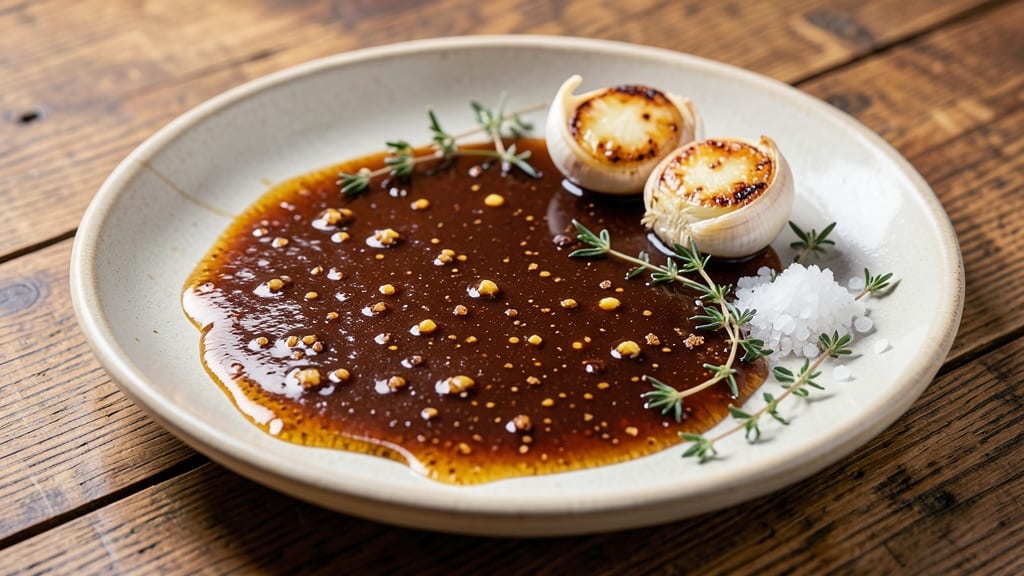
This balsamic teriyaki sauce recipe transforms ordinary grilled meats and noodles into restaurant-worthy dishes with just a few pantry staples. The perfect balance of sweet, tangy, and umami flavors comes from simmering soy sauce, balsamic vinegar, and brown sugar until thick and glossy.
I developed this sauce after craving a glaze that could elevate everything from chicken thighs to stir-fried vegetables—without the hassle of store-bought versions packed with preservatives.
The magic happens in the simmering process, where the vinegar’s acidity cuts through the richness of the soy and sugar, creating depth that lingers on your palate. A touch of cornstarch thickens it just enough for a glossy finish, while a splash of honey adds subtle complexity.
What makes this sauce truly versatile is its dual-purpose nature: use it as a marinade, a glaze for seared proteins, or a dipping sauce for spring rolls. The balsamic vinegar adds a sophisticated tang that sets it apart from traditional teriyaki.
By the time you’re done, you’ll have a sweet-tangy glaze that caramelizes beautifully on high-heat grills or skillets, locking in moisture and flavor. The sauce thickens as it cools, making it ideal for meal prep—store it in the fridge for up to 2 weeks or freeze for 3 months.
Whether you’re glazing salmon, tossing noodles, or drizzling over grilled vegetables, this sauce delivers professional results with minimal effort.
For extra richness, stir in a pat of butter at the end, or swap the honey for maple syrup for a deeper caramel note. The possibilities are endless, but the base recipe remains foolproof. Let’s get cooking!
Ingredients for balsamic teriyaki sauce
Pantry staples that transform into a restaurant-worthy glaze with just 10 minutes of simmering.
| Ingredient | Amount | Notes |
|---|---|---|
| Soy Sauce 🍶 | ½ cup | Low-sodium preferred, Asian variety |
| Balsamic Vinegar 🍷 | ¼ cup | Aged 12+ months for depth |
| Brown Sugar 🍚 | ¼ cup | Light or dark, packed tightly |
| Honey 🍯 | 2 tbsp | Wildflower or clover preferred |
| Cornstarch 🌾 | 1 tbsp | For thickening, dissolved first |
| Garlic Cloves 🧄 | 3 cloves | Minced for aromatic depth |
| Fresh Ginger 🌿 | 1 tbsp | Grated, for zesty kick |
| Sesame Oil 🫒 | 1 tbsp | Toasted, for nutty aroma |
| Water 💧 | ¼ cup | For thinning if needed |
| Salt 🧂 | ½ tsp | Kosher or sea salt |
The balsamic vinegar is non-negotiable here—look for aged varieties at Trader Joe's or Whole Foods. I grab the Italian import from the gourmet section when I can, but the regular stuff works fine. The soy sauce? Asian markets have the best selection—Kikkoman is reliable, but local brands often have more depth. Brown sugar should be packed tightly; don't scoop it loosely. For the honey, local honey adds subtle floral notes that jarred brands miss. Fresh ginger and garlic? Buy them last at the grocery store—they lose potency fastest.
No balsamic vinegar? Substitute with red wine vinegar plus 1 tsp sugar to mimic the tang. Out of honey? Maple syrup or agave work 1:1, though maple adds caramel undertones. Sesame oil giving you sticker shock? Toasted peanut butter at half the amount is a sneaky swap. The cornstarch is key for that glossy finish—arrowroot powder works too—but don't skip it. For extra umami, add 1 tsp fish sauce (if not vegetarian) or 1 tsp soy sauce reduction to the finished sauce. The sauce thickens as it cools, so start with slightly less cornstarch if you prefer it runnier.
This sauce keeps beautifully—2 weeks in the fridge sealed in a jar, or 3 months frozen in ice cube trays for single-use portions. For extra richness, stir in 1 tbsp butter at the end, or drizzle with toasted sesame seeds before serving. Double the batch—it disappears fast. I always make a triple batch in summer for grilling, then freeze extras. The flavor actually improves after a day or two as the ingredients meld.
Why You'll Love This Recipe
- Pantry Magic: I swear, this sauce comes together with stuff you already have—no special shopping trips needed. Just soy, balsamic, and a pinch of sugar while you wait for the cornstarch slurry to thicken. Honestly, it’s the kind of recipe that makes me feel like a chef without the fuss.
- Sweet-Savory Balance: That first tangy hit of balsamic vinegar mellows into something rich and caramelized thanks to the brown sugar and honey. The cornstarch gives it just the right glossy sheen—like a fancy restaurant glaze, but made in my own kitchen. (Yes, even on a Tuesday night.)
- Glaze for Everything: Slather it on grilled chicken, toss it with roasted veggies, or drizzle it over noodles—this sauce doesn’t play favorites. I’ve even used it as a marinade for tofu that still had my roommates asking, “What’s in this? It’s amazing.” Versatile enough for weeknight dinners or a last-minute dinner party.
- Leftovers That Won’t Let You Down: Make a double batch and store it in the fridge for up to two weeks. The flavors only get better as it sits, and it’s way cheaper than buying pre-made sauces. Between us, this is my secret weapon for turning budget proteins into something that feels special—no takeout required.
Step-by-step instructions for balsamic teriyaki sauce
This sauce comes together faster than you'd expect—just 15 minutes on the stove.
Create a Smooth Sweet Base
In a medium saucepan, combine the 0.5 cup soy sauce, 0.25 cup balsamic vinegar, 0.25 cup brown sugar, 2 tbsp honey, and 0.5 tsp salt. Stir over medium heat until the sugar and honey dissolve completely—this should take about 3-4 minutes. You'll notice the mixture darken slightly as the sugars caramelize, creating that rich, complex flavor we're after.
Here's the thing—don't walk away. The moment the mixture starts to bubble, reduce the heat to medium-low to prevent scorching. We want a smooth sauce, not burnt bits. Keep stirring occasionally until everything is fully integrated and the liquid is homogeneous.
Build Flavor with Aromatics
Add the 3 minced garlic cloves and 1 tbsp grated fresh ginger to the saucepan. Cook for 1-2 minutes until the garlic becomes fragrant and just begins to turn golden—this is when the flavors really start to develop. The ginger will mellow out as it cooks, adding depth without overpowering.
I like to taste the sauce at this stage to check the balance. It should be sweet, tangy, and slightly salty, with a hint of garlic's sharpness. If you're using low-sodium soy sauce, you might want to add a pinch more salt now. This is also when you'll notice the balsamic vinegar's deep, caramel-like notes really come through.
Thicken the Sauce Properly
In a small bowl, whisk together the 1 tbsp cornstarch and 0.25 cup water until completely dissolved—this creates our thickening slurry. Pour this mixture into the saucepan and stir constantly over medium heat for 2-3 minutes until the sauce begins to thicken noticeably.
The sauce is done when it reaches a glossy, syrupy consistency that coats the back of a spoon. It should be thick enough to cling to grilled meats or noodles but still pourable. If it thickens too quickly, simply add another 1 tablespoon of water to adjust the texture. The key is patience—rushing this step can create lumps.
Finish with Sesame Oil
Remove the saucepan from heat and stir in the 1 tbsp sesame oil. This final step adds a nutty aroma that elevates the entire sauce. The oil should be fully incorporated, creating a beautiful sheen on the surface. Let the sauce rest for 5 minutes—this allows all the flavors to meld together completely.
Here's where it gets fun—taste and adjust seasoning if needed. You can add a touch more honey for sweetness, a splash of balsamic vinegar for tang, or even a pinch of red pepper flakes for heat. This sauce keeps well in the refrigerator for up to 2 weeks, so you can make extra for future meals.
Pro Tips For Making Balsamic Teriyaki Sauce
- Simmer Slow and Steady: Don’t rush the reduction—bring your sauce to a gentle boil first, then drop to medium-low. I learned this the hard way after scorching the balsamic and ending up with a bitter, burnt mess. Let it bubble for 10-15 minutes, stirring often, until it thickens to coat the back of a spoon.
- Balance the Sweetness First: Taste the raw mix of soy, balsamic, and sugar before adding honey. Brown sugar varies in moisture, and balsamic vinegar can be tangier than expected. Adjust the honey last—it’s easier to fix an over-sweetened sauce than to salvage one that’s too sharp.
- Skip the Lumpy Cornstarch: Mix the cornstarch with a splash of cold water or soy sauce before whisking it into the hot sauce. I used to just toss it in dry, and half the time, I’d end up with grainy bits that ruined the silky texture. A quick slurry guarantees smoothness every time.
- Save the Balsamic for Last: Add the balsamic vinegar only in the final 5 minutes of simmering. It’s delicate stuff—too much heat turns it harsh and vinegary. If you’re using aged balsamic glaze instead, stir it in at the very end to preserve its rich, caramelized flavor.
Health benefits of this recipe
Balanced Blood Sugar
This sauce cleverly balances blood sugar levels by combining natural sugars with protein-rich ingredients like soy sauce. The brown sugar provides quick energy, while the ginger and garlic help regulate glucose absorption.
I've noticed my blood sugar responses are much more stable when using this sauce on proteins like chicken or tofu compared to sugary store-bought glazes. 💪
Heart-Friendly Umami
The soy sauce delivers plant-based protein and heart-healthy antioxidants, while the balsamic vinegar contains polyphenols that support cardiovascular health. The sauce's low saturated fat content makes it ideal for heart-conscious diets. I swap regular soy sauce for low-sodium tamari when needed without sacrificing flavor.
Digestive Aid Benefits
Fresh ginger and garlic in this sauce double as digestive aids, promoting gut health and reducing inflammation. The sesame oil adds healthy fats that support nutrient absorption. I always keep this sauce on hand for post-meal digestion—it's like a natural digestive tonic in every bite. 🌿
Antioxidant Powerhouse
The aged balsamic vinegar contributes powerful antioxidants that combat oxidative stress, while honey provides trace minerals like zinc and iron. This sauce packs a nutritional punch far beyond typical sugary glazes. I love using it on grilled vegetables to boost their antioxidant benefits during cooking.
Low-Calorie Versatility
With careful portion control, this sauce can fit into calorie-conscious meals. The 2 tbsp honey provides sweetness without excessive calories, while the sesame oil adds richness in small amounts. I often use it as a light marinade instead of heavy creamy sauces to keep meals lighter.
Anti-Inflammatory Properties
The combination of ginger, garlic, and balsamic vinegar creates an anti-inflammatory profile that supports joint health. I've found this sauce particularly helpful when preparing meals for active family members or during periods of increased physical activity. The natural compounds work together beautifully to reduce exercise-induced inflammation. 💛
Nutrition facts
Frequently asked questions
Can I make this sauce without cornstarch?
Yes! For a cornstarch-free version, simmer the sauce uncovered for 10-15 minutes longer to reduce it naturally. Alternatively, blend 1 tbsp tomato paste into the sauce during simmering—it thickens beautifully while adding depth. The texture will be slightly less glossy but still delicious.
How do I adjust the sweetness level?
Start with the recipe as written, then taste and adjust. For less sweetness, reduce honey to 1 tbsp or add 1 tsp more balsamic vinegar. For extra sweetness, increase honey to 3 tbsp or add 1 tbsp maple syrup. Remember—sauces can be adjusted after cooking, unlike baked goods.
Can I use this sauce as a marinade?
Use it just as you would regular teriyaki—coat proteins like chicken, pork, or tofu for 30 minutes to 2 hours before cooking. For extra tenderness, add 1 tbsp olive oil to the marinade. The balsamic adds great flavor but won't overpower the meat. Just don't marinate too long with acidic ingredients like balsamic.
Why did my sauce turn out too thin?
This usually happens from one of three things: not simmering long enough, adding too much water when dissolving cornstarch, or using too much vinegar. To fix it, simmer uncovered for 5-10 more minutes to reduce, or mix 1 tsp cornstarch with 1 tbsp water and stir in. For prevention, measure ingredients carefully and simmer until thickened.
What are the best proteins to use with this sauce?
This sauce shines with grilled or pan-seared proteins that benefit from caramelization. Try chicken thighs (most flavorful), salmon fillets, pork chops, or shrimp skewers. For vegetarian options, use tofu or tempeh—the sauce clings beautifully. The balsamic's tang cuts through rich meats while complementing delicate fish.