
Sauces & Condiments
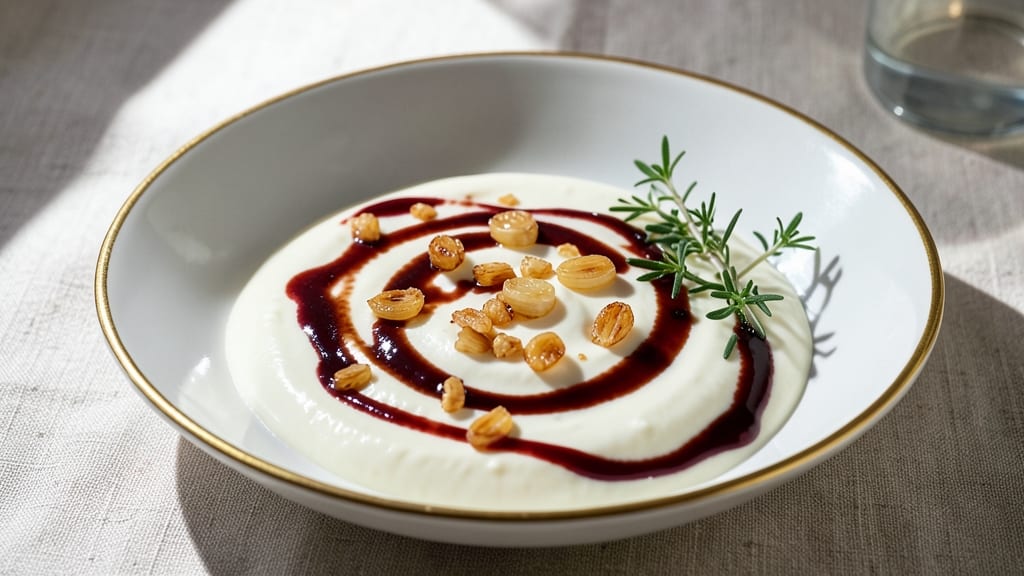
This balsamic cream sauce recipe transforms simple pantry staples into a velvety, restaurant-quality swirl that elevates everything from pasta to grilled meats. The secret lies in gradual reduction and proper emulsification—no clumps, no lumps, just silky perfection every time.
I developed this after years of frustration with store-bought versions that either separated or tasted artificial.
What makes this sauce truly special is the balance of rich balsamic reduction and velvety cream, which creates a harmonious blend of sweet, tangy, and creamy flavors.
The technique is simple but precise: simmering the balsamic vinegar until it thickens into a glossy syrup before whisking in cold cream to stabilize the sauce. This ensures a smooth, clump-free texture that clings beautifully to any dish.
The result is a sauce so versatile it deserves its own spotlight—drizzled over al dente fettuccine, spooned alongside roasted vegetables, or used as a dipping sauce for crusty bread.
The deep caramel notes from the balsamic vinegar pair perfectly with the creamy richness, creating a flavor profile that's both sophisticated and approachable.
Best of all, this sauce keeps beautifully in the refrigerator for up to five days, making it a perfect make-ahead option for busy weeknights. Whether you're hosting a dinner party or simply craving a restaurant-quality meal at home, this balsamic cream sauce delivers foolproof results with minimal effort.
Let's get started!
Ingredients for balsamic cream sauce
Eight ingredients, one velvety sauce—elevate any dish with this foolproof balsamic cream creation.
| Ingredient | Amount | Notes |
|---|---|---|
| Balsamic Vinegar 🍷 | 1 ½ cups | High-quality aged variety preferred |
| Heavy Cream 🥛 | 1 cup | Full-fat for optimal texture |
| Unsalted Butter 🧈 | 4 tbsp | Cold, cut into small cubes |
| Granulated Sugar 🍚 | ¼ cup | White or light brown preferred |
| Shallots 🧅 | 2 whole | Minced finely for sweetness |
| Fresh Thyme Leaves 🌿 | ¼ cup | Or 1 tbsp dried thyme |
| Diamond Crystal Kosher Salt 🧂 | ½ tsp | Adjust to taste |
| Freshly Ground Black Pepper 🌶️ | ¼ tsp | For subtle seasoning |
The balsamic vinegar is the foundation—aged varieties like Barolo or traditional balsamic from Italian markets deliver deeper caramel notes. Whole Foods or specialty grocery stores carry these premium options, but even a good store-bought balsamic works if it's labeled 'aged' or 'dark.' For the cream, full-fat heavy cream is non-negotiable; lighter versions will separate. The butter adds richness, so use European-style unsalted butter like Plugrá for the best flavor. Shallots should be minced finely—almost paste-like—to distribute sweetness evenly without bitterness. Fresh thyme is ideal, but dried works at one-third the amount if you're in a pinch.
No aged balsamic? Substitute with 1 cup regular balsamic vinegar plus 1 tbsp honey for sweetness, though the depth won't be identical. Heavy cream too expensive? Half-and-half works but may separate faster—stabilize with a pinch more sugar. Butter can be swapped for vegan butter in equal amounts, though texture will be slightly lighter. Short on shallots? Extra-fine onion powder at half the amount mimics the sweetness. The sugar is crucial—it balances the acidity and helps emulsify the sauce. If you prefer less sweetness, reduce to 2 tbsp instead of 0.25 cup.
This sauce thrives on patience—simmer the balsamic reduction until it thickens to a syrup-like consistency before adding cream. Once combined, the sauce should coat the back of a spoon smoothly. Store in an airtight container in the fridge for up to 5 days, with a thin layer of plastic wrap pressed directly onto the surface to prevent a skin from forming. Reheat gently on low heat, stirring constantly, or microwave in 20-second bursts until warmed through. Freeze in ice cube trays for single-use portions—perfect for last-minute drizzling.
Why You'll Love This Recipe
- Here’s what sold me: that first spoonful where the richness of the heavy cream hits, then the balsamic vinegar cuts through with this just-right tang—like a fancy dessert but for your dinner plate. The sugar? It’s not cloying; it just rounds out the acidity so it’s smooth, not sharp.
- I’ll be real: I’ve made a double batch and kept it in the fridge for weeks. The flavors deepen over time, and it reheats like a dream—just a quick stir on the stove or microwave. Budget-friendly? Absolutely. The ingredients are pantry staples, and you’ll use every last drop before it disappears.
Step-by-step instructions for balsamic cream sauce
A silky, clump-free sauce that balances sweetness and acidity—here's how to achieve perfect texture every time.
Sweat the Shallots Until Translucent
Mince the 2 whole shallots finely for even cooking. In a medium saucepan, melt the 4 tablespoons cold unsalted butter over medium-low heat. Add the shallots and cook, stirring occasionally, for 8-10 minutes until completely softened and just beginning to turn golden. You're looking for translucent shallots that release their sweetness without browning—this prevents bitterness in the final sauce.
Real talk: If the butter starts browning before the shallots soften, reduce heat to low and add 1 tablespoon of the 1.5 cups balsamic vinegar to deglaze and stabilize the heat. The shallots should be tender enough to mash between your fingers when done—this ensures they'll blend seamlessly into the sauce without graininess.
Simmer the Vinegar Until Reduced
Increase heat to medium-high and add the 1.5 cups balsamic vinegar and 0.25 cup granulated sugar. Stir to combine, then bring to a gentle boil. Reduce heat to medium and simmer uncovered for 12-15 minutes, stirring occasionally, until the mixture reduces by about half and reaches a syrupy consistency. You'll notice the aroma intensify as the vinegar concentrates—this is when the sauce develops its characteristic depth.
Here's the thing—don't walk away. Watch for the mixture to darken slightly and thicken enough to coat the back of a spoon. If it reduces too quickly, cover loosely with a lid to slow evaporation. The goal is a balance between reduction and caramelization—too fast and you'll get a harsh, overcooked flavor; too slow and the sauce won't develop proper complexity.
Incorporate Cream and Thicken
Remove the pan from heat and let it cool slightly for 2 minutes. This prevents the heavy cream from curdling when added. Slowly whisk in the 1 cup heavy cream, then return the pan to low heat. Stir constantly for 5-7 minutes until the sauce thickens to a velvety consistency. You'll see it transform from a thin liquid to a glossy, coatable sauce that clings to the spoon.
If the sauce separates or looks curdled at any point, immediately whisk in 1 tablespoon of the reduced balsamic mixture to stabilize it. The key is patience—rushing this step leads to lumps. The sauce should coat the back of a spoon smoothly without being gluey, with a temperature just below 180°F when done.
Finish with Herbs and Seasoning
Remove the pan from heat and stir in the 0.25 cup fresh thyme leaves, 0.5 teaspoon Diamond Crystal kosher salt, and 0.25 teaspoon freshly ground black pepper. Let the mixture steep for 3 minutes to infuse the flavors. The thyme should release its aromatic oils, adding a bright herbal note that cuts through the richness of the cream.
Taste and adjust seasoning—you might need an additional pinch of salt or a crack of pepper to balance the sweet-tart profile. For extra depth, strain the sauce through a fine-mesh sieve to remove any thyme stems. The final sauce should be smooth, glossy, and perfectly balanced between sweet, tangy, and creamy—ready to drizzle over pasta, roasted meats, or fresh berries.
Pro Tips For Making Balsamic Cream Sauce
- Reduce the Vinegar: Simmer balsamic vinegar until it’s cut in half—yes, actually measure it. Start with ½ cup, reduce to ¼ cup over medium heat (about 10 minutes). This concentrates the flavor and balances the sweetness without making the sauce taste like salad dressing.
- Sweat, Don’t Burn Shallots: Shallots should glisten like a wet marble, not brown like toast. Cook them low and slow with a pinch of salt for 8-10 minutes—stirring every 30 seconds—until they’re translucent but still pale. Burnt shallots add bitterness, and no one wants that in their creamy sauce.
- Whisk in Butter Gradually: Drizzle cold butter into the warm cream sauce one tablespoon at a time, whisking like your life depends on it. If you dump it all in at once, you’ll end up with a greasy, separated mess. Patience here guarantees a silky texture.
- Temper the Cream: Warm the heavy cream separately to body temperature (just off the heat, not scalding) before mixing it into the balsamic reduction. Cold cream shocks the sauce and can cause curdling—no one wants lumpy balsamic cream, trust me.
Serving suggestions for this dish
Pasta Perfection
This sauce is a game-changer for fettuccine alfredo or tagliatelle—drizzle 2-3 tablespoons over al dente pasta before serving. The creamy texture clings beautifully, while the balsamic adds depth. For extra flair, toss in 1 tablespoon chopped walnuts or crispy pancetta right before serving. 🌟
Meat Pairings
Use as a finishing sauce for grilled chicken breasts or pan-seared pork chops. Brush 1-2 tablespoons over the meat during the last 2 minutes of cooking, then garnish with fresh thyme. It also elevates roasted lamb chops—the sweet-tart balance cuts through the richness.
For a quick table sauce, warm 1 tablespoon in a small pan and drizzle over steak or shrimp skewers.
Vegetable Companions
Roasted asparagus or brussels sprouts become irresistible with this sauce. Toss warm vegetables with 1 tablespoon and a sprinkle of pecorino cheese. It also works beautifully with grilled eggplant or zucchini ribbons—the creamy texture balances their earthy flavors.
For a light option, drizzle over arugula salad with shaved parmesan for a restaurant-worthy starter. ✨
Bread & Appetizers
Serve this sauce as a dipping sauce for fresh baguette slices or garlic bread. Warm 2-3 tablespoons in a small saucepan and offer it alongside charcuterie boards with prosciutto and aged cheeses.
For a gourmet touch, spoon it over seared scallops or mussels during the final minute of cooking. The sauce's versatility makes it perfect for both casual and elegant gatherings.
Dessert Twist
Yes, you read that right! Drizzle 1 tablespoon over warm berries (like strawberries or raspberries) for a sweet-savory dessert. The tangy-sweet profile pairs surprisingly well with mascarpone cheese or vanilla ice cream.
For a sophisticated finish, reduce the sauce slightly and drizzle over chocolate-dipped fruit or panna cotta. It’s a unique way to repurpose leftovers into a dessert masterpiece. 🍓
Global Adaptations
Transform this sauce into a Thai-inspired version by adding 1 teaspoon fish sauce and ½ teaspoon lime zest. For a Mexican twist, stir in ½ teaspoon smoked paprika and 1 tablespoon chipotle jam.
The balsamic cream base works as a canvas for global flavors—let your creativity guide you! The original recipe remains foolproof, but these variations keep it exciting. 🌎
Nutrition facts
Frequently asked questions
Can I make this sauce without heavy cream?
Yes! For a lighter version, substitute with 1 cup whole milk or ½ cup Greek yogurt mixed with ½ cup milk. The texture will be thinner but still delicious. For a dairy-free option, use 1 cup coconut cream (chilled overnight to thicken) or ½ cup cashew cream (blend soaked cashews with water until smooth). The sauce may separate slightly, so whisk vigorously while heating.
Why did my sauce separate or get grainy?
This usually happens when the cream is added too quickly or the heat is too high. Always cool the reduced balsamic mixture slightly before adding cream, and stir constantly on low heat. If it separates, whisk in 1 tablespoon cold butter or 1 tablespoon of the reduced balsamic to stabilize. For graininess, strain through a fine-mesh sieve to remove any cooked shallot bits.
How can I make this sauce spicier?
Add ½ teaspoon red pepper flakes or 1 teaspoon hot sauce when finishing with herbs. For a smoky kick, stir in ½ teaspoon smoked paprika during the reduction stage. If you love heat, try 1 chopped chipotle pepper in adobo sauce (remove before serving). Always taste first—spices intensify as the sauce cools.
Can I make this sauce ahead of time?
This sauce keeps beautifully in an airtight container in the fridge for up to 5 days. For best results, let it cool completely before storing. Reheat gently on low heat, stirring constantly, or microwave in 20-second bursts until warmed through. To prevent a skin from forming, press plastic wrap directly onto the surface before sealing. Freeze in ice cube trays for single-use portions.
What's the best way to store leftovers?
Store in an airtight container with a layer of plastic wrap pressed directly onto the sauce surface to prevent skin formation. In the fridge, it lasts 5 days. For longer storage, freeze in 1-tablespoon portions (perfect for drizzling) or transfer to a freezer-safe container for up to 3 months. Thaw overnight in the fridge—never at room temperature—to maintain texture.