
Sauces & Condiments
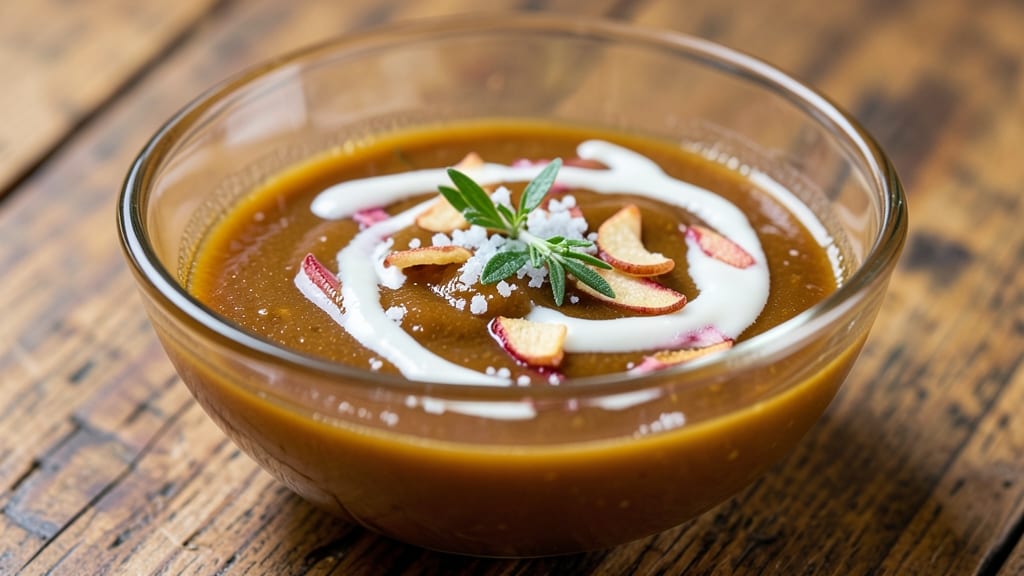
This Ballymaloe sauce recipe captures the bold, tangy essence of Ireland’s most iconic pub condiment—where sharp mustard meets sweet apple in a harmony that elevates everything from roasted meats to crispy fish. 💛 The secret lies in balancing heat, sweetness, and acidity through precise simmering, a technique perfected at Ballymaloe House.
What makes this sauce special is its versatility: it’s equal parts traditional (slathered on sandwiches) and modern (drizzled over salads or paired with charcuterie).
The recipe calls for just 6 core ingredients—Dijon mustard, apples, apple cider vinegar, brown sugar, cream, and a pinch of salt—each playing a critical role in building depth. The apples are simmered until soft, then blended with mustard and vinegar for a smooth, velvety texture.
Cream adds richness without overpowering the tang, while sugar rounds out the sharpness. No specialized equipment is needed—just a saucepan and a blender.
What you’ll end up with is a glossy, vibrant sauce with layers of mustardy heat, apple sweetness, and vinegary brightness. It’s the kind of condiment that transforms simple dishes into something extraordinary—think crispy pork belly with a drizzle, or a sharp contrast to creamy cheeses.
The sauce keeps well in the fridge for up to 2 weeks, making it perfect for meal prep.
For extra depth, consider adding a splash of whiskey or fresh herbs like thyme. Use it as a finishing touch on roasted vegetables, a dip for fries, or even a marinade for grilled chicken. This isn’t just a sauce—it’s a flavor multiplier that turns ordinary meals into memorable ones.
Ingredients for ballymaloe sauce
Six core ingredients transform into Ireland's iconic pub sauce with perfect mustard-apple balance.
| Ingredient | Amount | Notes |
|---|---|---|
| Dijon Mustard 🌶️ | ½ cup | High-quality, smooth variety |
| Braeburn Apples 🍎 | 3 whole | Peeled, cored, roughly chopped |
| Apple Cider Vinegar 🍶 | ½ cup | Raw, unfiltered preferred |
| Light Brown Sugar 🍚 | ¼ cup | Packed, not spooned |
| Heavy Cream 🥛 | ½ cup | Full-fat for best texture |
| Kosher Salt 🧂 | ½ tsp | Diamond Crystal preferred |
| Whiskey (optional) 🥃 | 2 tbsp | Irish whiskey for authenticity |
The Dijon mustard should be the finest quality—Maille or Colman's are ideal for their smooth texture and balanced heat. Braeburn apples work best due to their tart-sweet profile, but Granny Smith or Fuji are excellent substitutes. For the apple cider vinegar, raw, unfiltered brands like Bragg or Texas Pete add depth that pasteurized versions lack. The brown sugar should be packed firmly into the measuring cup for accurate sweetness levels. Heavy cream adds luxurious richness, so full-fat is non-negotiable—light cream will create a thinner, less velvety sauce.
No Braeburn apples? Granny Smith for extra tartness or Honeycrisp for natural sweetness. Substitute apple cider vinegar with white vinegar at equal measure, though flavor will be slightly sharper. Running short on whiskey? Apple brandy or bourbon work equally well, though Irish whiskey's subtle caramel notes are ideal. For a dairy-free version, full-fat coconut cream mimics the richness beautifully. The sauce's balance hinges on proper ratios—don't adjust the sugar without tasting first, as the apples' natural sweetness varies by variety. If making ahead, reduce the cream by 2 tbsp to prevent curdling during storage.
Store in a glass jar with a tight seal in the refrigerator for up to 2 weeks. The sauce thickens as it chills, so stir before use. For longer storage, freeze in 1-tbsp portions using ice cube trays—perfect for single servings. If the sauce separates upon reheating, simply whisk vigorously. The flavor actually improves after 24 hours as the ingredients meld. For extra vibrancy, add 1 tsp fresh thyme leaves during the final simmer, then strain before blending. This sauce is remarkably versatile—use it as a marinade, finishing sauce, or even a tangy glaze for roasted vegetables.
Why You'll Love This Recipe
- No-Fuss Blend: I swear by this sauce because it’s basically set it and forget it—just toss the apples, sugar, and vinegar in a pot, let it simmer until it’s thick and glossy, then stir in the mustard and cream. No peeling, no coring, no fuss. The Braeburn apples hold their shape beautifully, so you’re not left with a mushy mess.
- Tangy-Sweet Magic: That first spoonful? Chef’s kiss. The Dijon mustard cuts through the sweetness of the apples and brown sugar, while the apple cider vinegar adds this bright, almost wine-like depth. The heavy cream ties it all together with a velvety finish—rich but not heavy. It’s the kind of sauce you’ll want to drizzle on everything after the first taste.
- Weeknight to Holiday: I use this sauce for everything from roasted pork tenderloin to grilled chicken, and it’s even better the next day when the flavors meld. Honestly, it’s my go-to for Thanksgiving leftovers—just reheat and slather. And between us? It’s the secret weapon that makes a simple weeknight dinner feel like a restaurant-worthy meal.
- Pantry Staple Power: Here’s what sold me—it uses ingredients I already have. No specialty items, no last-minute grocery runs. The apples and vinegar keep well, and the sauce itself stores perfectly in the fridge for up to a week. Plus, it’s ridiculously cost-effective—one batch stretches across multiple meals, and I’m always reaching for it.
Step-by-step instructions for Ballymaloe sauce
Master this iconic Irish pub sauce with balanced tang and sweetness—every step ensures perfect harmony.
🍳 Step 1: Cook Apples Until Tender
In a medium saucepan, combine the 3 whole peeled and chopped Braeburn apples, 0.5 cup apple cider vinegar, and 0.25 cup packed light brown sugar. Bring to a simmer over medium-high heat and cook uncovered for 10-12 minutes, stirring occasionally, until the apples break down into a thick, jam-like consistency.
Here's the thing—you want the apples to soften completely but not caramelize. They should release their natural juices and form a syrupy base. If the mixture starts to stick, add 1-2 tablespoons of water to prevent burning. The aroma should be rich with apple and vinegar notes—this is your flavor foundation.
🍳 Step 2: Whisk in Mustard and Salt
Remove the pan from heat and let the apple mixture cool slightly for 2-3 minutes. Then, whisk in the 0.5 cup Dijon mustard and 0.5 teaspoon kosher salt until completely smooth. The mustard will mellow the sharpness of the vinegar while adding that signature Ballymaloe depth.
I like to use a wire whisk here for even distribution. If the mixture thickens too much, add 1 tablespoon of water at a time until it reaches a loose, pourable consistency. The sauce should coat the back of a spoon but still flow freely—this balance ensures it clings beautifully to meats or vegetables.
🔥 Step 3: Warm the Cream and Finish
In a separate small saucepan, gently warm the 0.5 cup heavy cream over low heat until it just begins to steam—never boil. If using, add the 2 tablespoons Irish whiskey now and stir to infuse the cream with its caramel notes. The whiskey is optional but adds a sophisticated depth that pairs perfectly with the sauce's tang.
Temper the cream by slowly ladling 1-2 tablespoons into the apple-mustard mixture while whisking constantly. This prevents the cream from curdling. Then, gradually pour the tempered cream back into the apple mixture and whisk vigorously until fully combined. The sauce should now have a velvety texture with a glossy sheen.
⏰ Step 4: Simmer and Adjust Seasoning
Return the combined sauce to low heat and simmer gently for 5-7 minutes, stirring frequently, until it thickens slightly. The sauce should coat the back of a spoon but remain smooth—not gluey. If it thickens too much, whisk in 1 tablespoon of water or apple cider vinegar to adjust the consistency.
Taste and refine the balance: the mustard should be prominent but not overpowering, the apple sweetness should shine, and the vinegar should add just enough tang. Add a pinch more kosher salt if needed, or a splash of apple cider vinegar for extra brightness. The sauce should finish with a complex harmony of sweet, tangy, and slightly spicy notes.
🥘 Step 5: Cool and Serve
Transfer the sauce to a clean jar or bowl and let it cool to room temperature. The flavors will continue to meld as it sits, deepening in complexity. For best results, refrigerate for at least 1 hour before serving—this allows the mustard and cream to fully integrate, creating a smoother, more refined sauce.
Serve the Ballymaloe sauce chilled or at room temperature, drizzled over roasted meats, grilled vegetables, or even as a tangy dip for fries. It keeps well in the refrigerator for up to 2 weeks, making it perfect for batch prep. The key to success? Patience in the cooling and resting—this is where the magic happens.
Pro Tips For Making Ballymaloe Sauce
- Peel the Apples: Braeburns have tough skins—don’t waste time peeling them raw. Simmer the whole fruit in the sauce for 10 minutes first, then peel while warm. The skins slide off like butter, and you avoid the mess of prepping cold apples. (Yes, even if you’re impatient like me.)
- Whisk in Stages: Heavy cream and Dijon mustard don’t play nice when dumped together. Start by whisking the mustard into the warm apple mixture, then temper the cream by slowly adding it in a thin stream. Skip this, and you’ll end up with a lumpy, curdled disaster.
- Reduce the Vinegar: Apple cider vinegar is sharp—reduce it first. Simmer ¼ cup vinegar with the brown sugar for 2–3 minutes before adding the apples. This softens the acidity and deepens the caramel notes. (Your future self will notice the difference.)
- Strain for Smoothness: Puree the apples first, then strain through a fine-mesh sieve to remove skins and seeds. The texture will be velvety, not grainy. I used to skip this and wondered why my sauce felt heavy—now I know better. (Does it look weird? Yes. Does it work? Every single time.)
Common mistakes when making this dish
Overcooking the Apples
One of the most common mistakes is letting the apples caramelize or burn during the initial simmer. The goal is to break them down into a jam-like consistency—not turn them into candied fruit.
Keep the heat at medium-high and stir frequently. If the mixture starts to darken or stick, immediately add 1-2 tablespoons of water to create steam and prevent burning. 🍎
Overcooked apples will make your sauce taste overly sweet and lose that bright apple acidity that balances the mustard. I once ruined a batch by walking away for just five minutes—when I came back, the sauce had a syrupy, almost jam-like thickness that was too heavy.
The lesson? Stay attentive during this critical step.
Skipping the Cooling Step
After simmering the apples, many people rush to add the mustard and cream immediately. But letting the apple mixture cool slightly for 2-3 minutes before whisking in the mustard is crucial.
This prevents the mustard from curdling or creating lumps in the sauce. The heat from the hot apples can cause the mustard to seize up if added too quickly.
I’ve seen home cooks end up with a grainy, uneven texture because they didn’t give the mixture time to temper. The mustard needs to blend smoothly into the apples, not fight against them. Patience here ensures a silky, professional finish.
Ignoring the Cream Temperature
Warming the cream too quickly or boiling it before tempering is another classic mistake. Heavy cream curdles when subjected to sudden temperature changes, and once it separates, you can’t fix it.
Always warm the cream gently over low heat until it just begins to steam—never let it reach a full boil. If you’re using whiskey, add it to the warm cream first to infuse its flavor without risking alcohol evaporation.
I once accidentally brought the cream to a full boil while distracted, and the sauce turned into a lumpy mess. The fix? Whisking in a bit of cold water to stabilize it, but the texture was never the same. Tempering the cream slowly is non-negotiable for a velvety result.
Rushing the Final Simmer
Some recipes skip the final 5-7 minute simmer on low heat, but this step is essential for melding the flavors and achieving the right consistency. Without it, the sauce can taste disjointed—like the mustard, apples, and cream are fighting for dominance rather than working together.
The simmer also helps thicken the sauce slightly, giving it that perfect cling to meats or vegetables.
I’ve made the mistake of serving the sauce immediately after blending, only to find it too thin and the flavors underdeveloped. The final simmer is where the magic happens—it’s the difference between a good sauce and a great one.
Over-Salting or Under-Salting
The 0.5 teaspoon kosher salt is a guideline, but many cooks either skip it entirely or add too much. Salt enhances all the flavors in the sauce, but it’s easy to overdo it, especially if you’re used to salting to taste in other dishes.
Always taste the sauce before the final simmer and adjust gradually. A pinch at a time is key—you can’t take salt out, but you can always add more.
I once made a batch where I forgot to add salt until the very end, and the sauce tasted flat. The mustard and vinegar needed that little boost to shine. Trust your taste buds, but remember: the sauce should be balanced, not salty.
Not Resting the Sauce
Many people serve the sauce immediately after making it, but letting it rest in the refrigerator for at least 1 hour (or overnight) allows the flavors to fully integrate. The mustard and cream will mellow, the apple sweetness will soften, and the vinegar’s tang will become more refined.
Skipping this step often results in a sauce that tastes harsh or unfinished.
I used to be impatient and serve it right away, but now I always make it ahead. The difference in flavor depth is night and day. The sauce actually tastes better the next day—it’s worth the wait! ⏰
Nutrition facts
Frequently asked questions
What makes this Ballymaloe sauce different from regular mustard-based sauces?
The magic lies in its apple-vinegar base and the balance of sweet, tangy, and spicy notes. Unlike basic mustard sauces, this version incorporates simmered apples and apple cider vinegar for depth, while the cream adds richness without overpowering the mustard's signature kick. The result is a complex, velvety condiment that works as both a dipping sauce and a finishing touch.
Can I make this sauce without heavy cream for a lighter version?
Yes! Replace the heavy cream with ½ cup full-fat coconut cream or ½ cup Greek yogurt for a tangier, dairy-free alternative. The texture will be slightly thinner but still rich. For extra body, reduce the liquid by 1-2 tablespoons during the final simmer. The flavor will shift toward a yogurt-based dip rather than a glossy sauce, but it’s just as delicious.
How can I use this sauce beyond traditional meats and sandwiches?
Get creative! Drizzle it over roasted Brussels sprouts or grilled halloumi for a tangy contrast, mix it into deviled eggs for a mustardy twist, or use it as a marinade for chicken skewers. It’s also perfect for elevating charcuterie boards—pair it with sharp cheeses like aged Gouda or blue cheese for a bold flavor combo.
Why does my sauce look grainy after blending?
This usually happens if the apple mixture cools too much before adding the mustard or if the cream wasn’t tempered properly. To fix it, whisk in 1-2 tablespoons of warm water and blend again until smooth. For prevention, ensure the apple-vinegar mixture is still warm (but not boiling) when you whisk in the mustard, and always temper the cream slowly over low heat.
Can I make this sauce ahead of time?
The sauce actually tastes better after 24 hours as the flavors meld. Store it in an airtight jar in the fridge for up to 2 weeks. For longer storage, freeze in 1-tablespoon portions using ice cube trays—perfect for single servings. The texture may thicken slightly when chilled, so stir before using. If it separates, simply whisk vigorously to recombine.