Sauces & Condiments
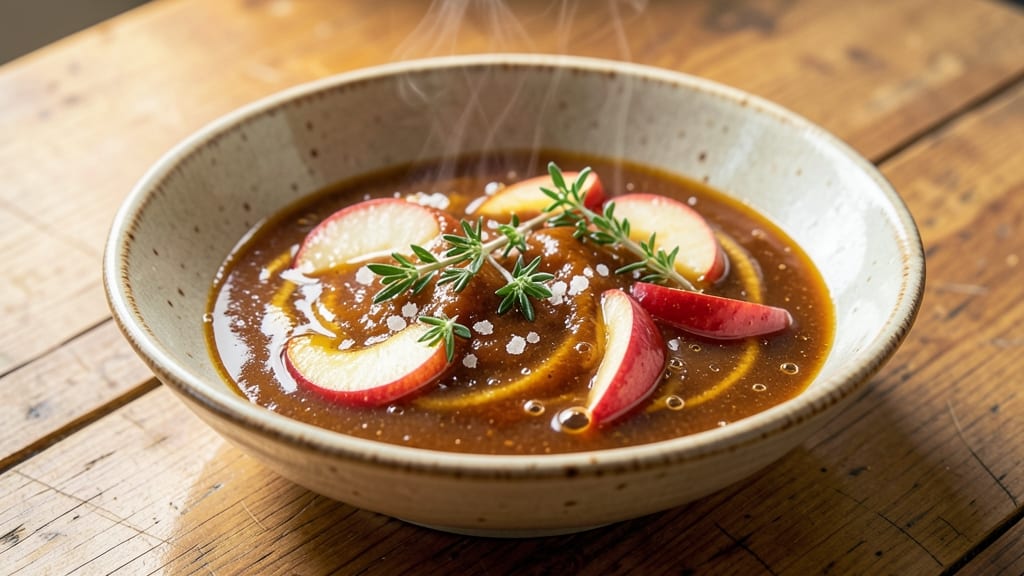
This apple mustard sauce recipe transforms simple ingredients into a velvety, sweet-tangy condiment that elevates roasted meats, sandwiches, and more. The perfect balance of sharp Dijon mustard and apple cider creates a sauce that's rich yet bright, with just enough sweetness to complement savory flavors.
I developed this recipe after years of experimenting with fruit-based sauces—it's the one that finally delivers that restaurant-quality depth at home.
The secret lies in simmering apple cider with mustard until the flavors meld into a smooth, glossy sauce. You'll need just five core ingredients: apple cider, Dijon mustard, honey, apple cider vinegar, and a pinch of salt.
Optional additions like fresh thyme or a splash of bourbon can take it to the next level. What makes this sauce special is its versatility—use it as a glaze for pork tenderloin, a sandwich spread, or even a dipping sauce for fries.
Once simmered to perfection, this sauce thickens into a luxurious consistency that clings beautifully to meats and bread. The apple cider adds natural sweetness while the mustard provides that signature tang, creating a flavor profile that's complex yet approachable.
It's the kind of sauce that makes ordinary meals feel like special occasions. The best part? It keeps well in the refrigerator for up to two weeks, so you can make a big batch and enjoy it throughout the week.
Ready in just 20 minutes, this apple mustard sauce requires no special equipment—just a saucepan and a whisk. Whether you're hosting a dinner party or simply looking to elevate your weeknight meals, this recipe delivers restaurant-quality results with minimal effort. Let's get started on creating your perfect sweet-tangy sauce.
Ingredients for apple mustard sauce
Five core ingredients plus optional upgrades—this sauce is restaurant-quality magic in minutes.
| Ingredient | Amount | Notes |
|---|---|---|
| Apple Cider 🍎 | 1 cup | Unfiltered for best flavor |
| Dijon Mustard 🌶️ | ½ cup | High-quality, smooth variety |
| Honey 🍯 | ¼ cup | Wildflower preferred for depth |
| Apple Cider Vinegar 🍋 | ¼ cup | Raw, unfiltered preferred |
| Salt 🧂 | ½ tsp | Kosher or sea salt |
| Fresh Thyme Leaves 🌿 | 1 tsp | Optional for aromatic depth |
| Bourbon 🍷 | 1 tbsp | Optional for smoky depth |
The apple cider is the foundation, so unfiltered, cloudy varieties from a local orchard or cider mill add the most character. I always grab mine from Trader Joe's or Whole Foods—their organic selection has that perfect balance of sweetness and acidity. Dijon mustard should be smooth, not coarse (like Maille or Amoy), and honey should be wildflower or clover for that floral depth. The vinegar? Bragg or Texas Pete are my go-tos—they've got that sharp tang that cuts through the sweetness perfectly.
No apple cider vinegar? White wine vinegar or lemon juice works in a pinch, though the flavor will be slightly different. Short on fresh thyme? Dried thyme at one-third the amount is fine, but honestly, skip it if you're in a hurry. The bourbon is totally optional, but if you've got a bottle open, a splash adds incredible depth. For the honey, maple syrup is a 1:1 substitute, though it'll be slightly less floral. And if you're making this for a crowd, double the recipe—it keeps beautifully.
This sauce thickens as it cools, so don't stress if it looks thin right after simmering. Store it in a glass jar in the fridge for up to 2 weeks, or freeze in ice cube trays for 3 months. I always make extra because it's perfect on roasted pork, sandwiches, or even fries. The flavors actually meld better after resting, so if you can wait, let it sit overnight—trust me on this.
Why You'll Love This Recipe
- Five-Ingredient Magic: I swear, this sauce comes together with just a whisk and a bowl—no fancy gadgets, no waiting for anything to simmer. The apple cider vinegar and Dijon mustard do all the work while I stir, and honestly? It’s the kind of recipe that makes me feel like a chef without the cleanup.
- Sweet-Tangy Balance: That first bite of honey-sweetened apples meets the sharp kick of Dijon and vinegar—it’s like autumn in a jar. The mustard adds depth, so it’s never cloying, and the salt? Just enough to make it pop against anything it touches.
- Weeknight Hero: Slather it on grilled chicken for dinner, drizzle it over roasted Brussels sprouts, or toss it with pasta—it works everywhere. I’ve even used it as a dip for carrot sticks when the kids come home starving after soccer practice. (Yes, even on a Tuesday night.)
- Make-Ahead Secret Weapon: This sauce keeps in the fridge for up to a week, so I make a big batch when apples are on sale. The flavors only get better as it sits, and it’s cheap—just a few dollars’ worth of pantry staples. No waste, no stress, just flavor on demand.
Step-by-step instructions for apple mustard sauce
This tangy-sweet sauce comes together in minutes with just a few simple steps.
Warm the Apple Cider and Honey
In a medium saucepan, combine the 1 cup apple cider and 0.25 cup honey. Place over medium-low heat and warm gently for 3-4 minutes, stirring occasionally until the honey dissolves completely. You'll see tiny bubbles forming at the edges—that's your signal the mixture is ready. I like to use wildflower honey here because its floral notes complement the apple's tartness beautifully.
Real talk: Don't rush this step. Gentle heat prevents the honey from crystallizing or burning, which would make the sauce taste bitter. If you notice the mixture starting to bubble vigorously, reduce the heat immediately. The goal is a smooth, syrupy consistency without any graininess.
Add Vinegar and Mustard
Remove the pan from heat and let it cool slightly for 1 minute—this prevents the Dijon mustard from curdling when added. Then whisk in the 0.5 cup Dijon mustard and 0.25 cup apple cider vinegar. The vinegar will make the mixture fizz slightly, so stir vigorously to combine everything smoothly.
Here's where the magic happens: The mustard's sharp tang cuts through the sweetness of the honey and apple cider, creating that perfect balance. If you're using raw, unfiltered vinegar, you might notice tiny particles settling at the bottom—this is normal and adds depth to the flavor. Let the mixture sit for 2 minutes to allow the flavors to meld before proceeding.
Season and Simmer
Return the pan to low heat and add the 0.5 tsp salt and 1 tbsp bourbon. Stir constantly for 2-3 minutes until the sauce thickens slightly and coats the back of a spoon. The bourbon adds a subtle smoky depth that pairs perfectly with roasted meats. If you're using fresh thyme leaves, add them now and let them steep for 1 minute—this infuses the sauce with an aromatic herbal note.
Watch the sauce carefully—it should thicken just enough to cling to the back of a spoon but still be pourable. If it thickens too quickly, whisk in 1-2 tablespoons of water to adjust the consistency. The sauce should be glossy and smooth, with a vibrant amber color that signals perfect balance between sweet, tangy, and savory flavors.
Finish and Strain (Optional)
Remove the pan from heat and taste the sauce. Adjust the seasoning if needed—add a pinch more salt if it tastes too sweet, or a splash more vinegar if it needs more tang. For a silky-smooth texture, strain the sauce through a fine-mesh sieve to remove any thyme stems or mustard seeds. This step is optional but gives a restaurant-quality finish.
Let the sauce cool slightly before serving—it will thicken further as it sits. This sauce is incredibly versatile: drizzle it over roasted chicken, pork tenderloin, or even grilled vegetables. The sweet-tangy balance makes it a crowd-pleaser, and it keeps well in the refrigerator for up to 5 days, making it perfect for meal prep.
Pro Tips For Making Apple Mustard Sauce
- Simmer Slow and Low: I learned this the hard way—boiling apple cider vinegar and mustard together too fast makes the sauce split and look weird. Keep the heat at a gentle simmer (just bubbles breaking, not rolling) so the flavors meld instead of fighting each other. This isn’t a race; let it work for you.
- Strain the Mustard: Skip the grainy texture by pressing Dijon mustard through a fine-mesh sieve before adding it to the sauce. Even "smooth" mustards have grit that ruins the finish—especially when drizzled over roasted meats or salads. Takes 10 seconds, saves frustration.
- Balance the Honey Last: Taste before adding honey—it’s easy to overdo it. Start with half the recipe’s amount, let it sit for 5 minutes, then adjust. Honey dominates fast, and you can’t take it out. (Yes, even if you’re impatient like me.)
- Use Warm Cider: Cold apple cider thins out the sauce and weakens the flavor. Heat it in a small saucepan for 2–3 minutes until just warm (not boiling)—this helps the mustard and vinegar integrate better. Sounds weird, but it works.
Creative variations of this apple mustard sauce
Sweet and Spicy Twist
Add 1 tsp smoked paprika and ½ tsp cayenne pepper to the simmering sauce for a smoky kick. This variation works beautifully with pulled pork sandwiches or grilled chicken. I like to balance the heat with an extra ½ cup honey to keep the sweetness in check. 🌶️
Herb-Infused Variations
Swap the thyme for 1 tsp fresh rosemary or 1 tbsp chopped tarragon for an herbal twist. Rosemary pairs especially well with roasted lamb, while tarragon adds a bright, anise-like note that complements fish dishes. Let the herbs steep for 2-3 minutes before straining.
Creamy Apple Mustard
For a richer texture, whisk in ¼ cup sour cream or Greek yogurt at the end. This version is perfect for dipping fries or as a sandwich spread. I recommend using full-fat sour cream for the best consistency. The tanginess of the yogurt cuts through the sweetness beautifully.
Balsamic Glaze Version
Replace ¼ cup apple cider vinegar with 2 tbsp balsamic vinegar and add 1 tbsp balsamic glaze at the end. This creates a deeper, more complex flavor profile that works wonderfully as a glaze for roasted vegetables or grilled meats.
The balsamic adds a rich, caramelized note that elevates the sauce to new heights.
Apple Cider Reduction
Simmer 1 cup apple cider down to ½ cup before adding the mustard and honey. This concentrated version has a more intense apple flavor and works as a stunning drizzle for pork chops or as a marinade base. Reduce over medium-low heat until it reaches a syrupy consistency.
Fruit-Forward Variations
Add ½ cup unsweetened applesauce or 2 tbsp grated apple to the sauce for extra fruitiness. This version is perfect for drizzling over pancakes or using as a dip for donuts. The applesauce adds a subtle creaminess that balances the tangy mustard beautifully. 🍏
Nutrition facts
Frequently asked questions
Can I make this sauce without apple cider?
Yes! Use apple juice or unsweetened applesauce in equal amounts, but expect slightly less tang. For a vinegar-free option, try lemon juice (reduce by 1 tbsp per ¼ cup apple cider) or white wine (simmer first to cook off alcohol). The sauce will be sweeter but still delicious.
How do I fix a sauce that's too thick or too thin?
For thick sauce, whisk in 1-2 tbsp water or apple cider vinegar while warm. For thin sauce, simmer uncovered for 2-3 minutes to reduce. Pro tip: The sauce thickens further as it cools, so don't over-reduce. If needed, add a cornstarch slurry (1 tsp cornstarch + 1 tbsp water) for instant thickening.
What's the best way to store leftover sauce?
Transfer to a clean glass jar and refrigerate for up to 2 weeks. For longer storage, freeze in ice cube trays (thaw overnight in fridge) or silicone molds. The sauce actually tastes better after resting 24 hours—flavors meld more deeply. Label with the date to track freshness.
Can I use this sauce on non-meat dishes?
Drizzle over roasted potatoes, grilled vegetables, or mac and cheese for a sweet-tangy twist. It's also fantastic as a dipping sauce for fries or donuts, or mixed into pasta salads. The mustard's sharpness cuts through rich, creamy dishes beautifully.
Why did my sauce separate or curdle?
This usually happens if you added cold mustard to hot liquids. Always cool the mixture slightly first, then whisk mustard in gradually. For curdling, whisk in 1 tbsp honey or apple cider vinegar to stabilize. If separation occurs, blend briefly with an immersion blender for a smooth texture.