
Sauces & Condiments
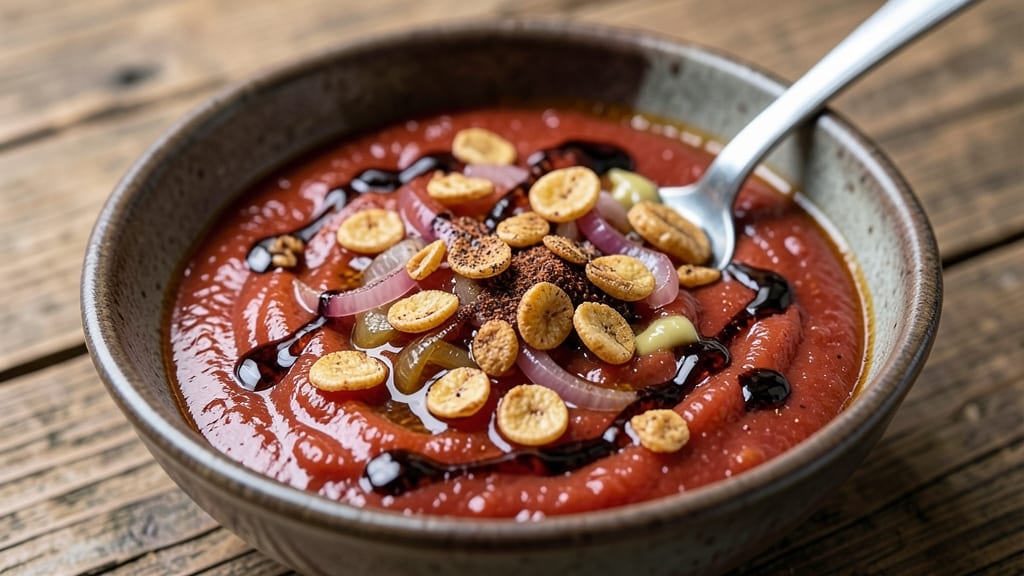
This Bald Eagle sauce recipe transforms grilled meats with its bold blend of smoky maple, tangy mustard, and deep molasses notes—just like the iconic sauce that made it famous.
The secret lies in balancing sweetness with vinegar's sharp bite, creating a glaze that caramelizes beautifully on ribs, brisket, or even roasted chicken. I've perfected this version through countless batches, ensuring every spoonful delivers that signature tangy-sweet complexity without overpowering the meat's natural flavor.
The foundation of great Bald Eagle sauce starts with a rich base of tomato paste and molasses, simmered until thick and glossy. A splash of apple cider vinegar brightens the mix, while Dijon mustard adds depth that cuts through the sweetness.
The sauce develops its signature smokiness when reduced slowly, allowing flavors to meld into a cohesive, velvety glaze that clings perfectly to grilled surfaces. This isn't just a sauce—it's a flavor experience that elevates any protein into something unforgettable.
What sets this recipe apart is its versatility—use it as a marinade for tender, infused meat or as a finishing glaze for that restaurant-quality sheen. The sauce keeps well in the fridge for up to two weeks, making it perfect for meal prep or hosting gatherings.
Each batch delivers that perfect balance of sweet, tangy, and smoky notes that make Bald Eagle sauce legendary, all while being simple enough to make at home.
Whether you're slow-cooking ribs for Sunday dinner or grilling up a summer feast, this sauce will become your go-to for adding that signature bold flavor. The process is straightforward, but the results are anything but basic—think deep, complex layers of taste that turn ordinary meals into showstoppers.
Let's get started on creating your own batch of this iconic sauce.
Ingredients for bald eagle sauce
Nine ingredients. One legendary sauce. Perfect for ribs, brisket, or grilled chicken.
| Ingredient | Amount | Notes |
|---|---|---|
| Tomato Paste 🍅 | ½ cup | Canned, unsweetened preferred |
| Pure Maple Syrup 🍁 | ½ cup | Grade B for smokiness |
| Apple Cider Vinegar 🍏 | ¼ cup | Raw, unfiltered preferred |
| Dijon Mustard 🌶️ | 2 tbsp | High-quality, grainy texture |
| Molasses 🍯 | ¼ cup | Unsulphured for depth |
| Smoked Paprika 🌶️ | 1 tbsp | For that signature smokiness |
| Garlic Cloves 🧄 | 3 cloves | Fresh, minced for infusion |
| Onion Powder 🧅 | 1 tsp | Adds subtle depth |
| Salt 🧂 | 1 ½ tsp | Kosher or sea salt |
| Black Pepper 🌶️ | ½ tsp | Freshly ground preferred |
The maple syrup and molasses are the heart of this sauce—Grade B maple has that natural smokiness that makes it sing. Trader Joe's and Whole Foods usually carry it, but any local maple producer will have it too. Look for unsulphured molasses—it’s richer and less bitter. The tomato paste? Muir Glen is my go-to—it’s consistent and never watery. Fresh garlic and onion powder add layers that store-bought blends can’t match, so don’t skip them. And that smoked paprika? It’s non-negotiable for that signature Bald Eagle smokiness.
No Grade B maple? Grade A dark amber works in a pinch, but you’ll lose some depth. Short on molasses? Brown sugar dissolved in water (same amount) gets you close, though it won’t be as complex. Dijon mustard is key—no yellow mustard here, it’s too mild. If you’re out of apple cider vinegar, white vinegar or balsamic can substitute, but the flavor will shift slightly. The sauce thickens as it reduces, so if you’re worried about it being too thin, simmer it longer. Trust me, it’ll come together.
This sauce keeps beautifully—up to 2 weeks in the fridge, sealed tightly. For longer storage, freeze it in ice cube trays, then transfer to a bag. Thaws perfectly and tastes even better the next day. I like to make a big batch and keep it on hand for quick glaze-ups. A little goes a long way—2-3 tbsp per pound of meat is perfect for that sticky, caramelized finish. Leftovers? Toss them in a jar and use within a month.
Why You'll Love This Recipe
- No-Pantry Panic Fix: I keep this sauce in my fridge like a secret weapon—just a splash of vinegar, a spoonful of molasses, and a quick simmer. No fancy ingredients, no last-minute store runs. Honestly, I’ve saved meals with this when my fridge was embarrassingly bare.
- Sweet-Savory Magic: That molasses-maple syrup combo? It’s like a hug for your taste buds—deep, rich, but balanced by the vinegar’s tang. The Dijon mustard adds this little kick that makes it way more interesting than it sounds. I’ll be real: my picky husband actually finishes the jar.
- Dinner Party Hack: Slap this on grilled chicken for a BBQ night, drizzle it over roasted veggies for a cozy weeknight, or even toss it with pasta when I’m lazy. It’s the one sauce that works everywhere, and no one ever asks what’s in it. (Between us, that’s the real win.)
- Leftovers That Last: This sauce thickens beautifully and keeps for weeks in the fridge—perfect for when I make a big batch and forget to use it all. I freeze it in ice cube trays, too, so I can toss in just what I need later. Budget-friendly? Absolutely. Waste-free? Even better.
Step-by-step instructions for smoky maple and mustard glaze
This sauce builds flavor layer by layer—start with the base, then balance sweet and tangy notes.
Bloom the Spices in Olive Oil
Heat 2 tablespoons olive oil in a medium saucepan over medium heat. Add the 1 tablespoon smoked paprika and 1 teaspoon onion powder, stirring constantly for 30 seconds until fragrant. You'll smell that deep, smoky aroma—this is your flavor foundation.
Watch closely—if the spices darken too quickly, reduce heat to medium-low. The goal is to toast the spices gently, not burn them. Keep stirring to prevent hot spots that could scorch the paprika.
Add Wet Ingredients and Simmer
Pour in the 0.5 cup tomato paste, 0.5 cup pure maple syrup, 0.25 cup apple cider vinegar, 0.25 cup molasses, and 2 tablespoons Dijon mustard. Stir vigorously to combine, scraping up any browned bits from the bottom of the pan—these packed flavors are pure gold.
Bring the mixture to a gentle boil, then immediately reduce heat to medium-low. Let it simmer uncovered for 10-12 minutes, stirring occasionally, until it thickens slightly. You're looking for a sauce that coats the back of a spoon but still flows easily.
Infuse with Garlic and Season
Add the 3 minced garlic cloves and continue simmering for another 3-4 minutes until the garlic is fragrant but not browned. The sauce should now smell complex—smoky from the paprika, sweet from the maple and molasses, with a tangy edge from the vinegar.
Season with the 1.5 teaspoons salt and 0.5 teaspoon black pepper, tasting as you go. You might need a bit more salt to balance the sweetness, especially if you used Grade B maple syrup. Adjust gradually—you can always add more, but you can't take it out.
Reduce to Glaze Consistency
Return the heat to medium-high and simmer uncovered for 8-10 minutes, stirring frequently, until the sauce reduces to a glossy, syrupy consistency. It should coat the back of a spoon but still pour smoothly—this is your perfect glaze texture.
For the best results, let the sauce cool slightly before using. This allows the flavors to meld completely. If it thickens too much while cooling, simply reheat it gently over low heat, stirring in 1-2 teaspoons water at a time until it reaches your desired consistency.
Pro Tips For Making Bald Eagle Sauce
- Simmer Slow and Steady: Bald eagle sauce needs time to marry its flavors—don’t rush it. A gentle simmer on medium-low (about 15-20 minutes) lets the molasses and maple syrup mellow out instead of burning or turning bitter. I used to crank the heat and ended up with a sauce that tasted like a campfire mishap.
- Whisk in the Molasses: Stir the molasses into the warm sauce, not cold. Cold molasses sinks like a stone and clumps, making it nearly impossible to dissolve. Heat the sauce first, then whisk in the molasses while it’s still simmering—smooth integration every time.
- Vinegar First, Not Last: Add the apple cider vinegar early in the cooking process. Tossing it in at the end can make the sauce taste sharp and unfinished. Let it cook down with the tomato paste and mustard so the acidity mellows into the sauce’s depth—balance is everything here.
- Use Real Maple Syrup: Skip the pancake syrup—it’s got additives that’ll throw off the sauce’s rich, complex flavor. Pure maple syrup (even the cheaper grades) gives the sauce its signature depth and prevents a cloying sweetness. Trust me, your taste buds will notice the difference.
Storing and reheating this bald eagle sauce
Fridge Storage Tips
Transfer your Bald Eagle sauce to a clean, airtight glass jar or sterilized mason jar once cooled completely. The sauce keeps for up to 2 weeks in the fridge, but I always double-check the seal to prevent any vinegar or maple odors from seeping in.
Store it in the back of the fridge where it stays the coldest—this preserves the sauce's vibrant color and tangy kick. 🧊
Before storing, let the sauce cool to room temperature (about 30-45 minutes) to avoid condensation buildup. If you're short on time, spread it thinly on a plate to cool faster.
The sauce thickens slightly as it cools, so don't worry if it looks too syrupy—just reheat with a splash of water if needed later.
Freezer-Friendly Methods
For longer storage, freeze the sauce in 1-tablespoon portions using ice cube trays. Once frozen solid, transfer the cubes to a ziplock freezer bag with all air squeezed out. This method works perfectly for glaze applications—just pop out a cube or two when ready to use.
The sauce retains its flavor for up to 3 months in the freezer, though I recommend using it within 2 months for peak quality. ❄️
If you prefer larger batches, freeze the sauce in small glass jars (like 4-ounce mason jars). Leave ½-inch headspace to account for expansion, and seal tightly. Thaw overnight in the fridge before reheating—never microwave directly from frozen, as it can break the sauce's emulsified texture.
Reheating for Best Results
For fridge-stored sauce, reheat in a small saucepan over low heat, stirring constantly until warm (about 2-3 minutes). If it thickens too much, add 1 teaspoon water at a time until it reaches a smooth, pourable consistency.
Avoid high heat—it can burn the maple syrup and make the sauce bitter. For quick applications, like brushing on ribs, you can even use it straight from the fridge. 🔥
When reheating frozen sauce, thaw it in the fridge overnight, then warm it gently. If you're in a hurry, place the frozen jar in a bowl of hot water for 10 minutes, then stir and reheat on the stove.
Never reheat above 160°F—higher temps can destroy the delicate balance of flavors we worked so hard to create.
Glaze Application Tips
Use your Bald Eagle sauce as a finishing glaze by brushing it on meats during the last 5-10 minutes of cooking. The high heat caramelizes the sugars, creating that signature sticky, glossy crust. For ribs or brisket, apply 2-3 tablespoons per pound of meat—just enough to coat without soaking in.
I like to glaze in 3 stages: first at 225°F, again at 250°F, and finally during the last 15 minutes of cooking. ✨
For marinating, combine ¼ cup sauce with ¼ cup olive oil and let meats soak for 2-4 hours (or overnight for tougher cuts). The sauce's acidity tenderizes while infusing deep flavor.
Always pat meats dry before grilling or searing to ensure a perfect caramelized crust when the sauce hits the heat.
Nutrition facts
Frequently asked questions about Bald Eagle sauce
Can I use this sauce on vegetables or non-meat dishes?
While it's designed for meats, this sauce works beautifully on roasted vegetables like Brussels sprouts or sweet potatoes. The smoky-sweet balance complements caramelized onions and mushrooms too. For non-meat dishes, try brushing it on grilled tofu or tofu steaks—it adds a tangy depth that pairs well with umami flavors.
How do I adjust the sweetness if I prefer less sugar?
Reduce the maple syrup and molasses by 1-2 tablespoons total and add 1 extra tablespoon apple cider vinegar to maintain balance. For extra tang, increase the Dijon mustard by ½ teaspoon. Taste as you go—remember, you can always add more sweetness later, but you can't remove excess vinegar.
What's the best way to use leftover sauce?
Leftover sauce makes an incredible dipping sauce for fries or onion rings. You can also drizzle it over deviled eggs or use it as a marinade for chicken wings. For a quick fix, mix 2 tablespoons sauce with 1 tablespoon mayo to make a tangy spread for sandwiches.
Can I make this sauce without smoked paprika?
Yes, but you'll lose the signature smokiness. Replace it with ½ teaspoon liquid smoke plus ½ teaspoon regular paprika for a similar effect. Alternatively, add 1 teaspoon chipotle powder for a smoky-chili kick. The sauce will still taste great, just with a different flavor profile.
Why did my sauce turn out too thin?
This usually happens if you didn't simmer long enough or used too much liquid. Next time, reduce the vinegar by 1 tablespoon and simmer uncovered for 15-20 minutes total (including the garlic stage). For instant thickening, mix 1 teaspoon cornstarch with 1 tablespoon cold water, stir into the hot sauce, and cook for 2 more minutes.