
Sauces & Condiments
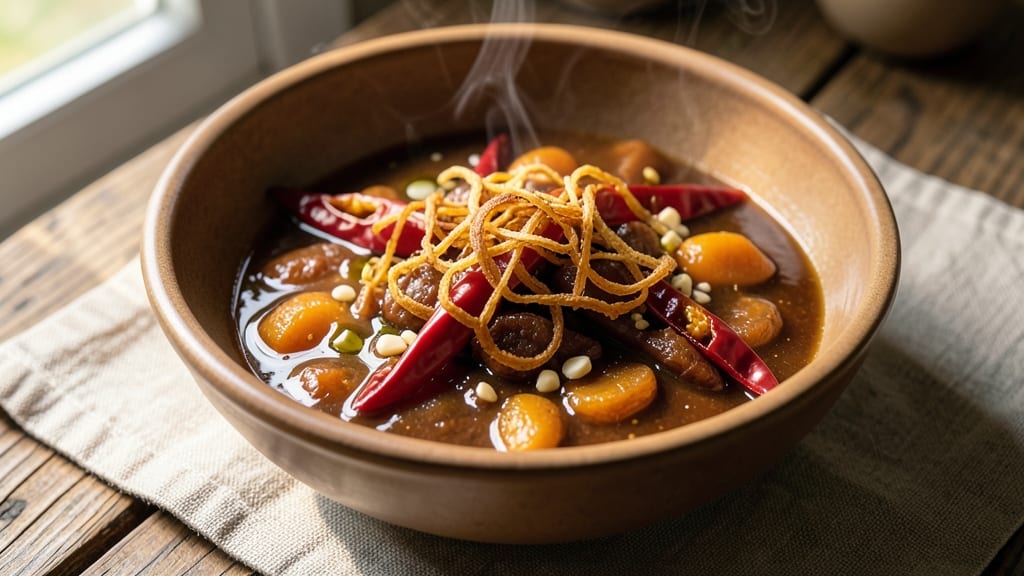
This apricot habanero sauce transforms grilled meats into a sweet-spicy masterpiece with just 10 minutes of simmering. The perfect balance of caramelized apricot sweetness and habanero heat creates a glaze that's bold enough for wings but versatile enough for seafood or even desserts.
I developed this recipe after craving a sauce that could stand up to smoky grilled flavors while adding a fruity twist—no more boring barbecue.
The secret lies in reducing the sauce slowly to concentrate the flavors, which builds depth without overpowering the natural sweetness of the apricot or the fiery kick of the habanero. A touch of apple cider vinegar brightens the mix, while brown sugar caramelizes for that sticky, restaurant-quality finish.
This isn’t just a glaze—it’s a flavor enhancer that turns simple proteins into showstopping centerpieces.
Once you taste the way this sauce clings to grilled chicken, pork chops, or even shrimp, you’ll never go back to store-bought versions. The heat mellows slightly as it cools, making it safe for most palates while still delivering that signature habanero punch.
Store it in the fridge for up to two weeks or freeze for longer shelf life—perfect for meal prep or gifting to fellow grilling enthusiasts.
Pair it with anything from ribs to fish tacos, or even drizzle it over vanilla ice cream for a daring dessert twist. The possibilities are endless, but the execution is simple: simmer, reduce, and let the flavors shine. Ready to elevate your next cookout?
Ingredients for apricot habanero sauce
Sweet, spicy, and sticky—this sauce brings the heat and fruitiness together perfectly.
| Ingredient | Amount | Notes |
|---|---|---|
| Dried Apricots 🍑 | 1 ½ cups | Chopped, unsulphured preferred |
| Fresh Habanero Peppers 🌶️ | 2 whole | Seeds removed for milder heat |
| Apple Cider Vinegar 🍏 | ½ cup | For brightness and tang |
| Brown Sugar 🍚 | ½ cup | Light or dark, packed |
| Extra-Virgin Olive Oil 🫒 | ½ cup | For richness and depth |
| Garlic Cloves 🧄 | 4 cloves | Minced for aromatic base |
| Fresh Ginger 🌿 | 1 tbsp | Grated, fresh preferred |
| Salt 🧂 | 1 tsp | Kosher or sea salt |
| Black Pepper 🌶️ | ½ tsp | Freshly ground for warmth |
| Water 💧 | ½ cup | For thinning if needed |
The habanero is the star here, so pick the freshest one you can find—Mexican markets or well-stocked grocery stores usually have the best selection. Look for peppers that are firm and bright green or red, not wrinkled or soft. The dried apricots should be plump and moist, not hard or shriveled. Trader Joe's or Whole Foods often carry unsulphured varieties, which keep their natural sweetness better. If you can't find fresh habaneros, habanero powder works in a pinch, but the flavor won't be as vibrant. And trust me on the brown sugar—light or dark, but pack it tightly for that caramelized stickiness.
No fresh habanero? Red pepper flakes or Scotch bonnet powder will add heat, though the flavor won't be identical. Dried apricots too expensive? Substitute with chopped dried mango or even raisins for sweetness, but the sauce will lose its fruity depth. Stuck without apple cider vinegar? White vinegar or lemon juice will work, but the tang won't be as balanced. And if you're avoiding sugar, maple syrup or agave can replace the brown sugar, though the texture will be slightly different. The olive oil is non-negotiable for richness—don't skimp here.
This sauce keeps beautifully—2 weeks in the fridge or 6 months in the freezer. Store it in a clean glass jar with a tight seal, and the flavors will only get better over time. I like to freeze it in ice cube trays for single-use portions—just thaw and reheat. The sauce thickens as it cools, so a splash of water can help thin it out if needed. And if you're feeling fancy, drizzle it over vanilla ice cream for a dessert twist—trust me, it's amazing.
Why You'll Love This Recipe
- No-Chop Necessary: I swear by this—just soak the dried apricots in warm water for 15 minutes while you toast the habanero in olive oil. No knife skills required, just a quick chop of seeds and stems. Honestly, it’s the kind of recipe that lets you multitask while the sauce builds itself.
- Sweet Heat Magic: That first taste? Chef’s kiss. The dried apricots soften into jammy sweetness, while the habanero adds a slow-building heat that lingers without overpowering. A splash of apple cider vinegar cuts through the richness, balancing everything into something dangerously addictive.
- Pantry Staple Power: Between us, this sauce is my go-to for lazy Sundays or last-minute dinner saves. Drizzle it over grilled chicken, toss it with roasted veggies, or serve it with charred flatbread—it turns even the simplest meal into something special. (Yes, even on a Tuesday night.)
- Lasts for Days: Make a big batch, store it in the fridge, and thank me later. The flavors deepen over time, and it keeps for at least two weeks. Not the prettiest in a jar, but every drop is worth it—especially when you’re short on time but still want flavor that packs a punch.
Step-by-step instructions for sweet-fiery apricot habanero glaze
Here's how to balance sweet and heat for a glaze that caramelizes beautifully on grilled meats.
Rehydrate and Simmer the Apricots
In a medium saucepan, combine the 1.5 cups dried apricots with the 0.5 cup apple cider vinegar and 0.5 cup water. Bring to a gentle boil over medium heat, then immediately reduce to a simmer. Let the apricots soak for 10 minutes until they've absorbed most of the liquid and softened noticeably.
Use a wooden spoon to break up any large apricot pieces as they rehydrate. This creates a smoother base for your sauce. The vinegar will start infusing the apricots with tangy brightness right away—don't rush this step. You'll know they're ready when they're pliable and the mixture has reduced by about half, leaving you with a thick, jam-like consistency.
Build the Flavor Base with Aromatics
Add the 0.5 cup brown sugar, 4 cloves minced garlic, and 1 tbsp grated fresh ginger to the saucepan. Stir well to combine, then increase heat to medium-high. Let the mixture bubble gently for 5 minutes, stirring occasionally, until the sugar begins to caramelize and the garlic becomes fragrant.
Watch for the sugar to dissolve completely—this is when the sauce will start developing its rich, molasses-like depth. You'll notice the aroma change dramatically as the ginger and garlic bloom. If the mixture starts to stick, add 1 tablespoon water to keep it flowing. This step builds the foundation for your sauce's complex flavor profile.
Incorporate the Habanero and Olive Oil
Carefully remove the saucepan from heat and let it cool for 2 minutes—this prevents the habanero from releasing too much heat at once. Add the 2 whole fresh habanero peppers (seeds removed) and 0.5 cup extra-virgin olive oil. Return to low heat and simmer for 10 minutes, stirring gently to blend everything together.
The habanero will gradually infuse its heat while the olive oil adds luxurious richness. You'll feel the heat building as the peppers break down—this is where the sauce transforms from sweet to sweet-fiery. Taste and adjust seasoning with 1 tsp salt and 0.5 tsp black pepper. The sauce should balance sweet, tangy, and spicy notes with a velvety texture.
Simmer to Perfection and Strain
Return the heat to medium-low and let the sauce simmer uncovered for 15-20 minutes, stirring occasionally, until it thickens to a glossy, syrupy consistency. You're looking for a sauce that coats the back of a spoon with a slight sheen—this indicates proper reduction. If it thickens too quickly, add 1 tablespoon water to maintain balance.
Once thickened, carefully strain the sauce through a fine-mesh sieve to remove the habanero peppers and any remaining apricot skins. Press gently with a spoon to extract all the flavor. The finished sauce should be vibrant red-orange with a rich, caramelized aroma. For best results, let it cool completely before using—this allows the flavors to meld further.
Pro Tips For Making Apricot Habanero Sauce
- SOAK DRY APRICOTS FIRST: I learned this the hard way—skipping the soak means tough, chewy apricots that won’t break down into jammy sweetness. Toss them in warm water for 20 minutes (no need to boil), then drain and chop. This also cuts down on simmering time later.
- REMOVE HABANERO SEEDS LAST: Start by seeding the habanero after you’ve cooked it down—when it’s soft and easier to handle. If you seed raw, you’ll lose precious juice and capsaicin that builds flavor. Save one seed for the pot if you want extra heat.
- USE A THICK-BOTTOMED PAN: Thin pans burn the brown sugar and vinegar before the sauce comes together. A heavy stainless steel or cast iron pan distributes heat evenly and prevents scorching. I’ve ruined three batches in nonstick pans—don’t make my mistake.
- STIR CONSTANTLY AFTER ADDING VINEGAR: The moment you pour in the apple cider vinegar, the sauce will bubble violently. Walk away, and you’ll end up with a burnt layer at the bottom. Keep a wooden spoon in hand and stir like you’re stirring a pot of risotto—steady and deliberate.
Perfect pairings for this recipe
Grilled Meats Mastery
This sauce is a game-changer for grilled chicken, pork chops, and ribs. Brush it on during the last 5-7 minutes of grilling to create a caramelized crust that locks in juices.
For wings, toss them in the sauce after cooking and broil for 2-3 minutes to achieve that perfect sticky glaze. I love using it on bone-in pork chops—the sauce clings beautifully to the meat while enhancing the smoky grill flavors. 🔥
Seafood Pairings
Surprisingly, this sauce works wonders with seafood too. Drizzle it over grilled salmon or shrimp skewers> right before serving—its sweetness balances the fish's natural oils while the habanero adds a fiery kick.
For a restaurant-worthy dish, brush it on grilled mahi-mahi> and garnish with fresh cilantro. The acidity in the sauce cuts through the richness of fatty fish perfectly.
Unexpected Dessert Twist
Who says sweet-spicy sauces are just for savory dishes? Drizzle this over vanilla ice cream> or coconut sorbet> for a dessert that's equal parts indulgent and exciting. The heat from the habanero mellows slightly when paired with cold dairy, creating a complex flavor experience.
I also love spooning it over warm churros> for a fusion treat that's sure to impress.
Taco and Bowl Topper
Elevate your taco night by using this sauce as a drizzle over fish tacos>, grilled steak bowls>, or even vegetarian black bean bowls>. Its sticky texture clings beautifully to tortillas, while the sweet-spicy profile complements both meat and plant-based proteins.
For extra depth, warm the sauce slightly before serving to intensify the flavors.
Breakfast Revolution
Start your day with a bang by using this sauce as a glaze for grilled breakfast sausages> or pancakes>. The sweetness balances the richness of eggs, while the habanero adds a morning wake-up call.
I drizzle it over warm cornbread> with a dollop of whipped cream for a Southern-inspired brunch dish that's anything but ordinary. 💫
Cheese Board Star
Transform your cheese board into a flavor adventure by pairing this sauce with sharp cheddar>, goat cheese>, or aged gouda>. The sweetness of the apricot complements creamy cheeses, while the habanero adds a spicy contrast.
Serve it in small ramekins for dipping or drizzle it over crackers> for an interactive appetizer that guests will love.
Nutrition facts
Frequently asked questions
Can I adjust the heat level in this apricot sauce?
For milder heat, remove the seeds and membranes from the habanero before adding it. For extra spice, leave the seeds in or add 1/4 teaspoon cayenne pepper at the end. You can also reduce the habanero to 1 pepper if you prefer a gentler kick. The sauce's sweetness will help balance any heat adjustments.
How do I prevent the sauce from being too thin or too thick?
Start with the full 0.5 cup water if you prefer a thinner consistency for drizzling. For a thicker glaze, reduce the water to 2 tablespoons and simmer uncovered for 5 extra minutes. If it thickens too much while cooking, add 1 tablespoon water at a time until you reach your desired texture. The sauce will thicken further as it cools.
What's the best way to store leftover sauce?
Store in an airtight glass container in the fridge for up to 2 weeks. For longer storage, freeze in ice cube trays or small containers for 6 months. Thaw overnight in the fridge and reheat gently on low heat, stirring occasionally. The flavors actually improve with time as the ingredients meld together.
Can I make this sauce without dried apricots?
Yes! Substitute with 1 cup chopped fresh apricots (peeled and pitted) or 1/2 cup apricot jam. For a jam substitute, reduce the brown sugar to 1/4 cup since jam already contains sugar. The texture will be slightly different but still delicious. Fresh apricots will give a brighter, fruitier flavor while jam provides a thicker consistency from the start.
Why does my sauce taste bitter after cooking?
Bitterness usually comes from overcooking the habanero or reducing the sauce too long. Keep heat at medium-low during the final reduction and never let it boil. If bitterness appears, balance it with 1 teaspoon honey or 1/2 teaspoon lemon juice. Also ensure you're using fresh ingredients—older habaneros or dried apricots can develop bitter notes over time.