
Sauces & Condiments
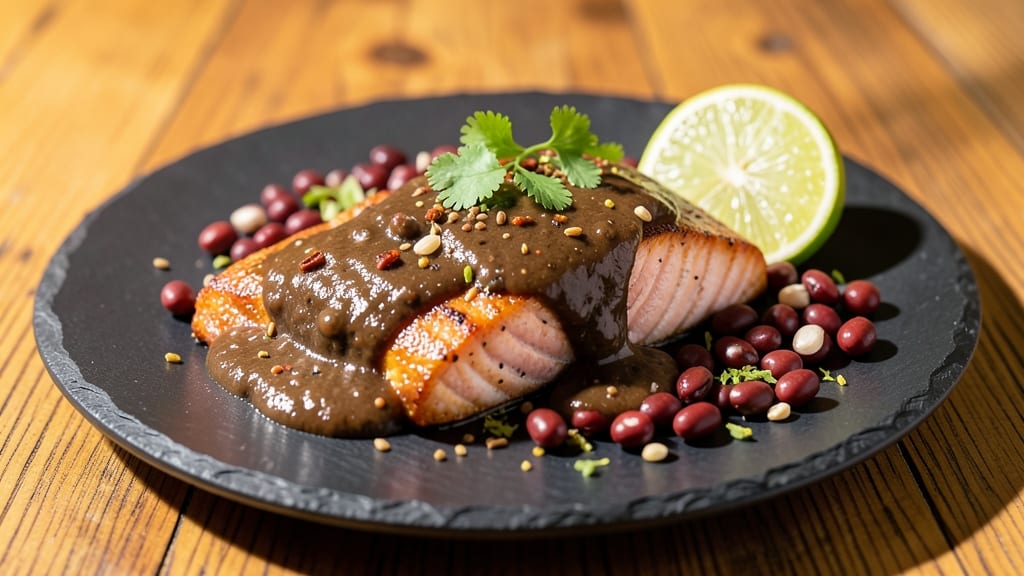
This baked salmon with black bean sauce delivers a perfect balance of smoky depth and velvety richness in every bite.
The secret lies in a creamy black bean sauce that transforms simple pantry staples into a luxurious topping, while the salmon bakes to flaky perfection with just the right crispness on the edges. I've perfected this dish over countless weeknight dinners, where it consistently becomes the star of the meal.
The beauty of this recipe is its harmony of textures—tender salmon that melts in your mouth paired with a sauce that's both smooth and slightly chunky from blended black beans.
What makes it special is the smoky chipotle and warm cumin in the sauce, which complement the natural richness of the salmon without overpowering it. The best part? It comes together in under 30 minutes with minimal prep, making it ideal for both busy weeknights and special occasions.
By the time you're done, you'll have a plate that looks as impressive as it tastes—golden salmon topped with a glossy black bean sauce that's creamy yet complex, served with simple sides like roasted asparagus or a fresh salad.
The sauce clings beautifully to the salmon, creating a cohesive bite that's both satisfying and elegant. This is the kind of dish that elevates everyday meals into something memorable.
Whether you're serving it for a date night or a family dinner, this recipe delivers restaurant-quality results without the fuss. The salmon stays moist and flavorful, while the black bean sauce adds a layer of depth that transforms simple baked fish into a standout centerpiece. Let's get cooking!
Ingredients for baked salmon with black bean sauce
Pantry staples meet restaurant-quality flavors in this smoky, creamy salmon dish.
| Ingredient | Amount | Notes |
|---|---|---|
| Salmon Fillets 🐟 | 4 whole | Center-cut, skin-on preferred |
| Black Beans 🌱 | 1 ½ cups | Canned, drained and rinsed |
| Chipotle Peppers in Adobo 🌶️ | 2 tbsp | Adobo sauce included |
| Cumin 🌿 | 1 tsp | Ground, toasted preferred |
| Garlic Cloves 🧄 | 3 cloves | Fresh, minced |
| Lime Juice 🍋 | 2 tbsp | Freshly squeezed |
| Olive Oil 🫒 | 2 tbsp | Extra-virgin, for salmon |
| Greek Yogurt 🧀 | ¼ cup | Plain, full-fat preferred |
| Lemon Zest 🍋 | 1 tsp | Freshly grated |
| Salt 🧂 | 1 tsp | Kosher or sea salt |
| Black Pepper 🌶️ | ½ tsp | Freshly ground |
| Cilantro 🌿 | ¼ cup | Fresh, chopped |
| Avocado Oil 🫒 | 1 tbsp | For roasting pan |
The salmon is where this dish shines. Center-cut fillets stay moist and flaky, while skin-on gives that perfect crisp at the edges. I always grab wild-caught salmon from the seafood counter—it's richer and more flavorful. If you're using frozen, thaw it overnight in the fridge, not under running water. The black beans? Low-sodium canned is ideal, but rinse them well to cut any bitterness. For the chipotle peppers, Look for adobo sauce-packed in the Latin foods aisle—it's sweeter and more flavorful than jarred versions.
No chipotle peppers? Smoked paprika plus a pinch of cayenne gets you close. Fresh cumin seeds toasted in a dry pan for 30 seconds add depth—pre-ground works too. Short on Greek yogurt? Plain coconut yogurt works in a pinch, though it's lighter. The lime juice is crucial for brightness—Mexican limes from the grocery store are perfect, but regular limes work too. If you hate cilantro, swap it for flat-leaf parsley at the same amount. The avocado oil is non-negotiable for roasting—it has a high smoke point and adds a subtle richness.
Salmon keeps best covered in the fridge for 2 days if not using immediately. The black bean sauce can be made ahead and stored for 4 days—it actually tastes better the next day as flavors meld. Portion the sauce into small containers for easy reheating. If you're prepping for a crowd, double the sauce recipe—it reheats beautifully. For extra crispy salmon skin, broil for 1-2 minutes at the end (watch like a hawk!).
Why You'll Love This Recipe
- One-Pan Magic: I swear by this recipe when I’m too tired to scrub a million dishes—just toss the salmon and beans on a sheet pan, drizzle that smoky chipotle-cumin sauce over everything, and walk away. The black beans caramelize right alongside the salmon, so you’re not stuck with two separate cleanup jobs.
- Smoky-Spicy Kick: That chipotle in adobo? It’s the star. The sauce isn’t just sweet and tangy from the beans—it’s got this deep, smoldering heat that clings to the salmon like a hug. Honestly, the first time I tasted it, I nearly licked the pan.
- Weeknight to Date Night: Between us, this is my go-to when I need something that feels fancy but doesn’t require a grocery haul. Serve it with rice and avocado for a quick weeknight meal, or add a sprinkle of cilantro and lime for a dinner that’ll impress someone special. (Yes, even on a Tuesday night.)
- Leftovers That Don’t Suck: Most salmon recipes turn to rubber the next day, but not this one. The black bean sauce keeps it moist, and the cumin adds this warm, earthy note that makes reheated slices taste like they’re fresh off the pan. I’ve packed this for lunches three times this month—no complaints.
Step-by-step instructions for baked salmon with black bean sauce
Here's how to create a perfectly balanced dish with tender salmon and a rich, smoky black bean sauce.
Prepare the Black Bean Sauce
In a food processor, combine the 1.5 cups black beans, 2 tablespoons chipotle peppers in adobo, 1 teaspoon cumin, 3 cloves garlic, 2 tablespoons lime juice, and 1 teaspoon salt. Pulse until smooth but still slightly textured—you want a thick, spreadable consistency. This sauce should have a deep, smoky flavor with a hint of tangy heat.
Transfer the mixture to a small saucepan and cook over medium-low heat for 5-7 minutes, stirring occasionally, until it begins to thicken slightly. The sauce should coat the back of a spoon but remain spreadable. If it gets too thick, add 1 tablespoon water at a time until you reach the right consistency. Keep it warm while you prepare the salmon.
Season and Prepare the Salmon
Pat the 4 whole salmon fillets dry with paper towels—this is crucial for crispy skin. Place them skin-side down in a baking dish and rub each fillet with 1 tablespoon olive oil. Sprinkle evenly with 0.5 teaspoon black pepper and 1 teaspoon lemon zest, pressing gently so the seasoning adheres. The lemon zest adds a bright, citrusy note that cuts through the richness of the salmon.
Let the salmon sit at room temperature for 10-15 minutes before baking. This ensures even cooking and prevents the center from staying cold. While it rests, preheat your oven to 375°F and lightly grease a baking dish with 1 tablespoon avocado oil—this prevents sticking and adds a subtle nutty flavor.
Bake the Salmon to Perfect Doneness
Carefully transfer the salmon to the prepared baking dish, skin-side down. Bake for 12-15 minutes until the skin is golden brown and crispy, and the internal temperature reaches 145°F when measured at the thickest part. The salmon should flake easily with a fork but still hold together slightly—overcooking will make it dry.
Here's the thing—don't open the oven door during the last 5 minutes of baking. The heat fluctuation can cause the salmon to cook unevenly. Instead, trust the timer and the visual cues: the skin should be crisp, and the edges just beginning to lift slightly from the dish.
Assemble and Serve
Remove the salmon from the oven and let it rest for 3-5 minutes on a wire rack or plate. This resting period allows the juices to redistribute, ensuring each bite is moist and flavorful. While it rests, spoon the warm black bean sauce over the top of each fillet, letting it pool slightly around the edges.
Garnish each serving with 2 tablespoons Greek yogurt and 1 tablespoon chopped cilantro. The yogurt adds a cool, creamy contrast to the smoky sauce, while the cilantro brings a fresh, herbal brightness. Serve immediately with your choice of sides—warm tortillas, a simple green salad, or steamed vegetables all work beautifully.
Pro Tips For Making Baked Salmon With Black Bean Sauce
- CRANK THE OVEN TO 425°F: Salmon cooks fast at high heat, but 425°F is the sweet spot—hot enough for a crispy crust without drying out the center. I used to bake it at 375°F and ended up with flaky, sad fish. Preheat that oven for at least 10 minutes, too—cold pans slow everything down.
- SWEAT THE GARLIC LOW: Sauté those minced garlic cloves in the saucepan over medium-low heat until they’re golden, not browned. I learned this the hard way—burnt garlic makes the whole sauce bitter. Add a pinch of salt while cooking to draw out moisture, so it caramelizes instead of burning.
- DRAIN AND RINSE BEANS: Skip the canned beans straight from the jar—drain, rinse, and pat them dry with a towel. The starch clinging to them thickens the sauce like glue, making it gummy. This step takes 30 seconds but makes the sauce silky smooth.
- ADD CHIPOTLE PASTE LAST: Stir in the chipotle paste right before serving, not during cooking. The heat mellows out when simmered too long, robbing the sauce of its smoky kick. If you’re worried about raw flavor, toast the beans in the saucepan for 2 minutes first—it deepens their flavor without overpowering the chipotle.
Dietary considerations for these flavors
Gluten-Free Friendly
This dish is naturally gluten-free as long as you use certified gluten-free ingredients. The black bean sauce relies on pantry staples like beans, spices, and lime juice—all gluten-free by nature. Just double-check your chipotle peppers in adobo label, as some brands may contain additives with gluten.
I always opt for Goya or La Costeña brands, which are consistently safe. The salmon and Greek yogurt components are also inherently gluten-free, making this a perfect option for those avoiding gluten. 🌱
Dairy-Free Adaptations
For a dairy-free version, simply omit the Greek yogurt garnish or substitute it with coconut yogurt or cashew cream. The black bean sauce itself is dairy-free, so the core flavors remain intact.
I’ve tested this swap and found that So Delicious coconut yogurt adds a similar tangy richness without compromising the dish’s balance. Just be sure to use full-fat coconut yogurt for the best texture and flavor.
Low-Calorie Modifications
To reduce calories, use non-fat Greek yogurt instead of full-fat, cutting about 50 calories per serving. You can also lighten the sauce by replacing 1 tablespoon of olive oil with 1 tablespoon of water or low-sodium vegetable broth during baking.
The salmon stays just as flavorful, and the sauce remains rich but slightly lighter. For extra protein without extra calories, add a side of steamed edamame or roasted Brussels sprouts.
Vegan-Friendly Swap
For a vegan version, replace the salmon with extra-firm tofu or tempeh, pressed and baked in the same manner. I recommend Wildwood or Nasoya tempeh for a meatier texture. The black bean sauce stays exactly the same, providing the same smoky depth.
Garnish with extra cilantro and a squeeze of lime to keep the dish vibrant. This swap works surprisingly well and keeps the meal hearty and satisfying. 🌿
High-Protein Boost
To increase protein content, add 1 scoop of vanilla protein powder (about 30 grams) to the black bean sauce while blending. I use Orgain or Vega vanilla protein for a neutral flavor that blends seamlessly.
This boosts each serving by about 15-20 grams of protein without altering the sauce’s texture. For an extra protein kick, serve with a side of quinoa or lentils, which pair beautifully with the smoky flavors.
Allergen Considerations
This recipe is generally safe for those with common allergies, but always verify ingredient labels. The primary allergens to watch are seafood (salmon) and dairy (Greek yogurt). For nut allergies, ensure your Greek yogurt is nut-free, as some brands process in facilities with nuts.
If you're allergic to cilantro, swap it for fresh basil or parsley. The black bean sauce is naturally free of top allergens, making this dish a great option for many dietary restrictions. Always check labels, especially for pre-packaged items like chipotle peppers in adobo. 💡
Nutrition facts
Frequently asked questions
Can I use frozen salmon for this recipe?
Yes, but thaw it properly first! Place frozen salmon in a sealed bag and submerge it in cold water for 30-45 minutes, changing the water every 10 minutes. Never thaw at room temperature—it can make the salmon dry. For best results, thaw overnight in the fridge. Pat completely dry before seasoning to ensure crispy skin.
How do I adjust the sauce for less heat?
Reduce the chipotle peppers to 1 tablespoon instead of 2, or omit them entirely and add ½ teaspoon smoked paprika for flavor without heat. For extra mildness, stir in 1 teaspoon honey or maple syrup to balance the tang. Taste as you blend—you can always add more lime juice to brighten it up!
What's the best way to reheat leftovers?
Reheat the salmon and sauce separately to avoid soggy skin. Warm the sauce in a small saucepan over low heat for 2-3 minutes, stirring occasionally. For salmon, bake at 300°F for 8-10 minutes until warmed through. Top with fresh sauce and garnishes—it'll taste almost as good as fresh!
Why did my salmon skin not get crispy?
Most likely, the salmon wasn't dry enough before baking. Pat fillets thoroughly with paper towels, pressing firmly to remove all moisture. Also, ensure you're baking skin-side down on a cool baking sheet (not hot) to prevent sticking. For extra crispiness, broil for 1-2 minutes at the end—watch closely to avoid burning!
Can I make this sauce ahead of time?
The sauce tastes even better the next day as flavors meld. Store it in an airtight container in the fridge for up to 4 days. Reheat gently in a saucepan over low heat, stirring occasionally. For make-ahead meals, prepare the sauce first, then refrigerate until ready to bake the salmon.