
Sauces & Condiments
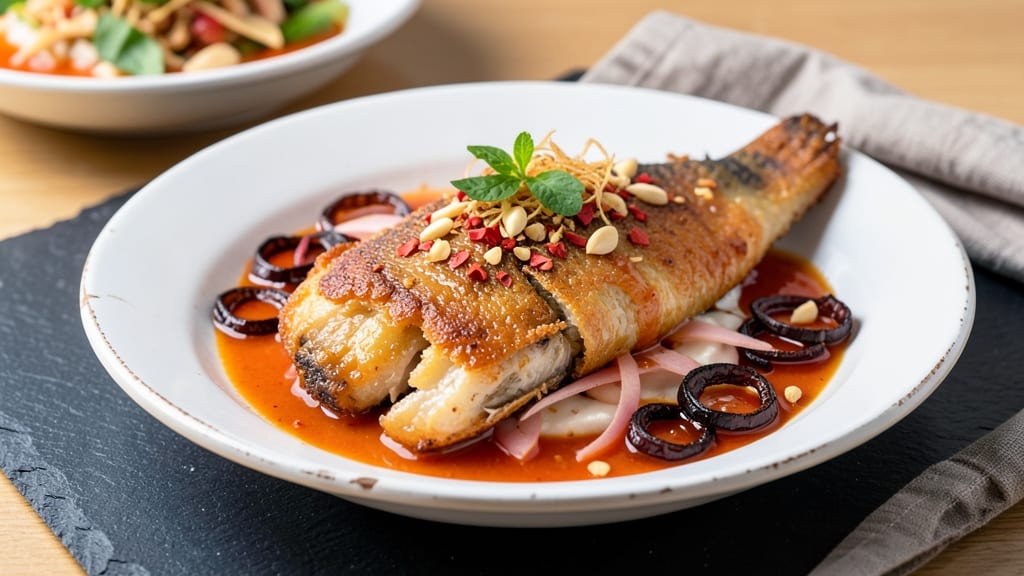
This bangus sauce recipe transforms simple ingredients into a tangy, aromatic glaze that elevates grilled milkfish to restaurant-quality perfection. The perfect balance of soy, garlic, and calamansi creates a sticky-sweet sauce that clings beautifully to fish while offering a bright, umami-rich dip.
I developed this version after years of testing—it’s the one that finally convinced even the most skeptical family members to finish their plates.
The foundation of this sauce lies in its simplicity: just six core ingredients that work together to create depth. Vinegar cuts through the richness of the soy and garlic, while chili adds subtle heat that lingers.
The aromatics—garlic, ginger, and shallots—infuse the sauce with layers of flavor that develop as it simmers. Unlike many store-bought versions, this recipe delivers a homemade taste that’s impossible to replicate with bottled sauces.
What makes this sauce truly special is its versatility—use it as a glaze for grilled bangus, a dipping sauce for steamed fish, or even a marinade for seafood skewers. The sauce thickens just enough to coat the fish perfectly, creating a caramelized crust that’s both tender and flavorful.
Best of all, it keeps well in the refrigerator for up to a week, so you can make a big batch and enjoy it all week long.
For those who love customization, the recipe includes room for adjustments—add more chili for heat, extra garlic for depth, or a splash of calamansi juice for extra tang.
Whether you’re serving bangus for a special occasion or a casual family meal, this sauce will be the star of the show. Let’s get started on making it.
Ingredients for bangus sauce
Six core ingredients create this restaurant-quality bangus sauce with balanced tangy-sweet depth.
| Ingredient | Amount | Notes |
|---|---|---|
| Soy Sauce 🍶 | ½ cup | Light or dark variety preferred |
| Garlic Cloves 🧄 | 6 cloves | Freshly minced for maximum aroma |
| Fresh Ginger 🌿 | 1 tbsp | Grated, finely chopped |
| Shallots 🧅 | 2 whole | Finely minced, or sub with onions |
| Calamansi Juice 🍋 | ¼ cup | Or lime/lemon juice if unavailable |
| Red Chili Flakes 🌶️ | 1 tbsp | Adjust for preferred heat level |
| White Vinegar 💧 | ¼ cup | For tangy brightness |
| White Sugar 🍚 | 2 tbsp | Balances acidity and heat |
| Olive Oil 🫒 | 1 tbsp | For smooth texture and richness |
| Black Peppercorns 🌶️ | ½ tsp | Freshly ground for depth |
The sauce's foundation starts with soy sauce—look for light soy for subtle flavor or dark soy for deeper color. Asian grocery stores often carry premium brands like Lee Kum Kee or Soy Vanguard, which elevate the sauce. Fresh garlic and ginger are non-negotiable here; pre-minced jarred garlic lacks the aromatic punch. Shallots add sweetness without overpowering—substitute with red onion if needed, but taste the difference first. Calamansi is ideal for that signature tang, but lime or lemon juice works in a pinch (though it’s less complex).
No calamansi? Double the vinegar for acidity, but reduce sugar slightly to balance. Dried chili flakes work, but fresh or chili paste delivers better heat. The sugar isn’t just for sweetness—it helps caramelize the sauce when glazing fish. Brown sugar adds molasses notes if you prefer depth. Olive oil binds everything together, so don’t skimp—it prevents separation. For a smoother sauce, blend the aromatics before simmering, but keep some texture for that homemade feel.
This sauce thickens as it cools, so simmer until slightly reduced for the perfect glaze. Store in an airtight jar in the fridge for up to 7 days—the flavors deepen over time. For longer storage, freeze in ice cube trays and thaw as needed. Reheat gently on low heat, stirring occasionally to prevent scorching. Double the batch—it disappears fast during family gatherings.
Why You'll Love This Recipe
- Pantry Magic: I swear by this sauce because it uses things I already have—no special shopping needed. The soy, ginger, and shallots simmer down to a rich base while I chop garlic and squeeze calamansi, which is basically the Filipino equivalent of a citrusy secret weapon.
- Umami Bomb: That first bite? Pure satisfaction. The garlic and ginger caramelize just enough to give it depth, while the calamansi cuts through the richness—like a bright, tangy hug for your taste buds. Honestly, it’s the kind of flavor that makes me want to eat it straight from the pan.
- Weeknight Workhorse: This sauce transforms grilled bangus into a restaurant-worthy dish in minutes, but it’s also my go-to for quick stir-fries or even as a marinade. (Yes, even on a Tuesday night when I’m too tired to think.) It’s the kind of recipe that saves me from takeout.
- Budget-Friendly Luxury: A little goes a long way—this sauce stretches across multiple meals without breaking the bank. I make double batches and freeze half for lazy days, and it still tastes like I slaved over it. Between us, that’s the real win.
Step-by-step instructions for tangy soy-garlic glaze
This sauce delivers bold, balanced flavors with minimal effort—perfect for enhancing grilled fish.
Prepare Aromatics for Maximum Flavor
Heat the 1 tablespoon olive oil in a medium saucepan over medium heat. Add the 2 whole shallots and cook for 3-4 minutes until softened and translucent. This gentle cooking releases their natural sweetness without burning.
Add the 6 cloves garlic cloves and 1 tablespoon fresh ginger (finely grated) to the pan. Cook for another 1-2 minutes until the garlic turns golden and fragrant—this prevents bitter flavors. Stir constantly to avoid burning, as garlic can turn acrid in seconds.
Build the Sauce Base
Pour in the 0.5 cup soy sauce and 0.25 cup white vinegar, stirring to combine. Bring the mixture to a gentle simmer over medium-low heat, then reduce heat to maintain a slow bubble. Cook for 5-7 minutes until the liquid reduces by about one-third, intensifying the flavors.
Add the 2 tablespoons white sugar and 1 tablespoon red chili flakes, stirring until fully dissolved. The sugar helps balance the acidity from the vinegar, while the chili adds subtle heat. Taste the mixture—it should be tangy with a touch of sweetness and spice.
Finish with Citrus and Seasoning
Remove the sauce from heat and let it cool slightly for 1 minute. Stir in the 0.25 cup calamansi juice and 0.5 teaspoon freshly ground black peppercorns. The acidity from the calamansi brightens the sauce, while the pepper adds depth. Adjust the seasoning if needed—add more soy sauce for saltiness or vinegar for tang.
For a smoother texture, strain the sauce through a fine-mesh sieve to remove any garlic or ginger bits. Return it to the pan and simmer for another 2-3 minutes to thicken slightly. The sauce should coat the back of a spoon but remain pourable—this consistency ensures it clings beautifully to grilled fish.
Ready for Serving
Let the sauce cool to room temperature before using. It can be stored in an airtight container in the refrigerator for up to 1 week. Reheat gently over low heat, stirring occasionally, until warmed through. This sauce pairs perfectly with grilled bangus or other white fish, adding a glossy, flavorful finish.
For extra richness, drizzle a thin layer of the sauce over the fish just before serving. The heat from the grill will slightly caramelize the sauce, deepening its flavor and creating a stunning presentation.
Pro Tips For Making Bangus Sauce
- Sweat the Garlic Low: Don’t rush the garlic—cook it on medium-low with the shallots until it’s golden and just starting to brown, not crispy. I learned this the hard way when my sauce ended up bitter; patience here makes all the difference.
- Peel Ginger Thinly: Skip the thick slices—grate or julienne the ginger so it dissolves smoothly into the sauce. Thick chunks turn to mush and leave weird texture, and no one wants that in their silky bangus sauce.
- Balance the Calamansi: Taste before adding all the juice—start with a tablespoon, then adjust. Too much and your sauce turns sharp; too little and it loses that bright tang. (Yes, even if you’re impatient like me.)
- Use Dark Soy Sauce: Swap half the regular soy sauce for dark soy—it adds depth and that signature caramelized richness without overpowering. I was skeptical until I tried it; now it’s non-negotiable.
Serving suggestions for leftovers
Glazing Grilled Bangus
Brush this sauce onto grilled bangus fillets in the last 5 minutes of cooking for a perfect caramelized crust. The soy, garlic, and sugar combination creates a sticky glaze that clings beautifully to the fish's skin.
I recommend using a pastry brush for even application—it helps the sauce penetrate without making the fish too soggy. 🔥
For extra shine, finish with a quick broil at high heat for 2-3 minutes after glazing. This creates a glossy, restaurant-quality finish. Serve immediately while the sauce is still warm and gooey—it’s the best way to experience its full flavor potential.
Dipping Sauce Perfection
Serve this sauce chilled in a small ceramic dipping bowl alongside steamed or fried bangus. The calamansi tang and garlic depth make it irresistible for dipping crispy fish skin or soaking up with rice.
I like to garnish with extra chili flakes and toasted sesame seeds for added texture and visual appeal. 🌶️
For a modern twist, drizzle the sauce over bangus sashimi-style slices with a sprinkle of thinly sliced scallions. The contrast between the raw fish and bold sauce creates a restaurant-worthy presentation that’s perfect for dinner parties.
Pairing with Sides
This sauce works beautifully with steamed jasmine rice—the mild rice absorbs any leftover sauce drippings, creating a flavorful bite. For a complete meal, serve with garlic sautéed spinach or blistered green beans to balance the richness of the fish.
The vinegar and chili in the sauce cut through the fat, keeping the meal light yet satisfying. ✨
For a Filipino-inspired spread, add kinilaw (Filipino ceviche) made with shrimp or squid. The citrusy, raw seafood pairs wonderfully with the sauce’s umami depth. Another great match is grilled corn on the cob brushed with the sauce—it’s a crowd-pleaser at summer barbecues.
Sauce Customizations
Need more heat? Add 1 tsp of sambal oelek or ½ tsp of cayenne pepper to the finished sauce. For a sweeter profile, increase the sugar to 3 tbsp and add 1 tsp of honey at the end.
Vegetarians can use this sauce for tofu or mushrooms—it works surprisingly well with plant-based proteins. 💡
For a smoky twist, stir in ½ tsp of smoked paprika or 1 tsp of liquid smoke before serving. If you love sour flavors, increase the calamansi juice to ⅓ cup and reduce the vinegar slightly. The sauce’s versatility makes it perfect for experimenting with different flavor profiles.
Nutrition facts
Frequently asked questions
Can I make this sauce without calamansi?
Yes! If you don't have calamansi, substitute with lime or lemon juice—use the same amount (¼ cup). For extra tang, add 1 extra tablespoon of vinegar while reducing the sugar slightly (1.5 tbsp) to balance. The sauce will still taste bright and flavorful, though calamansi gives that signature Filipino zing.
How do I adjust the heat level?
Start with the 1 tbsp chili flakes as written for mild heat. For medium heat, add ½ tsp of sambal oelek to the finished sauce. Want it spicy? Stir in 1 tsp of crushed red pepper or ½ tsp cayenne. Always taste as you go—you can always add more, but you can't remove excess heat!
Can I use this sauce for other proteins?
This sauce works beautifully with shrimp, scallops, or tofu for a quick seafood stir-fry. For chicken or pork, reduce the vinegar to 2 tbsp and add ½ tsp of five-spice powder to complement the meat. The sauce's umami base makes it versatile for any protein that needs a tangy boost.
Why did my sauce separate?
Sauce separation usually happens from too much oil or not enough simmering time. To fix it, whisk in 1 tsp of cornstarch mixed with 1 tbsp water while heating gently. For prevention, always simmer the sauce for the full 5-7 minutes and avoid adding olive oil until the aromatics are cooked. The sauce should coat the back of a spoon but remain pourable.
How long can I store leftover sauce?
Store in an airtight container in the fridge for up to 1 week. For longer storage, freeze in ice cube trays—thaw overnight in the fridge. When reheating, warm gently over low heat while stirring constantly to prevent scorching. The flavors actually improve after 2-3 days as the ingredients meld together!