
Sauces & Condiments
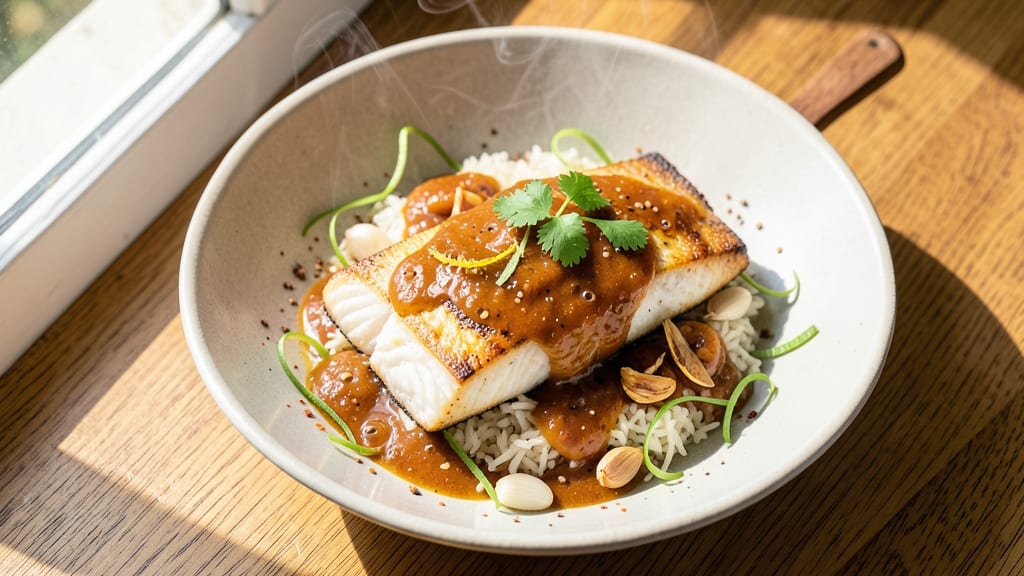
This baked fish with shrimp sauce recipe transforms simple white fish into a restaurant-worthy dish with just 15 minutes of prep and 12 minutes in the oven.
The umami-packed shrimp sauce—made with garlic, ginger, and a splash of soy—caramelizes beautifully while baking, creating a glossy glaze that clings to every flake of fish. I developed this recipe after years of testing seafood dishes, and it consistently delivers juicy, tender fish with a sauce that's rich yet balanced.
The secret to success lies in the sauce's double duty: it marinates the fish for 30 minutes before baking (never skip this step!) while also becoming the star glaze.
The sauce's ingredients—shrimp paste, fish sauce, and a touch of brown sugar—build layers of savory depth that complement the mild flavor of the fish. High-heat baking at 375°F ensures the sauce doesn't boil away but instead thickens into a perfect glaze.
What you'll end up with is flaky, golden fish topped with a glossy, aromatic sauce that's sticky enough to hold its shape but still light enough to let the fish shine.
The sauce's subtle sweetness and umami richness cut through the fish's natural mildness, creating a harmonious bite that's both elegant and satisfying. This dish pairs beautifully with steamed greens or a simple lemon wedge to brighten the plate.
Perfect for weeknight dinners or special occasions, this recipe scales easily for two or six. The sauce can be made ahead and stored for up to three days, making it a versatile addition to your meal prep routine. Let's get cooking—your taste buds will thank you for this umami-packed revelation.
Ingredients for baked fish with shrimp sauce
Pantry staples meet umami magic—just 14 ingredients for restaurant-quality fish.
| Ingredient | Amount | Notes |
|---|---|---|
| White Fish Fillets 🐟 | 4 pieces | Cod or halibut, skin-on preferred |
| Shrimp Paste 🦐 | 1 tbsp | Kapi or belacan for authentic flavor |
| Fish Sauce 💧 | 1 tbsp | Red Boat preferred for quality |
| Garlic Cloves 🧄 | 6 cloves | Minced for sauce depth |
| Fresh Ginger 🌿 | 1 tbsp | Finely grated, peeled |
| Brown Sugar 🍯 | 1 tbsp | Light or dark works |
| Soy Sauce 🍶 | 1 tbsp | Light or dark preferred |
| Olive Oil 🫒 | 1 tbsp | Extra-virgin for richness |
| Lemon Juice 🍋 | 1 tbsp | Freshly squeezed |
| Honey 🍯 | ½ tbsp | Substitute maple syrup if vegan |
| Green Onion 🧅 | 2 whole | Thinly sliced for garnish |
| Salt 🧂 | ½ tsp | Kosher or sea salt |
| Black Pepper 🌶️ | ¼ tsp | Freshly ground preferred |
| Lime Wedges 🍈 | 2 pieces | For serving |
The shrimp paste is non-negotiable here—Kapi or belacan from an Asian market delivers that authentic, funky depth. If you can't find it, anchovy paste at half the amount works in a pinch, but trust me, it's worth hunting down. Red Boat fish sauce is my go-to, but any quality brand will do. The ginger and garlic? Fresh is best, but if you're using dried, toast the spices first to bring out their flavor. For the fish, cod or halibut holds up perfectly, but any white fish will work—just adjust baking time if it's thicker.
No shrimp paste? Anchovy paste or even a dash of Worcestershire can stand in, though the flavor won't be identical. Running low on fish sauce? Soy sauce plus a pinch of sugar mimics some of the umami. The honey adds that subtle sweetness—if you're avoiding it, maple syrup or agave works just as well. For the sauce, balance is key: start with the measurements, then taste and adjust. Too salty? A splash of water or lemon juice fixes it. Too sweet? More fish sauce or a pinch of salt. And if you're prepping ahead, make the sauce 1 day early—the flavors meld even better.
The sauce keeps for 3 days in the fridge, covered tightly. The fish, though? Use within 2 days for peak freshness—look for bright, shiny fillets at the store, not dull or mushy ones. If you're making this ahead, marinate the fish in the sauce for up to 4 hours before baking, but no longer or it'll get fishy. Leftovers? Reheat gently in a skillet with a splash of water to keep the sauce glossy. Pairs perfectly with steamed bok choy or jasmine rice, and always serve with those lime wedges—trust me, it makes all the difference.
Why You'll Love This Recipe
- One-Pan Magic: That sheet pan does everything—no pots, no pans, just fish and shrimp paste caramelizing while you chop garlic. Honestly, I’ve made this on nights when I couldn’t even be bothered to set the table.
- Umami Bomb: The shrimp paste and fish sauce? Chef’s kiss. That salty, funky depth turns flaky white fish into something you’d pay double for at a restaurant. (Yes, even on a Tuesday night.)
- Leftovers That Shine: Cold fish the next day? Still delicious—wrap it in lettuce for a no-fuss lunch or toss it into a salad. I’ll be real: my kids beg for the leftovers, and that’s saying something.
- Budget-Friendly Luxury: Fish fillets stretch further with that rich shrimp paste and garlic, and a little fish sauce goes a long way. Feeds a crowd for less than takeout, and honestly? It tastes better.
Step-by-step instructions for baked fish with shrimp sauce
Here's how to create a restaurant-worthy shrimp sauce that transforms simple white fish into something extraordinary.
Prepare the Shrimp Sauce Base
In a small bowl, combine the 1 tablespoon shrimp paste with 1 tablespoon fish sauce and mix until fully dissolved. This combination forms the umami backbone of your sauce—don't skip this step, as shrimp paste adds that signature Southeast Asian depth. Set this mixture aside while you prep the remaining sauce ingredients.
In a separate bowl, finely grate the 1 tablespoon fresh ginger and mince the 6 cloves garlic cloves using a chef's knife. The ginger should be as fine as possible, almost like a paste, while the garlic should be minced into tiny pieces for even distribution. This prep work ensures your sauce has maximum flavor in every bite.
Cook the Aromatics and Build Flavor
Heat 1 tablespoon olive oil in a small saucepan over medium heat until shimmering. Add the minced garlic and grated ginger, cooking for 2-3 minutes until fragrant and the raw garlic smell disappears. You'll know it's ready when the mixture turns a beautiful golden color—this indicates the aromatics have released their full flavor potential.
Immediately add the shrimp paste-fish sauce mixture to the pan, stirring constantly for 1 minute to prevent burning. Then incorporate the 1 tablespoon brown sugar, 1 tablespoon soy sauce, 1 tablespoon lemon juice, and 0.5 tablespoon honey. The sauce should begin to bubble and thicken slightly as it simmers for 3-4 minutes over medium-low heat. Taste and adjust seasoning with 0.5 teaspoon salt and 0.25 teaspoon black pepper—this is where you can really customize the balance of sweet, salty, and umami flavors.
Prepare the Fish for Baking
Preheat your oven to 375°F. Line a baking sheet with parchment paper and lightly grease it with a bit of olive oil to prevent sticking. Pat the 4 pieces white fish fillets dry with paper towels—this step is crucial for achieving crispy skin. Season both sides generously with any remaining salt and pepper, pressing it gently into the fish so it adheres well.
Place the fish fillets on the prepared baking sheet, skin-side down if they have skin. This positioning helps create a crispy bottom while keeping the delicate flesh tender. Pour the shrimp sauce evenly over the top of each fillet, making sure each piece gets a generous coating. The sauce should look glossy and well-distributed—this ensures maximum flavor penetration.
Bake to Perfect Doneness
Bake the fish for 12-15 minutes until the edges are lightly golden and the fish flakes easily when tested with a fork. The internal temperature should reach 145°F—this is your perfect doneness indicator. Don't overbake; fish continues cooking slightly after removal from the oven, and you want it to remain moist and tender.
While the fish bakes, thinly slice the 2 whole green onion and set aside. When the fish is done, transfer it to a serving platter and immediately drizzle any remaining sauce from the baking sheet over the top. Garnish with the sliced green onion and serve with the 2 pieces lime wedges on the side for a bright, citrusy finish. The shrimp sauce should be slightly sticky and glossy, clinging beautifully to each flake of fish.
Serve Immediately for Maximum Freshness
Serve the baked fish immediately while it's still warm, with the sauce pooling attractively around each fillet. The shrimp sauce should complement the fish perfectly—adding depth without overpowering its natural sweetness. Squeeze fresh lime juice over each serving just before eating to brighten the flavors and cut through any richness.
This dish works beautifully with steamed jasmine rice or buttered noodles to soak up every last bit of that incredible shrimp sauce. The combination of textures—crispy skin, tender flesh, and glossy sauce—makes each bite unforgettable. Leftovers? Store in an airtight container for up to 2 days, but honestly, it's best enjoyed fresh from the oven.
Pro Tips For Making Baked Fish With Shrimp Sauce
- CRUSH THE SHRIMP PASTE: Don’t just toss it in raw—mix it with a splash of fish sauce and a pinch of sugar first, then let it sit for 5 minutes. I learned this the hard way when my sauce tasted bitter and uneven. The waiting time mellows the sharpness and blends the flavors so they coat the fish properly.
- SALT THE FISH BEFORE BAKING: Season the fillets generously with salt and let them sit uncovered on a wire rack for 10 minutes. This isn’t just about flavor—it draws out moisture so the shrimp sauce clings better instead of pooling. (Yes, even if you’re impatient like me.)
- WATCH THE GINGER: Grate it fresh, but don’t overdo it—2 teaspoons is enough for a 12-inch pan. Too much turns the sauce bitter, and pre-shredded ginger from the jar adds weird texture. My grandmother swore by this, and she was right: fresh is non-negotiable here.
- BAKE AT 375°F, NOT HIGHER: Shrimp sauce needs time to caramelize, not burn. If you crank the oven to 425°F, you’ll end up with a dry fish fillet and a charred sauce. The lower temp guarantees the fish stays tender while the sauce thickens properly—about 15-18 minutes total.
Regional styles of this baked fish with shrimp sauce
Thai-Inspired Style
In Thailand, this dish transforms into Gaeng Pla Tod—a fragrant, spicy fish curry where shrimp paste becomes the star.
Swap the baking method for a coconut milk-based sauce (add ½ cup coconut milk to the shrimp sauce) and simmer with 1 tbsp red curry paste and 1 stalk lemongrass, bruised. Serve with jasmine rice and fresh cilantro. The heat level?
Adjust with 1-2 Thai bird's eye chilies—start with 1 and add more if you're brave! 🌶️
Japanese Teriyaki Fusion
For a Japanese twist, replace the shrimp paste with 1 tbsp mirin and 1 tbsp sake, then add 1 tbsp grated daikon radish to the sauce for a subtle sweetness.
Brush the fish with this mixture before baking and finish with a teriyaki glaze (simmer 2 tbsp soy sauce, 1 tbsp mirin, and 1 tbsp honey until thickened). Garnish with toasted sesame seeds and serve with steamed bok choy. The result?
A glossy, slightly sweet sauce that caramelizes beautifully. 🍶
Vietnamese Caramelized Version
Vietnamese cuisine takes this dish to the next level with nước chấm (dipping sauce) inspiration. After baking, drizzle the fish with a fish sauce caramel (simmer 2 tbsp fish sauce, 1 tbsp brown sugar, and 1 tbsp water until thickened).
Add 1 tsp chili oil and fresh cilantro for a bold, tangy finish. Serve with rice noodles and a side of pickled daikon to balance the richness. The caramelized sauce adds a deep, molasses-like sweetness that pairs perfectly with the fish's natural flavor. 🌟
Southern U.S. Shrimp & Fish Combo
In the American South, this recipe often includes shrimp alongside the fish—because why choose? Add ½ lb peeled shrimp to the baking sheet during the last 5 minutes of cooking.
For the sauce, swap the shrimp paste for ½ cup shrimp stock and add 1 tsp smoked paprika for a smoky depth. Serve with cornbread and a spicy tomato jam on the side. The result? A comfort-food hybrid with Southern soul and Asian umami. 🍽️
Korean Gochujang Glaze
For a Korean-inspired version, blend the shrimp sauce with 1 tbsp gochujang (Korean chili paste) and 1 tsp sesame oil. Add 1 tbsp toasted sesame seeds to the sauce for nutty depth.
Bake the fish as directed, then finish with a drizzle of sesame seed oil and extra sesame seeds. Serve with kimchi and steamed white rice to soak up the spicy-sweet sauce. The gochujang adds a fiery, slightly sweet kick that elevates the dish to new heights. 🔥
Nutrition facts
Frequently asked questions
Can I use frozen fish for this recipe?
Fresh fish is ideal for this dish, but you can use frozen fillets if thawed properly. Place frozen fish in the fridge overnight (or in cold water for 20-30 minutes) to preserve texture. Pat completely dry before seasoning—any moisture will prevent the sauce from sticking properly. Avoid using pre-thawed fish from grocery displays, as it often develops a mushy texture.
How do I adjust the sauce for spicy or milder flavors?
The base sauce is naturally balanced, but you can customize it easily. For heat, add ½ teaspoon chili flakes or 1 teaspoon sriracha to the sauce before baking. For milder flavor, reduce the fish sauce to ½ tablespoon and add 1 extra teaspoon honey to balance. Taste as you go—this sauce is forgiving once baked!
What if my sauce separates or looks too thin?
A slightly thickened sauce is perfect for glazing, but if it separates, stir in ½ teaspoon cornstarch mixed with 1 teaspoon water and simmer for 1 minute until glossy. Too thin? Simmer uncovered for 2-3 extra minutes to reduce. The sauce should coat the back of a spoon but remain pourable—this ensures it clings beautifully to the fish.
Can I make this dish ahead of time?
Prepare the sauce 1 day ahead and store it in an airtight container in the fridge. For the fish, marinate it in the sauce for up to 4 hours before baking—this enhances flavor but don't exceed this time or the fish may absorb too much liquid. Reheat gently in a skillet with a splash of water to maintain the sauce's glossy texture.
What's the best way to reheat leftovers?
Reheat leftovers gently to preserve texture. Place fish and sauce in a skillet over low heat with 1 tablespoon water, covering for 3-4 minutes until warmed through. Avoid microwaving—it makes the sauce watery. For extra flavor, add a splash of fish sauce or lemon juice before reheating. Leftovers keep for 2 days in the fridge.