
Sauces & Condiments
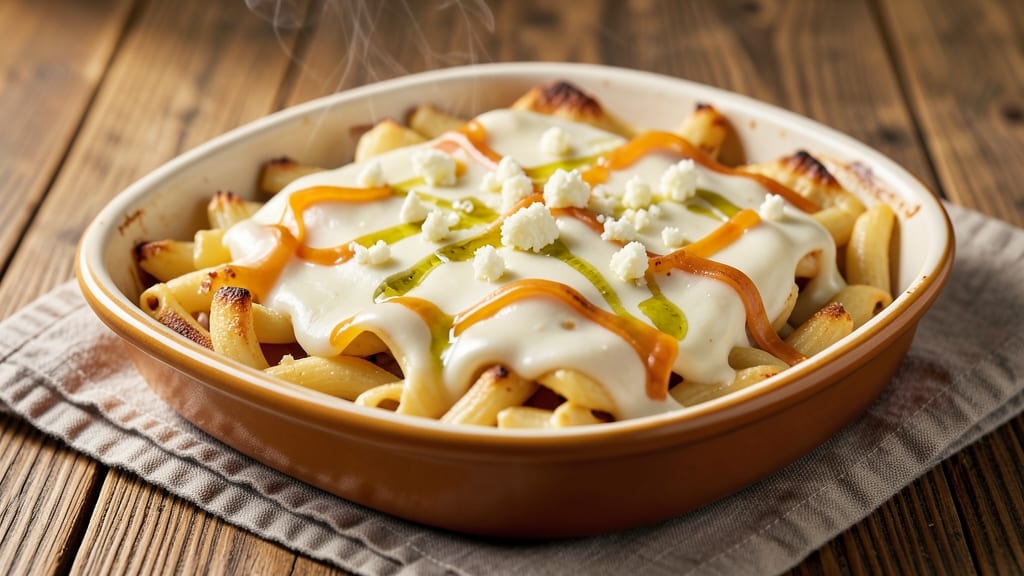
This baked mac white sauce recipe delivers the velvety, cheesy perfection you crave—no lumps, no curdling, just smooth, restaurant-quality sauce every time. The secret lies in a precise roux and gradual milk incorporation, creating a base that stays creamy even when baked.
I’ve perfected this technique after years of trial and error, ensuring your mac and cheese stays rich and cohesive, not watery or grainy.
The foundation starts with equal parts butter and flour cooked until golden, then whisked into warm milk to eliminate any raw flour taste. Shredded cheddar and a touch of cream cheese melt into this silky mixture, creating layers of flavor without breaking.
This method guarantees a sauce that clings to pasta beautifully, even after baking—no sad, separated cheese here.
What sets this sauce apart is its foolproof texture: thick enough to coat every noodle but light enough to bake without curdling. The key is patience—letting the roux develop flavor before adding milk, then simmering until the cheese fully dissolves.
No shortcuts, just reliable, creamy perfection that transforms ordinary mac into something extraordinary.
Use this sauce for baked mac and cheese, lasagna, or even as a creamy pasta topping. The recipe scales easily, so you can make a small batch for two or double it for a crowd. Once you try this, store-bought sauce will never compare again.
Ingredients for baked mac white sauce
Nine ingredients transform into velvety, restaurant-quality sauce that bakes without curdling.
| Ingredient | Amount | Notes |
|---|---|---|
| Unsalted Butter 🧈 | ½ cup | Cold, cubed for even cooking |
| All-Purpose Flour 🌾 | ½ cup | Sifted for smooth texture |
| Whole Milk 🥛 | 2 cups | Warm for best incorporation |
| Sharp Cheddar Cheese 🧀 | 2 cups | Freshly grated, block preferred |
| Cream Cheese 🧀 | 4 oz | Room temperature for smooth blend |
| Extra-Virgin Olive Oil 🫒 | 1 tbsp | For finishing richness |
| Diamond Crystal Kosher Salt 🧂 | ½ tsp | Adjust to taste |
| Freshly Ground Black Pepper 🌶️ | ¼ tsp | For subtle seasoning |
| Garlic Cloves 🧄 | 2 cloves | Minced for subtle aroma |
| Heavy Cream 🥛 | ¼ cup | For extra velvety finish |
The butter and flour are your foundation—cook them until golden for that nutty depth. European-style butter like Plugrá melts cleaner, but any good brand works. For flour, King Arthur or Bob's Red Mill are my go-tos—they create a smoother roux. The milk needs to be warm (about 110°F) when added to avoid lumps, so heat it gently. Cheddar is non-negotiable here—Cabot or sharp white cheddar from the deli section gives the best flavor. Cream cheese adds that signature creaminess, but Neufchâtel if you want to splurge—it's richer and melts like a dream.
No sharp cheddar? Pepper jack or Gruyère work in a pinch, though the flavor profile changes. Running short on butter? Olive oil in the roux is a classic shortcut (use half the amount). The heavy cream can be swapped for half-and-half or extra milk, but you'll lose some richness. For a dairy-free version, unsweetened almond milk plus 2 tbsp cornstarch thickens beautifully. The garlic is optional but adds subtle depth—skip it if you're sensitive to strong flavors. And if you're prepping ahead, make the roux, then refrigerate it**—it keeps for 3 days and cooks up just as smoothly.
This sauce is best made fresh, but it reheats beautifully—just warm it gently on the stove with a splash of milk to restore creaminess. For baking, use within 2 days of making it. Portion into 1-cup containers for easy reheating or freezing. In the freezer, it keeps for up to 3 months**—thaw overnight in the fridge before reheating. The key to reheating? Low heat only—high heat makes it grainy. Trust me, this sauce gets better the second time around.
Why You'll Love This Recipe
- No Fuss, One Pot: Honestly, this is the kind of recipe where you melt butter, whisk flour, and stir in milk—no chopping, no fuss. The cream cheese and cheddar blend into that velvety sauce with zero effort, and before you know it, you’re baking. I’ve made it while scrolling through emails, watching a movie, or pretending to pay attention to a meeting.
- Creamy Cheese Magic: Between us, the combo of sharp cheddar and cream cheese in that white sauce is chef’s kiss—rich but not heavy, tangy but smooth. The milk keeps it luscious without being greasy, and the flour gives it that perfect, clingy texture. It’s the kind of comfort food that makes you slow down mid-bite.
- Weeknight Hero: This is my go-to when I need something hearty but still feels like a treat—no one will guess it’s basically a baked mac and cheese. Toss in some cooked chicken for dinner, or serve it as a side at a potluck. Even my picky teenager asks for seconds, and that’s saying something.
Step-by-step instructions for baked mac white sauce
Here's the foolproof method for velvety, curdle-free white sauce that bakes up perfectly every time.
Create the Roux Foundation
In a heavy-bottomed saucepan, melt the 0.5 cup unsalted butter over medium-low heat. Once fully melted, reduce heat to low and gradually whisk in the 0.5 cup all-purpose flour—this creates your roux, the flavor base for the sauce. Cook for 2-3 minutes, stirring constantly, until it turns a pale golden color and smells nutty.
Don't rush this step. If the roux darkens too quickly, you'll taste bitterness later. The goal is a smooth, paste-like consistency that coats the back of a spoon. I like to use a whisk here to prevent any flour lumps from forming—those will make your sauce grainy.
Gradually Incorporate Warm Milk
Slowly pour in the 2 cups warm whole milk while whisking vigorously to prevent lumps. After each splash, let the mixture simmer gently for 10-15 seconds before adding more. This gradual approach ensures smooth incorporation and prevents curdling.
Once all the milk is added, increase heat to medium-low and continue cooking, stirring frequently, until the sauce thickens enough to coat the back of a spoon (about 5-7 minutes). You're aiming for a consistency thicker than heavy cream but still pourable. If it gets too thick too soon, whisk in 1-2 tablespoons of milk to adjust.
Add Cheeses and Aromatics
Reduce heat to low and stir in the 2 cups sharp cheddar cheese and 4 oz cream cheese until completely melted and smooth. The cream cheese will make the sauce extra creamy, while the cheddar adds that classic cheesy depth. Add the 2 minced garlic cloves and let them infuse for 30 seconds—just enough to wake up their flavor without burning.
Season with the 0.5 tsp kosher salt and 0.25 tsp black pepper, then stir in the 0.25 cup heavy cream. Taste and adjust seasoning if needed—this is where you can really make the sauce sing. The cheese should be fully incorporated with no visible lumps, and the sauce should have a luxurious, velvety texture.
Finish with Olive Oil for Stability
Remove the sauce from heat and stir in the 1 tbsp extra-virgin olive oil. This might seem unusual, but it's a game-changer—it helps stabilize the sauce during baking, preventing that dreaded skin from forming on top. Let the sauce cool slightly (about 5 minutes) while you prepare your baking dish.
For the best results, pour the sauce into a 9x13-inch baking dish (or similar size) and spread it evenly. The oil will help the sauce maintain its creamy texture even after baking, while also adding a subtle richness that complements the cheesy goodness.
Bake to Perfection
Preheat your oven to 350°F. Bake the sauce uncovered for 20-25 minutes until it's heated through and slightly set at the edges. You're looking for a surface that's just barely firm to the touch but still creamy underneath—it should jiggle slightly when the dish moves.
If the top starts to brown too quickly, tent it loosely with aluminum foil. The sauce should finish with a smooth, velvety texture and a golden hue—no cracks or dry spots. Serve immediately, or let it rest for 5-10 minutes before serving to allow the flavors to meld even more.
Pro Tips For Making Baked Mac White Sauce
- Melt Cheese Slowly: If you dump all that sharp cheddar and cream cheese into the sauce at once, you’ll end up with lumps bigger than your elbow. Instead, whisk in the cream cheese first until fully dissolved, then add the cheddar a little at a time while stirring like your life depends on it. I learned this the hard way—lumpy sauce is a crime against comfort food.
- Whisk the Roux Hard: That butter-and-flour roux is the backbone of your sauce, and if you’re half-hearted about whisking it, you’ll regret it. Cook it on medium heat until it’s the color of peanut butter, whisking constantly—no breaks, no distractions. I used to rush this, and the sauce would taste flat. Trust me, the extra 30 seconds makes a real difference.
- Don’t Overmix the Milk: Once you pour in the milk, stir just enough to smooth it out—no need to turn it into a science project. Overmixing makes the sauce gummy, and nobody wants that. Just get it creamy, then let it simmer. I skip the aggressive stirring now, and the texture stays perfect every time.
- Use Cold Cream Cheese: Pull that cream cheese straight from the fridge—cold, not room temp. It blends into the sauce more smoothly and keeps the whole dish from turning into a greasy mess. I was skeptical until I tried it, and now I never skip this step. Your future self will thank you.
Wine and beer pairings for baked mac white sauce
Classic Wine Pairings
For this rich, creamy white sauce, I always reach for a Chardonnay with good acidity—something like a California Montelena or a French Burgundy. The buttery notes in the wine complement the sauce's velvety texture, while the acidity cuts through the richness.
A Chablis with its steely minerality also works beautifully, balancing the sauce's creaminess without overpowering it. 🍷
Crisp White Options
If you prefer something lighter, a Sauvignon Blanc from New Zealand or Loire Valley brings bright citrus notes that refresh your palate after each bite. The zesty acidity in these wines prevents the cheese from feeling too heavy.
I love pairing it with a Sancerre—its herbal undertones add an unexpected dimension to the dish. Just avoid overly oaky whites that might clash with the sauce's delicate balance.
Unexpected Beer Choices
For beer lovers, a Belgian witbier like Hoegaarden or Stella Artois is a surprisingly great match. The coriander and citrus notes in these beers cleanse your palate between bites, while their effervescence contrasts nicely with the sauce's richness.
If you prefer something darker, a wheat beer with a touch of honey (like Blue Moon) adds a subtle sweetness that complements the cheese. 🍺
Creamy Stout Contrast
A stout beer might seem odd, but trust me—it works! A Guinness or Murphy's Irish Stout provides a deep, roasted contrast that makes the sauce taste even more luxurious. The coffee and chocolate notes in the beer create an interesting flavor interplay that elevates the dish.
This pairing is perfect for those who love bold contrasts in their food and drink combinations.
Non-Alcoholic Options
Don't drink alcohol? No problem. A sparkling apple cider like Martinelli's adds a refreshing fizz that mimics wine's acidity. For something richer, try a chilled hibiscus iced tea—its tartness balances the sauce's creaminess beautifully.
Even a vanilla chai latte with a splash of almond milk provides a warm, comforting contrast to the cheesy sauce. 💛
Nutrition facts
Frequently asked questions
Why does my white sauce get grainy when baking?
Graininess usually happens when cheese isn't fully melted or the sauce cools too quickly. Always melt cheeses completely over low heat, then whisk constantly. The 1 tbsp olive oil at the end helps stabilize the sauce during baking. If it still separates, whisk in 1-2 tbsp warm milk to restore creaminess.
Can I make this sauce ahead of time?
Yes! Prepare the roux and refrigerate it for up to 3 days—it cooks up just as smoothly. For the full sauce, make it 1 day ahead and store in an airtight container. Reheat gently on the stove with a splash of milk to restore its velvety texture. Never freeze the finished sauce—it won't reheat well.
What's the secret to preventing curdling?
The key is gradual heat control. Add warm milk slowly while whisking vigorously, and never let the sauce boil. Keep heat at medium-low after adding milk, and stir frequently. The cream cheese also helps stabilize the sauce—it melts more gently than other cheeses.
Can I use powdered milk instead of whole milk?
Not for this recipe—powdered milk lacks the fat needed for a truly creamy sauce. If you're out of whole milk, warm 2 cups water with 2 tbsp heavy cream to mimic the fat content. The sauce will still be rich, though slightly lighter. For best results, stick with whole milk or half-and-half.
How do I adjust the thickness for different dishes?
For baked mac and cheese, aim for a sauce that coats the back of a spoon but still pours smoothly. If it's too thick, whisk in 1 tbsp warm milk at a time. For lasagna, make it slightly thicker—it should hold its shape when spooned. For pasta, thin it with 1-2 tbsp pasta water** to create a silky sauce.