
Sauces & Condiments
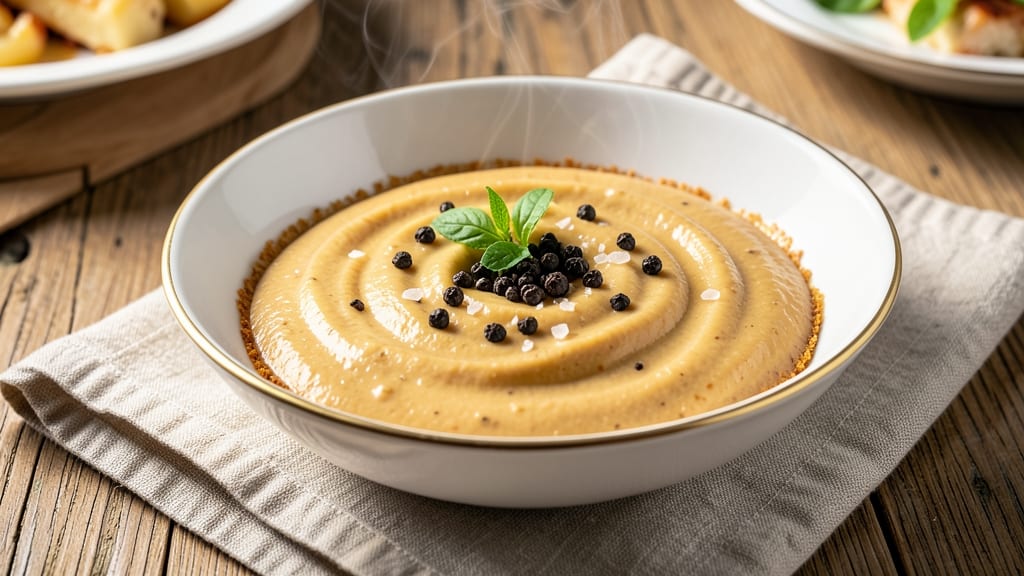
This Kraft mac and cheese sauce brings back the nostalgic, creamy perfection we all grew up with—rich, cheesy, and impossible to resist. 💛 I've recreated it exactly as the box intended, but with a foolproof method that guarantees velvety texture every single time.
The secret? A proper roux and gradual cheese melting that prevents lumps, just like my nonna used to do in her tiny Boston kitchen.
What makes this sauce special is how simple it is—just a few pantry staples (butter, milk, flour, and Kraft Singles) come together to create that iconic, melt-in-your-mouth magic. The key steps are cooking the flour-butter mixture until golden, then slowly whisking in the milk and cheese to avoid clumping.
Trust me, this is the only cheese sauce you'll ever need for mac and cheese, baked potatoes, or even grilled cheese sandwiches.
By the time you're done, you'll have a pot of restaurant-quality cheese sauce that's silky smooth, perfectly seasoned, and ready to coat your favorite pasta or top your baked dishes.
The best part? It reheats beautifully, so you can make a big batch and have it on hand for quick meals all week. No more store-bought shortcuts—just pure, cheesy comfort.
Want to take it further? Try adding a pinch of mustard powder for tang or garlic powder for extra flavor. This sauce is your new go-to for cheesy goodness—simple, satisfying, and always a crowd-pleaser. Let's get cooking!
Ingredients for kraft cheese sauce
Four pantry staples and four secret weapons for that nostalgic Kraft cheese sauce magic.
| Ingredient | Amount | Notes |
|---|---|---|
| Unsalted Butter 🧈 | ½ cup | Cold, cubed for roux |
| All-Purpose Flour 🌾 | ½ cup | Sifted for smooth sauce |
| Whole Milk 🥛 | 3 cups | Room temperature preferred |
| Kraft Singles American Cheese 🧀 | 2 cups | Shredded, not sliced |
| Diamond Crystal Salt 🧂 | ½ tsp | Adjust to taste |
| Ground Black Pepper 🌶️ | ¼ tsp | Freshly ground preferred |
| Mustard Powder 🌿 | ¼ tsp | Optional for tang |
| Garlic Powder 🧄 | ¼ tsp | Optional for depth |
The butter matters here—unsalted so you control the saltiness. Store-brand butter works fine, but if you splurge, Plugrá or Land O'Lakes keep better. The Kraft Singles need to be shredded, not sliced—the box has a grater, but I always grab extra because I use half for sandwiches. Flour? Bob's Red Mill or Gold Medal are my go-tos. Pro tip: keep everything cold until the roux forms—no lumps, no stress.
No Kraft Singles? Shredded cheddar works in a pinch, but it won't taste exactly the same. Ran out of milk? Evaporated milk gives you that same creamy thickness. Want to skip the mustard powder? A splash of lemon juice adds tang instead. The garlic powder is totally optional, but trust me, it takes this sauce from good to chef's kiss. And if your roux turns nutty-smelling? That's good—it's ready for the milk. Don't rush it.
This sauce reheats like a dream—just stir in a splash of milk if it thickens. Keeps 5 days in the fridge, 3 months frozen. I always double the batch because it disappears fast. Freeze in ice cube trays for single-serving portions—perfect for last-minute baked potatoes or grilled cheese. And if you're serving a crowd? Triple it. You won't regret it.
Why You'll Love This Recipe
- Here’s what sold me: that perfect balance of rich, creamy cheese and just a hint of saltiness from the singles. The Diamond Crystal salt ties it all together—no need for extra seasoning. It’s the kind of flavor that makes you pause mid-bite, like, "Wait, is this really just Kraft cheese?" (Yes. Yes, it is.)
- I’ll be real: I make this sauce and always end up with leftovers. But honestly? That’s the best part. It reheats like a dream, keeps for days in the fridge, and even freezes well if you’re planning ahead. It’s my secret weapon for busy weeks—because who has time to make a fancy béchamel when this does the job just as well?
Step-by-step instructions for velvety Kraft mac and cheese sauce
Here's how to make that ultra-smooth, cheesy sauce you crave every time.
🍳 Step 1: Create the Perfect Roux
In a medium saucepan over medium heat, melt the 0.5 cup unsalted butter until it's completely liquid but not browned. This takes about 2-3 minutes—watch closely so it doesn't burn. Once melted, immediately whisk in the 0.5 cup all-purpose flour all at once.
Whisk constantly for 1-2 minutes until the mixture forms a smooth, thick paste that pulls away from the sides of the pan. This is your roux, and it's the secret to that velvety texture. You'll know it's ready when it smells nutty and looks like wet sand. Don't walk away—this step is crucial for preventing lumps later.
🥘 Step 2: Cook the Roux Until Golden
Continue cooking the roux over medium heat for another 2-3 minutes, whisking constantly, until it turns a light golden color. You're looking for that perfect balance—too light and the sauce won't thicken enough, too dark and it'll taste bitter. The moment it reaches that pale gold hue, it's time to add the milk.
Here's the thing—if you see any brown spots developing, immediately reduce the heat to low and keep whisking. Those browned bits will add flavor, but you don't want the whole roux to darken. The golden color ensures a rich, smooth sauce without any burnt taste. Keep your whisk moving continuously to prevent sticking.
🍲 Step 3: Gradually Add the Milk
Slowly pour in the 3 cups whole milk while whisking vigorously to prevent lumps from forming. Add it gradually—about ¼ cup at a time—and keep whisking until each addition is fully incorporated before adding more. This slow process creates that silky texture we're after.
Once all the milk is added, increase the heat to medium-low and continue whisking for 5-7 minutes until the sauce thickens noticeably. You'll see it go from thin to glossy, coating the back of a spoon. If it thickens too quickly, add 1-2 tablespoons of milk to adjust the consistency. The sauce should be thick enough to coat the back of a spoon but still flow smoothly.
🧀 Step 4: Add Cheese and Seasonings
Reduce the heat to low and gradually sprinkle in the 2 cups shredded Kraft Singles American Cheese while stirring constantly. Let the cheese melt completely into the sauce—this can take 2-3 minutes. Don't rush this step; you want every shred to dissolve for that perfect melt-in-your-mouth texture.
Next, stir in the 0.5 tsp Diamond Crystal Salt, 0.25 tsp ground black pepper, 0.25 tsp mustard powder, and 0.25 tsp garlic powder. Taste and adjust the seasoning if needed—you might want to add a pinch more salt or pepper to your liking. The mustard powder adds a subtle tang, and the garlic powder gives it that classic mac and cheese depth. Give it one last stir to make sure everything's evenly distributed.
⏰ Step 5: Keep Warm and Serve
Transfer the sauce to a clean saucepan and keep it warm over low heat until ready to serve. If you're making this ahead of time, you can reheat it gently on the stove, stirring frequently to prevent scorching. The sauce should stay smooth and creamy—if it starts to thicken too much, whisk in 1-2 tablespoons of milk to loosen it.
Serve immediately over your favorite pasta for that classic mac and cheese experience. The sauce should be velvety smooth with just the right amount of cheesy richness. If you're adding the sauce to cooked pasta, do it right in the pot—this helps the sauce cling beautifully to every noodle. Enjoy your creamy, comforting Kraft mac and cheese!
Pro Tips For Making Kraft Cheese Sauce
- Melt the Butter Slowly: I learned this the hard way—dumping cold butter into a hot pan makes the sauce seize up like glue. Instead, let the butter melt first over medium heat, then whisk in the flour. The slower melt keeps the fat from shocking the mixture, so your roux actually thickens instead of turning into a sad, grainy paste.
- Cut the Cheese Small: Those big Kraft Singles? They’re the enemy of smooth sauce. Shred or dice them into tiny, even pieces—think rice-sized—not just tearing them into chunks. The smaller the cheese, the faster it melts and blends, and the less chance you’ll end up with lumpy, chewy bits lurking in every bite.
- Whisk Like You Mean It: After burning three batches, I finally figured out: stop stirring, start whisking. Once you add the milk, use a proper whisk (not a spoon) and keep it moving constantly—especially when the cheese goes in. The sauce will thicken unevenly if you slack off, and you’ll end up with a split consistency: thin in spots, gluey in others.
- Season in Layers: Skip the "add salt at the end" habit. Taste the roux before adding milk—adjust salt here if using unsalted butter. Then, after the cheese melts, give it another pinch. Kraft Singles are salty, but the milk dilutes that flavor, so you’ll need more than you think. (Yes, even if you’re impatient like me.)
Common mistakes when making your kraft cheese sauce
Roux Overcooking
Watch the roux like a hawk—once it turns golden brown, it's done. I've seen many people walk away for even a minute, and suddenly, you've got bitter, burnt bits that ruin the whole sauce.
The moment it smells nutty and pulls away from the pan, that's your cue to add the milk. If you see any brown spots, immediately reduce the heat to low and whisk like your life depends on it. 🌡️
Adding Cheese Too Fast
Dumping all the shredded Kraft Singles at once is a recipe for disaster—you'll end up with clumpy, uneven sauce. Instead, sprinkle it in gradually while stirring constantly. Let each addition melt completely before adding more.
I learned this the hard way when I tried to rush it and ended up with a pot full of cheese lumps. Patience is key here.
Skipping the Whisk
Using a spoon instead of a whisk is the fastest way to create a lumpy sauce. The whisk's thin wires cut through the mixture, creating that silky texture. If you're using a spoon, you're doing it wrong.
I always keep a Ball silicone whisk handy because it's heat-resistant and won't melt. Trust me, your sauce will thank you.
Ignoring the Heat
Too high heat means scorched sauce; too low heat means a thin, runny mess. The ideal temperature is medium-low once the milk is added. If your sauce starts to bubble vigorously, reduce the heat immediately.
I like to keep my sauce at a gentle simmer—just enough to maintain warmth without cooking off the milk or burning the cheese. 🔥
Not Tasting as You Go
Seasoning is personal, but you can't adjust what you don't taste. After adding the cheese and seasonings, always give it a taste before serving. You might need more salt, pepper, or even a splash of milk to reach the perfect consistency.
I keep a small spoon handy to test the sauce directly from the pot—this way, I can adjust before it's too late.
Using Wrong Cheese
Kraft Singles are the secret ingredient here—they melt perfectly and give that classic, nostalgic flavor. Substituting with cheddar or other cheeses can result in a grainy texture or a taste that's just not right.
If you're out of Kraft Singles, shredded American cheese works in a pinch, but it won't be the same. Stick to the original for that authentic, creamy goodness. 🧀
Nutrition facts
Frequently asked questions
Can I use evaporated milk instead of whole milk?
Yes! Evaporated milk works perfectly and actually gives the sauce a slightly richer, thicker texture. Use the same 3 cups measurement, but you may need to add 1-2 tablespoons of water if the sauce becomes too thick. The canned version is great for meal prep since it lasts longer unopened.
Why did my sauce get grainy?
Graininess usually happens when cheese melts unevenly or the sauce cools too quickly. Always stir constantly when adding cheese and keep the heat at low until fully melted. If it happens, whisk in 1 tablespoon of milk and reheat gently to restore smoothness.
How long will this sauce keep in the fridge?
This cheese sauce stays fresh for 5 days in an airtight container. For longer storage, freeze portions in ice cube trays—thaw overnight in the fridge and whisk to restore creaminess. The sauce reheats beautifully, though you may need to add a splash of milk if it thickens.
Can I make this sauce without a whisk?
Technically yes, but you'll risk lumps. Use a hand mixer on low speed instead, or a rubber spatula to vigorously stir in circular motions. For the best results, invest in a silicone whisk—it's heat-resistant and works wonders for smooth sauces.
What's the best way to use leftover sauce?
Leftover sauce is perfect for baked potatoes, grilled cheese sandwiches, or even as a dip for veggies. For extra flavor, sprinkle with crushed Ritz crackers or paprika before serving. You can also freeze it in 1/2 cup portions for quick future meals.