
Sauces & Condiments
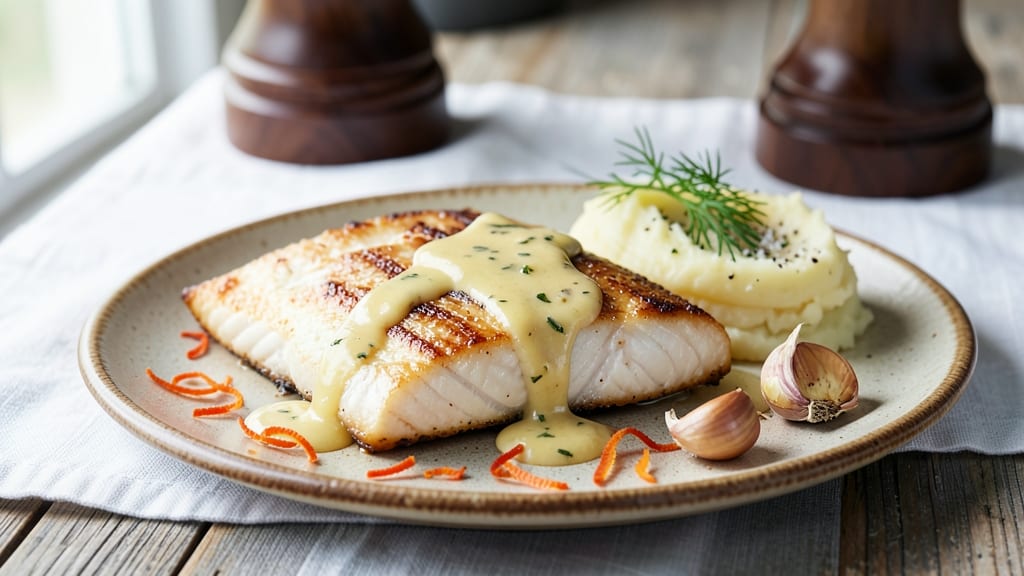
This baked fish with lemon sauce recipe delivers perfectly tender fillets paired with a bright, tangy sauce that elevates any weeknight dinner.
The secret lies in a high-heat bake that locks in moisture while the lemon sauce—simmered with butter, garlic, and fresh herbs—adds a zesty finish that cuts through the richness. I’ve tested this with both mild white fish and firmer sea bass, and it never fails to impress.
The process is straightforward but delivers restaurant-quality results: season the fish simply with salt and pepper, then bake at 400°F until flaky, while the sauce comes together in minutes with just a handful of pantry staples.
The lemon sauce isn’t just a garnish—it’s the star, balancing the fish’s natural flavor with a burst of acidity that keeps every bite fresh and vibrant.
What you’ll end up with is a dish that’s elegant enough for company but simple enough for a Tuesday night. The fish emerges golden and tender, topped with a glossy, herby sauce that clings beautifully.
Serve it with roasted asparagus or a crisp green salad to round out the meal—this recipe is designed to shine without fuss.
Whether you’re cooking for two or a crowd, the method scales effortlessly. The sauce can be made ahead and reheated gently, so you can focus on plating the fish while everything stays warm. Here’s everything you need to create this foolproof, bright, and satisfying dish.
Ingredients for baked fish with lemon sauce
Bright lemon sauce and tender fish fillets—just these ingredients transform a simple weeknight dinner.
| Ingredient | Amount | Notes |
|---|---|---|
| White Fish Fillets 🐟 | 1 ½ lb | Mild white fish like cod or halibut |
| Unsalted Butter 🧈 | ½ cup | Cold, cut into small pieces |
| Fresh Lemon Juice 🍋 | ½ cup | Freshly squeezed, seeds removed |
| Garlic Cloves 🧄 | 4 cloves | Minced for sauce |
| Fresh Parsley 🌿 | ¼ cup | Chopped, stems removed |
| Fresh Dill 🌿 | 2 tbsp | Chopped, or substitute with tarragon |
| Kosher Salt 🧂 | 1 ½ tsp | Diamond Crystal preferred |
| Freshly Ground Black Pepper 🌶️ | ½ tsp | Freshly cracked |
| Extra-Virgin Olive Oil 🫒 | 1 tbsp | For drizzling |
| Heavy Cream 🥛 | ¼ cup | Full-fat for richness |
| Shallot 🧅 | 1 whole | Minced, or sub with 2 tbsp onion |
| Lemon Zest 🍋 | 1 tbsp | Freshly grated |
The fish is the star, so pick something tender but firm—cod or halibut work perfectly. Trader Joe's or Whole Foods usually have great fillets, or ask your fishmonger for the freshest cut. Look for fillets with a vibrant color and minimal fishy smell. For the sauce, the butter needs to be cold when you start, or it’ll melt into the pan too soon. Fresh herbs make all the difference—Trader Joe's sells pre-washed parsley and dill in little containers, which saves time. If you can’t find shallots, minced red onion works just as well.
No fresh dill? Tarragon or basil can step in, though the flavor will shift slightly. Short on lemon juice? Lime juice works in a pinch, but it’ll change the brightness of the sauce. The heavy cream adds richness, but if you’re avoiding dairy, coconut cream works beautifully. For the salt, I always use Diamond Crystal—it’s coarser and dissolves better. The olive oil should be fruity and peppery; California-grown brands often have the best flavor. If you’re making this ahead, prep the sauce first—it actually tastes better after sitting for a few hours.
The fish cooks fast—12-15 minutes max—so keep it close to the oven while you work. The sauce can be made a day ahead and reheated gently; just add a splash of water if it thickens too much. Store leftovers in airtight containers for 2 days in the fridge. Freezing isn’t ideal for the fish, but the sauce keeps for 3 months if you freeze it separately. I always make extra sauce—it’s perfect over rice or pasta too.
Why You'll Love This Recipe
- Foolproof Timing: I swear by this—no last-minute stress. The fish bakes while you prep the sauce, and honestly? Twenty minutes later, you’ve got dinner on the table. The butter melts into a golden crust, and the lemon brightens everything up without needing a watch.
- Bright, Tangy Magic: That lemon juice cuts through the richness of the butter like a summer breeze. The garlic infuses just enough to make it savory but not overpowering, and the parsley? It’s the fresh finish that makes you want to lick your plate. Simple, but ridiculously good.
- Weeknight to Dinner Party: Same recipe, different vibes. Toss it together for a lazy Tuesday or dress it up with crusty bread and a salad for guests. The sauce thickens beautifully, so it works just as well reheated the next day as it does straight from the oven.
- Budget-Friendly Luxury: White fish fillets are affordable, and this recipe stretches them further than you’d think. The butter and lemon feel indulgent, but they’re minimal—no wasted ingredients here. Plus, leftovers reheat like a dream, so you’re not scrambling for another meal.
Step-by-step instructions for baked fish with lemon sauce
Here's how to create a perfectly baked white fish with a bright, tangy lemon sauce that brings out its natural sweetness.
Season and Prepare the Fish Fillets
Preheat your oven to 375°F and line a baking sheet with parchment paper. Pat the 1.5 lb white fish fillets completely dry with paper towels—this helps the skin crisp up beautifully. Place the fillets skin-side down on the prepared baking sheet.
In a small bowl, combine 1.5 teaspoons kosher salt and 0.5 teaspoon freshly ground black pepper. Sprinkle this evenly over both sides of the fillets, pressing gently so the seasoning adheres. Drizzle 1 tablespoon extra-virgin olive oil over the top of each fillet and let them sit at room temperature for 10 minutes while you prepare the sauce.
Make the Lemon Shallot Sauce
In a small saucepan, melt 0.5 cup unsalted butter over medium-low heat. Add the 1 whole minced shallot and cook for 3-4 minutes until softened and translucent. Don't let it brown—just until it's fragrant and just beginning to turn golden.
Add the 4 cloves minced garlic cloves and cook for another 30 seconds until the raw garlic smell disappears. Pour in the 0.5 cup fresh lemon juice and 1 tablespoon lemon zest, then bring to a gentle simmer. Reduce heat to low and let it cook for 5 minutes to allow the flavors to meld together.
Bake the Fish Until Flaky
Transfer the baking sheet with fish to the preheated oven and bake for 12-15 minutes, depending on the thickness of your fillets. You'll know it's done when the fish flakes easily with a fork and the edges are just beginning to turn opaque. The center should still look slightly translucent.
Watch closely in the last few minutes—overcooking makes fish dry and rubbery. If you're unsure, check at 12 minutes and adjust time based on your oven's heat distribution. Remove from the oven and let the fish rest for 2-3 minutes before serving.
Finish the Sauce and Serve
While the fish rests, return the sauce to low heat and stir in the 0.25 cup heavy cream. Let it warm through for 1-2 minutes, then remove from heat. Add the 0.25 cup chopped fresh parsley and 2 tablespoons chopped fresh dill, stirring gently to incorporate.
Carefully spoon the warm lemon sauce over the baked fish fillets and serve immediately. The sauce should be glossy and bright, with a perfect balance of tangy lemon and creamy richness. Each bite should deliver perfectly flaky fish with a burst of citrusy sauce that complements its natural sweetness.
Pro Tips For Making Baked Fish With Lemon Sauce
- Dry the Fish First: Pat those fillets thoroughly with paper towels—wet skin means steam instead of a crisp edge. I learned this the hard way when my lemon butter sauce turned into a sad, greasy bath. Five minutes of drying changes everything.
- Use Cold Butter: Chill that unsalted butter before slicing it into the pan—it melts slower and coats the fish evenly without burning. I used to rush this, and the sauce would either clump or scorch. Just pop it in the fridge for 10 minutes, and you’re golden.
- Don’t Overcrowd the Pan: Leave space between fillets—if they’re touching, they’ll steam instead of sear. I used to jam them in like sardines, and the sauce would pool unevenly. One fillet per spot, even if it means two batches.
- Zest the Lemon First: Grate the zest before juicing—it adds brightness the juice alone can’t match. I skipped this for years until I tasted the difference: the sauce went from sharp to singing. Just a teaspoon of zest, but it’s the thing that matters most.
Serving suggestions for this baked fish with lemon sauce
Classic Side Pairings
Roasted asparagus with lemon zest and a sprinkle of flaky sea salt is my go-to side—it mirrors the dish’s brightness while adding a satisfying crunch.
Toss 1 bunch asparagus with 1 tbsp olive oil, ½ tsp lemon zest, and ¼ tsp salt, then roast at 400°F for 12-15 minutes until tender-crisp. 🌿
A simple arugula salad with shaved fennel and a light lemon vinaigrette (just 2 tbsp olive oil, 1 tbsp lemon juice, and ½ tsp honey) keeps the meal fresh and light. The peppery arugula balances the richness of the fish beautifully.
Starch Options
For a heartier meal, serve with creamy mashed potatoes—mix 2 cups roasted potatoes with 2 tbsp butter, ¼ cup warm milk, and ½ tsp salt. The neutral flavor lets the lemon sauce shine. I often add a pinch of nutmeg for warmth.
Wild rice pilaf adds texture and earthiness. Cook 1 cup wild rice with 2 cups broth, then stir in 2 tbsp chopped parsley and 1 tbsp toasted slivered almonds before serving. The nutty rice pairs perfectly with the bright sauce.
Bread and Extras
A crusty baguette or sourdough is essential for soaking up every drop of that zesty sauce. Toast slices lightly and serve alongside—it’s the perfect finishing touch. For extra flair, drizzle the sauce over the bread before serving. 🥖
If you’re feeling fancy, add blistered shishito peppers to the plate. Toss 8 shishito peppers in 1 tbsp oil and ½ tsp salt, then blister in a hot pan for 2-3 minutes. Most are mild, but one or two pack a surprise kick!
Make-Ahead Tips
Prep the lemon sauce a day ahead—it tastes even better after flavors meld. Store it in an airtight container in the fridge. When reheating, warm gently over low heat and add a splash of water if it thickens too much.
Assemble the dish just before serving. The fish is best eaten immediately after baking, but you can prep all components ahead: season the fish, chop herbs, and mix sauce ingredients. This keeps the meal stress-free for busy nights. ✨
Nutrition facts
Frequently asked questions
Can I use frozen fish for this recipe?
Yes, but thaw it properly first! Place frozen fillets in a sealed bag and submerge in cold water for 30-45 minutes—never use warm water. Pat completely dry before seasoning, as excess moisture prevents crispy skin. For best results, use fish that's been frozen for no more than 3 months.
How do I adjust the recipe for thicker fish fillets?
For fillets over 1.5 inches thick, increase baking time by 2-3 minutes per side or until the center reaches 145°F on an instant-read thermometer. Test doneness by gently flaking with a fork—it should separate easily without falling apart. Cover loosely with foil if the top browns too quickly.
What if I don't have fresh herbs?
Use 1 tbsp dried parsley (not Italian seasoning) and 1 tsp dried dill as substitutes, but reduce the amount by half since dried herbs are more concentrated. For extra flavor, add ½ tsp lemon pepper seasoning to the sauce. If you're completely herb-free, a pinch of smoked paprika adds depth.
Can I make this dish ahead of time?
The sauce can be prepped 1-2 days ahead and reheated gently. However, bake the fish fresh—it loses moisture when reheated. For a make-ahead meal, assemble all components (season fish, chop herbs, mix sauce) and bake just before serving. Store sauce separately in an airtight container in the fridge.
Why did my fish turn rubbery?
Overcooking is the most common cause—fish continues cooking after removal from heat. Always check at 12 minutes for 1-inch fillets and use a thermometer (145°F internal temp). Another culprit: skipping the rest time. Let fish rest 2-3 minutes before serving to redistribute juices. For extra tenderness, bake at 375°F instead of higher heat.