
Sauces & Condiments
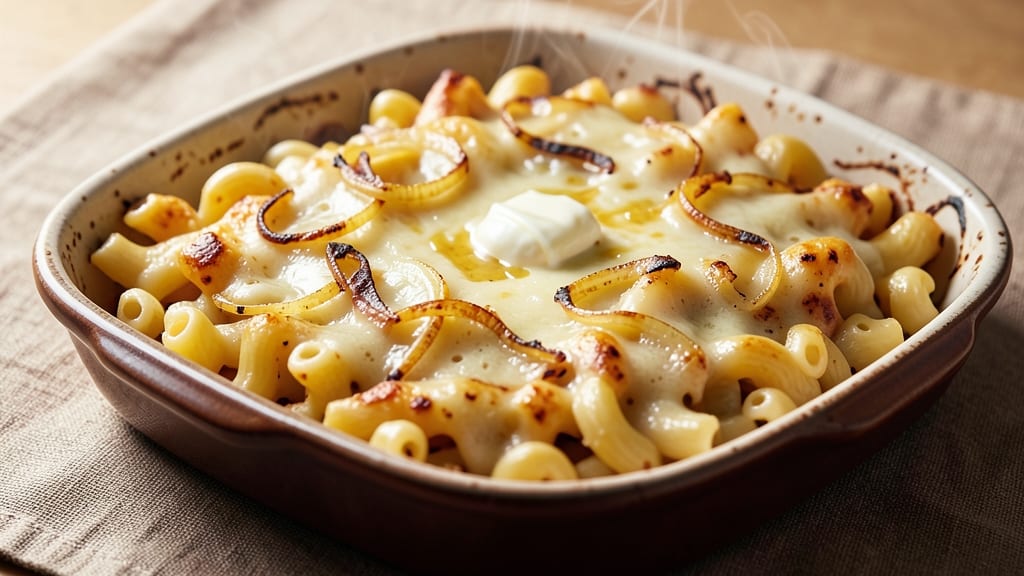
This bake macaroni sauce recipe transforms simple ingredients into a creamy, cheesy masterpiece that bakes right in the pot. The secret lies in a foolproof stovetop-to-oven method that delivers tender pasta perfectly coated in a velvety sauce—no soggy bottoms or dry noodles here.
I perfected this recipe during a busy week when I needed a hands-off dinner that still felt special, and it’s become a weekly staple ever since.
The magic happens in two simple stages: first, cooking the macaroni al dente in salted water, then transferring it directly to the oven with a rich, cheesy sauce.
No draining, no transfers—just one pot that goes from stovetop to oven, creating that signature crispy top layer while keeping the pasta tender underneath. This method ensures every bite is packed with flavor, from the caramelized cheese crust to the creamy sauce clinging to each noodle.
What you’ll end up with is a restaurant-quality baked macaroni dish that’s ready in under 40 minutes with minimal effort. The sauce—made with a blend of sharp cheddar, cream cheese, and a splash of milk—creates a smooth, velvety texture that balances perfectly with the pasta.
The best part? It’s completely customizable: add cooked ground beef for a meaty twist, swap in chicken for a lighter option, or keep it vegetarian for a crowd-pleasing classic.
Serve with a side of garlic bread to soak up every last bit of sauce, or pair it with a simple green salad for a balanced meal.
This recipe is designed to impress without stress, making it ideal for weeknights, family dinners, or even meal prep. Let’s get started—your taste buds will thank you.
Ingredients for bake macaroni sauce
Twelve simple ingredients deliver restaurant-quality baked macaroni with minimal effort.
| Ingredient | Amount | Notes |
|---|---|---|
| Elbow Macaroni 🍝 | 12 oz | Uncooked, standard elbow shape |
| Sharp Cheddar Cheese 🧀 | 2 cups | Shredded, block preferred |
| Cream Cheese 🧀 | 8 oz | Full-fat, room temperature |
| Whole Milk 🥛 | ½ cup | Whole preferred for creaminess |
| Butter 🧈 | ½ cup | Unsalted, room temperature |
| Yellow Onion 🧅 | 1 whole | Medium, finely diced |
| Garlic Cloves 🧄 | 3 cloves | Fresh, minced |
| All-Purpose Flour 🌾 | 2 tbsp | For thickening if needed |
| Salt 🧂 | 1 ½ tsp | Kosher or sea salt |
| Ground Black Pepper 🌶️ | ½ tsp | Freshly ground preferred |
| Vegetable Oil 🫒 | 1 tbsp | For greasing baking dish |
| Panko Breadcrumbs 🍞 | ¼ cup | For crispy topping |
| Parmesan Cheese 🧀 | ¼ cup | Freshly grated, optional |
The cheese is non-negotiable here. Sharp cheddar gives that tangy bite, while full-fat cream cheese ensures the sauce stays velvety. I always grab Kraft sharp cheddar from the deli section—it melts perfectly without turning stringy. For the Parmesan, grate it yourself from a wedge if you can; pre-shredded gets clumpy. The onion and garlic are your flavor base—sauté them until soft but not browned, or the sauce will taste bitter. Most grocery stores carry all these staples, but if you're near a Whole Foods, their cheese selection is worth the trip for this dish.
No sharp cheddar? Monterey Jack or pepper jack works in a pinch, though the flavor won't be as bold. Running low on cream cheese? Substitute sour cream at half the amount, but the texture will be slightly lighter. The flour is just for thickening if your sauce gets too thin—start with 1 tbsp and add more only if needed. For the breadcrumbs topping, Panko gives the best texture, but regular breadcrumbs toasted in the oven work fine. Want to make this vegetarian? Skip the optional Parmesan or use a vegan alternative like nutritional yeast. The macaroni can be any shape—penne or rigatoni work too, but elbow holds up best to the baking process.
This sauce reheats beautifully—actually tastes better the next day once everything melds. Store leftovers in an airtight container for up to 4 days in the fridge. For freezing, portion into individual servings and freeze for up to 3 months. I always make a double batch because it disappears fast. The crispy topping stays crunchy for about 10 minutes after baking, so serve it immediately if you're going for that perfect texture. Leftovers? Just reheat in the oven at 350°F until bubbly—no microwave needed.
Why You'll Love This Recipe
- No Boil, No Stress: The macaroni bakes right in the sauce—no draining, no waiting for water to boil. Just toss everything in a dish, pop it in the oven, and walk away while it gets creamy and golden.
- Cheese Love Bomb: Sharp cheddar and cream cheese melt into a rich, stretchy sauce that clings to every noodle. It’s the kind of cheesy goodness that makes you reach for seconds without thinking.
- Weeknight Magic: This is my go-to when I’m too tired to fuss. Throw in some steamed broccoli or canned corn for a full meal, and it’s ready in under 40 minutes—perfect for busy nights.
- Leftovers That Don’t Suck: Unlike some baked pasta, this actually tastes better the next day. I meal prep it all the time—just reheat and serve, or toss in a skillet with a fried egg for breakfast the following morning.
Step-by-step instructions for ultra-smooth baked macaroni
This method delivers creamy, velvety macaroni with a golden crisp topping—every time.
Cook the Elbow Macaroni to Perfect Al Dente
Bring a large pot of water to a rolling boil and add 1.5 teaspoons salt—it should taste like seawater. Add the 12 oz elbow macaroni and cook for 1 minute less than the package instructions specify. You want the pasta slightly underdone because it will finish cooking in the oven. Drain the pasta in a colander but do not rinse it—this preserves the surface starch needed for the sauce to cling.
While the pasta cooks, prepare a 9x13-inch baking dish by greasing it lightly with 1 tablespoon vegetable oil. This prevents sticking and helps create that signature crispy edge. Keep the pot of pasta water nearby—you'll need about ½ cup later to adjust the sauce consistency.
Build the Creamy Cheese Sauce Foundation
In a large skillet over medium heat, melt the ½ cup butter until it foams. Add the finely diced yellow onion and cook for 5-6 minutes until soft and translucent. Stir in the minced garlic cloves and cook for 30 seconds until fragrant—don't let it brown or it'll turn bitter.
Reduce the heat to low and add the 8 oz cream cheese, stirring constantly until it's completely melted and smooth. The mixture should thicken noticeably. Sprinkle in the 2 tablespoons all-purpose flour and stir vigorously for 1 minute to remove any lumps. This creates a silky base that won't break when mixed with the hot pasta.
Combine Pasta and Sauce for Maximum Creaminess
Add the drained elbow macaroni to the skillet and toss gently to coat in the sauce. Pour in the ½ cup whole milk and mix thoroughly. The sauce should begin to coat the pasta evenly. If it's too thick, add 1-2 tablespoons of the reserved pasta water. You want a sauce that's creamy but not soupy—it should cling to the pasta without pooling.
Remove the skillet from heat and stir in 2 cups sharp cheddar cheese, ½ teaspoon ground black pepper, and the remaining 1 teaspoon salt. The cheese should melt completely, creating a glossy, velvety coating. If any cheese remains unmelted, stir in another splash of pasta water to help emulsify it. Taste and adjust seasoning—this is your chance to perfect the balance before baking.
Assemble and Bake for Golden Perfection
Transfer the macaroni mixture to the prepared baking dish and spread it evenly. In a small bowl, combine the ¼ cup panko breadcrumbs and ¼ cup freshly grated parmesan cheese. Sprinkle this mixture evenly over the top of the macaroni. The breadcrumbs will create a delightful crunch contrast to the creamy interior.
Bake at 375°F for 20-25 minutes until the edges are golden brown and the top is bubbly. The cheese sauce should be completely melted with no visible lumps. If the top browns too quickly, loosely cover with aluminum foil for the last 5 minutes of baking. The internal temperature should reach 165°F—this ensures the pasta is fully cooked and the cheese is safely melted.
Rest and Serve for Ultimate Texture
Remove the baking dish from the oven and let it rest for 5-10 minutes before serving. This resting period allows the sauce to set slightly, preventing it from running out when you cut into it. The contrast of the crispy breadcrumb topping with the creamy, cheesy pasta will be even more pronounced after resting.
Cut into squares and serve immediately. Each bite should deliver perfectly al dente pasta coated in ultra-smooth, cheesy sauce with a satisfying crunch from the breadcrumb topping. For extra richness, garnish with additional grated parmesan or a sprinkle of black pepper before serving.
Pro Tips For Making Bake Macaroni Sauce
- Pre-Cook Pasta First: DESCRIPTION: Drain and rinse the elbow macaroni just until tender—about 1 minute less than package instructions. Cold pasta absorbs the cheese sauce better and stays firm instead of turning to mush. (I learned this after watching my first batch turn into a sad, gummy blob.)
- Shred Cheese Like It’s 1995: DESCRIPTION: Use a box grater or food processor for the sharp cheddar—no giant chunks. The sauce needs to melt smoothly, not turn into a cheesy surprise in every bite. Cream cheese should be cubed small so it dissolves evenly. (Yes, even if you’re tempted to eyeball it.)
- Low and Slow Wins: DESCRIPTION: Bake at 350°F (175°C), not higher—this keeps the sauce creamy without burning. Stir every 10 minutes to prevent sticking, and cover loosely with foil if the edges brown too fast. (I used to blast it at 400°F and ended up with a crispy cheese skin.)
- Butter First, Then Milk: DESCRIPTION: Melt the butter fully in the pan before adding milk—this creates a silky base for the cheese. Pour in the milk slowly while stirring to avoid lumps. (Skipping this step gives you a grainy, uneven sauce—trust me, I’ve made it.)
Troubleshooting this dish
Sauce Too Thick?
If your cheese sauce clings to the spoon like glue, don’t panic—just add reserved pasta water in 1-tablespoon increments while stirring. The starch in the water acts as a natural emulsifier, breaking up any lumps and restoring creaminess.
I’ve found that ¼ cup total is usually enough for this recipe. For extra insurance, whisk in 1 tablespoon whole milk to smooth out the texture. 💡
Cheese Won’t Melt?
Unevenly melted cheese is often caused by cold ingredients. First, make sure your cream cheese and cheddar are room temperature (about 1 hour out of the fridge). If they’re still clumpy, remove the skillet from heat and stir in 1-2 tablespoons of pasta water to help emulsify.
For stubborn chunks, use a hand mixer on low speed for 10 seconds to blend everything smoothly. Pre-shredded cheese? Grate your own—it melts better and avoids clumps. 🧀
Pasta Too Dry?
Over-baking is the usual culprit here. If your macaroni is dry and crunchy, it likely didn’t finish cooking in the oven. Next time, reduce baking time by 5 minutes and check at 15 minutes.
For immediate fixes, sprinkle 1-2 tablespoons of warm milk or broth over the top and cover with foil for 5 minutes to steam. The residual heat will soften the pasta without making the sauce watery. 🔥
Sauce Too Runny?
A watery sauce usually means too much liquid was added during cooking. To thicken it up, mix 1 tablespoon all-purpose flour with 1 tablespoon cold water to form a slurry, then stir it into the sauce. Simmer for 2-3 minutes until it thickens.
For a quicker fix, remove the dish from the oven, sprinkle 1 tablespoon panko breadcrumbs over the top, and broil for 1-2 minutes—this creates a crispy barrier that absorbs excess moisture. ✨
Crispy Top Won’t Form
If your breadcrumb topping stays soft instead of crispy, it’s likely because the oven temperature fluctuated or the dish wasn’t hot enough. First, preheat your oven for at least 15 minutes before baking.
For extra crunch, broil the dish for 1-2 minutes at the very end. Another trick? Press the breadcrumbs down firmly before baking so they make direct contact with the hot surface. 🍞
Pasta Sticking?
Sticking happens when the baking dish isn’t properly greased or the sauce isn’t hot enough. Always grease your dish with vegetable oil and spread it evenly. For stubborn sticking, run a hot, wet paper towel under the dish for 10 seconds before scraping with a spatula.
To prevent future issues, toss the cooked pasta in 1 teaspoon butter before mixing with the sauce—this creates a natural barrier. 🧈
Nutrition facts
Frequently asked questions about baked macaroni with creamy sauce
Can I make this recipe without cream cheese?
Yes! For a lighter version, substitute 8 oz cream cheese with ½ cup sour cream plus 4 oz shredded cheddar. The texture will be slightly less rich but still creamy. For extra flavor, add 1 teaspoon Dijon mustard to the sauce base—it enhances the cheese without overpowering it.
How do I prevent the sauce from getting grainy?
Grainy sauce usually happens when cheese melts unevenly. Always use room-temperature cream cheese and cheddar (take them out 1 hour before cooking). Stir constantly while melting and add reserved pasta water in 1-tablespoon increments if needed. For stubborn lumps, blend the sauce briefly with an immersion blender for 5 seconds—just enough to smooth it without making it too thin.
What’s the best way to reheat leftovers?
Reheat in a 350°F oven for 15-20 minutes covered with foil to prevent drying. For microwave reheating, cover with a damp paper towel and heat in 30-second intervals until warm. The oven method preserves the crispy topping best. Pro tip: Add 1 tablespoon milk or broth to the baking dish before reheating to restore creaminess.
Can I use this method for other pasta shapes?
While elbow macaroni works best (it holds up well to baking), you can adapt this for penne or rigatoni by reducing baking time to 15 minutes to prevent overcooking. Avoid long, thin noodles like spaghetti—they’ll break apart during baking. For shells or cavatappi, increase baking time by 5 minutes to ensure the centers cook through.
Why does my baked macaroni get watery after sitting?
This happens when the sauce separates or the pasta absorbs too much moisture. To fix it, stir in 1 tablespoon cornstarch mixed with 1 tablespoon cold water and reheat gently. For prevention, undercook the pasta by 1 minute and use whole milk instead of water in the sauce. The fat in whole milk helps stabilize the cheese better than water.