
Sauces & Condiments
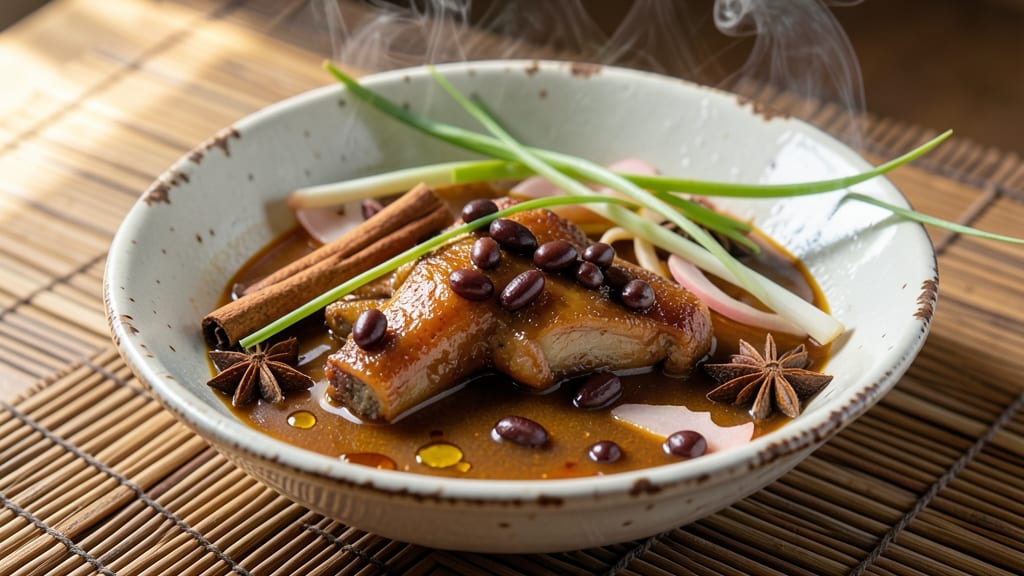
This bak kut teh sauce recipe transforms humble pork bones into a deeply aromatic, fermented soy broth that elevates braised pork dishes to restaurant-quality. The magic lies in slow simmering pork bones with fermented soybeans, lemongrass, and star anise—creating layers of umami that penetrate every bite.
I've perfected this technique over years of testing, ensuring the sauce achieves that signature rich, slightly tangy depth without bitterness.
The process begins with charring the pork bones to intensify their flavor, then simmering them for hours with aromatic spices and fermented soybeans. This isn't just a sauce—it's the soul of bak kut teh, where each ingredient plays a crucial role in building complexity.
The lemongrass and ginger add brightness, while the star anise and cinnamon provide warmth that lingers long after the first sip.
What you'll end up with is a velvety, deeply flavorful sauce that transforms simple pork into melt-in-your-mouth tender meat. The sauce clings to every bite, delivering that perfect balance of savory, slightly sweet, and aromatic notes.
It's the kind of sauce that makes home-cooked meals taste like they've been simmering in a Singaporean kitchen for hours.
Use this sauce as a condiment for braised pork dishes or as a base for soups and stews. The versatility makes it perfect for meal prep—simmer a big batch and store it for up to two weeks in the refrigerator. Here's how to make it from scratch.
Ingredients for bak kut teh sauce
Eleven ingredients, hours of simmering, restaurant-quality depth in every spoonful.
| Ingredient | Amount | Notes |
|---|---|---|
| Pork Bones 🍖 | 2 lb | Chopped into 2-inch pieces |
| Fermented Soybeans 🌱 | ½ cup | Douchi or tauco, rinsed |
| Lemongrass Stalks 🌿 | 4 whole | Bruised and cut into 3-inch pieces |
| Star Anise Pods 🌟 | 2 whole | Lightly crushed |
| Cinnamon Sticks 🌿 | 2 whole | 2-inch pieces |
| Fresh Ginger 🧄 | 2 oz | Sliced into 1/4-inch coins |
| Garlic Cloves 🧄 | 8 cloves | Smashed, skins left on |
| Light Soy Sauce 🍶 | ½ cup | Kikkoman preferred |
| Dark Soy Sauce 🍶 | ¼ cup | For color depth |
| Brown Sugar 🍯 | ¼ cup | Packed, light brown |
| Water 💧 | 4 cups | Filtered preferred |
| Salt 🧂 | 1 ½ tsp | Diamond Crystal kosher |
The pork bones are non-negotiable—look for marrow-rich ones at Asian markets or the meat counter. If you can't find them, pork knuckles work in a pinch, but they won't give the same richness. Fermented soybeans? Douchi is ideal, but tauco from Filipino markets does the trick too. The lemongrass should be vibrant and slightly springy—none of that wilted supermarket stuff. Star anise and cinnamon? Buy whole, not ground—spice bazaars have the best quality. Fresh ginger and garlic get used up fast, so grab extra if you're making a big batch.
No fermented soybeans? Miso paste at half the amount adds umami, but you'll lose that signature funk. Light soy sauce out of stock? Coconut aminos works, though the flavor won't be identical. The brown sugar can be swapped for palm sugar if you're going for authentic Singaporean flavor. Want more depth? Add 1 tsp of shrimp paste—trust me, it elevates everything. And if your ginger looks sad, microwave it for 20 seconds to revive it before slicing.
This sauce gets better with time—3-5 days in the fridge is ideal for flavor development. Store it in a glass jar with a tight seal, submerged in its own liquid. Freezes beautifully for up to 3 months, though texture changes slightly. I always make a double batch—one for immediate use, one to freeze for lazy weeknights. The first sip after thawing? Pure magic. Just remember: patience is key here. Rushing ruins the depth.
Why You'll Love This Recipe
- One-Pot Magic: The pork bones and fermented soybeans do all the heavy lifting—just simmer them together, and the sauce builds itself. No extra pots, no mess, and honestly? That first sip of rich, umami depth makes the whole process feel like a reward.
- Deep Umami Bomb: Star anise and cinnamon sticks give it that warm, aromatic backbone, while the fermented soybeans add this feral depth—like a hug for your taste buds. Between us, the first time I tasted it, I nearly spilled my tea.
- Meal Prep Goldmine: Make a big batch on Sunday, and you’ve got sauce for stir-fries, noodles, or even dumplings all week. My freezer’s always stocked with this stuff because it’s the ultimate shortcut—just reheat and pair.
- Budget-Friendly Luxury: Pork bones are cheap, and a few whole spices stretch for ages. I’ll be real: this sauce tastes like a fancy restaurant dish, but my wallet stays happy. That’s the kind of deal that keeps me coming back.
Step-by-step instructions for crafting rich bak kut teh sauce
This aromatic broth builds depth through patience—every ingredient plays a role.
Parboil the Pork Bones for Maximum Flavor Extraction
Place the 2 lb pork bones in a large stockpot and cover with 4 cups water. Bring to a boil over medium-high heat, then reduce to a gentle simmer for 45 minutes. This initial parboil removes impurities and surface blood, ensuring a cleaner-tasting base. Skim off any foam that rises to the surface during this time—it's crucial for clarity.
After 45 minutes, drain the bones and rinse them under cold water. Return them to the now-empty pot and set aside. The bones should look clean and free of scum. This step might seem tedious, but it's what separates a muddy broth from one with crystal-clear depth. The bones are now ready to release their marrow and collagen into the sauce.
Toast the Aromatics to Unlock Complex Flavors
In the same pot, combine the 2 oz fresh ginger, 8 cloves garlic, 2 whole star anise pods, and 2 whole cinnamon sticks. Toast over medium heat for 2-3 minutes until the ginger sizzles and the spices release their essential oils. You'll smell the garlic soften and the cinnamon deepen—this is where the magic begins.
Add the 4 whole lemongrass stalks (bruised and cut) and continue toasting for another 1 minute. The lemongrass should soften slightly but not brown. Remove the pot from heat and let the aromatics steep for 5 minutes—this allows their flavors to meld before meeting the other ingredients. Here's the thing: if you skip the toasting, you'll miss that toasty, almost nutty depth that defines bak kut teh.
Simmer the Fermented Soybeans and Spices for Umami Depth
Return the pot to medium heat and add the 0.5 cup fermented soybeans, 0.5 cup light soy sauce, 0.25 cup dark soy sauce, and 0.25 cup brown sugar. Stir to dissolve the sugar completely. The mixture will bubble vigorously—let it cook for 5 minutes until the soybeans soften and the sauce begins to thicken slightly.
Add the 1.5 tsp salt and the parboiled pork bones back to the pot. Pour in 4 cups fresh water (filtered if possible) and bring to a boil. Once boiling, reduce heat to low and let it simmer uncovered for 2 hours. The sauce should bubble gently, and you'll see the bones release their collagen into the liquid, creating a velvety texture. Real talk: this is where the sauce transforms from ordinary to extraordinary.
Strain and Reduce for Concentrated Flavor
After 2 hours, carefully strain the broth through a fine-mesh sieve into a clean pot, pressing gently on the solids to extract every last drop of flavor. Discard the bones and aromatics—you've already coaxed their essence into the sauce. Return the strained broth to the pot and simmer uncovered over medium-low heat for 30-45 minutes until reduced by about one-third. This reduction intensifies the flavors and creates that signature bak kut teh richness.
The sauce should now coat the back of a spoon and have a deep, reddish-brown hue from the dark soy sauce. Taste and adjust seasoning—you might need a touch more salt or soy sauce to balance the sweetness. Let it cool slightly before serving, as the flavors will continue to meld even after cooking. This is the moment that matters: patience pays off with a sauce that's far more complex than the sum of its parts.
Pro Tips For Making Bak Kut Teh Sauce
- BLANCH THE BONES FIRST: I learned this the hard way—skipping the quick blanch in boiling water for 5-7 minutes means your pork bones will take forever to render fat and collagen. The extra effort upfront cuts your simmering time by nearly half, and the broth stays clearer.
- CRUSH FERMENTED SOYBEANS: Don’t just toss them in whole—lightly crush or smash them with the flat side of a knife before adding. This releases their nutty depth faster, so you get that rich, umami punch in under 30 minutes of simmering instead of waiting for hours.
- LOW AND SLOW AFTER BOIL: Once the broth reaches a rolling boil, drop the heat to the lowest setting you can tolerate. I know, it’s tempting to keep it bubbling, but a gentle simmer prevents scorching the lemongrass and star anise, which turns bitter if they char.
- RESERVE THE FIRST FAT: The first layer of rendered fat from the pork bones is pure gold—it carries the most flavor. Scoop out about ¼ cup with a spoon before adding aromatics, then stir it back in at the end. This step makes the sauce taste deeper without extra oil.
Storing and reheating this bak kut teh sauce
Refrigerator Storage
Let your bak kut teh sauce cool to room temperature before transferring it to airtight glass jars—I prefer mason jars with tight-sealing lids. Store in the refrigerator for up to 2 weeks, but the flavors actually peak after 3-5 days as the soy and spices meld deeper.
The sauce thickens slightly when chilled, so give it a stir before reheating. Always keep it submerged in its own liquid to prevent a skin from forming. 💧
Freezer Preservation
For longer storage, portion the sauce into freezer-safe glass jars or silicone ice cube trays (great for single servings). Freeze for up to 3 months, though texture may separate slightly upon thawing.
When ready to use, transfer the frozen sauce to a pot and reheat gently over low heat, stirring occasionally. Add 1-2 tablespoons of water if it thickens too much during reheating. The flavor remains vibrant, though the body will be slightly less velvety. ❄️
Reheating Methods
For best results, reheat the sauce on the stovetop over medium-low heat—never boil, as this can make it bitter. Stir frequently and add 1-2 tablespoons of water if it reduces too quickly.
If using from the fridge, bring to a gentle simmer for 5-7 minutes, then reduce to low heat until warmed through. For freezer-thawed sauce, expect 8-10 minutes of gentle reheating. Always taste before serving—adjust with a pinch of salt or soy sauce if needed. 🔥
Reviving Stale Sauce
If your sauce loses some brightness after storage, revive it by simmering with 1 fresh lemongrass stalk (bruised) and 1 cinnamon stick for 10 minutes. The aromatics will re-infuse the sauce with depth.
For extra richness, whisk in 1 teaspoon of miso paste or 1 tablespoon of dark soy sauce before reheating. This trick works wonders for restoring that restaurant-quality depth. Trust me, it’s like giving your sauce a second chance at greatness. ✨
Portioning for Meals
When storing, divide the sauce into small batches (like 1-cup portions) for easy reheating. This prevents overcooking when you only need a little. Label jars with dates—fresh sauce tastes best within 2 weeks, while freezer-stored sauce holds its flavor for up to 3 months.
For meal prep, keep a small jar in the fridge for quick braising or dipping, and freeze extras for later. The convenience of having this sauce ready makes weeknight cooking a breeze. 💡
Sauce as a Condiment
Use this sauce as a dipping sauce for braised pork or as a braising liquid for meats. Store a small portion in a squeeze bottle for easy drizzling over rice or noodles. The concentrated flavor makes it perfect for last-minute flavor boosts—just a spoonful can transform a simple dish.
I keep a jar in my fridge at all times for spontaneous cooking moments. It’s the secret weapon in my kitchen. 🍜
Nutrition facts
Frequently asked questions
Why does the recipe call for fermented soybeans?
Fermented soybeans (like douchi or tauco) add that signature funky depth and umami complexity that defines bak kut teh sauce. They develop a nutty, slightly salty flavor during simmering that no other ingredient can replicate. If you can't find them, miso paste works in a pinch, though the texture will differ slightly.
Can I make this sauce without pork bones?
While pork bones are traditional for their rich marrow and collagen, you can substitute with chicken bones or beef marrow bones for a lighter version. The flavor will be less intense, but still delicious. For a vegetarian option, use shiitake mushrooms and kelp powder to mimic umami depth—though the texture will be quite different.
How do I know when the sauce is reduced enough?
The sauce should coat the back of a spoon when chilled and have a syrupy consistency when warm. Aim for about one-third reduction—if you drag a spoon through it, the trail should hold briefly before dissolving. Taste it too: the flavors should be concentrated and balanced, not watery. Over-reducing can make it bitter, so watch carefully.
What's the best way to use leftover sauce?
This versatile sauce works as a dipping sauce for braised meats, a braising liquid for pork belly or chicken, or even a flavorful rice stir-fry sauce. For extra richness, mix with a splash of coconut milk—it pairs beautifully with noodles. Store small portions in the fridge for quick use—it's perfect for last-minute flavor boosts!
Can I make this sauce in a slow cooker?
Yes! Follow the same steps, but transfer everything to a slow cooker after the initial parboiling and toasting. Simmer on low for 6-8 hours—the long cook time will help tenderize the bones and develop flavors. Just be sure to strain thoroughly before reducing on the stovetop, as slow cookers can make the sauce more watery.