
Sauces & Condiments
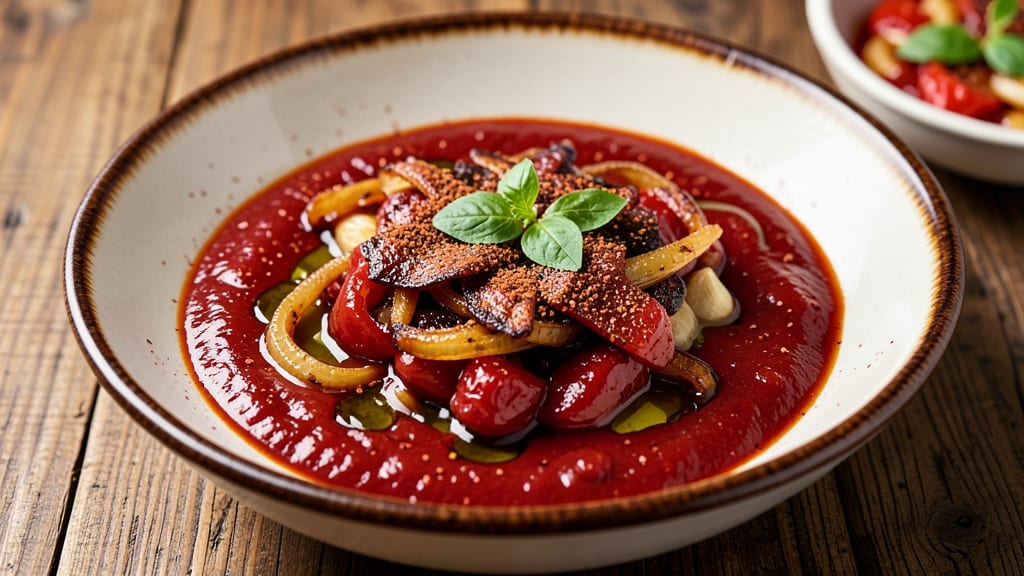
This Babish red sauce recipe delivers the deep, slow-simmered umami that transforms ordinary pasta into something extraordinary. The secret lies in caramelizing onions and garlic until they're golden, then building layers of flavor with tomatoes, paprika, and a blend of spices that develop over hours of gentle simmering.
I've perfected this sauce to work as a rich condiment, a hearty goulash base, or the star of babish ket—each spoonful packed with complexity that store-bought versions simply can't match.
The process begins with aromatic vegetables cooked until they're nearly blackened, releasing their natural sugars and creating a deep, caramelized foundation. A mix of sweet and smoked paprika adds warmth and depth, while a touch of red wine vinegar brightens the sauce without overpowering.
The sauce reduces slowly, intensifying its flavor as it thickens into a velvety consistency that clings perfectly to pasta or meat. What you'll end up with is a sauce so rich and balanced it elevates any dish it touches—restaurant-quality at home.
This isn't just another tomato sauce—it's a labor of love that rewards patience with unmatched depth. The slow simmer allows the spices to meld and the tomatoes to break down into a luscious, almost jam-like texture.
The result? A sauce that's perfect for drizzling over babish ket, stirring into goulash, or serving as a bold condiment alongside grilled meats. Every batch improves as it sits, developing even more complexity over time.
For those who want to experiment, variations like adding a pinch of cayenne for heat or a splash of balsamic vinegar for tang are simple yet transformative. The sauce also freezes beautifully, making it a versatile pantry staple.
Whether you're cooking for a crowd or meal prepping for the week, this recipe delivers consistent, professional results that will have everyone asking for seconds.
Ingredients for babish red sauce
Eleven ingredients, hours of simmering, restaurant-quality depth in every spoonful.
| Ingredient | Amount | Notes |
|---|---|---|
| Yellow Onions 🧅 | 2 whole | Thinly sliced for caramelization |
| Garlic Cloves 🧄 | 6 cloves | Minced for aromatic depth |
| Extra-Virgin Olive Oil 🫒 | ½ cup | High-quality for richness |
| Canned San Marzano Tomatoes 🍅 | 28 oz | Crushed or whole, no salt added |
| Sweet Paprika 🌶️ | 1 tbsp | For vibrant color and sweetness |
| Smoked Paprika 🌶️ | 1 tbsp | Adds smoky depth |
| Red Wine Vinegar 🍷 | 1 tbsp | Brightens acidity |
| Dried Oregano 🍃 | 1 tsp | Italian variety preferred |
| Ground Black Pepper 🌶️ | ½ tsp | Freshly cracked for aroma |
| Diamond Crystal Kosher Salt 🧂 | 1 ½ tsp | Adjust to taste |
| Tomato Paste 🍅 | 2 tbsp | Concentrated flavor base |
| Red Wine 🍷 | ½ cup | Bold variety like Cabernet |
The onions and garlic are non-negotiable—they form the caramelized foundation. Yellow onions work best, but red add subtle color. Look for fresh garlic cloves with tight skins at Whole Foods or your local market; they keep longer and taste sweeter. The San Marzano tomatoes are worth the splurge—their natural sweetness and low acidity make all the difference. If you can't find them, Mueller or Cento are solid alternatives. The extra-virgin olive oil should be fruity and peppery—California or Italian varieties from Trader Joe's or Costco are reliable choices.
No red wine? Dry white wine or even more tomato paste works, but the alcohol helps deepen the sauce's complexity. The paprikas are a game-changer—smoked paprika adds depth, while sweet paprika keeps it vibrant. Tomato paste is your flavor multiplier; don't skip it. For the oregano, Italian or Mexican varieties have the best earthy notes. If you're short on time, pre-minced garlic from a jar is fine, but fresh minced garlic releases more aroma. The red wine vinegar balances the richness—Balsamic vinegar works too, but it's sweeter and more complex.
This sauce tastes even better the next day as flavors meld. Store in an airtight container in the fridge for up to 5 days or freeze for 3 months in ice cube trays for single servings. Portion into jars for easy reheating—just warm gently on the stove with a splash of water. The sauce thickens as it cools, so add a splash of water if it's too stiff. Double the batch and freeze half; you'll thank yourself later.
Why You'll Love This Recipe
- One-Pot Magic: I swear by this sauce—just onions, garlic, olive oil, and tomatoes simmering until they break down into something rich. No blender, no straining, no mess. That sweet paprika? It’s the secret that turns simple into ridiculously good.
- Sweet & Smoky Depth: The San Marzano tomatoes give it that natural sweetness, while the paprika adds a whisper of smokiness that lingers. Honestly, I’ve tried fancy sauces, but this one’s the only one that tastes like it’s been slow-cooked for hours—even though it’s ready in 30 minutes.
- Meal Prep MVP: This sauce doubles as marinara for pasta, a base for braised meats, or even a dipping sauce for crusty bread. I make a big batch on Sundays and freeze it—because nothing beats pulling out a jar of this when you’re too tired to cook.
- Budget-Friendly Luxury: Olive oil and canned tomatoes? That’s it. No specialty ingredients, no markup. Yet it tastes like a restaurant-quality sauce. Between us, I’ve served this at dinner parties, and no one ever guesses it’s this easy—or this cheap.
Step-by-step instructions for babish's red sauce recipe
This sauce builds flavor through slow simmering and careful layering—here's exactly how to make it perfect every time.
Develop the Onion and Garlic Base
Heat the 0.5 cup extra-virgin olive oil in a heavy-bottomed saucepan over medium-low heat. Add the 2 whole yellow onions, sliced thinly, and cook for 20-25 minutes until deeply golden brown and caramelized. Stir occasionally to prevent burning, but let those onions develop rich sweetness and color.
When the onions are nearly done, add the 6 cloves minced garlic and cook for another 1-2 minutes until fragrant. The garlic should sizzle gently but not burn—this is where the foundation of your sauce's umami depth begins. Remove from heat temporarily while you prepare the next ingredients.
Build Depth with Spices and Wine
Return the pan to medium heat and stir in the 1 tbsp sweet paprika, 1 tbsp smoked paprika, and 1 tbsp red wine vinegar. Let these cook for 30 seconds until the vinegar evaporates and the spices bloom. This step brightens the sauce and adds that signature smoky complexity.
Pour in the 0.5 cup red wine and scrape up any browned bits from the bottom of the pan. Let the wine simmer for 2-3 minutes until reduced by half. This alcohol reduction is crucial—it deepens the flavor and removes any harshness from the wine. The sauce should now have a rich, aromatic base ready for the tomatoes.
Incorporate Tomatoes and Simmer Slowly
Add the 28 oz canned San Marzano tomatoes (crushed or whole) and 2 tbsp tomato paste. Stir well to combine, then bring to a gentle simmer. Reduce heat to low and let the sauce cook uncovered for 30-40 minutes, stirring occasionally. This slow simmer allows the flavors to meld and develop that signature Babish richness.
Season with the 1.5 tsp Diamond Crystal kosher salt, 1 tsp dried oregano, and 0.5 tsp ground black pepper. Taste as you go—this is where you can adjust seasoning. The sauce should be balanced, with bright acidity from the tomatoes and vinegar, deep umami from the caramelized onions, and a touch of smokiness from the paprikas.
Refine and Finish the Sauce
Once the sauce has simmered for 30-40 minutes, taste again and adjust seasoning if needed. The sauce should be thick but still coat the back of a spoon. If it's too thick, add 2-3 tablespoons of water or pasta water to reach your desired consistency. If it's too thin, simmer uncovered for another 5-10 minutes to reduce further.
For the final touch, stir in a splash of the cooking liquid from your pasta (if using) to create a silky, clingy sauce. The sauce is now ready to toss with al dente pasta or use as a base for other dishes. This slow-simmered approach ensures every spoonful delivers that perfect balance of sweet, smoky, and umami flavors that make this sauce legendary.
Pro Tips For Making Babish Red Sauce
- COOK ON LOW AFTER CRUSHING: The second you add tomatoes, drop the heat to a simmer—no, really, turn it down. I used to let it boil like a nervous first date, and the sauce would split or taste raw. A gentle simmer (barely bubbling) keeps the San Marzano tomatoes from breaking apart and lets their natural sweetness shine without bitterness.
- SWEAT ONIONS UNTIL TRANSPARENT: Don’t rush the onion step—this is where flavor builds. Cook them in olive oil over medium heat until they’re so soft they’re almost invisible, with no brown spots. I learned this the hard way: skipping this step leaves your sauce tasting like it’s missing something, even if you add all the right spices.
- CRUSH TOMATOES BY HAND: Skip the blender—grab a wooden spoon and smash those San Marzano tomatoes right in the pot. The texture becomes velvety without losing the little bursts of juice and skin that make the sauce sing. (Yes, it’s messy, but your sauce will taste like it came from a trattoria, not a food processor.)
- SALT THE TOMATOES FIRST: Add a pinch of salt to the crushed tomatoes before they hit the pot. This draws out excess water and concentrates the flavor—no more watery sauce or needing to taste-test constantly. My grandmother swore by this, and she was right: it’s the thing that makes a good sauce actually taste like it belongs in a restaurant.
Regional styles of this recipe
Romanian Roots
This sauce traces its origins to Romanian cuisine, where it's traditionally used in dishes like babish ket—a hearty, slow-cooked meat and vegetable stew. The name "babish" comes from the Romanian word "babă," meaning grandmother, reflecting its homemade, comforting nature.
In Transylvania, cooks would slow-simmer onions and tomatoes for hours to create a rich base for stews and pasta. The key difference here is the addition of smoked paprika, which gives it that signature depth. 🌍
Hungarian Goulash Twist
Hungarian goulash often features a similar red sauce, but with a heavier reliance on marjoram and bacon fat instead of wine. For a fusion approach, swap the red wine for 1 tbsp apple cider vinegar and add 2 slices of smoked bacon, crisped and crumbled, for a smoky-sweet profile.
The Hungarians would traditionally use plum tomatoes for their natural sweetness, which works beautifully here too.
Italian-Inspired Adaptation
Southern Italian cooks would recognize this sauce as a cousin to ragù alla bolognese, but with a brighter acidity from the red wine vinegar. To Italianize it, add 1 bay leaf while simmering and finish with fresh basil instead of oregano.
The Italians would also use San Marzano tomatoes (which we already are!) and a touch of ground cinnamon for warmth. This version pairs perfectly with pappardelle pasta or braised short ribs.
Balkan Smoky Depth
The Balkans take red sauces to another level with ajvar—a roasted red pepper spread—but this sauce captures their love of smoke and slow cooking. For a true Balkan touch, add 1 roasted red bell pepper (blended) and ½ tsp ground cumin during the final 10 minutes of simmering.
The result is a sauce with both sweetness and a subtle earthiness that works wonderfully with grilled lamb chops or polenta.
Modern Fusion Approach
For a contemporary twist, try adding 1 tsp harissa paste (for heat) or 1 tbsp soy sauce (for umami) when incorporating the tomatoes. This works surprisingly well with Asian noodles or as a marinade for grilled chicken.
The harissa brings a North African influence, while the soy sauce connects it to Japanese tonkatsu techniques. The slow-simmered base remains the same—just the finishing touches change. 🔥
Storage Variations
Regional storage methods differ: Romanians would keep it in clay pots for up to a week, while Italians prefer glass jars in the fridge. For freezing, the Balkans use ice cube trays for single servings, while Hungarians freeze the entire batch in vacuum-sealed bags.
I recommend glass jars with tight lids—they preserve flavor best and reheat evenly. Always leave 1 inch headspace to prevent cracking from expansion. ✨
Nutrition facts
Frequently asked questions
Why does this sauce need such a long simmering time?
The extended simmering—30-40 minutes—is what creates the sauce's deep, complex flavor. This slow reduction allows the onions to caramelize fully, the spices to meld together, and the tomatoes to break down into a velvety consistency. The alcohol from the wine also evaporates, leaving behind concentrated umami notes that transform a simple tomato sauce into something truly special.
Can I substitute red wine with something else?
Yes! If you don't have red wine, use 0.5 cup dry white wine or 0.5 cup apple cider vinegar + 0.5 cup water for brightness. For a non-alcoholic version, try 0.5 cup tomato juice + 1 tbsp balsamic vinegar. The key is maintaining the acidity and depth—just adjust seasoning afterward. The sauce will still develop rich flavors, though the wine adds a unique complexity.
How do I fix a sauce that's too thick or too thin?
If your sauce is too thick, add 2-3 tablespoons of water or pasta water while stirring. For a thinner sauce, simmer uncovered for another 5-10 minutes to reduce the liquid. The ideal consistency should coat the back of a spoon but still be pourable. Pro tip: The sauce thickens as it cools, so don't overcorrect while hot.
What's the best way to store leftover sauce?
Store in an airtight glass container in the fridge for up to 5 days or freeze for 3 months. For freezing, portion into ice cube trays (for single servings) or glass jars (for larger batches). Always leave 1 inch headspace to prevent cracking. The sauce actually improves over time as flavors meld further!
Can I make this sauce in a slow cooker?
Follow the same steps for caramelizing onions and garlic, then transfer everything to a slow cooker. Cook on low for 4-6 hours or high for 2-3 hours, stirring occasionally. The slow cooker method is even more hands-off and produces a deeply flavorful sauce. Just