
Sauces & Condiments
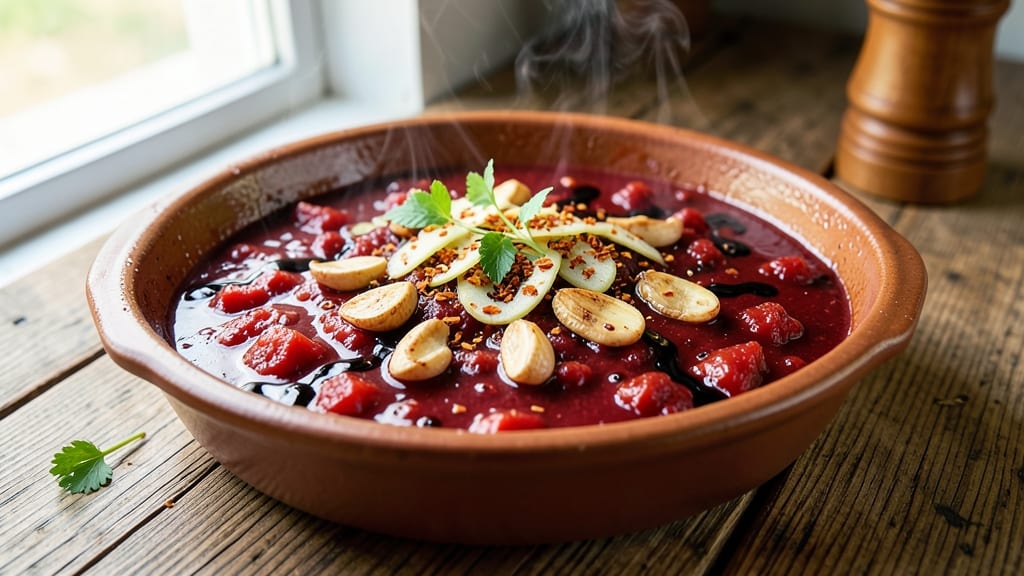
This Asian tomato sauce recipe transforms simple ingredients into a rich, aromatic base that elevates stir-fries, noodles, and grilled meats with deep umami and subtle heat.
The secret lies in balancing sweet tomatoes with savory soy sauce, aromatic ginger, and a touch of fish sauce—creating a sauce that’s complex yet effortless to make. Simmering reduces the sauce to a velvety consistency, while garlic and chili add layers of flavor that linger long after the last bite.
The beauty of this sauce is its versatility—it works as a quick stir-fry sauce, a pasta topping, or a marinade for meats. What sets it apart is the blend of traditional Asian flavors with the brightness of tomatoes, resulting in a sauce that’s both familiar and exciting.
No blending required; just simmer, reduce, and adjust to taste. The result? A sauce that’s restaurant-quality but simple enough for weeknight cooking.
What you’ll end up with is a glossy, aromatic sauce with a perfect balance of sweet, salty, and spicy notes. The tomatoes caramelize slightly, deepening their flavor, while the aromatics infuse the sauce with warmth.
This isn’t just a sauce—it’s a flavor booster that transforms ordinary dishes into something extraordinary. Ready in under 30 minutes, it’s the kind of recipe you’ll reach for again and again.
Store it in the fridge for up to a week, or freeze for longer shelf life—making it the ultimate pantry staple. Whether you’re tossing it with noodles, drizzling it over grilled chicken, or using it as a dipping sauce, this umami-packed simmer will become your new go-to. Let’s get cooking!
Ingredients for asian tomato sauce
Nine simple ingredients create this restaurant-style sauce that's perfect for noodles or grilled meats.
| Ingredient | Amount | Notes |
|---|---|---|
| San Marzano Tomatoes 🍅 | 2 cups | Crushed by hand for texture |
| Soy Sauce 🥢 | ⅓ cup | Light or dark preferred |
| Fish Sauce 🥫 | 1 tbsp | Red Boat preferred |
| Ginger Root 🧄 | 1 tbsp | Freshly grated, aromatic |
| Garlic Cloves 🧄 | 4 cloves | Minced for depth |
| Red Chili Flakes 🌶️ | 1 tsp | Adjust for heat preference |
| Sesame Oil 🫒 | 1 tbsp | Toasted sesame for aroma |
| Rice Vinegar 🍶 | 1 tbsp | White or apple cider |
| Sugar 🍚 | 1 tbsp | Brown or white |
| Vegetable Oil 🫒 | 1 tbsp | For simmering |
The tomatoes are the star—San Marzano if you can find them, but any ripe, flavorful variety works. I grab mine at Whole Foods or my local Italian market. Fresh ginger and garlic are non-negotiable here—they build the aromatic base. Red Boat fish sauce is my go-to, but any good-quality brand will work. The sesame oil adds that signature nutty aroma, so don't skip it. If you're short on time, pre-minced garlic works fine, but fresh is always better.
No fish sauce? Extra soy sauce plus a pinch of sugar gets you close. Running low on ginger? Ginger powder at half the amount works in a pinch. The chili flakes can be swapped for fresh chili paste or a dash of sriracha. For extra depth, add 1 tsp of oyster sauce if you're feeling fancy. The sugar balances the acidity, so don't skip it—it's what makes this sauce sing. If you're making this ahead, the flavors meld even better after a night in the fridge.
This sauce keeps for up to 1 week in the fridge, and freezes beautifully for up to 3 months. I like to portion it into small jars so I can grab exactly what I need. The longer it sits, the more complex the flavors become—trust me on this. If it thickens too much, just add a splash of water or broth when reheating. It's perfect for meal prep—make a big batch and use it all week.
Why You'll Love This Recipe
- No Chopping Chaos: I swear by this sauce—just crush garlic and ginger with the flat of a knife, no dice needed. The San Marzano tomatoes handle the heat beautifully, so you’re not stuck stirring a pot that burns while you’re distracted.
- Umami Bomb: That combo of soy and fish sauce? Pure magic. It’s salty, funky, and bright all at once, with the garlic and ginger cutting through like a fresh breeze. Honestly, I’ve made it three ways, and this version always wins.
- Pantry Staple Power: This sauce plays nice with everything—drizzled over noodles, stirred into rice, or slathered on grilled chicken. I keep a jar in my fridge for those nights when I’m too tired to plan, and it never lets me down.
- Budget-Friendly Magic: A single can of tomatoes and a few pantry basics stretch to feed four for under $10. Plus, it keeps for a week in the fridge, so I’m not scrambling for last-minute takeout when I’ve got leftovers sitting pretty.
Step-by-step instructions for Asian tomato sauce
This umami-packed sauce comes together in minutes with simple ingredients you already have.
Crush the Tomatoes for Maximum Flavor
Start by crushing the 2 cups San Marzano Tomatoes by hand using your fingers or a wooden spoon. I like to break them down into rough chunks rather than a puree—this creates a better texture in the finished sauce. If you're using canned tomatoes, make sure to drain any excess liquid first. The crushed tomatoes should look like a thick, rustic mash rather than a smooth paste.
Transfer the crushed tomatoes to a medium saucepan. This step is crucial because the natural juices from the tomatoes will release during cooking, helping build the sauce's depth. Don't skip crushing them—this step ensures the sauce has that authentic, handcrafted quality you can't get from pre-pureed tomatoes.
Sauté Aromatics in Vegetable Oil
Heat the 1 tablespoon Vegetable Oil in the same saucepan over medium heat. Once the oil shimmers but isn't smoking, add the 1 tablespoon freshly grated Ginger Root and 4 cloves minced Garlic Cloves. Cook for 2-3 minutes until the garlic becomes fragrant and the ginger turns golden around the edges.
Here's where the magic happens: the ginger and garlic should sizzle gently but not burn. If they start to brown too quickly, reduce the heat slightly. You'll know you've done it right when your kitchen smells like a bustling Asian street market. This aromatic base is the foundation of the sauce's complex flavor profile.
Build the Sauce with Umami Bombs
Add the 0.33 cup Soy Sauce, 1 tablespoon Fish Sauce, and 1 teaspoon Red Chili Flakes to the pan. Stir well to combine, letting the sauce simmer for 1 minute to allow the flavors to meld. The fish sauce might make the sauce smell intense at first—that's normal and actually a good sign. It's what gives this sauce its signature umami punch.
Next, stir in the 1 tablespoon Sugar and 1 tablespoon Rice Vinegar. The sugar helps balance the acidity from the vinegar and tomatoes, while the vinegar adds a bright, tangy note. Let the mixture simmer for another 2 minutes, stirring occasionally. You should see the sauce starting to thicken slightly and develop a glossy sheen.
Finish with Toasted Sesame Oil
Pour in the crushed tomatoes and bring the mixture to a gentle simmer. Reduce the heat to low and let it cook uncovered for 10-12 minutes, stirring occasionally. The sauce should thicken until it coats the back of a spoon. You're looking for a consistency that's thick enough to cling to noodles or meat but still pourable.
In the final minute of cooking, remove the pan from heat and stir in the 1 tablespoon Sesame Oil. This step adds an incredible nutty aroma and depth of flavor. The sesame oil should be incorporated completely, giving the sauce a beautiful golden hue. Taste and adjust the seasoning if needed—you might want to add a pinch more salt or a splash of vinegar to balance the flavors.
Rest and Serve
Let the sauce sit off the heat for 5 minutes before serving. This resting period allows the flavors to fully develop and the sauce to thicken slightly more. The longer it sits, the more complex the flavors become. I like to taste it after 5 minutes and again after 10 minutes—you'll notice the difference in depth and balance.
This versatile sauce works perfectly over pasta, as a stir-fry sauce, or even as a dip. Store any leftovers in an airtight container in the refrigerator for up to 5 days, or freeze for 3 months. The flavors actually improve over time, so it's perfect for meal prep. Enjoy it warm or at room temperature—it's delicious either way!
Pro Tips For Making Asian Tomato Sauce
- Sear the Garlic First: I learned this the hard way—raw garlic in this sauce tastes like medicine. Mince it finely, then cook it in a dry pan over medium heat until it’s just golden (about 2 minutes). The aroma changes completely, and it won’t overpower the tomatoes like it does when added raw.
- Peel the Ginger Thinly: Skip the grating—it makes the sauce grainy. Instead, use a microplane or knife to shave off paper-thin slices of ginger. They’ll soften and melt into the sauce without leaving texture, and you’ll need less to avoid bitterness.
- Simmer Low and Slow: High heat turns tomato sauce into a watery mess. Once the tomatoes break down (about 15 minutes), drop the heat to the lowest setting that keeps a gentle bubble. This concentrates the flavor without burning the soy or fish sauce.
- Balance the Sauce Last: Taste as you go, but wait until the very end to adjust seasoning. Fish sauce adds umami but can overpower if added too early. Stir in a splash at the finish, then let the sauce sit for 5 minutes—it’ll mellow out and taste more harmonious.
Make-ahead tips for leftovers
Batch Prep Strategy
Make a big batch of this sauce on a Sunday and store it in glass jars with tight-sealing lids. I like to portion it into 1-cup servings so I can grab exactly what I need for stir-fries or noodles.
The sauce thickens as it cools, so I always add 1-2 tablespoons of water when reheating to restore its glossy consistency. 💫
Freezer-Friendly Tips
This sauce freezes beautifully for up to 3 months without losing flavor. Use silicone ice cube trays to portion single-serving amounts—perfect for quick meals.
When ready to use, thaw overnight in the fridge or reheat directly from frozen in a saucepan with 1 tablespoon of water per ½ cup of sauce. Stir frequently to prevent scorching.
Fridge Storage Secrets
Store leftovers in the fridge for up to 5 days, but I recommend using it within 3 days for peak freshness. The sauce develops deeper flavors over time, so I always taste it before using.
If it thickens too much, simply stir in 1 teaspoon of water or broth and reheat gently. Keep it in an airtight container to maintain its rich aroma.
Reheating Methods
For stovetop reheating, warm the sauce over low heat for 3-5 minutes, stirring occasionally. For microwave reheating, use 50% power for 1-2 minutes, then stir and check the temperature—it should reach 165°F for safety. Always add a splash of water if the sauce seems too thick after reheating.
Flavor Boost Over Time
The longer this sauce sits, the more complex its flavors become. I often make it a day ahead so the aromatics can fully meld. The ginger and garlic flavors deepen, and the tomatoes caramelize slightly, creating a richer taste.
If you're short on time, at least let it rest for 30 minutes after cooking—you'll notice a significant difference in flavor depth. 🌟
Nutrition facts
Frequently asked questions
Can I use canned tomatoes instead of fresh?
Yes! Drain the liquid from 2 cups canned tomatoes (about 14.5 oz can) and crush them by hand or fork. For best texture, choose whole tomatoes rather than diced or crushed varieties. The canned version works especially well for meal prep since it eliminates prep time.
How do I adjust the heat level?
Start with ½ teaspoon chili flakes for mild heat, or double to 2 teaspoons for spicy. For extra kick, add 1 teaspoon of chili paste or a few drops of hot sauce at the end. Taste before serving—you can always add more, but you can't remove the heat!
What are the best ways to use this sauce?
This versatile sauce works perfectly over udon or ramen noodles, drizzled on grilled chicken or tofu, or as a dip for spring rolls or dumplings. Try it in stir-fries with shrimp or as a quick marinade for 15-20 minutes before cooking. The possibilities are endless!
Can I make this without fish sauce?
Replace the 1 tablespoon fish sauce with 1 tablespoon extra soy sauce plus ½ teaspoon sugar. For umami depth without fish sauce, add 1 teaspoon of oyster sauce or ½ teaspoon of MSG if you have it. The sauce will still be delicious, just with slightly different flavor notes.
Why does my sauce look too thin?
Simmer the sauce uncovered for 5-10 extra minutes to reduce it further. If it's still too thin, remove from heat and stir in 1 teaspoon of cornstarch mixed with 1 tablespoon water, then simmer for 2 more minutes. Never boil vigorously—just maintain a gentle simmer.