
Sauces & Condiments
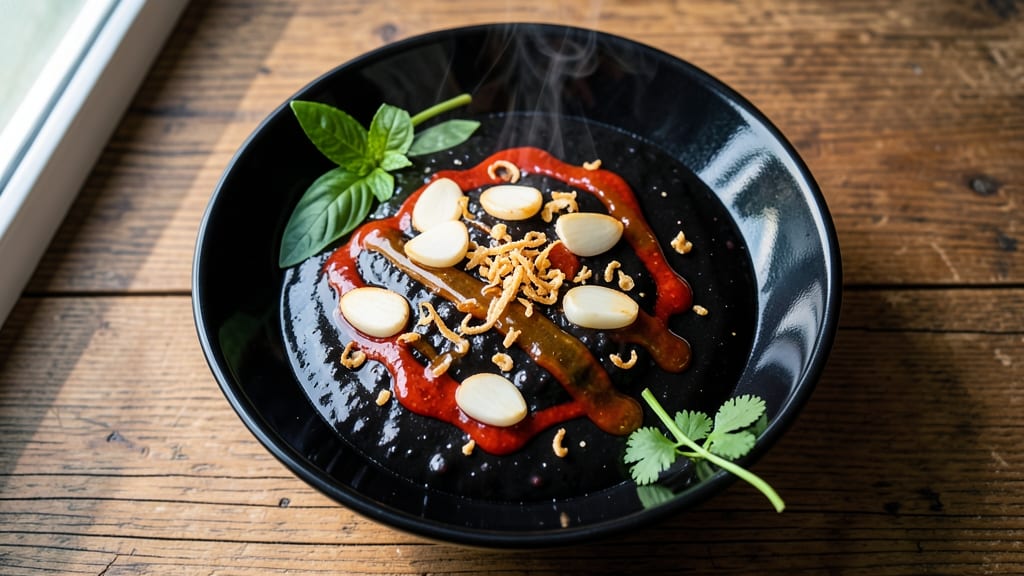
This babg bang sauce recipe delivers the perfect balance of sweet heat for grilled meats, marinades, and stir-fries—packed with fermented depth and bold flavors. The secret lies in fermented soybeans and chili, which create a complex, umami-rich base that caramelizes beautifully when cooked.
Unlike store-bought versions, this homemade sauce builds layers of flavor over time, transforming simple proteins into restaurant-worthy dishes.
The process is straightforward yet rewarding: fermented soybeans (or miso) form the foundation, blended with chili, garlic, and sugar for that signature sweet-spicy kick. A quick simmer reduces the sauce to a glossy, clingy consistency perfect for glazing or basting.
The result? A sauce that’s sticky enough to caramelize on grilled meats but still bright enough to cut through richness.
What makes this sauce stand out is its versatility—use it as a marinade for tenderized meats, a dipping sauce for crispy appetizers, or a stir-fry base that adds depth in minutes.
The fermented elements ensure a rich, slightly funky flavor that elevates any dish, while the sweet-spicy balance makes it universally appealing.
Once made, this sauce keeps for weeks in the fridge, allowing flavors to deepen over time. Double the batch for future meals—it’s that good. Ready to transform your cooking? Let’s get started.
Ingredients for babg bang sauce
Fermented depth meets sweet-spicy heat in this umami-rich glaze—crafted for grilled meats and bold marinades alike.
| Ingredient | Amount | Notes |
|---|---|---|
| Fermented Soybeans (or Miso Paste) 🌶️ | ½ cup | Red miso for depth, white for milder taste |
| Chili Garlic Sauce 🌶️ | ¼ cup | High-quality, Korean-style preferred |
| Fresh Garlic Cloves 🧄 | 6 cloves | Minced for aromatic depth |
| Brown Sugar 🍯 | ¼ cup | Light or dark, packed |
| Rice Vinegar 🍶 | ¼ cup | White or seasoned, for tang |
| Sesame Oil 🫒 | 1 tbsp | Toasted for nutty aroma |
| Ginger Root 🌿 | 1 tbsp | Freshly grated, aromatic |
| Fresh Chili Peppers 🔥 | 2 whole | Thai or serrano, seeded |
| Soy Sauce 🥢 | ¼ cup | Light or dark, for umami |
| Water 💧 | ½ cup | For thinning consistency |
The fermented soybean base is non-negotiable for authentic flavor. Red miso delivers that signature funk, while white miso keeps it milder—choose based on heat tolerance. For fermented soybeans, Asian markets carry them in jars; if unavailable, miso paste works perfectly. The chili garlic sauce should be vibrant red, not murky—Huy Fong or Dae Jang brands excel. Fresh garlic and ginger must be aromatic; bruised or sprouting cloves compromise flavor. Toast the sesame oil in a dry pan for 30 seconds before adding—this enhances its nutty depth without burning.
No miso? Substitute with 0.25 cup soy sauce plus 1 tbsp molasses for a sweeter profile, though fermented depth will differ. Short on chili garlic sauce? Blend 2 tbsp sriracha with 1 tbsp soy sauce, but expect less complexity. The brown sugar can be swapped for honey or agave, though sugar caramelizes more predictably. Vinegar substitutes include rice wine or lemon juice, but rice vinegar’s mild tang is ideal. For extra heat, add 1 tsp gochugaru (Korean chili flakes) or 1 tbsp sambal oelek—adjust to taste. Always taste as you go; balance sweet, spicy, and umami is key.
This sauce thickens as it cools, so thin with water or vinegar if needed. Store in a sealed jar in the fridge for up to 2 weeks, where flavors deepen. Freeze for 3 months by portioning into ice cube trays—perfect for single-use glazes. For restaurant-quality results, let it sit at room temperature for 30 minutes before using; this allows flavors to meld. Double the batch; it’s worth repeating.
Why You'll Love This Recipe
- Pantry Magic: I swear by this sauce because it’s all from ingredients I already have. Fermented soybeans (or miso) add that deep umami punch without a trip to the store, and the garlic? Minced fresh or straight from a jar—no judgment here.
- Umami Bomb: Between the fermented soybeans and chili garlic sauce, this sauce is ridiculously flavorful. The brown sugar and vinegar cut through the heat just enough to make it addictive, not overwhelming—like a perfect balance of sweet, spicy, and funky.
- Weeknight Workhorse: Slap this on grilled chicken, noodles, or even scrambled eggs, and suddenly dinner feels special. It’s my go-to for lazy nights when I don’t want to fuss but still crave something bold.
- Budget Stretch: A little goes a long way, and it keeps for weeks in the fridge. Honestly, I make a big batch and use it in everything—drizzled over rice, stirred into soups, or even as a marinade. Cheap, easy, and always delicious.
Step-by-step instructions for babg bang sauce
This sweet-spicy glaze delivers balanced heat and depth—perfect for grilled meats.
Prepare the Base Ingredients
In a small bowl, combine the 0.5 cup fermented soybeans (or miso paste) with the 0.25 cup chili garlic sauce and 0.25 cup soy sauce. Stir vigorously until fully integrated—this creates the umami foundation. The miso should dissolve completely, forming a smooth paste. If using miso paste, I recommend red miso for its deeper, more complex flavor profile, but white works well for a milder version.
In a separate bowl, finely mince the 6 cloves fresh garlic and grate the 1 tbsp ginger root using a microplane. The garlic should be minced to a paste-like consistency, while the ginger should be finely grated to release its aromatic oils. Set both aside—they'll infuse the sauce with bright, zesty notes. For the 2 whole fresh chili peppers, remove seeds and membranes, then finely dice them. The heat level will vary based on pepper choice, so adjust to taste if needed.
Build the Sweet-Spicy Foundation
In a medium saucepan over medium heat, combine the miso-soy sauce mixture, minced garlic, grated ginger, and diced chili peppers. Stir constantly for 3-4 minutes until the mixture begins to sizzle and the raw garlic aroma gives way to a fragrant, toasty scent. This step develops the sauce's depth—don't rush it, or the flavors won't meld properly.
Add the 0.25 cup brown sugar and 0.25 cup rice vinegar, stirring until the sugar dissolves completely. The vinegar introduces a bright tang that cuts through the richness of the miso and soy, while the sugar balances the heat. Let the mixture simmer gently for 5 minutes, stirring occasionally, until it thickens slightly and coats the back of a spoon. This ensures the sauce will cling beautifully to grilled meats later.
Finish with Oil and Water
Reduce the heat to low and carefully pour in the 1 tbsp sesame oil and 0.5 cup water. The sesame oil adds a nutty aroma and helps emulsify the sauce, while the water thins it to a glossy, glaze-like consistency. Stir well to combine, then let the sauce simmer for an additional 8-10 minutes until it reduces to a thick, syrupy texture. It should coat the back of a spoon but still be pourable.
Taste and adjust seasoning—add a pinch more soy sauce for saltiness, a splash of rice vinegar for tang, or a touch of brown sugar for sweetness. The sauce should be sweet, spicy, and umami-rich with a bright finish. For best results, let it cool slightly before using, as the flavors will continue to develop. This sauce keeps well in the refrigerator for up to 1 week, making it perfect for batch prep.
Pro Tips For Making Babg Bang Sauce
- Bloom the Garlic First: Toss those fresh garlic cloves in a dry pan for 30 seconds before adding anything else—just until they smell heavenly and turn pale gold. I learned this the hard way: raw garlic cloves in the sauce taste harsh and fight with the fermented soybeans instead of blending in.
- Use Miso, Not Fermented Soybeans: Skip the whole fermented soybean block unless you’re committed to grating it yourself. A good-quality white miso paste (like Hatchoyo) dissolves instantly and gives the sauce that same deep, funky umami without the extra work. Trust me, your future self will save 10 minutes.
- Simmer, Don’t Boil: Keep the heat at a gentle simmer—no splattering, no rushing. If you boil it, the rice vinegar will evaporate too fast, and the sauce turns cloyingly sweet instead of bright and balanced. Think "barely bubbling," not "rolling."
- Toast the Brown Sugar: Dry-toast the brown sugar in the pan for 2 minutes before adding liquids—it caramelizes just enough to deepen the flavor without burning. I was skeptical until I tried it: the sauce tastes richer, like someone took the time to care. (Even if you’re impatient like me.)
Make-ahead tips for this dish
Fermented Flavor Boost
Let your sauce develop deeper complexity by fermenting the base for 24-48 hours before cooking. Mix the 0.5 cup fermented soybeans with 0.25 cup soy sauce in an airtight container, then refrigerate.
This step enhances umami and funkiness—perfect for marinades. I’ve found that red miso ferments faster than white, so adjust timing based on your choice. 💪
Freezer-Friendly Prep
Make a double batch and freeze in ice cube trays for portion control. Once frozen, transfer cubes to a ziplock bag and store for up to 3 months.
Thaw overnight in the fridge before using—this prevents texture changes. I love using these pre-portioned cubes for quick glazes on weeknight dinners. 🧊
Long-Term Storage Hacks
For maximum shelf life, store your sauce in a sterilized glass jar with a tight seal. The fermented elements keep best when submerged in their own liquid—add 1 tbsp water if needed.
Label with the date and store in the fridge for up to 2 weeks or freeze for 3 months. Pro tip: Add a small piece of parchment paper to the jar to prevent mold if storing longer than 10 days. ✨
Reheating Secrets
Revive stored sauce by gently warming it in a saucepan over low heat for 3-5 minutes. Avoid high heat—it can break down the delicate fermented flavors.
For a quick fix, microwave in 20-second bursts, stirring between each, until just warm. I always taste before using to adjust seasoning after reheating. 🔥
Batch Cooking Tips
Divide your sauce into small containers (like 4-ounce jars) for easy grab-and-go use. This prevents waste and keeps flavors fresh. I keep one jar in the fridge for daily use and freeze extras.
Label each with the date and intended use (e.g., "marinade" or "glaze") to streamline meal prep. 📅
Flavor Development Timeline
Let your sauce sit at room temperature for 30 minutes before using—this allows flavors to meld. For even deeper taste, refrigerate overnight. The longer it sits, the more complex the umami and sweet-spicy balance becomes. I’ve noticed the best results after 24 hours, especially for marinades. 💡
Nutrition facts
Frequently asked questions
Can I make this sauce without fermented soybeans?
Yes! If you can't find fermented soybeans, substitute with 0.5 cup red miso paste for depth or 0.25 cup soy sauce + 1 tbsp molasses for a sweeter profile. The fermented elements add complexity, but the sauce will still deliver sweet-spicy flavor. For best results, use miso—it captures the umami essence of traditional babg bang sauce.
How do I adjust the heat level?
Start with 2 whole fresh chili peppers for moderate heat, then adjust by adding more or less. For extra kick, include seeds and membranes. For milder heat, reduce to 1 pepper or swap with 1 tbsp gochugaru (Korean chili flakes). Always taste as you go—balance the sweet-spicy ratio by adding more brown sugar or vinegar if needed.
What’s the best way to use this sauce?
This versatile glaze works as a marinade (30+ minutes for meats), dipping sauce for spring rolls or dumplings, or stir-fry base. For grilled meats, brush on during the last 5 minutes of cooking to caramelize. For extra richness, reduce the sauce by half before using—it’ll cling beautifully.
Why does my sauce separate or get grainy?
Separation usually happens from overcooking or adding ingredients too quickly. Stir constantly over medium-low heat and avoid boiling. For graininess, blend the miso-soy mixture first or strain through a fine-mesh sieve. The sesame oil should be added last to prevent emulsification issues. If it happens, whisk in 1 tsp water while warm to restore smoothness.
Can I use this sauce in cold dishes?
While it’s designed for cooking, the sauce works beautifully in cold dishes like summer rolls, noodle salads, or as a dipping sauce for fresh spring vegetables. For cold applications, thin with 1 tbsp water and chill for 1 hour before serving to enhance flavors. The sweet-spicy balance holds up well in chilled preparations.