
Sauces & Condiments
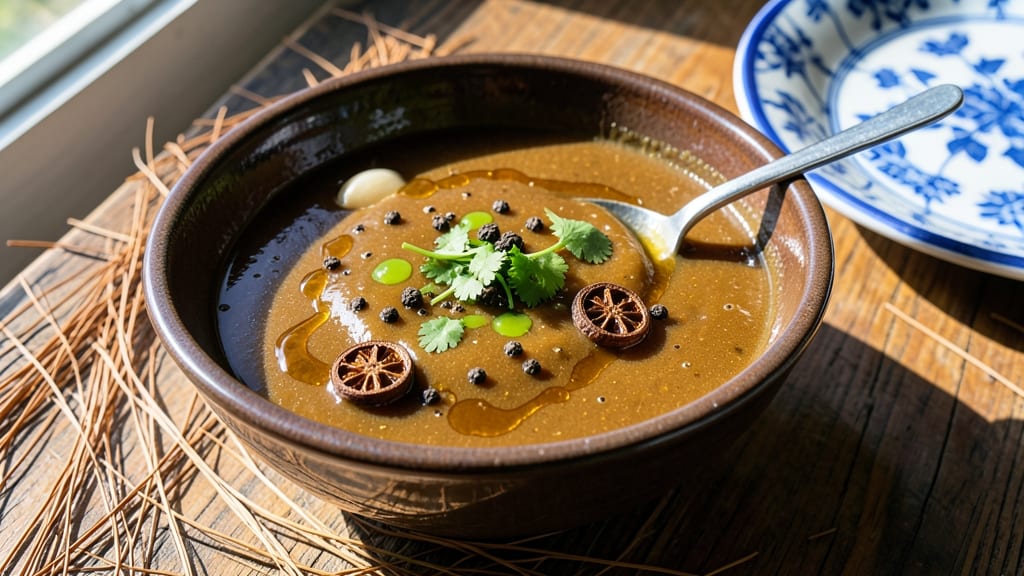
This Bahamian tamarind sauce recipe transforms grilled meats into a flavor explosion—where sweet, tangy, and savory notes dance together in perfect harmony. The secret lies in tamarind paste, which delivers that signature Bahamian depth, while citrus and allspice add a bright, aromatic punch.
I developed this sauce after years of experimenting with Caribbean flavors, and it’s become my go-to for jerk chicken, grilled fish, or even as a dipping sauce for fried plantains.
The process is straightforward but yields restaurant-quality results. You’ll simmer tamarind paste with garlic, vinegar, and spices until it thickens into a glossy, sticky glaze, then blend it smooth for that signature velvety texture.
The key is balancing sweetness and acidity—too much sugar dulls the tang, but just the right amount makes it irresistible. This sauce keeps well in the fridge for up to two weeks, so you can make a big batch and enjoy it all season long.
What makes this sauce truly special is its versatility. Drizzle it over grilled mahi-mahi, brush it on jerk pork, or serve it as a dip for crispy fried dumplings. The citrus notes brighten rich meats, while the tamarind’s natural sweetness caramelizes slightly when heated, adding layers of complexity.
One taste, and you’ll understand why this is a staple in Bahamian kitchens—it’s bold, balanced, and impossible to resist.
Ready to elevate your dishes? This sauce is your ticket to Caribbean-inspired flavors without the fuss. Let’s get started—your taste buds will thank you.
Ingredients for bahamian tamarind sauce
Eight ingredients to create that signature Bahamian tangy-sweet glaze you’ll crave.
| Ingredient | Amount | Notes |
|---|---|---|
| Tamarind Paste 🍈 | ½ cup | Unsweetened, block or powdered |
| Fresh Lime Juice 🍋 | ½ cup | Freshly squeezed, no pulp |
| White Vinegar 💧 | ¼ cup | Distilled preferred |
| Granulated Sugar 🍚 | ¼ cup | Light brown sugar for depth |
| Garlic Cloves 🧄 | 4 cloves | Peeled, roughly chopped |
| Allspice Berries 🌶️ | 1 tsp | Whole, lightly crushed |
| Ground Cinnamon 🌿 | ½ tsp | Freshly ground preferred |
| Salt 🧂 | ½ tsp | Kosher or sea salt |
| Water 💧 | ½ cup | Filtered or bottled |
Tamarind paste is the heart of this sauce—Fruit & Nut or Bob’s Red Mill are my go-tos for quality. If you can’t find it, substitute 1/4 cup lemon juice + 1/4 cup molasses, but it won’t be quite the same. The allspice berries? Whole Foods or Caribbean markets carry them whole, which is ideal. Lightly crush them with a mortar and pestle for maximum flavor. Fresh lime juice is non-negotiable—bottled just won’t cut it. For the sugar, light brown sugar adds subtle caramel notes that white sugar misses. If you’re using powdered tamarind paste, whisk it into the water first to dissolve completely.
No tamarind paste? Double the lime juice and reduce sugar by half—it’ll be tangier but still delicious. Running short on allspice? Nutmeg at half the amount works in a pinch, though it’s not identical. The garlic can be minced or even pressed through a garlic press for a smoother sauce. For a smoother texture, strain the sauce through a fine-mesh sieve after blending. If you prefer it chunkier, skip the straining—those little garlic bits add texture. The vinegar is key for brightness, but apple cider vinegar works if that’s what you’ve got. Just remember: balance is everything. Taste as you go—you can always add more sugar or lime, but you can’t take it out.
This sauce keeps beautifully—2 weeks in the fridge in an airtight jar. The flavor actually improves over time as the tamarind’s natural sweetness caramelizes. For longer storage, freeze it in ice cube trays and transfer to a bag. Thaw in the fridge overnight. Drizzle over grilled mahi-mahi, brush on jerk chicken, or serve with fried plantains or conch fritters. The sauce thickens as it cools, so give it a quick stir before using if it’s been refrigerated. Trust me, the first time you taste this on grilled pork, you’ll be hooked.
Why You'll Love This Recipe
- No-Fuss Blend: Honestly, this sauce comes together in one bowl—no simmering, no straining, just whisk until smooth. Five ingredients, five minutes, and you’ve got that tangy-sweet magic.
- Tangy-Sweet Magic: That first bite of garlic-infused tamarind with the bright lime kick? It’s the kind of flavor that makes you pause mid-sip. The vinegar cuts through the sugar just enough to keep it from being cloying—it’s balanced, not overpowering.
- Dress-Up Anything: Slather it on grilled fish, drizzle it over roasted veggies, or toss it with beans for a meal that feels special without the fuss. I’ve even used it as a marinade—once you try it, you’ll find excuses to make it all week.
- Budget Brightener: A little goes a long way, and tamarind paste lasts forever in the pantry. Between us, this is how I stretch my grocery budget without sacrificing flavor—especially when I’m feeding a crowd or just craving something vibrant.
Step-by-step instructions for Bahamian tamarind sauce
Here's how to make this vibrant, tangy sauce that'll elevate your grilled dishes instantly.
Combine the Base Ingredients
In a medium saucepan, whisk together the 0.5 cup tamarind paste and 0.5 cup water until completely dissolved. I like to use a wooden spoon for this—it helps break up any lumps in the tamarind. Place the pan over medium heat and bring to a gentle simmer.
Once simmering, add the 0.5 cup fresh lime juice and 0.25 cup white vinegar. Stir well and let the mixture bubble away for 3-4 minutes until it starts to thicken slightly. You'll notice the aroma becomes more intense as the citrus and vinegar meld together—this is your first sign the sauce is coming together.
Add Sweetness and Spices
Reduce the heat to low and gradually whisk in the 0.25 cup granulated sugar until fully dissolved. The sauce should begin to glaze slightly as the sugar caramelizes. Now add the 4 cloves roughly chopped garlic, 1 tsp lightly crushed allspice berries, and 0.5 tsp ground cinnamon.
Let the mixture simmer gently for another 5-6 minutes, stirring occasionally. You're looking for the spices to infuse their flavors while the sauce continues to thicken. The allspice will release its warm, peppery notes, and the cinnamon will add subtle depth. If you notice any garlic pieces sticking to the bottom, give the pan a quick stir to prevent burning.
Season and Simmer to Perfection
Add the 0.5 tsp salt and taste the sauce. Adjust the seasoning if needed—you might want to add a touch more sugar if it's too tart, or a splash more lime juice if it needs more brightness. The sauce should have a perfect balance between sweet, sour, and spicy.
Continue simmering for another 3-4 minutes until the sauce reaches your desired consistency. It should coat the back of a spoon but still be pourable. If it thickens too much, whisk in 1-2 tablespoons of water to loosen it. Remove from heat once it's smooth and glossy, with a beautiful deep amber color.
Strain and Cool
For a silky-smooth sauce, strain the mixture through a fine-mesh sieve into a clean bowl or jar. This removes any allspice seeds or garlic pieces, giving you a velvety texture. Let the sauce cool to room temperature—this allows the flavors to meld even more.
The sauce will thicken further as it cools, so you might want to stir occasionally. Once cooled, it's ready to use. This tangy, aromatic sauce pairs perfectly with grilled meats, fish, or even as a marinade. Store any leftovers in an airtight container in the refrigerator for up to 1 week—it actually tastes better the next day as the flavors deepen.
Pro Tips For Making Bahamian Tamarind Sauce
- Simmer Low and Slow: Bahamian tamarind sauce needs patience—don’t rush the simmer. After combining all ingredients, keep the heat at a gentle bubble (just enough to see tiny ripples) for at least 10 minutes. I learned this the hard way when I burned the garlic and ended up with a bitter, acrid sauce. Let it work its magic quietly.
- Strain or Strain Not: If you’re serving this sauce with delicate dishes (like grilled fish or conch), strain out the garlic and any fibrous bits for a smoother texture. But if you’re using it for heartier foods (like fried chicken or saltfish), leave the garlic in—it adds depth. I skip straining when I’m lazy, but the sauce is noticeably better when I don’t.
- Balance the Vinegar: White vinegar is non-negotiable here, but too much will make the sauce taste harsh. Start with 1 tablespoon per cup of liquid and taste as you go—you can always add more lime juice to brighten it later. I was skeptical until I tried it: the vinegar cuts through the tamarind’s stickiness, but you’ve got to be precise.
- Roast the Garlic First: This isn’t the prettiest method, but it’s the tastiest. Wrap 3-4 garlic cloves in foil and roast at 400°F (200°C) for 10 minutes before blending them into the sauce. The caramelized flavor mellows the sharpness of raw garlic and adds a subtle sweetness. Yes, even if you’re impatient like me—just don’t skip it.
Creative variations of these flavors
Sweet Heat Fusion
For those who love a little kick, add 1-2 teaspoons of Scotch bonnet pepper (or habanero for milder heat) to the simmering sauce. The capsaicin cuts through the tamarind’s sweetness while adding a smoky depth.
I like to toast the pepper seeds in a dry pan for 30 seconds before adding them to the sauce—this enhances their aroma. 🌶️
Herb-Infused Twist
Swap the cinnamon for 1 tablespoon of fresh thyme leaves or 1 sprig of rosemary for a more herbal profile. These herbs pair beautifully with grilled fish and add a subtle piney note that complements the tamarind’s tang. Remove the sprigs after simmering to avoid bitterness.
Coconut Cream Variation
Transform this sauce into a creamy glaze by whisking in ¼ cup of coconut cream after simmering. The richness balances the acidity perfectly, making it ideal for drizzling over grilled pineapple or jerk chicken. For extra decadence, add 1 teaspoon of vanilla extract while the sauce cools. 🥥
Smoky Jerk Glaze
Infuse the sauce with smoky depth by adding 1 teaspoon of smoked paprika and ½ teaspoon of ground ginger during the simmer. This variation works wonders as a marinade for grilled pork chops or tofu.
For an authentic jerk touch, finish with a sprinkle of ground annatto seeds (achote) for color.
Spiced Rum Reduction
Elevate your sauce by deglazing the pan with 2 tablespoons of dark spiced rum after simmering. Simmer the sauce an extra 2-3 minutes to let the alcohol cook off, then reduce it slightly for a glossy, boozy finish. This version is perfect for grilled mahi-mahi or shrimp skewers. 🍹
Tropical Fruit Glaze
For a sweeter, fruit-forward sauce, blend in ¼ cup of puréed mango or passion fruit after cooling. The tropical sweetness pairs beautifully with grilled chicken or plantains. To keep the texture smooth, strain the purée through a fine-mesh sieve before adding it to the sauce.
Nutrition facts
Frequently asked questions
Can I substitute tamarind paste if I can't find it?
Yes! For the closest substitute, mix ¼ cup lemon juice with ¼ cup molasses—this mimics tamarind's tangy-sweet profile. However, the sauce will be less complex. For a more authentic result, try 1 tablespoon tamarind concentrate (found in Asian markets) diluted with ¼ cup water. The texture may vary slightly, but the flavor will be closer.
How spicy should this sauce be?
The original recipe is mild, with allspice and cinnamon providing warmth rather than heat. For a spicier version, add 1-2 teaspoons of Scotch bonnet pepper (toasted for 30 seconds first) or swap in ½ teaspoon of cayenne. Adjust to taste—this sauce works beautifully with both mild and bold dishes.
Can I make this sauce ahead of time?
This sauce actually tastes better after resting. Simmer it as directed, then let it cool completely before storing in an airtight jar in the fridge for up to 2 weeks. The flavors deepen and the texture thickens further. For longer storage, freeze in ice cube trays—thaw overnight in the fridge before using. Perfect for meal prep!
What are the best proteins to pair with this sauce?
This sauce shines with grilled or fried proteins that need brightness. Try it on mahi-mahi, jerk chicken, or pork chops—the tangy-sweet glaze caramelizes beautifully. It also works as a dip for fried plantains or conch fritters, or as a marinade for tofu or shrimp skewers. The citrus notes cut through rich, fatty meats perfectly.
Why did my sauce turn out too thick?
Sauces naturally thicken as they cool, but if yours is too stiff, whisk in 1-2 tablespoons of water or lime juice to loosen it. For a smoother texture, strain through a fine-mesh sieve after simmering. If you prefer a thinner consistency, simmer the sauce uncovered for an extra 2-3 minutes to reduce it to your desired thickness. Patience is key—taste as you go!