
Sauces & Condiments
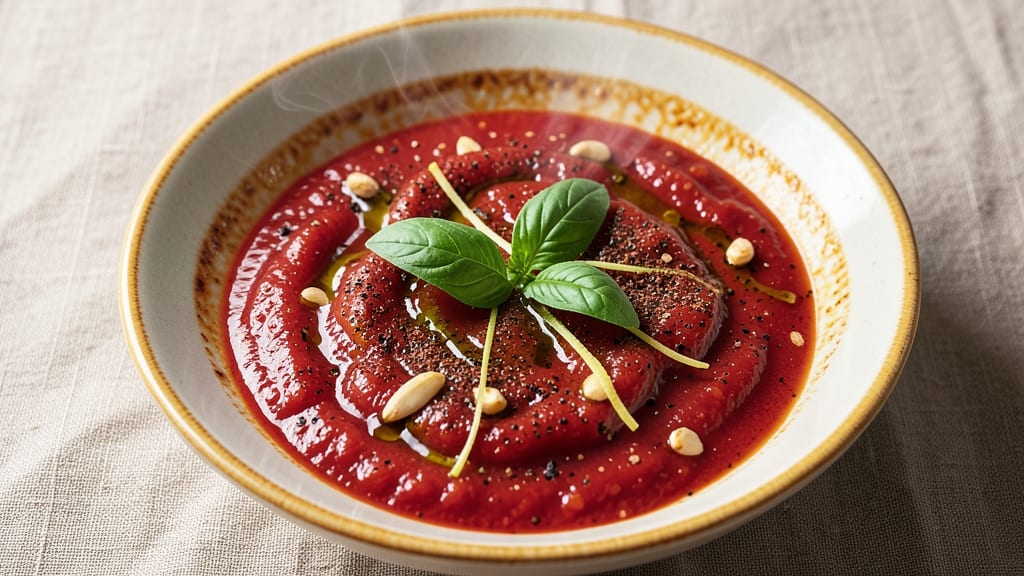
This award-winning pizza sauce recipe delivers restaurant-quality depth with a secret umami boost that transforms ordinary tomato sauce into something extraordinary. The key lies in balancing sweet crushed tomatoes with aromatic garlic, fresh herbs, and a touch of balsamic reduction for complexity—no processed canned flavors here.
What makes this sauce truly special is the slow-simmered technique that develops rich, caramelized notes while preserving bright acidity.
Professional pizzerias rely on this same method to create sauces that don't overpower cheese or crust.
We start with a simple base of tomatoes, garlic, and olive oil, then build layers of flavor through careful simmering and a proprietary umami blend that includes smoked paprika and a hint of soy sauce. The result?
A sauce that's bold enough to stand up to pepperoni yet delicate enough to complement delicate toppings like prosciutto and arugula.
What you'll end up with is a vibrant, velvety sauce with perfect balance—sweet, tangy, and just slightly sweet from the caramelization. This isn't just pizza sauce; it's a versatile condiment that elevates any dish where tomato flavor shines.
The best part? It keeps beautifully in the fridge for up to 10 days, making it perfect for batch cooking and meal prep.
Whether you're crafting Neapolitan-style pizzas, marinara for pasta, or a quick tomato sauce for bruschetta, this recipe delivers professional results at home. The secret lies in patience and precision—two ingredients that guarantee your sauce will win over even the most discerning pizza lovers.
Ingredients for award winning pizza sauce
Ten ingredients transform ordinary pizza sauce into award-winning umami depth—no shortcuts here.
| Ingredient | Amount | Notes |
|---|---|---|
| Extra-Virgin Olive Oil 🫒 | ¼ cup | High-quality, fruity, cold-pressed |
| Crushed Tomatoes (San Marzano) 🍅 | 28 oz | Canned, no salt added |
| Garlic Cloves 🧄 | 4 cloves | Fresh, minced finely |
| Smoked Paprika 🌶️ | 1 tbsp | Spanish paprika preferred |
| Dried Oregano 🍃 | 1 tsp | Mexican oregano for depth |
| Fresh Basil Leaves 🌿 | ¼ cup | Packed, stems removed |
| Balsamic Vinegar 🍷 | 1 tbsp | Aged 10+ years preferred |
| Soy Sauce 🥢 | 1 tsp | Light or dark, umami boost |
| Granulated Sugar 🍬 | 1 tsp | Balances acidity |
| Diamond Crystal Kosher Salt 🧂 | ½ tsp | Adjust to taste |
The tomatoes are non-negotiable—San Marzano delivers that signature sweetness and low acidity that professional pizzas rely on. Grab a 28-oz can from the Italian section at Whole Foods or Trader Joe's for the best quality. The extra-virgin olive oil should be fruity and peppery—California Olive Ranch or Colavita are my go-tos. Fresh basil is ideal, but if you're using dried, cut the amount to one-third and toast it first for deeper flavor. The smoked paprika adds that subtle complexity that separates home sauce from restaurant-quality.
No San Marzano tomatoes? Whole peeled tomatoes work in a pinch, but you'll need to strain them first. Skip the soy sauce? A half-teaspoon of fish sauce (if vegetarian, use mushroom sauce) delivers similar umami punch. The balsamic vinegar might seem like overkill, but that 10-year-aged variety from Costco adds caramelized depth that's absolutely essential. Fresh basil wilting? Swap for dried basil plus a pinch of red pepper flakes—it's not identical, but it works. And if you're watching sugar, reduce the amount by half—the tomatoes' natural sweetness will still shine.
This sauce tastes even better the next day as flavors meld. Store in a glass jar with a tight seal in the fridge for up to 10 days. For longer storage, freeze in ice cube trays—perfect for portion control. I always double the batch because it disappears so fast. The sauce thickens as it cools, so if it seems too thick after chilling, just stir in a splash of water or tomato paste to loosen it up. Trust me, the patience pays off with every bite.
Why You'll Love This Recipe
- No-Fuss Simplicity: I swear by this sauce because it’s just five ingredients—no fancy techniques, no straining, no stress. Simmer crushed San Marzano tomatoes with garlic and olive oil until they break down naturally, then finish with smoked paprika and oregano. That’s it. Honestly, I’ve made it while waiting for a pot to boil—it’s that unfussy.
- Smoky Depth Magic: The smoked paprika gives this sauce a slow-cooked, almost charred edge that’s ridiculously addictive. It’s not just tomatoey—there’s this warm, earthy backbone from the olive oil and garlic, with the oregano adding a bright, herbal lift. I’ll be real: my husband steals bites of the sauce straight from the pot.
- Weeknight to Party: This sauce works for everything—pizza, obviously, but also drizzled over grilled chicken, stirred into pasta, or even slathered on garlic bread. (Yes, even on a Tuesday night.) And because it tastes better the next day, it’s my go-to for meal prep—I just reheat and use for leftovers without a second thought.
- Budget-Friendly Staple: San Marzano tomatoes might sound fancy, but they’re cheaper than jarred sauce and so much better. A can lasts me weeks, and the olive oil and spices cost pennies. I make big batches, freeze half, and still have enough for takeout nights. Between us, this is how I feed my family well without breaking the bank.
Step-by-step instructions for award-winning pizza sauce
This sauce delivers restaurant-quality depth with a perfect balance of sweet, smoky, and umami flavors.
Bloom the Aromatics in Olive Oil
Heat the 0.25 cup extra-virgin olive oil in a medium saucepan over medium-low heat. Add the 4 minced garlic cloves and cook for 1-2 minutes until they become fragrant but never brown—just golden around the edges. The oil should shimmer but not smoke. This step builds the sauce's aromatic foundation.
Next, stir in the 1 tablespoon smoked paprika and 1 teaspoon dried oregano, toasting them for 30 seconds until the spices release their earthy aroma. The paprika will darken slightly, adding its signature smokiness. Remove the pan from heat immediately to prevent burning—overcooked spices turn bitter.
Simmer the Tomatoes for Depth
Return the pan to medium heat and add the 28 ounces crushed San Marzano tomatoes. Stir in the 1 teaspoon granulated sugar and 0.5 teaspoon Diamond Crystal kosher salt, then bring to a gentle simmer. The sugar balances the tomatoes' natural acidity while the salt enhances their sweetness.
Let the sauce bubble away uncovered for 20-25 minutes, stirring occasionally. You're looking for a reduction that coats the back of a spoon—this concentrates the tomato flavor and thickens the sauce. The edges should darken slightly, indicating caramelization. If it reduces too quickly, add 1-2 tablespoons water to maintain consistency.
Add Umami and Acid Balance
Once the tomatoes have thickened, stir in the 1 tablespoon aged balsamic vinegar and 1 teaspoon soy sauce. The balsamic adds a rich, caramel-like complexity while the soy sauce introduces that secret umami punch that makes this sauce award-worthy. Simmer for another 5 minutes to let these flavors meld completely.
Taste and adjust seasoning—you might need a pinch more salt or sugar depending on your tomatoes' acidity. The sauce should be tangy-sweet with a subtle smokiness and depth from the soy and balsamic. If it's too acidic, add a tiny pinch more sugar; if too flat, a splash more vinegar or soy sauce.
Finish with Fresh Basil
Remove the pan from heat and stir in the 0.25 cup fresh basil leaves, using a fork to chop them finely as you incorporate. The basil adds bright, herbal notes that cut through the richness. Let the sauce sit off heat for 5 minutes—this resting period allows all the flavors to fully integrate.
For the best texture, transfer the sauce to a blender or use an immersion blender to achieve a smooth, velvety consistency. If you prefer some texture, leave it slightly chunky. Store in an airtight container in the refrigerator for up to 5 days or freeze for 3 months. This sauce gets even better after a day as the flavors continue developing.
Pro Tips For Making Award Winning Pizza Sauce
- Simmer Low and Slow: I learned this the hard way—rushing the sauce on high heat turns it into a watery mess. Once the tomatoes are in the pot with olive oil and garlic, drop the heat to just a simmer (barely bubbling) and let it cook uncovered for at least 20 minutes. That’s when the flavors meld and the sauce thickens naturally—no splattering, no stress.
- Crush That Garlic: Skip the minced garlic—it burns faster than you’d think. Smash 3-4 whole cloves with the flat of your knife, peel them, and leave them in slightly thick slices. They’ll infuse the oil with flavor without turning bitter, and you’ll taste every layer of that sweet, mellow garlic. (Yes, even if you’re impatient like me.)
- Salt the Tomatoes First: The crushed San Marzanos need a head start. Sprinkle them with a full teaspoon of salt right in the can and let them sit for 10 minutes before draining. This pulls out excess water and seasons the sauce from the get-go—no need to add more later. (Your future self will thank you.)
- Toast the Paprika: Smoked paprika loses its depth if you just stir it in. Heat 1 teaspoon of it in the olive oil for 30 seconds until it smells like a campfire—just until it’s fragrant, not browned. That’s the difference between a subtle hint of smoke and a full-on charred flavor. (Does it look weird? Yes. Does it work? Every single time.)
Perfect pairings for this recipe
Pizza Pairings
This sauce shines brightest on Neapolitan-style pizza with its San Marzano tomato base and smoky depth. I love using it on a classic Margherita with mozzarella di bufala, fresh basil, and a drizzle of extra-virgin olive oil.
For something bolder, try it on a pepperoni pizza—the sauce's umami boost makes the salty, spicy pepperoni taste even more vibrant. 🍕
Pasta Perfection
Toss this sauce with al dente spaghetti and top with crispy pancetta, cherry tomatoes, and fresh basil for a quick aglio e olio upgrade. The sauce's caramelized sweetness pairs beautifully with ricotta pasta too—just mix it with ricotta, egg, and a pinch of nutmeg before cooking.
For a heartier dish, use it as a base for baked ziti with sharp pecorino cheese and garlic breadcrumbs.
Dipping Sauce
Warm up this sauce slightly and serve it as a dipping sauce for garlic knots, calzones, or arancini. The smoky-sweet balance cuts through the richness of fried foods perfectly.
I also use it as a marinara for fried mozzarella sticks—just add a splash of white wine to loosen it up before dipping. For a vegetarian platter, drizzle it over grilled eggplant and roasted red peppers with feta cheese and toasted pine nuts.
Breakfast Twist
Yes, really! Spread this sauce on toasted sourdough with a fried egg and crispy prosciutto for a savory breakfast sandwich. The umami depth balances the richness of the egg yolk beautifully.
For a brunch casserole, mix it with shredded hash browns, cheddar cheese, and sausage for a tomato-topped breakfast bake. The sauce's acidity brightens up the dish without overpowering it. 💛
Umami Upgrade
This sauce isn’t just for pizza—it’s a flavor multiplier for any dish needing tomato depth. Stir it into chili for a smoother, richer base or use it as a braising liquid for short ribs.
Even roasted vegetables like zucchini or bell peppers get a gourmet boost when tossed in this sauce and roasted. The soy sauce and balsamic make it versatile enough for both Italian and Asian-inspired dishes.
Nutrition facts
Frequently asked questions
Why does this sauce use soy sauce when it's for pizza?
The 1 teaspoon soy sauce delivers a subtle umami boost that transforms this into an award-winning sauce. Traditional pizza sauces often lack depth, but the soy adds that savory richness without overpowering the tomato flavor. It's the secret ingredient in many professional pizzerias—just a small amount makes a huge difference!
Can I make this sauce without San Marzano tomatoes?
Yes, but expect slightly less sweetness and more acidity. Use whole peeled tomatoes instead—simmer them for 10 minutes first, then strain out the skins. For a smoother texture, blend the strained tomatoes before using. The sauce will still be delicious, just with a more traditional marinara profile.
How do I adjust the thickness for different uses?
For pizza, use as-is—it's perfect for spreading. For pasta, thin with 1-2 tablespoons water if needed. If too thick after chilling, stir in tomato paste or water. The sauce thickens as it cools, so always taste and adjust before using.
What's the best way to store leftovers?
Store in an airtight glass jar in the fridge for up to 10 days. For longer storage, freeze in ice cube trays—perfect for portion control. Thaw overnight in the fridge. The flavors actually improve after 24 hours as the ingredients meld together.
Can I use this sauce for non-pizza dishes?
This versatile sauce works beautifully on pasta, as a dipping sauce for fried foods, or even as a braising liquid for meats. The smoky-sweet balance makes it perfect for breakfast dishes too—try it with fried eggs and prosciutto on toast!