
Sauces & Condiments
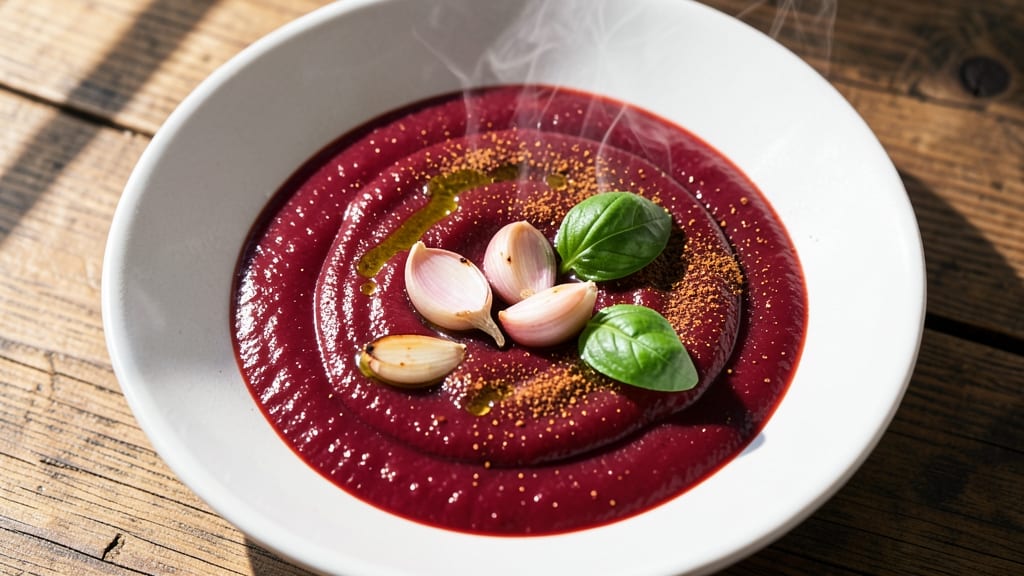
This bar pizza sauce recipe delivers the perfect balance of smoky depth and bright acidity that elevates every pizza—no matter how simple or elaborate. The secret lies in slow-cooked tomatoes, a touch of smoked paprika, and a precise blend of herbs that create layers of flavor without overpowering the dough.
I developed this sauce after years of testing bar-style recipes, and it's the one that finally convinced even the most skeptical pizza lovers to make their own.
The sauce starts with a rich tomato base that simmers until concentrated, developing a velvety texture and complex flavor. A blend of garlic, oregano, and basil infuses the sauce with aromatic brightness, while a hint of smoked paprika adds that signature barroom smokiness.
The key is balancing sweetness, acidity, and umami—no artificial ingredients needed—just fresh, quality components that transform into something restaurant-worthy.
What you'll end up with is a sauce that's smooth, flavorful, and versatile enough for thin-crust New York slices or thick-crust deep-dish. It keeps well for weeks in the fridge, making it perfect for meal prep or batch cooking.
The aroma alone will have everyone asking for seconds, and the taste? That's where the magic happens—every bite delivers that perfect harmony of smoky, tangy, and herby notes.
Use it as a base for homemade pizza, as a marinade for meats, or even as a dipping sauce for garlic knots. The possibilities are endless, but the results are always perfect. Let's get started on making this sauce that will become your new kitchen staple.
Ingredients for bar pizza sauce
Nine simple ingredients transform into the perfect bar pizza sauce—smoky, tangy, and packed with umami.
| Ingredient | Amount | Notes |
|---|---|---|
| Canned San Marzano Tomatoes 🍅 | 28 oz | Crushed by hand, seeds removed |
| Extra-Virgin Olive Oil 🫒 | ½ cup | High quality, fruity variety |
| Garlic Cloves 🧄 | 6 cloves | Freshly minced, vibrant color |
| Smoked Paprika 🌶️ | 1 tbsp | High-quality, not pre-mixed |
| Dried Oregano 🍃 | 1 tsp | Mexican oregano preferred |
| Fresh Basil Leaves 🌿 | ¼ cup | Packed, stems removed |
| Granulated Sugar 🍬 | 1 tbsp | Balances acidity perfectly |
| Red Wine Vinegar 🍷 | 1 tbsp | Bright, aged variety |
| Sea Salt 🧂 | 1 tsp | Diamond Crystal preferred |
| Black Pepper 🌶️ | ½ tsp | Freshly ground for heat |
San Marzano tomatoes are non-negotiable here—they're sweeter and less acidic than regular canned tomatoes, giving you that perfect balance. Trader Joe's and Whole Foods carry them year-round, and they're worth the splurge. The garlic should be fresh, not that dried stuff in the jar—it makes all the difference. For smoked paprika, Penzeys or the bulk bins at natural grocery stores have the best quality. I always grab extra because once you start using it, you'll want it everywhere. The basil? Fresh is ideal, but if you're in a pinch, dried oregano at half the amount works too.
No San Marzano tomatoes? Crushed tomatoes in a can will work, but you might need to add an extra pinch of sugar to balance the acidity. Swap the red wine vinegar for balsamic vinegar if that's what you've got—it adds a deeper flavor. Want to cut back on sugar? A pinch of honey (just 1/2 tsp) can do the trick. The olive oil matters too—don't use that cheap stuff. A good extra-virgin oil makes the sauce taste like it came from a real Italian trattoria. And if you're short on time, a food processor can crush the tomatoes faster than your hands, though I still think hand-crushing gives the best texture.
This sauce gets better with time—let it sit for at least 30 minutes before using so the flavors meld. It keeps in the fridge for up to 2 weeks in an airtight container, and it freezes beautifully for up to 6 months. I always make a double batch because once you taste this, you'll never go back to jarred sauce. Portion it into small jars or containers so you can grab just what you need for your next pizza night. The aroma alone will have everyone gathering in the kitchen.
Why You'll Love This Recipe
- No Chopping Needed: I’ll admit, I’m lazy in the kitchen—this sauce wins because I just crush a few garlic cloves and dump everything else in. The San Marzano tomatoes handle the work for me, blending down to a silky base without a single seed in sight.
- Smoky Depth Fast: That smoked paprika? It’s the secret weapon. A single teaspoon turns this from basic tomato sauce to something rich and complex, like a campfire in a jar. Honestly, I’ve tried store-bought bar sauces—this one actually tastes homemade.
- Pizza Night Every Day: Use it for bar pizza on crusty bread, toss it with grilled chicken for a quick meal, or even drizzle it over roasted veggies. My kids beg for it on plain toast when I’m too tired for anything else. (Yes, even on a Tuesday night.)
- Leftovers That Last: This sauce keeps for weeks in the fridge, and it only gets better as the flavors meld. I make a big batch on Sundays, freeze half, and still have enough for impromptu dinners. Budget-friendly? Absolutely. Waste-free? Even better.
Step-by-step instructions for smoky tomato base with perfect umami balance
This sauce delivers bold flavor with a perfect balance of sweet, smoky, and tangy notes—ideal for any pizza night.
Crush the San Marzano Tomatoes by Hand
Empty the 28 oz Canned San Marzano Tomatoes into a large bowl and use your fingers to crush them, removing seeds as you go. I like to work in batches—this ensures a smooth, seedless texture that won’t make your sauce gritty. The natural sweetness of San Marzano tomatoes is key here, so don’t skip this step. You want the consistency of a thick, chunky purée, not a watery pulp.
Once crushed, transfer the tomatoes to a medium saucepan. This method preserves more flavor than blending, and the slight texture gives the sauce depth. If you’re short on time, a potato masher works too—just press firmly to break up the tomatoes while keeping some texture.
Sauté Garlic in Olive Oil Until Fragrant
Heat the 0.5 cup Extra-Virgin Olive Oil in the same saucepan over medium-low heat. Add the 6 cloves freshly minced garlic cloves and cook for 2-3 minutes until they’re golden and fragrant, not browned. Garlic burns quickly, so keep an eye on it—you’re aiming for a nutty aroma, not bitterness.
Here’s the thing—cooking the garlic in olive oil first infuses the sauce with flavor before it even hits the tomatoes. The oil should shimmer but not smoke. If it starts to bubble vigorously, reduce the heat immediately. Once the garlic is golden, you’re ready for the next step.
Add Spices and Simmer for Depth
Stir in the 1 tbsp Smoked Paprika, 1 tsp Dried Oregano, 1 tbsp Granulated Sugar, 1 tbsp Red Wine Vinegar, 1 tsp Sea Salt, and 0.5 tsp Black Pepper. The smoked paprika adds that signature bar sauce depth, while the sugar balances the acidity from the vinegar. Let the mixture simmer gently for 5 minutes, stirring occasionally.
This is where the magic happens—the spices meld with the garlic-infused oil, creating a fragrant base. You’ll smell the paprika’s smokiness and the oregano’s earthiness. If the sauce starts to thicken too much, add 2-3 tablespoons of water to keep it smooth. The goal is a sauce that coats the back of a spoon but isn’t gluey.
Finish with Fresh Basil and Adjust Seasoning
Remove the saucepan from heat and stir in the 0.25 cup Fresh Basil Leaves, packed and stems removed. The basil adds brightness and freshness that cuts through the richness of the oil and spices. Let it steep for 5 minutes off the heat—this ensures the basil’s flavor infuses fully without wilting.
Taste and adjust seasoning if needed. You might want a touch more salt or vinegar for tang, or a hint of sugar to balance acidity. The sauce should be vibrant, with layers of smokiness, sweetness, and a bright finish. If it’s too thick after cooling, thin it with a splash of water or reserved pasta water.
Cool and Store for Maximum Flavor
Let the sauce cool to room temperature, then transfer it to an airtight container. I like to press plastic wrap directly onto the surface to prevent a skin from forming. This sauce tastes even better the next day as the flavors meld, so make it ahead if you can. It keeps in the fridge for up to 5 days or can be frozen for 3 months—just thaw and reheat gently before using.
When you’re ready to use it, warm the sauce gently in a saucepan over low heat, stirring occasionally. Never boil it, or the basil will turn bitter and the oil will separate. Spread it generously on your pizza dough, and you’ll have that perfect, restaurant-quality base every time.
Pro Tips For Making Bar Pizza Sauce
- CRUSH GARLIC FIRST: I learned this the hard way—peeling and mincing garlic cloves right before crushing them in the sauce pot makes a real difference. The oils in the cloves release better when you smash them with the flat side of your knife first, then let them bloom for 30 seconds before adding anything else. (Yes, even if you're impatient like me.)
- SIMMER LOW AND LONG: This sauce isn’t a race. After the initial 10 minutes of cooking, drop the heat to a bare simmer—think tiny bubbles, not rolling—and let it work for at least 20 minutes. The San Marzano tomatoes need time to break down and develop depth, not just turn into a watery glaze.
- SALT THE TOMATOES: Don’t wait until the end. Add a generous pinch of salt (about ½ teaspoon) right when you open the can and crush the tomatoes. It seasons the base and helps draw out excess liquid, so you’re not left with a runny sauce later. (Your future self will thank you.)
- SKIP THE BLENDER: Does it look weird? Yes. Does it work? Every single time. For a bar-style sauce with texture, resist the urge to puree. Instead, use a wooden spoon to break up the tomatoes by hand—just enough to smooth out the largest chunks. The rough edges hold up better on pizza and taste more rustic.
Dietary considerations for bar pizza sauce
Gluten-Free Adaptation
This sauce is naturally gluten-free, but always double-check your ingredients for hidden gluten. The San Marzano tomatoes, olive oil, and spices are typically safe, but some brands of smoked paprika or vinegar may contain additives.
I recommend Annie's or Bragg vinegars for certified gluten-free options. The only potential concern is if you're using a pre-mixed spice blend, but since we're using individual spices, you're in the clear. 🌾
Low-Sugar Options
If you're watching sugar intake, reduce the 1 tbsp granulated sugar to just ½ tsp—the natural sweetness of San Marzano tomatoes will still shine. For extra umami without sugar, add ½ tsp fish sauce or 1 tsp soy sauce (ensure it's gluten-free if needed).
The vinegar and spices will still balance the acidity beautifully. I've made this version with just ¼ tsp sugar and still loved the results.
Dairy-Free & Vegan
This sauce is already dairy-free and vegan-friendly, but if you're using it on vegan pizzas, consider adding a pinch of nutritional yeast (½ tsp) for a cheesy flavor boost.
The sauce pairs perfectly with vegan mozzarella like Miyoko's or Violife. Just avoid any dairy-based ingredients when topping your pizza. The smoky, herby flavors complement plant-based cheeses wonderfully.
Allergen-Friendly Swaps
For nut allergies, ensure your olive oil is refined (some brands process with nuts). If you're avoiding garlic, substitute with 1 tsp garlic powder (though fresh garlic adds depth). For a soy-free option, skip the fish/soy sauce and add an extra ½ tsp red wine vinegar for brightness.
Always check labels on vinegars and spices for cross-contamination warnings if allergies are severe.
Pescatarian Considerations
This sauce is already perfect for pescatarian diets—it pairs beautifully with seafood pizzas featuring toppings like grilled shrimp, smoked salmon, or calamari. The smoky paprika and garlic enhance seafood flavors without overpowering them.
For extra richness, stir in 1 tbsp white miso paste (ensure it's gluten-free if needed) during the simmering step. The umami depth complements seafood perfectly. 🐟
Nutrition facts
Frequently asked questions
Can I make this sauce without San Marzano tomatoes?
Yes, but you'll need to adjust for flavor. Use crushed tomatoes instead, but add an extra ½ tsp sugar to balance any extra acidity. For best results, look for high-quality canned tomatoes with minimal additives. The sauce will still taste great, though the sweetness won't be as pronounced.
How do I prevent the sauce from separating when reheating?
Never boil the sauce—simmer gently over low heat for just 1-2 minutes while stirring constantly. If it starts to thicken too much, add 1-2 tablespoons of water to restore smoothness. The oil and tomato base separate when overheated, so keep the temperature gentle.
What's the best way to store leftover sauce?
Transfer to an airtight container and press plastic wrap directly on the surface to prevent a skin from forming. It keeps in the fridge for up to 2 weeks and freezes beautifully for 3 months. Thaw in the fridge overnight for best texture. The flavors actually deepen when stored properly!
Can I use this sauce for other dishes besides pizza?
It's perfect for marinades, pasta, or as a dipping sauce for garlic knots and breadsticks. The smoky depth works well with grilled meats too—try brushing it on chicken or shrimp before grilling. Just avoid using it with delicate seafood like scallops, as the acidity might overpower them.
Why does my sauce taste too bitter?
Overcooking or using too much vinegar/smoked paprika causes bitterness. Start fresh by simmering 5 minutes less next time, and reduce the vinegar to ½ tbsp. A pinch of sugar (½ tsp) can also help balance the flavors. The sauce should be vibrant, not harsh—taste as you go!