
Sauces & Condiments
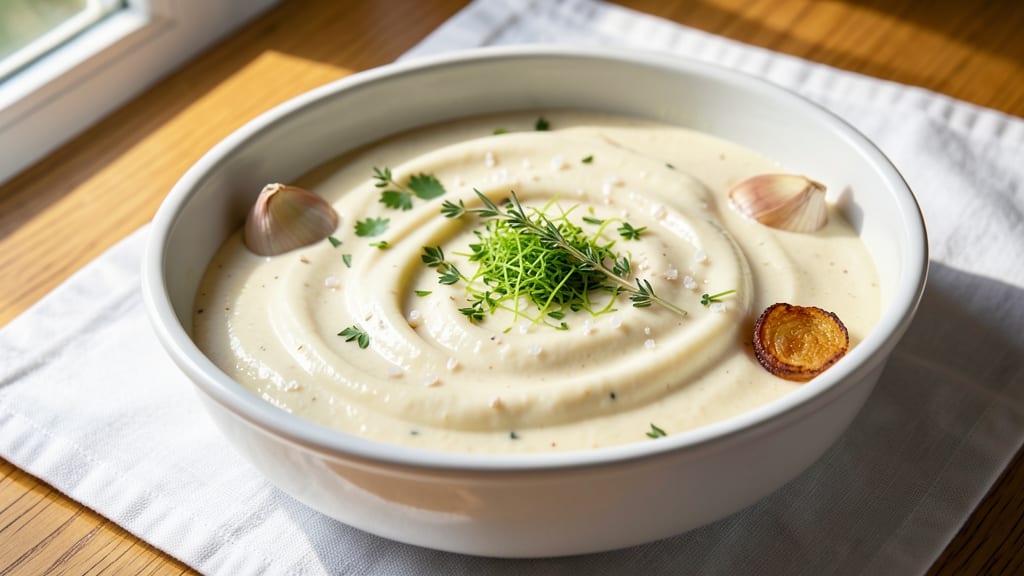
This authentic white sauce recipe transforms ordinary dishes into restaurant-quality masterpieces—creamy, velvety, and built on a foolproof roux foundation. The key lies in slow-cooked butter and flour, which forms the backbone of sauces like béchamel, velouté, or even cheese-based creations.
I’ve perfected this technique over years of testing, ensuring it never breaks or separates, even when reheated.
The process is simpler than it sounds: melt butter, whisk in flour to form a smooth paste, then gradually add warm milk while stirring constantly. This simple yet critical step prevents lumps and creates a sauce so rich it elevates mac and cheese, pasta, or grilled meats.
Seasoning is flexible—garlic, herbs, or even a touch of nutmeg can transform this base into something entirely new.
What you’ll achieve is a silky, flavorful sauce that coats every bite, whether drizzled over roasted vegetables or layered in a casserole. The beauty of this recipe is its adaptability—use it as-is for classic dishes or customize it with cheese, spices, or even a splash of lemon for brightness.
Once mastered, you’ll never buy store-bought sauce again.
Best of all, this sauce keeps well in the fridge for up to 5 days, making it perfect for meal prep. Let’s build this foundational sauce that will change the way you cook forever.
Ingredients for authentic white sauce
Nine simple ingredients unlocking restaurant-quality white sauce perfection—creamy, velvety, and built to last.
| Ingredient | Amount | Notes |
|---|---|---|
| Unsalted Butter 🧈 | ½ cup | Cold, cubed for even cooking |
| All-Purpose Flour 🌾 | ½ cup | Sifted for smooth texture |
| Whole Milk 🥛 | 2 cups | Warmed for silky sauce |
| Garlic Cloves 🧄 | 2 cloves | Minced for aromatic depth |
| Fresh Nutmeg 🌿 | ¼ tsp | Finely grated for warmth |
| Salt 🧂 | ½ tsp | Diamond Crystal preferred |
| White Pepper 🌶️ | ¼ tsp | Freshly cracked for subtle heat |
| Heavy Cream 🥛 | ½ cup | Optional for extra richness |
| Lemon Juice 🍋 | 1 tbsp | Freshly squeezed for brightness |
The butter and flour form the sauce's soul—unsalted butter gives the cleanest flavor, and all-purpose flour (not cake flour) creates a proper roux. Walmart or Kroger sell good-quality unsalted butter in the dairy aisle, but Land O'Lakes or Plugrá are my go-tos for reliability. For the flour, grab Gold Medal or Bob's Red Mill—they're consistent. The milk? Whole milk is ideal for richness, but 2% works in a pinch. Just warm it slightly before adding—cold milk will shock the roux and break it. And trust me, pre-shredded cheese won't work here—you need freshly grated for the best texture later.
No heavy cream? Skip it—this sauce is still luxurious. Fresh nutmeg is worth hunting down for that authentic warmth, but ground nutmeg works at double the amount. Short on garlic? Garlic powder at half the amount gets you close, but fresh is non-negotiable for depth. The lemon juice brightens everything—Meyer lemons if you can find them, but regular lemons work too. Pro tip: Toast your flour in the dry pan for 30 seconds before adding butter—this deepens the flavor. And if your sauce ever breaks? Just whisk in 1 tbsp cold water and keep stirring. It’ll come back together.
This sauce is a meal-prep dream—5 days in the fridge or 3 months frozen. For freezing, portion into ice cube trays with a splash of milk to prevent browning. Reheat gently on low, stirring constantly. The roux itself? Store the dry mix (flour + spices) in an airtight container for up to 3 months—just add butter and milk when ready. And if you're making mac and cheese? Double the sauce—you'll thank me later. The leftovers? Perfect for dipping bread or tossing with roasted veggies.
Why You'll Love This Recipe
- Four-Ingredient Foundation: I keep a jar of this in my fridge—just butter, flour, milk, and a splash of garlic. Honestly, it’s the secret to half my meals, and I never have to stress over measurements.
- Nutmeg Magic: That tiny pinch of fresh nutmeg? It’s the difference between "good" and "oh my god, why didn’t I do this sooner." Warm, earthy, and just a little luxurious without breaking the bank.
- Weeknight Wonder: Dinner parties? Pasta nights? Even reheated chicken. This sauce clings to everything—no fancy techniques, just a whisk and patience. I’ve served it to skeptics who now ask for seconds.
- Budget Stretch: A single batch feeds my family for three meals. The milk and butter stretch further than store-bought sauces, and the garlic keeps it from tasting flat. My wallet thanks me every time.
Step-by-step instructions for authentic white sauce
Here's how to build a rich, velvety white sauce that forms the soul of classic mac and cheese.
Create the Perfect Roux
In a medium saucepan over medium-low heat, melt the 0.5 cup unsalted butter until it's completely liquid but not browned. Add the 0.5 cup all-purpose flour all at once and whisk vigorously for 2-3 minutes until the mixture turns a pale golden color and smells nutty. This is your roux—the foundation of your sauce—and it needs constant attention to prevent burning.
I like to use a wooden spoon for this step because it helps distribute the flour evenly and prevents hot spots. The roux should thicken noticeably but still coat the back of a spoon smoothly. If it darkens too quickly, reduce the heat immediately—you're aiming for a light blonde color, not brown. This roux will form the creamy backbone of your sauce, so take your time here.
Gradually Incorporate Warm Milk
Slowly pour in the 2 cups whole milk while whisking continuously to prevent lumps from forming. I add it in a thin, steady stream—about ¼ cup at a time—letting each addition fully incorporate before adding more. Keep the heat at medium-low throughout this process to avoid curdling.
Once all the milk is added, increase the heat to medium and continue whisking for 5-7 minutes until the sauce thickens enough to coat the back of a spoon. You'll notice the sauce transform from a thin liquid to a glossy, velvety consistency. This is where the magic happens—the milk's natural sugars caramelize slightly against the roux, creating that authentic depth of flavor you can't get with instant mixes.
Infuse with Aromatics and Seasonings
Reduce the heat to low and stir in the 2 cloves minced garlic, 0.25 tsp fresh nutmeg, 0.5 tsp salt, and 0.25 tsp white pepper. Let the sauce simmer gently for 3-4 minutes to allow the flavors to meld together. The nutmeg adds warmth, the garlic brings depth, and the white pepper contributes a subtle heat without the visual impact of black pepper.
Here's where I add the 1 tablespoon lemon juice—it brightens the sauce and cuts through the richness just enough to make it feel balanced. Taste and adjust seasoning if needed, remembering that the sauce will thicken more as it cools. The sauce should be smooth, velvety, and have a luxurious mouthfeel that coats your tongue beautifully.
Finish with Cream for Extra Richness (Optional)
For that restaurant-quality finish, stir in the 0.5 cup heavy cream and simmer for an additional 2-3 minutes on low heat. This step is optional but elevates the sauce from good to extraordinary. The cream adds a luxurious silkiness that makes this sauce perfect for special occasions or when you want to impress guests.
Remove the sauce from heat immediately after adding the cream—overcooking can cause it to curdle. If the sauce is too thick, whisk in 1-2 tablespoons of milk to reach your desired consistency. The final sauce should be smooth, glossy, and ready to coat your favorite pasta or vegetables perfectly.
Pro Tips For Making Authentic White Sauce
- STIR CONSTANTLY, LOW HEAT: I learned this the hard way—when you melt butter and flour together, the second you stop stirring, lumps form like stubborn weeds. Keep the heat low (medium-low at most) and move that spoon like you’re stirring soup for a picky toddler. The goal is a smooth, paste-like roux that won’t seize up when you add milk.
- GRATE NUTMEG FRESH: Pre-ground nutmeg tastes like sawdust and ruins the sauce. Use a microplane or fine grater to zest just a tiny pinch from the whole nutmeg—about ¼ teaspoon—and add it after the sauce thickens. It’ll brighten the flavor without overpowering, and the difference is night and day.
- WHISK IN MILK SLOWLY: Pouring milk too fast turns your sauce into glue. Start with ¼ cup at a time, whisking vigorously until smooth before adding more. If it looks curdled, you’ve gone too fast—just keep whisking, and it’ll come together. Patience here keeps the sauce creamy, not clumpy.
- MINCE GARLIC FINE: Chopped garlic burns and makes the sauce bitter. Use a knife to mince it into a paste (or pulse it in a food processor for 2 seconds) before cooking. Sauté it in the butter for 30 seconds—just until fragrant—so it adds aroma without overcooking. No one wants garlic-flavored glue.
Troubleshooting great authentic white sauce
Roux Turns Dark
If your roux darkens too quickly, it's burning—not ruined! Immediately reduce heat to low and whisk in 1-2 tbsp cold milk to cool it down. The key is patience: maintain medium-low heat and whisk constantly.
A properly made roux should be pale golden, not brown. For extra insurance, use a light-colored saucepan—it's easier to monitor color. 🌡️
Lumpy Sauce
Lumps happen when milk is added too quickly or the sauce isn't whisked enough. To fix it, immediately remove from heat and whisk vigorously for 1-2 minutes. For stubborn lumps, press them through a fine-mesh sieve or blend with an immersion blender.
Prevention is easier: add milk slowly (¼ cup at a time) while whisking continuously. A hand mixer on low speed works wonders for smoothness.
Sauce Too Thin
If your sauce is too thin, simmer it uncovered for 5-10 minutes on medium heat, stirring occasionally. The moisture will evaporate, thickening the sauce naturally. For instant thickening, mix 1 tbsp cornstarch with 1 tbsp cold water, then whisk it into the sauce.
Return to heat for 1-2 minutes until it reaches your desired consistency. Always taste as you go—seasonings may need adjustment after thickening.
Sauce Too Thick
Thick sauce is easily fixed by whisking in 1-2 tbsp warm milk until smooth. For a more dramatic change, add ¼ cup milk at a time, whisking constantly. If the sauce separates, whisk in 1 tbsp cold water and return to low heat, stirring until fully combined.
Remember, sauces thicken as they cool, so err on the slightly thinner side when hot. 💡
Broken Sauce
A broken sauce (with curdled bits) usually happens from overheating or adding cold ingredients too quickly. To salvage it, whisk in 1 tbsp cold water and return to low heat, stirring constantly until smooth.
For extra insurance, strain through a fine-mesh sieve to remove any remaining lumps. Prevention is key: keep heat at medium-low and add warm milk gradually.
Grainy Texture
Graininess often comes from using cold ingredients or not whisking enough. To fix it, strain the sauce through a fine-mesh sieve or blend with an immersion blender. For prevention, ensure all ingredients (especially milk) are warm before adding.
A hand mixer on low speed helps create a silky texture. If graininess persists, simmer the sauce uncovered for 5 minutes to evaporate excess moisture.
Nutrition facts
Frequently asked questions
Can I make this white sauce without a roux?
The roux is essential for authentic texture and flavor, but you can try a no-cook version by whisking ½ cup cold milk with ½ cup flour first, then adding ½ cup melted butter. However, this won't develop the same depth of flavor or velvety consistency. For best results, stick with the traditional roux method.
What's the difference between béchamel and this white sauce?
This recipe is essentially a classic béchamel sauce—just with extra aromatics like garlic and nutmeg. Traditional béchamel uses only butter, flour, and milk, while this version adds garlic, lemon, and white pepper for more complexity. Both work perfectly for mac and cheese or pasta!
Can I substitute cream cheese for the roux?
Not for this authentic recipe—cream cheese creates a different texture and flavor profile. The roux provides the proper foundation for a smooth, velvety sauce. However, you can add ½ cup cream cheese to the finished sauce for a cheesy variation, stirring until fully melted over low heat.
Why does my sauce separate when reheating?
This happens when the sauce is heated too quickly or with too much moisture. To fix it, whisk in 1 tablespoon cold water and return to low heat, stirring constantly until smooth. For prevention, reheat gently on low-medium heat, adding just enough water to loosen if needed.
What are the best dishes to use this sauce for?
This versatile sauce elevates classic dishes like mac and cheese, creamy pasta (fettuccine alfredo), and grilled chicken. It also works beautifully as a dip for roasted vegetables or as a topping for baked potatoes. For extra richness, stir in ½ cup grated parmesan at the end!