
Sauces & Condiments
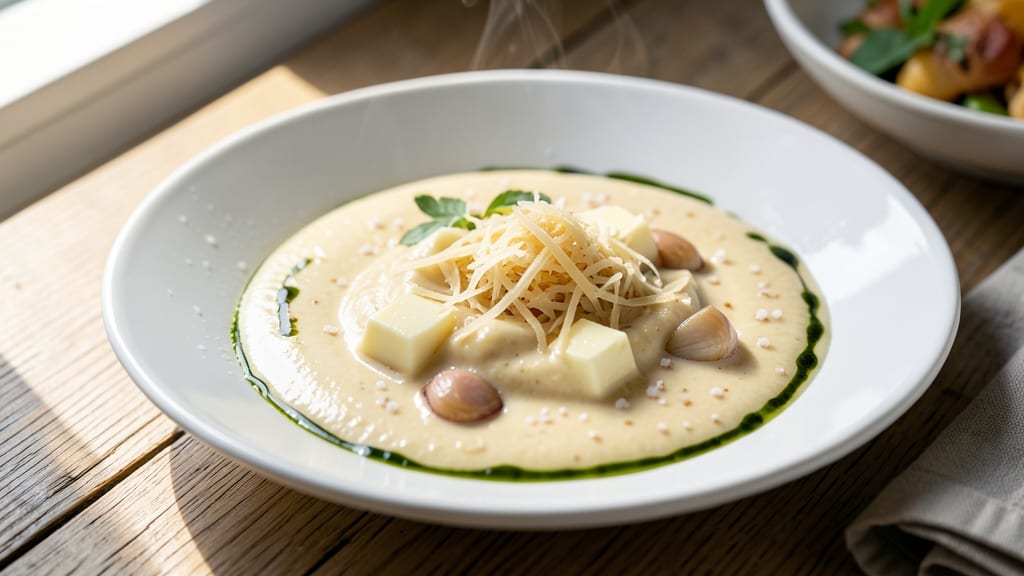
This Alfredo sauce recipe with milk and butter delivers the creamy, velvety texture you crave without a single lump in sight. The secret lies in proper technique—cooking the butter slowly to create a smooth base before gradually adding milk and Parmesan.
I’ve perfected this method over years of testing, ensuring every spoonful is rich, velvety, and restaurant-quality.
The foundation of this sauce is simple: equal parts milk and butter, combined with garlic and Parmesan for depth. No roux or flour is needed—just patience and gentle heat to emulsify the sauce perfectly.
The result? A sauce so smooth it coats pasta like a dream, with just enough savory richness to complement any dish.
What sets this recipe apart is its versatility. Toss it with fettuccine for a classic Italian meal, drizzle it over grilled chicken or seafood, or even use it as a creamy dip. The sauce stays silky even after reheating, making it ideal for meal prep or last-minute dinners.
Ready in just 15 minutes, this sauce requires minimal effort but maximum flavor. The key is low and slow cooking to prevent curdling, ensuring a creamy finish every time. Once you try this method, you’ll never go back to store-bought again.
Ingredients for alfredo sauce recipe with milk and butter
Eight ingredients transform into restaurant-quality Alfredo sauce without lumps or flour.
| Ingredient | Amount | Notes |
|---|---|---|
| Unsalted Butter 🧈 | ¾ cup | Cold, cut into small cubes |
| Whole Milk 🥛 | ¾ cup | Room temperature preferred |
| Parmesan Cheese 🧀 | 1 cup | Freshly grated from block |
| Garlic Cloves 🧄 | 3 cloves | Minced, not powdered |
| Extra-Virgin Olive Oil 🫒 | 1 tbsp | For finishing, optional |
| Salt 🧂 | ½ tsp | Diamond Crystal preferred |
| Black Pepper 🌶️ | ¼ tsp | Freshly cracked |
| Fresh Basil Leaves 🌿 | ¼ cup | Chopped for garnish |
The butter is non-negotiable—use unsalted for better flavor control. European-style butter like Plugrá or Kerrygold melts cleaner than American brands. Keep it cold when adding to the pan to prevent immediate browning. For the milk, whole milk works best**—it's richer and emulsifies better than reduced-fat. The Parmesan? Grate it yourself from a wedge—pre-grated contains anti-caking agents that make the sauce grainy. If you're short on time, Parmigiano-Reggiano from the deli counter is worth the splurge for this recipe.
No unsalted butter? European-style salted butter works—just omit the salt in the recipe. Milk too warm? Chill it for 10 minutes before using. Fresh garlic is essential here—garlic powder lacks the depth—but if you're in a pinch, use half the amount of powder. For a dairy-free version, substitute full-fat coconut milk—the sauce will be slightly lighter but still creamy. The olive oil is optional but adds a lovely finish; use a fruity, extra-virgin variety—none of that cheap canola oil nonsense. And if you hate chopping basil, dried oregano at one-third the amount** works in a bind.
This sauce is best made fresh but reheats beautifully—just warm gently on low heat with a splash of milk to restore creaminess. Stores for 4-5 days in the fridge—cover with plastic wrap pressed directly on the surface to prevent a skin. For longer storage, freeze in ice cube trays—thaw and whisk back to silky perfection. The sauce thickens as it cools, so add a splash of warm milk** if it seems too stiff when reheating. Garnish with fresh basil right before serving—it wilts fast under heat.
Why You'll Love This Recipe
- Here’s what sold me: the milk and butter create this velvety, almost indulgent texture, but the Parmesan keeps it bright. It’s not drowning in cream—just enough richness to make fettuccine taste like a hug. (Yes, even on a Tuesday night.)
- No Chopping Needed: I swear by this sauce because it’s one of those rare recipes where you just melt instead of mince. A few cloves of garlic get a quick toss in olive oil—no peeling, no fuss—just toast until golden. The butter and milk handle the rest while you’re still deciding what to pair it with.
- Rich Without the Heavy: Here’s what sold me: the milk and butter create this velvety, almost indulgent texture, but the Parmesan keeps it bright. It’s not drowning in cream—just enough richness to make fettuccine taste like a hug. (Yes, even on a Tuesday night.)
- Leftovers That Still Shine: This sauce actually improves the next day. I’ll be real: I make a double batch on Sundays because the flavors meld beautifully, and it reheats like a dream. Toss it with roasted veggies or leftover chicken—still tastes like you slaved over it.
Step-by-step instructions for creamy Alfredo sauce
This method delivers a perfectly smooth, velvety sauce every time—no lumps, no curdling.
Melt Butter and Infuse with Garlic
In a medium saucepan over medium-low heat, add the 0.75 cup unsalted butter cut into small cubes. Let it melt completely, then reduce heat to low and add the 3 minced garlic cloves. Cook for 1-2 minutes until the garlic becomes fragrant but doesn't brown—this prevents bitterness and ensures a subtle garlic flavor throughout.
Here's the thing—if you let the garlic brown, it will overpower the delicate cheese notes. Stir constantly during this step to distribute the garlic evenly. The butter should foam gently but not bubble vigorously, which would indicate too high heat.
Gradually Add Milk for Smooth Emulsion
Slowly pour in the 0.75 cup whole milk while whisking continuously with a wire whisk. The key is patience—adding milk too quickly creates lumps. Start with a few tablespoons at a time, letting each addition fully incorporate before adding more. This gradual process creates a stable emulsion that prevents separation later.
Once all the milk is incorporated, increase heat to medium-low and let the mixture simmer gently for 3-4 minutes. You're looking for a smooth, creamy consistency with no visible lumps. If you see any, immediately reduce heat and whisk vigorously until smooth again.
Incorporate Cheese for Rich Flavor
Lower heat to low and begin adding the 1 cup freshly grated Parmesan cheese in small increments. I use about 2 tablespoons at a time, whisking vigorously after each addition until fully melted. This gradual approach prevents clumping and ensures even distribution of the cheese's intense flavor.
Real talk: don't walk away. Parmesan melts quickly and can create a thick paste if you're not attentive. The sauce should become noticeably thicker and develop a golden hue as the cheese melts completely. If it starts to look too thick, add 1 tablespoon milk at a time to adjust consistency.
Season and Finish with Fresh Herbs
Remove the sauce from heat and stir in the 0.5 teaspoon salt and 0.25 teaspoon freshly cracked black pepper. Taste and adjust seasoning—you might need a bit more salt to balance the richness, especially if using freshly grated cheese. The sauce should be well-seasoned but not overly salty.
For finishing, stir in the 0.25 cup chopped fresh basil leaves and the 1 tablespoon extra-virgin olive oil (if using). The basil adds bright, fresh contrast to the rich cheese sauce. If you prefer a smoother texture, strain the sauce through a fine-mesh sieve to remove any remaining basil pieces.
Pro Tips For Making Alfredo Sauce Recipe With Milk And Butter
- Melt Butter Slowly: If you dump cold butter into the pan and walk away, you’re setting yourself up for a greasy mess. Instead, melt it over medium-low heat—just until it’s fully liquid but not yet foaming—then add your garlic. This keeps the sauce from separating later, and you’ll avoid that burnt-butter bitterness that ruins everything.
- Grate Parmesan Fresh: Pre-shredded Parmesan is coated with anti-caking agents that turn your sauce into a grainy disaster. Grab a microplane or fine grater and work fast—it’s more effort now, but the flavor pays off immediately. If you’re in a pinch, use a food processor, but pulse it just until it’s powdery, not paste-like.
- Simmer, Don’t Boil: The second you add milk, the heat should drop to a gentle simmer—tiny bubbles, no splashing. Boiling curdles the milk and turns your creamy sauce into a lumpy, sad puddle. If it starts to foam, pull it back with a spoon and adjust the heat. Patience here makes all the difference.
- Finish with Olive Oil: Stir in a tablespoon of extra-virgin olive oil at the very end—yes, even if the recipe doesn’t say so. It cuts through the richness of the butter and milk, adding brightness and preventing the sauce from feeling heavy. Trust me, your pasta will taste like it came from a restaurant.
Wine and beer pairings for alfredo sauce recipe with milk and butter
Classic Italian Whites
For an authentic pairing, reach for Italian white wines like Pinot Grigio from Friuli or Vermentino from Sardinia. Their crisp acidity and citrus notes cut through the richness of the Alfredo sauce beautifully.
I love a chilled glass of Soave Classico—its almond and pear flavors complement the buttery cheese notes without overpowering them. 🍷
Crisp Lager Pairings
A crisp Italian lager like Peroni or Moretti is my go-to beer pairing. The light, refreshing carbonation cleanses your palate between bites of creamy pasta. For a craft option, try a Belgian witbier like Hoegaarden, which adds a subtle spicy note from coriander.
Avoid heavy IPAs—they'll clash with the delicate sauce.
Rich Red Alternatives
If you prefer red wine, opt for light-bodied options like Chianti Classico or Valpolicella. Their bright acidity and cherry notes stand up to the sauce's richness. I especially love a glass of Lambrusco—its slight effervescence makes it surprisingly refreshing with creamy dishes.
Just avoid heavy Cabernets or Syrahs that would overpower the delicate flavors. 🍷
Non-Alcoholic Options
For a non-alcoholic pairing, try San Pellegrino Aranciata—its blood orange flavor adds a lovely contrast to the creamy sauce. Sparkling water with a squeeze of lemon also works well, especially if you add a pinch of salt to mimic the sauce's savory depth.
For something more substantial, a sparkling apple cider**—like Martinelli's—brings a crisp, fruity balance.
Seasonal Wine Adjustments
In summer, I reach for a chilled Sauvignon Blanc from New Zealand—its zesty lime notes refresh the palate. For winter meals, a warmer, oaked Chardonnay from California adds richness that complements the sauce's buttery texture.
The key is matching the wine's body to the dish's temperature—cold wines with cold pasta, fuller wines with warm dishes. ✨
Nutrition facts
Frequently asked questions
Why does my Alfredo sauce get lumpy even with slow cooking?
Lumps usually happen when milk or cheese is added too quickly. The fix? Always whisk continuously while adding ingredients, and use small increments (like 2 tablespoons of cheese at a time). Also, ensure your milk is room temperature—cold milk can cause separation. If lumps appear, immediately reduce heat and whisk vigorously until smooth.
Can I make this sauce without butter?
While butter creates the signature richness, you can substitute with olive oil or coconut oil—though the texture will be lighter. For a dairy-free version, use full-fat coconut milk instead of milk, but reduce to 0.5 cup to maintain balance. The sauce will still be creamy but less decadent.
How do I prevent the sauce from separating when reheating?
Add a splash of warm milk (about 1 tablespoon) and whisk vigorously while heating on low heat. Never microwave—it causes uneven heating that breaks the emulsion. For best results, reheat only until warmed through, then whisk again before serving. Store leftovers with plastic wrap pressed directly on the surface to prevent a skin.
What's the best pasta shape for Alfredo sauce?
Classic fettuccine or tagliatelle work perfectly—their flat surfaces coat beautifully. For extra texture, try pappardelle or linguine. Avoid thick shapes like rigatoni, as they hold too much sauce and can make the dish feel heavy. Pro tip: Toss the sauce with hot, drained pasta—the residual starch helps thicken it naturally.
Can I make this sauce ahead of time?
Yes! Store it in an airtight container in the fridge for 4-5 days. To reheat, warm gently on low heat with a splash of milk. For longer storage, freeze in ice cube trays—thaw and whisk back to silky texture. The sauce actually improves overnight as flavors meld, but it may thicken slightly—adjust with warm milk if needed.