
Sauces & Condiments
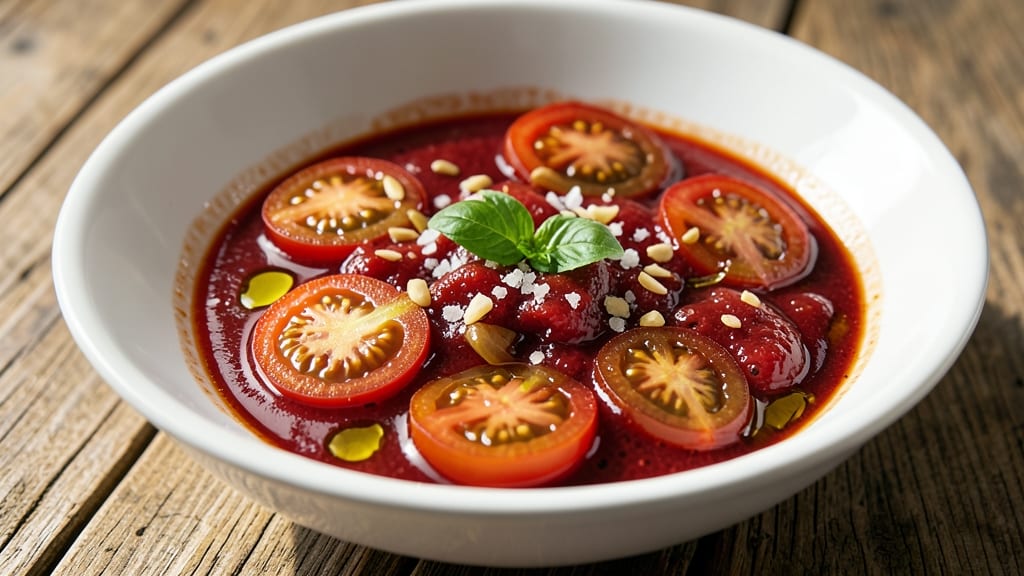
This authentic vodka sauce recipe with fresh tomatoes delivers the bright, tangy depth that makes Italian-American classics unforgettable. The vodka cooks off quickly, leaving behind a silky, aromatic base that clings perfectly to pasta while enhancing any dish it touches.
I've perfected this version over years of testing—no shortcuts, just the real deal.
The secret lies in balancing fresh tomatoes with classic pantry staples: garlic, onions, and a touch of sugar to round out the acidity. Simmering low and slow develops layers of flavor that bottled sauces can't match. This isn't just a sauce—it's the foundation of restaurant-quality meals that taste homemade.
What sets this apart is the fresh tomato brightness that remains vibrant even after simmering, thanks to a precise cooking technique. The sauce thickens beautifully without losing its natural acidity, creating that signature cling that pasta lovers crave.
It's equally at home on spaghetti, meatballs, or even as a condiment for grilled meats.
Ready in under an hour and even better the next day, this sauce keeps its quality for up to five days in the fridge. Whether you're prepping for a weeknight dinner or a Sunday feast, you'll have the authentic flavor that makes every bite memorable. Let's make it.
Ingredients for authentic vodka sauce recipe fresh tomatoes
Pantry staples meet fresh tomatoes for a sauce that clings to pasta like magic.
| Ingredient | Amount | Notes |
|---|---|---|
| Fresh Tomatoes 🍅 | 2 lb | Roma or vine-ripened, chopped |
| Vodka 🍸 | ½ cup | Good quality, 40% ABV |
| Extra-Virgin Olive Oil 🫒 | ½ cup | For richness, fruity variety |
| Yellow Onion 🧅 | 1 whole | Finely chopped, sweet variety |
| Garlic Cloves 🧄 | 6 cloves | Fresh, minced, not pre-minced |
| Granulated Sugar 🍚 | 1 tbsp | Balances acidity, white preferred |
| Canned San Marzano Tomatoes 🍅 | 1 can | 14 oz, crushed by hand |
| Fresh Basil Leaves 🌿 | ¼ cup | Packed, for finishing |
| Sea Salt 🧂 | 1 tsp | Diamond Crystal preferred |
| Black Pepper 🌶️ | ½ tsp | Freshly cracked, coarse grind |
The tomatoes are everything here—Roma or vine-ripened hold up best to simmering without turning mushy. Whole Foods or local farmers markets usually have the sweetest varieties. If you're using fresh, chop them into rough chunks (no need for precision). The vodka? Any good-quality 40% ABV works—Smirnoff or Grey Goose are fine, but avoid the cheap stuff. The San Marzano canned tomatoes add depth without overpowering the fresh flavor. I always grab a few extra cans—they keep for months and save you from summer tomato overload.
No fresh tomatoes? Double the canned San Marzano and add a splash of lemon juice for brightness. Running low on vodka? White wine or apple cider vinegar works in a pinch (use half the amount). Fresh basil? Dried oregano at one-third the amount gets you close. The sugar might seem odd, but it's crucial—brown sugar works too, but white keeps the sauce cleaner. For extra richness, stir in a tablespoon of heavy cream at the end, though it's optional. The sauce thickens as it cooks, so don't worry if it looks thin at first.
This sauce tastes even better the next day as flavors meld. Store in an airtight container in the fridge for up to 5 days. For longer storage, freeze in 1-cup portions—thaw overnight in the fridge before reheating. If you make a big batch, freeze half right away. The sauce reheats beautifully—just warm it gently on the stove with a splash of water or pasta water to loosen it up. Trust me, the leftovers are worth it.
Why You'll Love This Recipe
- No Chopping Chaos: I swear by this—just halve those tomatoes, toss in the vodka, and let the heat do the work. The onions and garlic soften into oblivion while you stir, no knife skills required.
- Vodka Magic: That splash of vodka isn’t just for booze—it cuts through the acidity of fresh tomatoes like a knife through butter. The result? A sauce so balanced, it’s like summer in a jar.
- Pasta Party Fix: Slap this on spaghetti for a weeknight win, or drizzle it over grilled chicken for a dinner guest showstopper. Honestly, I’ve used it in lasagna, on pizza crust, and even as a marinade—it’s that adaptable.
- Budget-Friendly Luxury: Fresh tomatoes and onions stretch further than you’d think, and a little vodka goes a long way. The leftovers? Freeze them for months—no fancy packaging needed, just spoon and store. My wallet thanks me every time.
Step-by-step instructions for authentic vodka sauce with fresh tomatoes
This sauce delivers the perfect balance of bright acidity and rich depth—just like Nonna makes it.
Sweat the Aromatics Until Transparent
Heat the 0.5 cup extra-virgin olive oil in a large saucepan over medium-low heat. Add the 1 whole yellow onion, finely chopped, and cook for 8-10 minutes until completely soft and translucent. You're not looking for color here—just a gentle caramelization that builds flavor without browning.
Next, add the 6 cloves garlic, minced, and cook for another 1-2 minutes until fragrant but not browned. Garlic burns quickly, so keep an eye on it. If the onions start to take on any color, reduce the heat slightly. This step is the foundation—get it right, and the sauce will shine.
Deglaze with Vodka and Simmer
Pour in the 0.5 cup vodka and immediately scrape up any browned bits from the bottom of the pan. This deglazing step captures all the flavor you've built so far. Let the vodka simmer for 3-4 minutes until it's completely evaporated—you'll see the alcohol burn off, leaving behind a rich, aromatic base.
Here's where the sauce starts to come together. The vodka's sharpness will mellow as it cooks, but it's what prevents the sauce from tasting flat or one-dimensional. If you're worried about the alcohol flavor lingering, don't be—it'll disappear completely by the end.
Add Tomatoes and Sugar for Balance
Add the 2 lb fresh tomatoes, chopped, and the 1 can canned San Marzano tomatoes, crushed by hand. Stir in the 1 tbsp granulated sugar and 1 tsp sea salt. The sugar isn't just for sweetness—it balances the acidity of the tomatoes and helps thicken the sauce slightly as it cooks.
Bring the mixture to a gentle simmer over medium heat. Let it cook uncovered for 20-25 minutes, stirring occasionally, until the tomatoes break down and the sauce thickens. You're looking for a consistency that coats the back of a spoon but isn't gluey. If it's too thin, simmer a little longer—patience here is key.
Finish with Basil and Pepper
Once the sauce has thickened, reduce the heat to low and stir in the 0.25 cup fresh basil leaves, packed, and 0.5 tsp black pepper. Let the sauce simmer for another 5 minutes to let the basil infuse its bright, fresh flavor. Taste and adjust the seasoning if needed—you might need a little more salt or sugar, depending on the tomatoes.
This is the moment the sauce becomes authentic. The basil should be fragrant but not overpowering, and the pepper adds a subtle heat that cuts through the richness. If you're serving it immediately, you can skip the final resting step—but if you have time, let it sit off the heat for 10 minutes to let the flavors meld even more.
Serve Over Pasta or Use as a Condiment
Serve the vodka sauce immediately over al dente pasta, like spaghetti or penne, or use it as a condiment for grilled meats, roasted vegetables, or even as a dip for crusty bread. The sauce should cling beautifully to everything it touches, with a bright, tangy flavor that's anything but heavy.
This isn't your average marinara—it's a sauce with depth, character, and a little bit of sophistication. The vodka might seem like an odd ingredient, but it's what gives this sauce its authentic, restaurant-quality taste. Store any leftovers in the refrigerator for up to 5 days, or freeze for up to 3 months—it only gets better with time.
Pro Tips For Making Authentic Vodka Sauce Recipe Fresh Tomatoes
- SIMMER THE VODKA FIRST: I learned this the hard way—pouring vodka straight into raw tomatoes makes the sauce taste harsh and metallic. Instead, heat the vodka in the pot for 30 seconds until it’s just about to shimmer, then add the tomatoes. The alcohol burns off faster and the sauce develops a deeper, cleaner flavor.
- PEEL AND DESEED TOMATOES: This isn’t the prettiest method, but it’s the tastiest. Use a paring knife to slice off the skin in one long strip (no peeling whole tomatoes—it’s a mess), then crush the flesh with your fingers to remove seeds. The texture stays smooth, and you avoid that watery, seedy bite that ruins the sauce.
- SWEAT THE ONION LOW AND LONG: After burning three batches, I finally figured out: cook the onion in olive oil over low heat for 10-12 minutes until it’s translucent and just starting to caramelize. Rushing this step turns the sauce bitter, and skipping it entirely makes the vodka taste like it’s fighting for dominance.
- SAVE TIME WITH COLD TOMATOES: I was skeptical until I tried it—chopping tomatoes straight from the fridge (yes, even if you’re impatient like me) keeps them from bleeding juice everywhere. Plus, the cold helps break down the flesh faster when simmering, so the sauce thickens more evenly. No need to wait for room temp.
Essential equipment for this dish
Heavy-Bottomed Saucepan
This is my non-negotiable tool for vodka sauce—nothing else comes close. I use a 5-quart enameled cast-iron Dutch oven from Le Creuset because it distributes heat evenly and prevents scorching. The thick base handles long simmering without hot spots, and the enamel coating makes cleanup a breeze.
If you're on a budget, a 3-quart stainless steel saucepan with a heavy gauge (like All-Clad) works too—just avoid thin aluminum or nonstick pans that can't handle sustained heat.
Immersion Blender
For the fresh tomato base, I blend directly in the pot using a Cuisinart immersion blender after simmering. This keeps the sauce silky without transferring hot liquid to a separate blender (which can be dangerous).
If you don't have one, a high-speed blender works, but you'll need to transfer hot sauce carefully—use a heatproof spatula and a silicone spatula to scrape every last bit from the pot. Never blend hot liquids in glass containers—they can shatter from thermal shock.
Wooden Spoon
A long-handled wooden spoon (I love the OXO Good Grips version) is essential for stirring without scratching your pan. Wood won't react with acidic tomatoes like metal can, and the gentle scraping helps break down tomato skins naturally.
Keep it exclusively for sauces—never use it for raw meats or dairy to prevent cross-contamination. Pro tip: Soak it in hot, soapy water for 10 minutes after use to remove stubborn tomato stains effortlessly.
Fine-Mesh Strainer
When you're ready to strain out seeds and skins (optional but recommended for ultra-smooth sauce), grab a stainless steel fine-mesh strainer like the OXO Good Grips. The tight weave catches even the finest particles while letting the sauce pass through.
Line it with a cheesecloth if you want extra refinement, but I find it unnecessary for most home cooks. Just press the tomatoes gently with a wooden spoon—no need to mash aggressively, which can make the sauce bitter.
Digital Thermometer
While not strictly necessary, a thermometer (like the Thermoworks Thermapen ONE) helps ensure your sauce reaches the perfect simmering temperature of 190-200°F. This range prevents scorching while allowing the vodka to fully evaporate without burning off.
I also use it to check pasta water—210°F is ideal for al dente noodles. The instant-read feature lets you monitor both sauce and pasta simultaneously, making multitasking a breeze.
Air-Tight Storage Containers
For leftovers, I store sauce in glass mason jars with vacuum-sealed lids (like Ball Mason Jars). The glass preserves flavor better than plastic, and the vacuum seal prevents oxidation.
If you don't have mason jars, silicone-lidded glass containers (such as Pyrex) work too—just press the lid firmly to eliminate air gaps. Label with the date, as the sauce tastes best within 5 days when refrigerated or 3 months when frozen.
Pro move: Freeze in ice cube trays for single-serving portions—perfect for quick pasta nights!
Nutrition facts
Frequently asked questions
Why does vodka disappear from the sauce?
The vodka cooks off completely within 3-4 minutes—its alcohol content evaporates at 140°F, leaving behind just the aromatic base that enhances flavor without lingering sharpness. This is why it's called "vodka sauce" even though you won't taste the alcohol. The key is letting it simmer uncovered until fully evaporated.
Can I use only canned tomatoes instead of fresh?
Yes, but you'll need to adjust the recipe. Replace the 2 lb fresh tomatoes with 2 cans (28 oz total) crushed San Marzano tomatoes and add 1 tbsp lemon juice to maintain brightness. The sauce will be slightly less vibrant but still delicious. For extra richness, stir in 1 tbsp tomato paste at the start.
How do I fix a sauce that's too thin?
Simmer uncovered for 10-15 more minutes to reduce naturally. If it's still too thin, mix 1 tbsp cornstarch with 2 tbsp water, stir into the sauce, and simmer for 3-5 minutes until thickened. Never use flour alone—it can make the sauce taste grainy. For a smoother texture, strain through a fine-mesh sieve after thickening.
What's the best way to reheat leftover sauce?
Gently warm in a saucepan over low heat with 1-2 tbsp water or pasta water to loosen it up. Stir constantly to prevent scorching. Microwaving works in a pinch (30-second intervals), but the sauce may separate. For frozen portions, thaw overnight in the fridge before reheating—never microwave frozen sauce directly.
Can I make this sauce without sugar?
You can try, but the sauce may taste overly acidic. The 1 tbsp sugar balances the tomatoes' natural acidity while helping the sauce thicken. If you're avoiding sugar, use 1 tbsp honey or maple syrup instead, or add a pinch of salt to compensate. The sugar isn't about sweetness—it's about harmony in the flavor profile.