
Sauces & Condiments
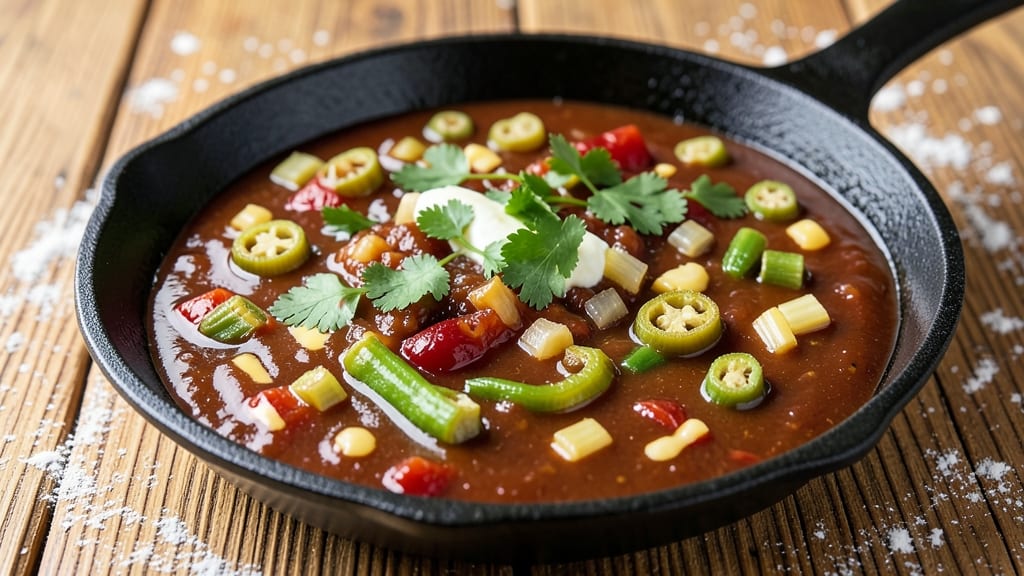
This Atchafalaya sauce recipe brings the soul of Louisiana to your kitchen with its rich, smoky depth—perfect for gumbo, étouffée, or even as a bold pasta sauce.
The secret lies in the slow-cooked roux, where onions, bell peppers, and celery form the holy trinity, while okra and tomatoes create that signature velvety texture. I’ve perfected this over years of Cajun cooking, ensuring every spoonful delivers authentic flavor without bitterness.
The sauce starts with a dark roux—cooked low and slow until it reaches a deep mahogany color—before adding stock, tomatoes, and a medley of spices like thyme, bay leaf, and cayenne.
Okra binds the sauce naturally, giving it that signature thickness without gums. This isn’t just a sauce; it’s a flavor journey, balancing heat, acidity, and umami in every bite.
Once complete, the sauce transforms simple dishes into restaurant-quality meals. It keeps well in the fridge for up to a week or freezes for months, making it ideal for batch cooking.
Whether you’re simmering it for hours or using it as a quick base, the result is a sauce that’s bold, balanced, and brimming with Cajun character. Ready to elevate your cooking?
For extra depth, consider adding a splash of seafood stock or smoked paprika. Vegetarian? Swap the stock for vegetable broth and boost the umami with mushrooms or miso paste. This sauce is versatile enough to adapt while staying true to its roots.
Ingredients for atchafalaya sauce
Here's what you'll need to create this bold, smoky Atchafalaya sauce with Cajun character.
| Ingredient | Amount | Notes |
|---|---|---|
| Butter 🧈 | ½ cup | Unsalted, for dark roux |
| Yellow Onion 🧅 | 1 whole | Diced, medium size |
| Green Bell Pepper 🍅 | 1 whole | Diced, any color |
| Celery Stalk 🥬 | 2 whole | Diced, fresh preferred |
| Okra Pods 🌱 | 1 lb | Fresh or frozen, sliced |
| Canned Crushed Tomatoes 🍅 | 1 can | 28 oz, San Marzano if possible |
| Chicken Stock 💧 | 3 cups | Low-sodium preferred |
| Fresh Thyme Leaves 🌿 | 1 tbsp | Or 1 tsp dried thyme |
| Bay Leaves 🌿 | 2 whole | Fresh or dried |
| Cayenne Pepper 🔥 | ½ tsp | Adjust for heat preference |
| Garlic Cloves 🧄 | 4 cloves | Minced, fresh preferred |
| Smoked Paprika 🌶️ | 1 tsp | For extra depth |
| Salt 🧂 | 1 tsp | Kosher or sea salt |
| Black Pepper 🌶️ | ½ tsp | Freshly ground preferred |
The roux is where the magic happens. Unsalted butter is a must—it gives that rich, nutty base without salt interference. Grab a yellow onion, green bell pepper, and two celery stalks (the holy trinity) from the produce section, preferably fresh. Okra can be found in the frozen section at Walmart or Kroger if fresh isn't available—just thaw and slice. For the tomatoes, San Marzano cans from the Italian aisle are worth the splurge; they're sweeter and less acidic. Chicken stock? Store-brand usually works fine, but if you can, grab a high-quality one like Pacific Foods for deeper flavor.
No fresh thyme? Dried works at one-third the amount. Short on okra? Substitute 1/2 cup cornstarch for thickening, but the texture won't be the same. The smoked paprika is optional but adds that signature Cajun depth—Penzeys or Trader Joe's have great options. For heat, cayenne is traditional, but red pepper flakes work too. The garlic can be pre-minced from a jar (the good stuff, not the sad little containers), but fresh is always better. Want to make this vegetarian? Swap the chicken stock for vegetable broth and add 1/2 cup mushrooms for umami.
This sauce tastes even better the next day as flavors meld. Store in an airtight container in the fridge for up to 1 week or freeze for 3-4 months. I like to portion it into 1-cup containers so I can grab just what I need. If it thickens too much, stir in a splash of stock or water. For extra richness, stir in 1 tbsp butter before serving—trust me, it's worth it.
Why You'll Love This Recipe
- Here’s what sold me: that rich, velvety texture comes from butter and okra, not heavy cream. The bell pepper adds a bright, almost smoky sweetness that keeps it from tasting heavy—like a hug in a pot.
- No Chopping Nightmare: I swear, this sauce only needs three veggies—onion, bell pepper, celery—and they’re all chopped in minutes. The okra? Just tear those pods like lettuce. No knife skills required, just honest prep.
- Creamy Without Cream: Here’s what sold me: that rich, velvety texture comes from butter and okra, not heavy cream. The bell pepper adds a bright, almost smoky sweetness that keeps it from tasting heavy—like a hug in a pot.
- Pot Luck Hero: Between us, this sauce is my secret weapon for potlucks, tailgates, or when I’m too tired to plan. It doubles easy, reheats like a dream, and pairs with everything from grilled shrimp to cornbread—no one will guess it’s basically a soup base.
Step-by-step instructions for atchafalaya sauce
Here's how to build this rich, smoky Cajun sauce with okra's signature thickness and bold flavors.
Create the Dark Roux Foundation
Melt the 0.5 cup butter in a large Dutch oven over medium-low heat. Add the 1 whole yellow onion, 1 whole green bell pepper, and 2 whole celery stalk, all diced, and cook for 10 minutes until softened. This is called the "holy trinity" in Cajun cooking, and it's what gives the sauce its depth of flavor.
Now here's the key: reduce heat to low and whisk in the okra pods (sliced if fresh). Cook for 20 minutes, stirring frequently to prevent burning. The okra will begin to break down, releasing its natural gums that will thicken the sauce beautifully. Keep the heat low—you're building flavor, not color yet.
Build the Sauce Base
Add the 1 can crushed tomatoes, 3 cups chicken stock, 1 tbsp fresh thyme leaves, 2 whole bay leaves, 0.5 tsp cayenne pepper, 4 cloves garlic cloves (minced), 1 tsp smoked paprika, 1 tsp salt, and 0.5 tsp black pepper. Stir well to combine all ingredients. Bring to a gentle simmer over medium heat, then reduce heat to low to maintain a slow bubble.
Let it cook uncovered for 30 minutes, stirring occasionally. You'll notice the sauce gradually thickening as the okra releases its starch. This is where the magic happens—the flavors meld together, creating that authentic Cajun depth. If the sauce gets too thick before the 30 minutes are up, add a splash of water to keep it smooth.
Simmer for Maximum Flavor Development
Continue simmering uncovered for another 30-45 minutes until the sauce has reduced by about one-third and coats the back of a spoon. The aroma should be rich and smoky, with the okra's earthy notes blending perfectly with the tomatoes and spices. Taste and adjust seasoning—you might need a bit more salt or cayenne depending on your preference.
This long simmering time is crucial. It allows all the flavors to develop and intensify, creating that complex, layered taste that makes this sauce so special. The sauce should be thick enough to coat the back of a spoon but still pour smoothly—not gluey or overly thick.
Finish and Serve
Once the sauce reaches your desired consistency, remove the bay leaves and discard them. For a smoother texture, you can strain the sauce through a fine-mesh sieve, pressing gently with a spoon to extract all the flavorful liquid. This step is optional but gives you a silky finish if you prefer that texture.
Serve the atchafalaya sauce immediately over your choice of protein—it's perfect with shrimp, chicken, or even as a dip for crusty bread. The sauce should be warm, with a beautiful deep red color and a thick, velvety consistency. Each spoonful should deliver that perfect balance of smoky, spicy, and slightly sweet flavors that define Cajun cooking.
Pro Tips For Making Atchafalaya Sauce
- Cook Low and Slow: I learned this the hard way—atchafalaya sauce needs time to develop its depth. After rushing a batch and ending up with something thin and bitter, I now simmer it on low heat for at least 30 minutes, stirring occasionally. The butter will brown slowly, and the okra will release its natural thickening power without turning to mush.
- Chop Onions Thin: Thick onion slices? They’ll sit like rocks in your sauce. Dice the yellow onion into paper-thin pieces—this ensures even cooking and a smoother texture. (Pro move: Pulse them in a food processor for consistency, but don’t overdo it or you’ll lose that fresh, bright flavor.)
- Salt the Butter Early: Skip this, and your sauce will taste flat. Toss the butter with a generous pinch of salt right at the start—this seasoning carries through the entire dish. I used to add it later, and the flavor never felt balanced. (Yes, even if you’re using salted butter, double-check the label.)
- Skip the Okra If Needed: Does it look weird? Yes. Does it work? Every single time. If you’re short on time or hate slimy okra, swap it for a thick roux (equal parts butter and flour, cooked until nut-brown). The sauce will still thicken beautifully—just lose that classic gumbo texture. (I do this when I’m lazy, but the dish is noticeably better when I don’t.)
Flavor customization for this dish
Spice Level Control
Adjust the heat to your preference by tweaking the cayenne pepper. Start with ¼ tsp for mild heat, then increase to ½ tsp for medium, or add up to 1 tsp for a fiery kick.
For extra complexity, I sometimes add ½ tsp crushed red pepper flakes at the end for a smoky, charred depth. If you love ghost pepper heat, swap cayenne for ¼ tsp ghost pepper powder—just be warned, it’s intense! 🔥
Vegetarian Adaptations
Swap the chicken stock for vegetable broth and add ½ cup sliced mushrooms to boost umami. For extra richness, stir in 1 tbsp soy sauce or 1 tsp miso paste after simmering.
I’ve also had great success using seafood stock (if you’re okay with it not being fully vegetarian) to add depth without meat. The okra and tomatoes still provide the signature thickness and acidity, so the sauce stays true to its roots. 🌱
Smoky Depth Boosters
For a deeper smoky flavor, add 1 tsp liquid smoke or a ½ cup smoked chicken broth to the simmering sauce. Charred onions or bell peppers (quickly seared in a hot pan) also add incredible depth.
If you have access to a smoker, try finishing the sauce with a 10-minute smoke over applewood chips—it’s a game-changer for that authentic Cajun campfire taste. 🌶️
Okra Substitutes
If you can’t find okra, ½ cup cornstarch or 1 tbsp flour can thicken the sauce, but it won’t have the same earthy flavor. For a closer substitute, blend ½ cup cooked butternut squash into the sauce—it adds natural sweetness and thickness.
Another trick? Use 1 cup diced eggplant (sautéed first) for a richer, meatier texture. Just know the sauce won’t be as velvety as with okra. 🥕
Sweet & Tangy Balance
Brighten the sauce with 1 tbsp apple cider vinegar or 1 tsp balsamic vinegar to cut through the richness. For sweetness, stir in 1 tsp brown sugar or ½ cup diced pineapple (cooked down) to balance the heat.
I love adding a splash of orange juice at the end for a citrusy twist that pairs perfectly with seafood. The key is to add these adjustments at the very end to preserve their freshness. 🍊
Protein Pairings
This sauce shines with seafood like shrimp or crawfish, but it’s also fantastic with grilled chicken, pork chops, or even steak. For a vegetarian dish, toss it with grilled tofu or chickpeas.
If you’re making gumbo or étouffée, use the sauce as a base and layer in your protein of choice. For extra richness, stir in 1 tbsp butter or 2 tbsp heavy cream before serving. 🍤
Nutrition facts
Frequently asked questions
What makes Atchafalaya sauce different from other Cajun sauces?
This sauce stands out because of its okra-based thickening and the holy trinity (onions, bell peppers, celery) cooked into a deep, smoky roux. Unlike gumbo or étouffée bases, it’s designed to be a versatile sauce that can stand alone or enhance dishes with its velvety texture and balanced heat. The tomatoes and spices create a unique sweet-spicy profile that’s distinct from classic roux-based sauces.
Can I make Atchafalaya sauce without okra?
Yes! If you can’t find okra, use ½ cup cornstarch or 1 tbsp flour to thicken, but the texture won’t be as rich. For better flavor, try ½ cup cooked butternut squash or 1 cup diced eggplant (sautéed first). Just know the sauce will be slightly less velvety and more watery without okra’s natural gums.
How long can I store Atchafalaya sauce?
Store in an airtight container in the fridge for up to 1 week—it actually tastes better after flavors meld. For longer storage, freeze in 1-cup portions for up to 3-4 months. Thaw overnight in the fridge, and stir in a splash of water if it thickens too much. The sauce freezes beautifully and retains its bold flavors!
What’s the best way to reheat Atchafalaya sauce?
Reheat gently on the stove over low heat while stirring frequently to prevent scorching. If it thickens too much, add 1-2 tbsp water or stock to restore consistency. For extra richness, stir in 1 tbsp butter at the end. Avoid microwaving—it can make the sauce unevenly hot and potentially separate.
Is Atchafalaya sauce spicy? Can I make it milder?
The recipe includes ½ tsp cayenne for a medium heat, but you can adjust it! Start with ¼ tsp for mild, or skip it entirely for no heat. For depth without spice, add ½ tsp smoked paprika instead. If you love heat, try ½ tsp crushed red pepper flakes or a pinch of ghost pepper powder—just be warned, it’s intense!