
Sauces & Condiments
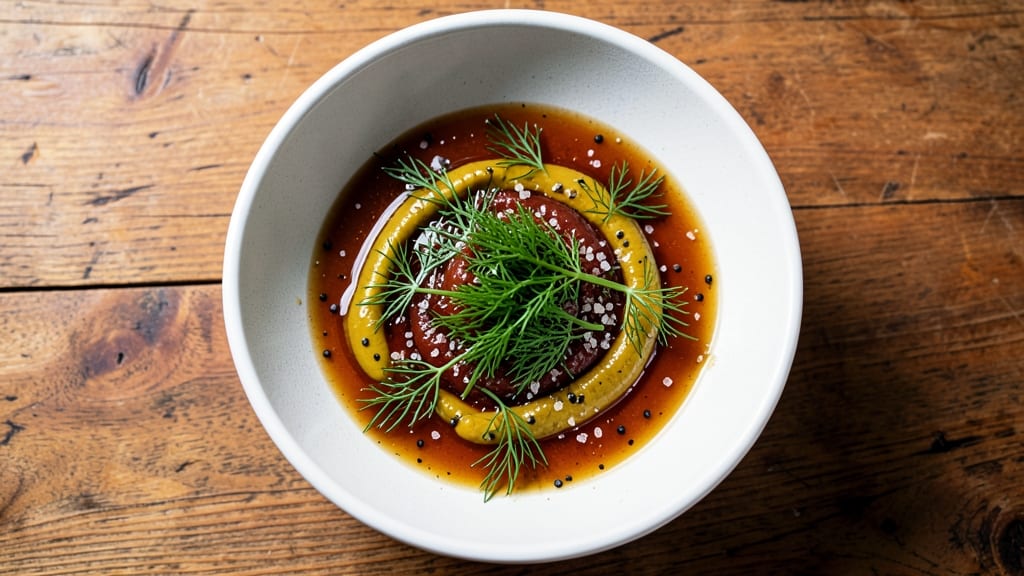
This apple cider vinegar sauce recipe transforms simple ingredients into a bright, tangy condiment that elevates everything from salads to dips. The balance of sharp vinegar, subtle sweetness, and aromatic herbs creates a versatile sauce that adds depth without overpowering.
I developed this recipe after searching for a dressing that could stand up to bold flavors while remaining light enough for fresh greens.
The magic lies in the combination of apple cider vinegar’s natural sweetness and acidity, paired with honey or maple syrup to soften the tang. Fresh herbs like dill or parsley add freshness, while a touch of Dijon mustard provides a subtle complexity.
This sauce keeps well in the refrigerator, making it perfect for meal prep—just shake before using to redistribute the flavors.
What makes this sauce truly special is its adaptability. Use it as a zesty salad dressing, a tangy dip for crudités, or even a finishing sauce for grilled meats.
The acidity cuts through richness, while the sweetness balances heat, creating harmony in every bite. It’s the kind of recipe that becomes a pantry staple once you try it.
Ready in just 10 minutes with 5 ingredients, this sauce delivers restaurant-quality results without the fuss. The key is letting it sit for at least 30 minutes before using—this allows the flavors to meld and intensify. Once you taste the difference, store-bought dressings won’t compare.
Ingredients for apple cider vinegar sauce
Five ingredients create a sophisticated, restaurant-quality sauce that transforms salads and dips.
| Ingredient | Amount | Notes |
|---|---|---|
| Apple Cider Vinegar 🍎 | ½ cup | Raw, unfiltered preferred for depth |
| Extra-Virgin Olive Oil 🫒 | ½ cup | Light, fruity variety for balance |
| Pure Maple Syrup 🍁 | ¼ cup | Grade A for subtle sweetness |
| Fresh Dill 🌿 | ¼ cup | Finely chopped, stems removed |
| Dijon Mustard 🍯 | 1 tbsp | High-quality, smooth variety |
| Kosher Salt 🧂 | ½ tsp | Diamond Crystal preferred |
| Fresh Parsley 🌿 | ⅛ cup | Optional, for additional freshness |
| Black Peppercorns 🌶️ | ¼ tsp | Freshly cracked for aroma |
The apple cider vinegar should be raw and unfiltered—brands like Bragg or Texas Pete deliver that authentic tang. For the olive oil, California avocado oil or Spanish extra-virgin adds a delicate flavor that won’t overpower the vinegar’s brightness. Maple syrup quality matters here: Grade A from Vermont ensures a clean, subtle sweetness without overpowering. Fresh herbs are non-negotiable—dill from the farmers market has the most vibrant flavor, but store-bought works if it’s bright green and not wilted. The Dijon mustard should be smooth, not coarse—Maille or Amoy are reliable choices.
No apple cider vinegar? White wine vinegar or lemon juice works in a pinch, though the flavor profile shifts slightly. Substituting maple syrup for honey? Use half the amount—honey’s intensity can overpower. Out of Dijon? Yellow mustard thinned with water mimics the texture, though the flavor won’t be identical. Fresh herbs too expensive? Dried dill at one-third the amount gets you close, but the texture will differ. For a smokier twist, add a pinch of smoked paprika—it pairs beautifully with the vinegar’s brightness. Always taste as you go; the sauce’s balance is delicate.
This sauce keeps for up to 2 weeks in an airtight jar in the fridge, though flavors deepen after 24 hours. For meal prep, store in small glass jars—shake before each use to redistribute the oil. Freeze for up to 3 months if needed, though texture may separate slightly upon thawing. The longer it sits, the more complex the flavors become, so let it rest 30 minutes before serving. A drizzle of this sauce elevates everything from grilled vegetables to rich meats, making it a pantry essential worth repeating.
Why You'll Love This Recipe
- Five-Ingredient Magic: This sauce comes together with just a whisk and 5 minutes of stirring—no chopping, no peeling, no fuss. I swear, I’ve made it while waiting for chicken to roast or while scrolling through my phone.
- Bright & Tangy Balance: That sharp apple cider vinegar cuts through the richness of olive oil and maple syrup, while the Dijon mustard adds depth—like a grown-up vinaigrette. Fresh dill? It’s the secret herb that makes it taste like a restaurant dish, not just a sauce.
- Weeknight to Dinner Party: Drizzle it over grilled salmon, toss it with roasted veggies, or use it as a dip for crusty bread—it’s that versatile. Honestly, I’ve even used it to wake up a boring salad when I’m too tired to cook.
- Lasts All Week: Make a big batch and store it in the fridge—it keeps for days without spoiling. Between us, I’ve had this sauce linger for almost a week, and it’s still just as good. Budget-friendly? Absolutely.
Step-by-step instructions for apple cider vinegar sauce
This vibrant dressing balances sweet, tangy, and herby notes for salads, marinades, or dips.
Whisk Together the Base Ingredients
In a medium bowl, combine the 0.5 cup apple cider vinegar and 0.25 cup pure maple syrup. Whisk vigorously for 30 seconds until fully incorporated. The vinegar should begin to mellow slightly as it mixes with the sweetness, creating a smooth foundation for the dressing.
This initial combination is where the balance begins. The raw, unfiltered apple cider vinegar provides depth, while the Grade A maple syrup adds subtle sweetness that prevents the dressing from being overly acidic. Don't rush this step—the proper emulsification at this stage ensures the dressing will stay consistent later.
Incorporate the Dijon Mustard and Olive Oil
Add the 1 tablespoon Dijon mustard and 0.5 cup extra-virgin olive oil to the vinegar-syrup mixture. Whisk continuously for 1-2 minutes until the dressing begins to thicken slightly and becomes emulsified. The mustard acts as an emulsifier, binding the oil and vinegar for a silky texture.
I use a light, fruity olive oil here because it complements the apple cider vinegar's bright acidity without overpowering it. If you notice the mixture separating at any point, simply whisk vigorously for another 30 seconds—this dressing should hold together well. The Dijon mustard also adds a subtle depth that elevates this beyond a simple vinaigrette.
Season with Salt and Pepper
Add the 0.5 teaspoon kosher salt and 0.25 teaspoon freshly cracked black peppercorns to the dressing. Whisk for another 30 seconds to fully distribute the seasoning. The salt enhances all flavors while the pepper adds a subtle warmth that balances the tang.
Here's where the professional touch comes in: use Diamond Crystal kosher salt if possible—it dissolves more easily and has a cleaner flavor profile. The freshly cracked peppercorns provide aromatic complexity that pre-ground pepper simply can't match. Taste the dressing at this stage and adjust seasoning if needed, though the measurements should be precise enough for four servings.
Fold in the Fresh Herbs
Gently stir in the 0.25 cup finely chopped fresh dill and 0.125 cup fresh parsley using a silicone spatula. Reserve 2 tablespoons of the dressing for garnish if desired, then fold the herbs into the remaining mixture. The herbs should be evenly distributed but still visible, adding both color and freshness.
This is the moment that transforms a simple dressing into something special. The dill provides a bright, slightly citrusy note that complements the apple cider vinegar, while the parsley adds a clean finish. I like to use a mix of both—dill for character and parsley for visual appeal. If you're using the parsley as an optional garnish, save some of the finely chopped leaves for decoration on finished dishes.
Rest and Adjust Consistency
Cover the bowl and let the dressing rest at room temperature for 10-15 minutes. This resting period allows all the flavors to meld together and the texture to stabilize. After resting, taste again and adjust the seasoning if needed—sometimes the flavors develop more fully during this time.
The dressing should now have a perfect balance of sweet, tangy, and herby notes with a silky texture. If it's too thick for your liking (perhaps for a salad dressing), whisk in 1-2 teaspoons of water at a time until you reach your desired consistency. For dips or marinades, you might prefer it slightly thicker. Remember that the dressing will continue to thicken slightly as it chills in the refrigerator.
Pro Tips For Making Apple Cider Vinegar Sauce
- Whisk in stages: Start with the vinegar and mustard—this prevents a sudden tang explosion when you add the sweet syrup later. I learned this the hard way by dumping everything in at once and ending up with a lumpy, bitter mess.
- Use cold syrup: Chill the maple syrup in the fridge for 10 minutes before mixing—it blends smoother and won’t thin out the sauce prematurely. My grandmother swore by this, and she was right: the texture stays thick and glossy.
- Pulse the dill: Roughly chop the dill and pulse it twice in a food processor before adding—this releases the oils without turning it into dill water. (Yes, even if you’re impatient like me, trust the process.)
- Balance the heat: If the vinegar’s too sharp, add a pinch of salt before the maple syrup—it rounds out the acid without needing extra sweetness. I skip this when I’m lazy, but the sauce is noticeably better when I don’t.
Dietary considerations for this dish
Gluten-Free Friendly
This apple cider vinegar sauce is naturally gluten-free as long as you use certified gluten-free ingredients. The recipe avoids all common gluten-containing additives like soy sauce or malt vinegar. I always double-check my Dijon mustard label—Maille and Amoy brands are typically gluten-free, but always verify if you're highly sensitive.
The fresh herbs, maple syrup, and vinegar are all gluten-free staples, making this sauce perfect for gluten-free diets without sacrificing flavor. 🌾
Vegan Adaptation
To make this sauce fully vegan, simply ensure your ingredients are plant-based. The base recipe already meets this requirement since it contains no animal products. I recommend using 100% pure maple syrup (not pancake syrup) and olive oil instead of butter.
For extra richness, add 1 teaspoon of nutritional yeast—it adds a subtle umami depth that complements the apple cider vinegar beautifully. The Dijon mustard should also be vegan-certified, which most brands are.
Low-Sugar Options
If you're watching your sugar intake, you can reduce the maple syrup to 1 tablespoon and add 1 teaspoon of liquid stevia or monk fruit sweetener to maintain sweetness without the same glycemic impact.
The vinegar's natural sweetness will still shine through, though you may need to adjust the ratio slightly. I find that 1:1 substitution works well, but always taste as you go—the acidity can become more pronounced with less sweetness. 🍯
Dairy-Free and Nut-Free
This sauce is already dairy-free and nut-free, making it safe for those with common allergies. The ingredients list avoids all dairy products and tree nuts entirely. For extra safety, I recommend preparing this sauce in a clean kitchen environment if you're avoiding cross-contamination.
The olive oil can sometimes be processed in facilities that handle nuts, so check the label if you have severe allergies. The fresh herbs and vinegar are always safe options for allergy sufferers.
Keto-Friendly Adjustments
For a keto-friendly version, replace the maple syrup with 1 tablespoon of erythritol or allulose (both are sugar alcohols that won't spike blood sugar). You can also use 1 teaspoon of powdered monk fruit sweetener for a zero-carb option.
The total net carbs in this modified version will be under 3 grams per serving, making it perfect for low-carb diets. The apple cider vinegar adds beneficial acids that support ketosis, while the olive oil provides healthy fats. 🥑
Raw and Paleo
This sauce is already raw and paleo-compliant since it requires no cooking. All ingredients are whole-food based, with no processed additives. For a strictly paleo approach, ensure your Dijon mustard contains no additives—Amoy is a good choice.
The fresh herbs, vinegar, and olive oil align perfectly with paleo principles, offering a nutrient-dense condiment that enhances any meal. The natural sweetness from the vinegar and herbs makes this a refreshing alternative to store-bought dressings.
Nutrition facts
Frequently asked questions
Can I use this apple cider vinegar sauce as a marinade?
This sauce works beautifully as a marinade for chicken, pork, or fish. The acidity tenderizes the meat while adding flavor. For best results, marinate for 30 minutes to 2 hours in the refrigerator. For longer marinating (up to 4 hours), reduce the vinegar to ¼ cup to prevent over-acidifying the meat.
How can I make this sauce spicier?
Add ½ teaspoon of red pepper flakes or 1 teaspoon of hot sauce for immediate heat. For a smoky kick, stir in ½ teaspoon of smoked paprika or a pinch of cayenne. Always taste first—vinegar-based sauces can become more intense when combined with spice.
Why did my sauce separate?
Separation happens when oil and vinegar aren't properly emulsified. Whisk vigorously for 1-2 minutes to recombine. For a more stable sauce, add ½ teaspoon of xanthan gum or 1 tablespoon of cornstarch mixed with water. The Dijon mustard in this recipe should prevent most separation, but temperature changes can cause it.
What's the best way to store leftovers?
Transfer to an airtight glass jar and refrigerate for up to 2 weeks. The flavors actually improve with time! Before using, shake well to redistribute the oil. For longer storage, freeze for 3 months—thaw overnight in the fridge and whisk to restore texture.
Can I make this without fresh herbs?
Yes! Use 1 teaspoon dried dill and ½ teaspoon dried parsley instead. The flavor will be less vibrant but still delicious. For extra freshness, add ½ teaspoon of lemon zest—it mimics the brightness of fresh herbs while complementing the apple cider vinegar.