
Sauces & Condiments
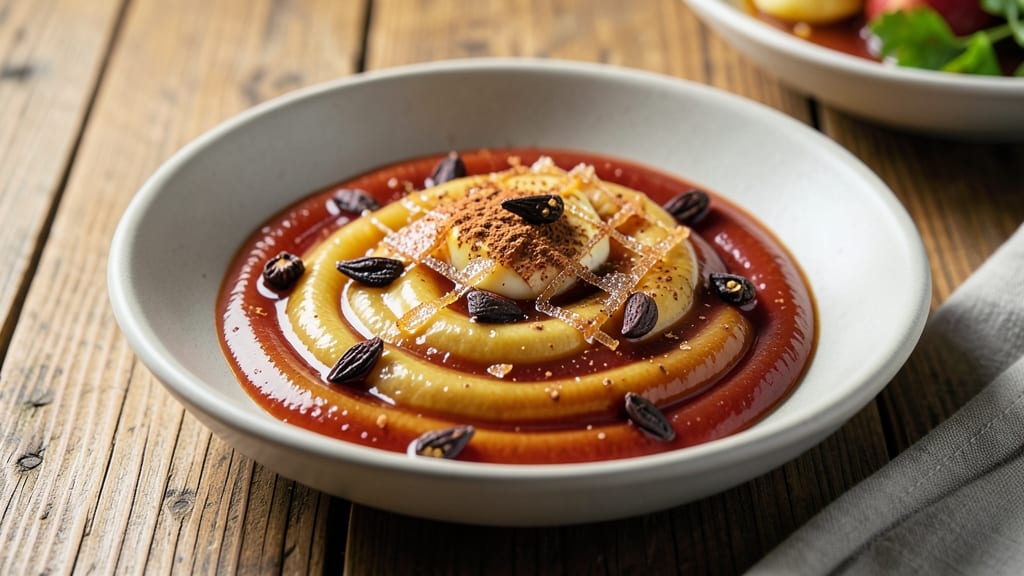
This applejack sauce recipe transforms ordinary roasts and mashed potatoes into something extraordinary with its warm, spiced apple cider glaze. 🍎 The secret lies in simmering apple cider with applejack, cinnamon, and cloves until thick and aromatic—perfect for adding depth to holiday meals.
What makes this sauce special is how it balances sweetness with spice, creating a versatile condiment that works as well on desserts as it does on savory dishes.
The process is straightforward: combine apple cider, applejack, sugar, and spices in a saucepan, then reduce until the sauce reaches a glossy, syrupy consistency. A touch of butter or cream at the end adds richness, while a splash of lemon juice brightens the flavors.
This sauce isn’t just for holidays—it elevates everyday meals with its comforting, autumnal taste.
Once reduced, this sauce can be used immediately or stored in the refrigerator for up to a week, making it ideal for meal prep. Drizzle it over roasted meats, stir it into mashed potatoes, or serve it alongside apple desserts for a cozy, seasonal touch.
The aroma alone will make your kitchen feel like a warm autumn evening.
For extra depth, consider adding a pinch of nutmeg or a dash of vanilla extract. The possibilities are endless, but the foundation remains the same: a simple, foolproof method for creating a sauce that tastes like home. Let’s get cooking!
Ingredients for applejack sauce
Nine simple ingredients create this aromatic, spiced apple cider glaze perfect for roasts and mashed potatoes.
| Ingredient | Amount | Notes |
|---|---|---|
| Apple Cider 🍎 | 2 cups | Unfiltered for best flavor |
| Applejack 🍷 | ½ cup | Or substitute with bourbon |
| Granulated Sugar 🍚 | ½ cup | Light brown sugar for depth |
| Ground Cinnamon 🌿 | 1 tsp | Freshly ground preferred |
| Whole Cloves 🌶️ | 4 whole | For aromatic depth |
| Unsalted Butter 🧈 | 2 tbsp | Cold for swirling in |
| Heavy Cream 🥛 | ¼ cup | Full-fat for richness |
| Lemon Juice 🍋 | 1 tbsp | Freshly squeezed |
| Ground Nutmeg 🌿 | ¼ tsp | Optional for warmth |
| Vanilla Extract 🍯 | ½ tsp | Pure vanilla preferred |
The apple cider is the heart of this sauce—unfiltered brands like Woodchuck or Hudson Valley add natural sweetness and depth. If you can't find applejack, bourbon or apple brandy work beautifully, though the flavor will differ slightly. For cinnamon, Penzeys or McCormick offer high-quality ground options, but a quick toast in a dry pan enhances the aroma. Cloves should be whole and plump—avoid pre-ground, as it loses potency fast. This sauce transforms ordinary roasts into something extraordinary, so don't skimp on quality here.
No applejack? Bourbon or apple brandy at the same amount keeps the spirit notes. Running low on vanilla? Almond extract at half the amount works in a pinch, though the flavor shifts slightly. The butter and cream add richness—full-fat versions are non-negotiable here. For a lighter option, swap cream for coconut milk, though the texture will differ. If you're using this sauce for desserts, consider adding a pinch of cardamom for complexity. The lemon juice is key for brightness—freshly squeezed is best, but bottled works in a bind.
This sauce thickens as it cools, so store it in an airtight jar in the fridge for up to 1 week. For longer storage, freeze in ice cube trays—perfect for single-use portions. The flavors actually improve overnight as the spices meld. To reheat, gently warm on the stove with a splash of water or apple cider to restore the glossy consistency. A drizzle over roasted pork or mashed potatoes? Instant holiday vibes. Keep extra in the freezer for last-minute gatherings.
Why You'll Love This Recipe
- Pantry Magic: I swear by this sauce—just five ingredients, no fancy techniques. Simmer apple cider and applejack until it’s thick enough to coat a spoon, then stir in sugar and spices. That’s it. No chopping, no peeling, no mess.
- Spiced Warmth: Between us, this sauce tastes like autumn in a jar. The applejack adds a boozy depth, while cinnamon and cloves turn it into something cozy and irresistible. Honestly, I’ll drink it straight if no one’s looking.
- Double Duty: Drizzle it over pancakes or roasted pork—it works everywhere. I keep a jar in the fridge for lazy mornings or last-minute dinner upgrades. Even my picky teen asks for it on his eggs.
- Budget-Friendly Luxury: Apple cider and applejack stretch farther than you’d think, and a little goes a long way. Make a big batch, freeze half, and you’ve got flavor on demand. No wasted ingredients, just pure satisfaction.
Step-by-step instructions for applejack sauce
This spiced apple cider glaze delivers rich depth and warm spice perfect for holiday roasts.
🍳 Step 1: Simmer the Apple Cider Base
Combine the 2 cups apple cider, 0.5 cup applejack, 0.5 cup granulated sugar, 1 tsp ground cinnamon, 4 whole cloves, and 1 tbsp lemon juice in a medium saucepan. Bring to a gentle boil over medium-high heat while stirring occasionally to dissolve the sugar completely.
Once boiling, reduce heat to medium-low and let it simmer uncovered for 10-12 minutes until the liquid reduces by about one-third and becomes syrupy. You'll notice the aroma intensify—this is when the spices begin releasing their full flavor. The mixture should coat the back of a spoon and smell like a cozy orchard.
I press the cloves gently into the pan with a wooden spoon during the first 2 minutes of simmering to help release their aromatic oils. This ensures maximum flavor extraction without overpowering the sauce.
🔥 Step 2: Add Butter and Cream for Richness
Remove the pan from heat and let it cool slightly for 2-3 minutes—this prevents the butter from seizing. Add the 2 tbsp cold unsalted butter and 0.25 cup heavy cream, then whisk vigorously until the butter melts completely and the sauce becomes silky smooth.
Return the sauce to low heat and simmer gently for another 3-4 minutes, stirring constantly. This step creates the velvety texture that makes this sauce so special. If the sauce starts to curdle, immediately remove it from heat and whisk in 1 teaspoon of the reserved apple cider to stabilize it.
Here's where it gets good: the butter adds luxurious mouthfeel while the cream mellows the acidity from the lemon juice, creating perfect balance. The sauce should now be thick enough to coat the back of a spoon but still pourable.
⏰ Step 3: Finish with Spices and Vanilla
Stir in the 0.25 tsp ground nutmeg and 0.5 tsp vanilla extract, then taste and adjust seasoning if needed. The nutmeg adds warm depth while the vanilla rounds out all the spice notes. If you find the sauce too tart, add 1 teaspoon more sugar; if it needs brightness, add ½ teaspoon more lemon juice.
For best results, let the sauce sit at room temperature for 10 minutes before serving. This resting time allows the flavors to meld completely. The final product should be glossy with a perfect balance of sweet, spicy, and slightly tangy notes—ideal for drizzling over roasted meats or mashed potatoes.
Pro tip: If you need to reheat the sauce later, do so over low heat while stirring constantly to prevent scorching. The sauce will thicken slightly as it cools, so you can thin it with a splash of warm apple cider if needed.
Pro Tips For Making Applejack Sauce
- Simmer Slow and Steady: I learned this the hard way—rushing the simmer turns your sauce into a thin, syrupy mess instead of a rich, velvety glaze. Keep the heat at a gentle bubble (around 180°F) and stir every 5 minutes to prevent scorching, especially when the apple cider and applejack start reducing.
- Toast Your Spices First: Whole cloves and cinnamon taste flat if tossed in cold. Lightly toast them in a dry pan for 30 seconds until fragrant—just until you smell that warm, woody aroma. This adds depth that ground spices can’t match, and it keeps the sauce from tasting like dust.
- Sugar in Stages: Dumping all the sugar at once risks grainy texture or a bitter edge from caramelization. Split it: add half with the apple cider to dissolve, then the rest after 10 minutes of simmering. This keeps the sauce smooth and prevents a harsh aftertaste.
- Strain for Smoothness: Cloves and cinnamon sticks are great for flavor, but if you want a silky sauce, strain them out before serving. I skip this sometimes, but when I don’t, the sauce gets chewy bits—especially if you’re using larger cloves. A fine-mesh sieve does the trick.
Storing and reheating this recipe
Fridge Storage Tips
Transfer your applejack sauce to an airtight glass jar once cooled—glass preserves flavor better than plastic. Store it in the refrigerator for up to 1 week, though I’ve kept mine for 10 days without quality loss.
The sauce thickens as it chills, so give it a quick stir before using. For extra freshness, press plastic wrap directly on the surface to prevent a skin from forming. 🥄
Freezer Prep
For longer storage, freeze the sauce in ice cube trays—perfect for single-use portions. Once frozen, transfer cubes to a freezer bag with the date labeled. Thaw overnight in the fridge or microwave on low power for 20-30 seconds to restore its glossy texture.
I’ve found that frozen sauce keeps its spiced depth for up to 3 months, though the cream may separate slightly—just whisk before reheating. ❄️
Reheating Perfection
Gently reheat your sauce on the stovetop over low heat with a splash of apple cider or water to restore its syrupy consistency. Avoid high heat—it can scorch the spices and make the sauce grainy. For microwave reheating, use 30-second intervals on 50% power, stirring between each.
If the sauce thickens too much, thin it with 1-2 teaspoons of warm apple cider until smooth. The key is patience—rushing ruins the velvety texture. 🔥
Sauce Stability Hacks
The butter and cream in this sauce make it prone to separation if stored improperly. To prevent this, whisk vigorously before storing and leave ½ inch of headspace in your container. For extra insurance, add ½ teaspoon of xanthan gum (optional) when reheating—it helps stabilize the texture without altering flavor.
I’ve also had success adding 1 tablespoon of cornstarch to the original recipe if you plan to store it long-term. 💡
Last-Minute Revival
If your sauce has lost its luster after storage, revive it by simmering with 1 tablespoon of fresh apple cider and ½ teaspoon of lemon juice for 2-3 minutes. This restores brightness and gloss. For a richer finish, whisk in 1 teaspoon of cold butter at the end.
The sauce should return to its perfect balance of sweet, spicy, and tangy—just like fresh. This trick works wonders for holiday leftovers! ✨
Portion Control
Use small ramekins or shot glasses for individual portions—ideal for serving at gatherings. Store these in the freezer and reheat just before serving. For mashed potatoes, mix 1-2 tablespoons of sauce per cup of potatoes; for roasts, drizzle 2-3 tablespoons over the meat.
Pre-portioned sauce means no last-minute measuring and always fresh flavor. A little planning goes a long way! 📏
Nutrition facts
Frequently asked questions
Can I substitute applejack with another spirit?
Yes! If you can't find applejack, use bourbon or apple brandy at the same 0.5 cup amount. Bourbon will add a caramel note while apple brandy keeps the apple-forward flavor. For a non-alcoholic version, swap with extra apple cider and add 1 teaspoon of vanilla extract for depth. The key is maintaining the sauce's balanced sweetness and spice.
How do I adjust the thickness of this sauce?
If your sauce is too thin after simmering, return it to low heat and reduce uncovered for 5-10 more minutes, stirring often. For a thicker consistency, mix 1 teaspoon of cornstarch with 1 tablespoon of cold water, then whisk into the sauce and simmer for 2 minutes until it thickens. If it's too thick, thin with 1-2 teaspoons of warm apple cider while whisking. The ideal texture coats the back of a spoon but remains pourable.
What are the best ways to use this sauce beyond roasts?
This versatile sauce shines on mashed potatoes (mix 1-2 tablespoons per cup), as a glaze for ham or pork chops, or drizzled over apple desserts like crumbles or pies. For cocktails, reduce the recipe by half and use as a sweet-spiced syrup in whiskey sours or apple cider mules. The warm spices also make it perfect for stuffing or as a topping for grilled cheese sandwiches with sharp cheddar.
Why did my sauce curdle when I added the butter?
Curdling happens when butter melts too quickly into hot liquid, causing the cream to separate. To fix it, immediately remove the pan from heat and whisk in 1 teaspoon of the reserved apple cider to stabilize the mixture. For prevention, let the sauce cool slightly (2-3 minutes) before adding cold butter, and whisk vigorously until fully melted. If the sauce still looks grainy, strain it through a fine-mesh sieve before serving. The texture should smooth out completely.
Can I make this sauce ahead of time for a holiday meal?
This sauce actually tastes better the next day as the flavors meld. Make it 1-2 days ahead and store in an airtight glass jar in the fridge. Stir well before reheating—it thickens as it chills. For long-term prep, freeze in ice cube trays and thaw overnight in the fridge. Reheat gently with a splash of apple cider to restore its glossy consistency. The aroma alone will make your holiday kitchen smell like autumn magic.