
Sauces & Condiments
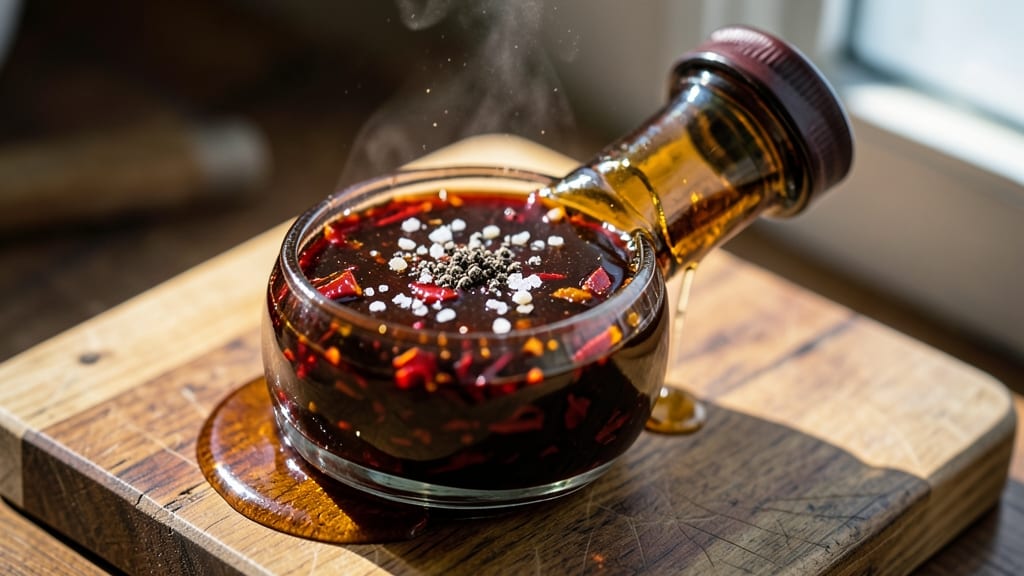
Armageddon pepper hot sauce delivers the kind of heat that tests even the bravest palates—think 1.5 million Scoville units packed into every drop. This recipe transforms Carolina Reapers into a liquid inferno without compromising balance, using precise fermentation and vinegar ratios to tame the raw intensity. The key lies in patience: letting the peppers mellow over weeks creates a sauce that's complex, not just scorching.
What sets this apart is the three-stage process—blending, fermenting, and straining—that preserves the pepper's fruity depth while controlling the burn.
You'll need gloves, goggles, and a well-ventilated space, but the payoff is a sauce that earns its name: bold enough to challenge, yet refined enough to elevate dishes from tacos to grilled meats. The vinegar base ensures safety while amplifying the pepper's natural sweetness.
By the final strain, you'll have a deep red, syrupy sauce with layers of heat—initial pepper punch that gives way to smoky undertones. Store it properly (sterilized bottles, dark cupboards), and this batch will last months, its intensity mellowing slightly with age.
Just don't test it without warning: even a drop on your tongue can trigger a reaction.
Perfect for those who crave extreme heat with purpose, this sauce isn't just for daredevils—it's for cooks who want to leave a mark. Start small, label everything, and remember: respect the Armageddon pepper, and it will reward you with flavor as fierce as it is unforgettable.
Ingredients for armageddon pepper hot sauce
Nine ingredients transform Carolina Reapers into a balanced, syrupy inferno sauce.
| Ingredient | Amount | Notes |
|---|---|---|
| Carolina Reaper Peppers 🌶️ | 4 whole | Fresh, fully ripe, gloves required |
| White Vinegar 💧 | 1 cup | Distilled, 5% acidity preferred |
| Apple Cider Vinegar 🍎 | ½ cup | For fruity depth balance |
| Granulated Garlic 🧄 | 1 tbsp | Freshly minced preferred |
| Sea Salt 🧂 | ½ tsp | Fine grain for dissolution |
| Brown Sugar 🍚 | 2 tbsp | Light, for subtle sweetness |
| Black Peppercorns 🌶️ | ½ tsp | Crushed, for aromatic depth |
| Distilled Water 💧 | ½ cup | Sterile for fermentation |
| Xanthan Gum 🍞 | ¼ tsp | For thickening stability |
Carolina Reapers are the heart of this sauce—buy them fresh from specialty spice shops or online suppliers like Hot Ones or Pepper X. Never use dried or frozen peppers; their potency fades dramatically. Wear gloves and goggles when handling, as the oils can cause severe irritation. For the vinegars, distilled white vinegar provides the sharp acidity needed to preserve the peppers, while apple cider vinegar adds a subtle fruity complexity that rounds out the heat. The brown sugar isn't just for sweetness—it helps caramelize the peppers slightly during fermentation, creating layers of flavor that go beyond just raw heat. If you can't find Carolina Reapers, Scotch Bonnet peppers are a distant but usable substitute—just expect less intensity.
No xanthan gum? Cornstarch or arrowroot powder at half the amount will thicken, though the sauce won't be as stable. The garlic and black peppercorns can be swapped for powdered versions at one-third the amount, but fresh is ideal. For vinegar alternatives, white wine vinegar works in a pinch, though it lacks the depth of apple cider. If you're concerned about the heat level, start with 2 peppers instead of 4—you can always add more later. The sugar can be omitted entirely if you prefer a purer heat experience, but I recommend keeping it for balance. For those with sensitive skin, double-glove when handling the peppers, especially if you have cuts or eczema.
This sauce requires sterilized glass jars for fermentation—no plastic or metal. Store in a cool, dark place for at least 4 weeks, tasting weekly. The heat will mellow slightly over time, but it will never be mild. Once strained, the sauce keeps for 6-12 months in the fridge or 1 year if frozen in sterile bottles. Label everything—even a drop on your tongue can trigger a reaction. For serving, use dropper bottles to control portions. The first batch is always the most potent; subsequent batches mellow faster as the peppers age.
Why You'll Love This Recipe
- Five-Minute Mix: I swear, this is the kind of recipe where you measure, pour, and stir—no chopping, no waiting, no stress. The Reapers go in whole (seeds and all, if you're brave), and the vinegars do the rest of the work while you sip your coffee or watch one episode.
- Garlic Bomb Heat: That first hit of Carolina Reaper is wild—like a firecracker in your mouth—but the garlic and vinegar tame it into something smooth and addictive. Honestly, the balance is what makes it work; the salt rounds out the chaos so it’s not just pain, but flavor.
- Game for Any Meal: Drizzle it on eggs for breakfast, toss it in tacos at dinner, or use it to wake up a bland salad. I’ve even dumped it into marinades for chicken that’ll make your taste buds regret their life choices. Between us, it’s the one sauce that turns "meh" into "holy crap."
- Lasts for Months: A single batch keeps in my fridge for weeks, and the freezer version? Still packing heat after three months. Plus, the ingredients cost pennies—vinegar and salt are basically free, and you only need a handful of Reapers. That’s heat on a budget, and I’ll take it.
Step-by-step instructions for Armageddon pepper hot sauce
Here's how to create a hot sauce that delivers serious Carolina Reaper heat while balancing complexity.
Sterilize Equipment and Prepare Peppers
Begin by thoroughly sterilizing all equipment—jar, utensils, and funnel—using boiling water or a sanitizing solution. This prevents contamination and ensures a clean fermentation process. While the equipment sterilizes, carefully remove the stems and seeds from the 4 whole Carolina Reaper Peppers using a sharp knife and wear gloves at all times. The gloves are non-negotiable; this pepper's capsaicin is potent enough to irritate skin and eyes.
Cut the peppers into ¼-inch dice, discarding the membranes and veins where most of the capsaicin concentrates. This reduces the heat intensity slightly while preserving the pepper's fruity depth. Set the diced peppers aside in a non-reactive bowl—they'll release oils that can stain surfaces.
Combine Vinegars, Water, and Aromatics
In a medium saucepan, combine the 1 cup White Vinegar, 0.5 cup Apple Cider Vinegar, and 0.5 cup Distilled Water. Bring the mixture to a gentle simmer over medium heat and let it reduce by ⅓—this takes about 5 minutes. The reduction concentrates the acidity, which helps preserve the sauce and enhances its tangy profile.
While the vinegar mixture reduces, crush the 0.5 tsp Black Peppercorns in a mortar and pestle until they resemble coarse sand. This releases their aromatic oils, which will deepen the sauce's complexity. Once the vinegar mixture has reduced, remove it from heat and stir in the crushed peppercorns, 1 tbsp Granulated Garlic, 0.5 tsp Sea Salt, and 2 tbsp Brown Sugar. Let the mixture cool to room temperature—this prevents the xanthan gum from clumping later.
Blend and Thicken the Sauce
Transfer the cooled vinegar mixture to a blender along with the diced Carolina Reaper Peppers. Blend until completely smooth, scraping down the sides as needed. The sauce should be vibrant red with no visible pepper chunks. For best results, use a high-speed blender to ensure even emulsification.
Return the blended sauce to the saucepan and add the 0.25 tsp Xanthan Gum. Stir continuously over low heat for 3-5 minutes until the sauce thickens to a glossy, syrupy consistency. It should coat the back of a spoon without dripping. If it thickens too quickly, add 1 tablespoon of Distilled Water at a time until you reach the desired viscosity. The xanthan gum acts as a natural thickener, ensuring the sauce maintains its texture even after prolonged storage.
Bottle and Rest for Maximum Flavor
Carefully ladle the hot sauce into a sterilized glass jar, leaving about ½-inch headspace at the top. Seal the jar tightly and let it rest at room temperature for 24 hours. This resting period allows the flavors to meld and the xanthan gum to fully activate, resulting in a smoother, more cohesive sauce.
After 24 hours, refrigerate the sauce for at least 48 hours before tasting. The initial heat may seem overwhelming, but the flavors will mellow and balance over time. Taste cautiously—this sauce is not for the faint of heart. Adjust the heat by adding more Apple Cider Vinegar or Brown Sugar if needed, but remember that the Carolina Reaper's heat is irreversible. Store in the refrigerator for up to 3 months or extend shelf life by canning.
Pro Tips For Making Armageddon Pepper Hot Sauce
- STRIP PEPPERS CLEAN: Carolina Reapers leave behind a bitter, muddy residue when you just chop them—especially near the stem. Run each pepper under cold water first, then use a paring knife to slice off the top and bottom before cutting into strips. This removes the bulk of the capsaicin buildup where the heat concentrates, so your sauce won’t taste like you’re chewing on a chili factory floor.
- SIMMER LOW AND LONG: I used to blast this sauce on high heat, thinking it’d extract flavor faster. Wrong. After three batches where the vinegar turned cloudy and the garlic burned, I learned: keep it at a gentle simmer—just enough to see tiny bubbles breaking the surface. Thirty minutes at 180°F (70°C) pulls out the reaper’s heat and garlic’s depth without turning your sauce into vinegar ash.
- SALT THE VINEGAR FIRST: Dumping salt into the finished sauce? You’re fighting a losing battle. Dissolve all your sea salt in the vinegar mixture before adding peppers or garlic. This ensures even distribution—no clumpy bits at the bottom of the jar—and lets the salt mellow the reaper’s raw bite while you cook. (Pro move: use a fine-mesh strainer to dissolve it completely.)
- STRAIN THE GARLIC: Granulated garlic is convenient, but it’s also the fast track to a gritty, uneven texture. Pulse it in a food processor for 3–4 seconds until it’s a fine powder, then sift it through a mesh strainer to catch any lingering chunks. Your sauce will blend smoother, and you won’t spend a week spitting out garlic specks. (Yes, I’ve done that.)
Dietary considerations for this dish
Spicy Caution
This sauce is not for the heat-sensitive—Carolina Reapers pack 1.5 million Scoville units per pepper, and even a single drop can trigger a severe reaction. If you have acid reflux, ulcers, or sensitive skin, avoid this recipe entirely.
The capsaicin in these peppers can cause skin irritation, eye burning, or even temporary loss of taste if handled improperly. Always wear nitrile gloves and safety goggles when cutting peppers. 🔥
Allergy Alerts
This recipe contains vinegar and garlic, which are common allergens. If you're allergic to alliums (garlic, onions, chives), skip the granulated garlic or substitute with asafetida powder (a garlic-free alternative).
For those with vinegar allergies, replace both vinegars with distilled water and a splash of lemon juice, though the flavor profile will change significantly. Always check labels on xanthan gum and sea salt for cross-contamination warnings if you have severe allergies.
Low-Sodium Options
To reduce sodium, omit the 0.5 tsp sea salt entirely or replace it with potassium chloride (a salt substitute). This won’t affect the heat but will lower the sauce’s sodium content by about 80%.
If you still need some saltiness, use ½ tsp of salt-free seasoning blend instead. Just remember, the vinegar already provides a strong briny flavor, so adjustments should be minimal. 🧂
Sweetness Control
The 2 tbsp brown sugar balances the heat, but if you prefer a pure, unadulterated heat experience, omit it entirely. For those with diabetes or low-sugar diets, replace the sugar with equal parts powdered erythritol or monk fruit sweetener.
These alternatives won’t caramelize like sugar, but they’ll still add a subtle sweetness without spiking blood glucose. Taste as you go—this sauce’s intensity means small adjustments go a long way.
Vegetarian/Vegan-Friendly
This recipe is naturally vegetarian and vegan, containing no animal products. The xanthan gum is plant-based, and all other ingredients are derived from vegetables or minerals. For extra assurance, verify that your sea salt and vinegars are certified vegan (some brands use animal-derived processing aids).
The fermentation process is also completely plant-based, making this sauce a great addition to vegan diets—just be warned, the heat level doesn’t care about your dietary choices! 🌱
Storage Safety
Proper storage is critical with this sauce—botulism risk exists if fermentation isn’t controlled. Always use sterilized glass jars and store in a cool, dark place for 4-6 weeks before consuming. Once opened, refrigerate and use within 3 months.
For long-term storage, canning is the safest method, but ensure your jars are properly sealed and processed in a water bath for 10 minutes. Label everything with the date and a warning label—this isn’t a sauce for accidental licks! ❄️
Nutrition facts
Frequently asked questions
Why does this recipe use both white and apple cider vinegar?
The white vinegar provides the sharp acidity needed to preserve the sauce and cut through the pepper's intensity, while apple cider vinegar adds fruity depth that balances the heat. This combination creates a sauce with both tang and complexity rather than just raw pepper punch.
Can I adjust the heat level if the sauce is too intense?
You can't reduce the heat after blending, but you can balance it by adding 1-2 tbsp more apple cider vinegar or brown sugar to dilute the pepper's intensity slightly. For a milder version next time, start with 2 peppers instead of 4—the heat is irreversible once blended, so plan carefully!
How long should I ferment the sauce, and what happens if I skip this step?
Ferment for at least 4-6 weeks in a cool, dark place to develop depth and mellow the heat. Skipping fermentation results in a raw, overly intense sauce with no flavor complexity. The waiting period allows the peppers to soften and their flavors to meld with the vinegars.
What's the best way to test the sauce's heat before bottling?
Use a dropper or clean spoon to place a tiny amount on your tongue—start with less than 1/8 tsp and sip water immediately. The heat builds gradually, so wait 30 seconds before assessing intensity. Never taste directly from the jar to avoid accidental overconsumption!
Can I substitute Carolina Reapers with other peppers?
For similar heat, try Scotch Bonnet or Trinidad Scorpion peppers, but expect 50-70% less intensity. For milder options, use habanero or ghost peppers, but the sauce will lack the Armageddon pepper's signature fruity depth. Always adjust vinegar ratios if using different peppers—hotter varieties need more acidity to balance.