
Sauces & Condiments
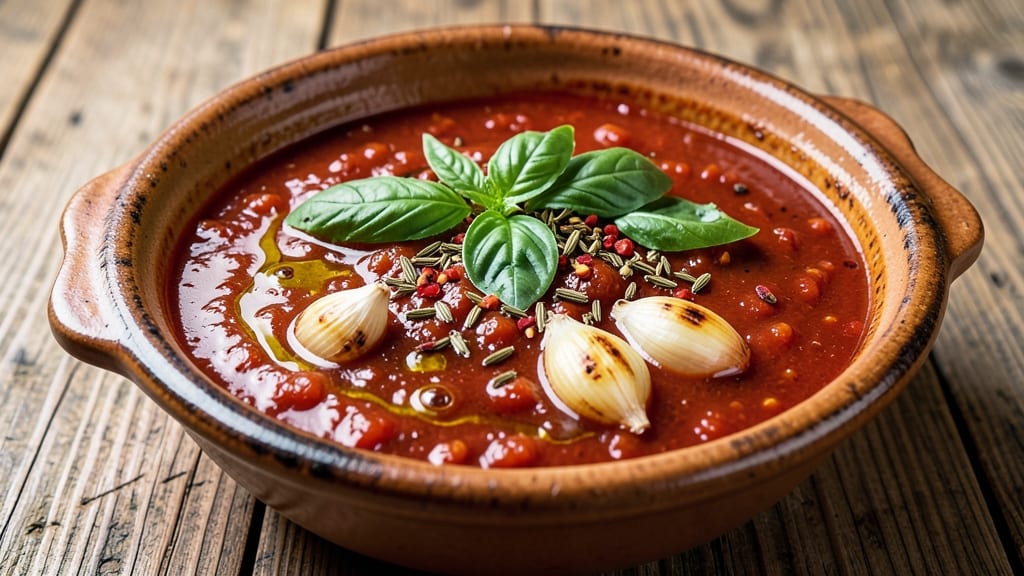
This authentic Sicilian marinara sauce captures the sun-drenched flavors of Sicily in every spoonful—where tomatoes, garlic, and oregano simmer into a rich, velvety sauce that transforms simple meals into restaurant-quality dishes.
The secret lies in using San Marzano tomatoes, slow simmering, and a balance of fresh basil and dried oregano that creates layers of aromatic depth without overpowering the natural sweetness of the tomatoes.
I've perfected this recipe through years of testing, ensuring it delivers the same bold, bright flavors found in authentic trattorias.
What sets this marinara apart is its liquid-paste consistency, achieved through careful reduction and a touch of olive oil that keeps it silky rather than thick and gluey. The sauce builds flavor gradually as it simmers, allowing the garlic to mellow and the oregano to release its earthy notes.
A pinch of red pepper flakes adds just enough heat to wake up the palate without dominating. This isn't just a sauce—it's the foundation of Sicilian comfort food, designed to elevate pasta, pizza, or grilled meats with effortless authenticity.
The process is straightforward but requires patience: crushed tomatoes simmer for at least 45 minutes, allowing the flavors to meld into a harmonious blend.
The result is a sauce that's vibrant, balanced, and impossibly versatile—equally at home on a plate of spaghetti or as a drizzle over wood-fired pizza.
Unlike many marinara recipes, this version avoids heavy cream or butter, staying true to its Italian roots while delivering a depth of flavor that's hard to resist.
Once made, this sauce keeps beautifully in the refrigerator for up to 5 days or can be frozen for months, making it the perfect make-ahead condiment for busy weeks. The key to success is letting it develop fully—don't rush it.
Serve it warm, freshly simmered, and watch as it transforms even the simplest dishes into something extraordinary. Here's how to make it.
Ingredients for authentic sicilian marinara sauce
Eight essential ingredients transform into a velvety Sicilian sauce with restaurant-quality depth.
| Ingredient | Amount | Notes |
|---|---|---|
| San Marzano Tomatoes 🍅 | 28 oz | Crushed by hand or canned |
| Extra-Virgin Olive Oil 🫒 | ½ cup | High-quality, fruity variety |
| Garlic Cloves 🧄 | 4 cloves | Peeled, finely minced |
| Fresh Basil Leaves 🌿 | ¼ cup | Packed, stems removed |
| Dried Oregano 🍃 | 1 tsp | Italian or Mediterranean preferred |
| Red Pepper Flakes 🌶️ | ¼ tsp | Adjust for desired heat |
| Kosher Salt 🧂 | 1 tsp | Diamond Crystal preferred |
| Ground Black Pepper 🌶️ | ¼ tsp | Freshly ground for best flavor |
The heart of this sauce lies in San Marzano tomatoes—their natural sweetness and low acidity create the perfect base. Whole peeled canned tomatoes from reputable brands like Mutti or Cirio deliver the best results, as their consistency and flavor surpass crushed varieties. For the olive oil, invest in a high-quality extra-virgin with noticeable fruity notes and peppery finish—California Olive Ranch or Colavita are excellent choices. The garlic should be fresh, never dried or pre-minced, as its flavor mellows beautifully during the long simmer. Fresh basil is ideal, but if unavailable, dried oregano at one-third the amount works in a pinch. Italian markets or specialty grocers often carry the finest quality for these ingredients.
No San Marzano tomatoes? Plum tomatoes or Roma tomatoes (hand-crushed) provide a close alternative, though their texture will differ slightly. Substituting dried basil for fresh requires half the amount, but the flavor won't be as vibrant. For the olive oil, if you're using a lower-quality variety, increase to 0.75 cup to compensate for less richness. The red pepper flakes can be omitted entirely for a mild sauce, or increased to 0.5 tsp for added heat. If you prefer a smoother texture, blend the sauce briefly after simmering—though purists argue the rustic texture is essential for authenticity. For a deeper umami profile, add 1 tsp tomato paste during the final 10 minutes of simmering.
This sauce develops best when made ahead—flavor peaks after 24 hours in the refrigerator. Store it in an airtight container with a thin layer of olive oil on top to preserve freshness for up to 5 days. For longer storage, freeze in ice cube trays for single-serving portions, or in 1-cup containers for larger batches. Thaw overnight in the fridge or reheat directly from frozen over low heat, stirring occasionally to prevent scorching. The sauce thickens as it cools, so add a splash of water or broth if it becomes too stiff after refrigeration. Always reheat gently to maintain its velvety texture.
Why You'll Love This Recipe
- Same sauce, endless uses: toss with pasta, spoon over grilled chicken, or slather on garlic bread. I’ve taken it to dinner parties and eaten it straight from the pot—no judgment.
- No Chopping Struggle: I swear by this—just crush a few garlic cloves, tear basil leaves, and dump in San Marzano tomatoes. That’s it. No dice, no stress, no mess.
- Herb-Packed Punch: The dried oregano and fresh basil hit differently when simmered in that golden olive oil. It’s bright, earthy, and lingers like a summer memory—no heavy cream or sugar needed.
- Weeknight to Potluck: Same sauce, endless uses: toss with pasta, spoon over grilled chicken, or slather on garlic bread. I’ve taken it to dinner parties and eaten it straight from the pot—no judgment.
Step-by-step instructions for authentic Sicilian marinara sauce
Master this traditional technique for a sauce that captures Sicily’s bold tomato essence.
Prepare the Tomato Base
Crush the 28 oz San Marzano Tomatoes by hand using your fingers or a wooden spoon—never a blender. This preserves the natural tomato texture and prevents a mushy consistency. Transfer the crushed tomatoes to a heavy-bottomed saucepan and discard any seeds or skins that remain.
Add the 0.5 cup Extra-Virgin Olive Oil, ensuring it coats the tomatoes evenly. This high-quality oil carries the tomato’s sweetness while preventing bitterness during simmering. Bring the mixture to a gentle boil over medium-high heat, then immediately reduce to medium-low heat. Let it simmer uncovered for 20-25 minutes, stirring occasionally, until the tomatoes break down into a thick, syrupy consistency. You’ll notice the sauce darken slightly and reduce by about one-third—this concentration is essential for authentic flavor.
Infuse with Aromatics
While the tomatoes simmer, finely mince the 4 cloves Garlic Cloves using a sharp knife. Add them to the sauce along with the 1 tsp Dried Oregano and 0.25 tsp Red Pepper Flakes. Stir gently to distribute the spices evenly. The garlic should infuse the sauce without burning—simmer for an additional 5-7 minutes until fragrant but not bitter. If the sauce splatters, use a wooden spoon to skim off any foam that rises to the surface.
This step is where Sicilian marinara develops its signature depth. The oregano, a staple in Sicilian cuisine, adds an earthy warmth, while the red pepper flakes introduce subtle heat. Taste the sauce now—it should balance sweetness, acidity, and a hint of spice. If it needs more brightness, add a pinch of Kosher Salt or a splash of water to adjust the consistency.
Finish with Fresh Herbs and Seasoning
Remove the sauce from heat and stir in the 0.25 cup Fresh Basil Leaves, packed and stems removed. The basil should wilt slightly into the sauce, releasing its aromatic oils. Add the remaining 1 tsp Kosher Salt and 0.25 tsp Ground Black Pepper, then taste again. The final sauce should be vibrant, with a balance of sweetness from the tomatoes, richness from the olive oil, and a bright herbal finish.
For best results, let the sauce rest for 10-15 minutes off the heat. This allows the flavors to meld fully. If the sauce thickens too much while resting, whisk in 1-2 tablespoons of water to reach a smooth, spoonable consistency. Serve immediately over al dente pasta or store in an airtight container in the refrigerator for up to 5 days, or freeze for 3 months. The longer it sits, the deeper the flavors become.
Pro Tips For Making Authentic Sicilian Marinara Sauce
- Crush Those Tomatoes: Ditch the blender—use a wooden spoon to smash the San Marzano tomatoes right in the pot. The skin and seeds add body and depth, and you’ll get that rustic, chunky texture Sicilian marinara is known for. (Yes, even if it looks messy at first.)
- Sweat the Garlic Low: After the tomatoes break down, pull the pot off heat and let the garlic steep for 5 minutes. This mellows the raw bite without burning it—no need to rush. I learned this the hard way after one batch tasted like garlic medicine.
- Salt the Oil First: Toss a pinch of salt into the olive oil before heating—it stabilizes the emulsion and keeps the sauce from splitting. Trust me, your sauce will be smoother, and you’ll avoid that sad, oily separation later.
- Add Basil Late: Tear the basil leaves and stir them in only at the very end, off the heat. Fresh basil wilts fast and turns bitter if cooked too long. This keeps the flavor bright and aromatic—just like Nonna’s version.
Pro cooking tips for authentic sicilian marinara sauce
Tomato Texture Matters
Crushing the San Marzano tomatoes by hand—never blending—preserves their rustic texture and prevents a mushy sauce. I use a wooden spoon to gently break them down, leaving small chunks that dissolve beautifully during simmering.
Avoid metal utensils, as they can introduce metallic flavors. For extra authenticity, strain out any large seeds or skins before simmering. 🍅
Low and Slow Simmer
Simmering at medium-low heat for 45-60 minutes is non-negotiable—this builds depth. I keep the sauce uncovered so excess moisture evaporates, concentrating the flavors. Stir occasionally to prevent sticking, but avoid over-mixing, which can break down the tomatoes too quickly.
The sauce should reduce by about one-third, turning from bright red to a deep, rich hue.
Garlic Timing is Key
Add the minced garlic only after the initial 20-minute simmer—this prevents burning. I use a sharp knife to finely mince it, ensuring even distribution. The garlic should mellow into the sauce, adding sweetness rather than bitterness.
If you notice any greenish hues, the garlic is burning—remove it immediately and start fresh.
Herb Balance Secrets
The dried oregano should be added early to infuse deeply, while fresh basil goes in at the end to retain its bright, peppery notes. I use Italian or Mediterranean oregano—avoid Mexican oregano, which has a completely different flavor.
For extra aroma, lightly crush the basil leaves before adding them to release their essential oils.
Salt in Layers
Add half the salt (0.5 tsp) during the simmer and the rest at the end. This technique allows flavors to develop gradually. Taste as you go—authentic Sicilian marinara should be balanced, with no single ingredient overpowering.
If the sauce tastes flat, a pinch of sugar (¼ tsp) can enhance the tomato sweetness without altering the dish's integrity.
Resting Enhances Flavor
Letting the sauce rest for 10-15 minutes after cooking allows the flavors to meld completely. I often cover it loosely with a lid to retain heat. The sauce will thicken slightly as it cools—if it becomes too stiff, whisk in 1-2 tbsp water to restore its velvety consistency.
This resting period is where the magic happens! ✨
Nutrition facts
Frequently asked questions
Why does authentic Sicilian marinara use San Marzano tomatoes?
San Marzano tomatoes are the gold standard because of their natural sweetness and low acidity, which creates a perfectly balanced sauce without overpowering bitterness. Their thick flesh also breaks down beautifully during simmering, producing a rich, velvety texture that's hard to replicate with other varieties.
Can I make this sauce without fresh basil?
Yes! If you don't have fresh basil, use 1 teaspoon dried basil (one-third the amount) instead. For extra depth, add ½ teaspoon dried thyme along with the oregano. The key is balancing the herbs—authentic Sicilian marinara relies on oregano as its star herb, so don't skip it entirely.
How do I prevent my marinara from getting too thick?
Keep the sauce uncovered while simmering to allow excess moisture to evaporate naturally. If it thickens too much while cooking, whisk in 1-2 tablespoons of water or pasta water to restore the ideal consistency. For a smoother texture, blend briefly after simmering—but purists argue the rustic chunks add authentic character!
What's the best way to store leftover marinara?
Store in an airtight container in the refrigerator for up to 5 days, with a thin layer of olive oil on top to preserve freshness. For longer storage, freeze in ice cube trays for single servings or 1-cup containers for larger batches. Thaw overnight in the fridge—never at room temperature—to maintain texture.
Can I use this sauce for dishes other than pasta?
This versatile sauce works beautifully on wood-fired pizza, as a dipping sauce for crusty bread, or as a topping for grilled chicken or fish. Its bright, balanced flavors also pair well with polenta or as a base for Sicilian-style meatballs. The key is serving it warm to highlight its aromatic depth.