
Sauces & Condiments
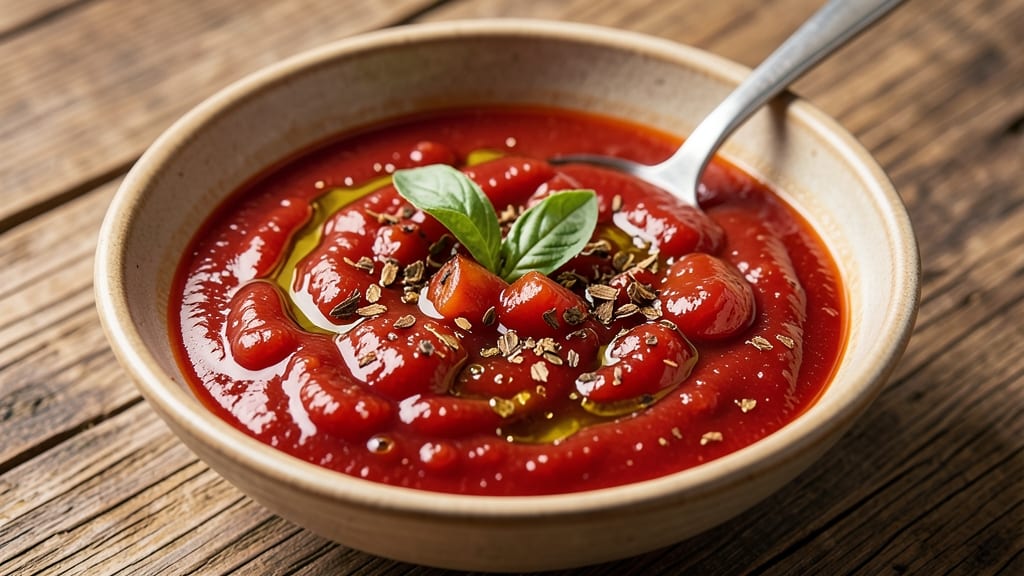
This all-natural tomato sauce recipe transforms fresh garden tomatoes into a rich, velvety sauce packed with sun-ripened flavor—no artificial additives or canning shortcuts. The slow-cooking process develops deep, complex notes that elevate any dish, from classic pasta to homemade pizza.
I've perfected this method over years of testing, ensuring every spoonful delivers authentic, restaurant-quality taste.
What sets this sauce apart is the balance of simplicity and depth. You'll start with ripe tomatoes, aromatic garlic, and fresh herbs, then let them simmer until the flavors meld into a harmonious blend.
The key technique—simmering uncovered—allows excess moisture to evaporate, concentrating the flavors without adding water or oil. This method preserves the natural sweetness and acidity of the tomatoes while building layers of umami.
The result is a versatile sauce that's smooth yet textured, with a perfect balance of sweetness and acidity. It thickens naturally as it cooks, creating a velvety consistency that clings beautifully to pasta, enhances pizza, or serves as a rich topping for grilled meats.
Unlike store-bought versions, this sauce tastes fresher with each use, improving as it sits in your fridge for days.
Use it immediately for vibrant flavor or store it for up to 2 weeks, letting the flavors deepen over time. The recipe includes options for chunky or smooth textures, so you can customize it to your preference. Here's how to make it—no canning skills required.
Ingredients for all natural tomato sauce
Sun-ripened tomatoes and aromatic herbs create this restaurant-quality sauce without artificial additives.
| Ingredient | Amount | Notes |
|---|---|---|
| Fresh Roma Tomatoes 🍅 | 3 lbs | Sun-ripened, cored and quartered |
| Garlic Cloves 🧄 | 6 cloves | Peeled, lightly smashed |
| Extra-Virgin Olive Oil 🫒 | ¼ cup | High-quality, fruity variety |
| Fresh Basil Leaves 🌿 | ½ cup | Packed, stems removed |
| Dried Oregano 🍃 | 1 tsp | Mediterranean or Italian blend |
| Kosher Salt 🧂 | 1 ½ tsp | Diamond Crystal preferred |
| Ground Black Pepper 🌶️ | ½ tsp | Freshly ground preferred |
| Red Wine Vinegar 🍷 | 1 tbsp | For acidity balance |
| Granulated Sugar 🍬 | 1 tbsp | Adjust to tomato sweetness |
| Freshly Grated Parmesan Cheese 🧀 | ¼ cup | Aged minimum 24 months |
The tomatoes are the foundation—Roma varieties concentrate flavor best, but any ripe heirloom works. Local farmers markets often have perfect specimens in summer, while grocery stores carry Roma year-round. Avoid green or mealy tomatoes; they'll turn mushy. For garlic, freshly peeled cloves deliver more depth than powdered. The olive oil should be extra-virgin with fruity notes—none of that cheap cooking oil. Fresh basil is ideal, but if using dried, reduce to one-third the amount. Whole Foods or Trader Joe's carry excellent quality for both herbs and oil.
No fresh basil? Dried oregano at one-third the amount works in a pinch, though texture suffers. Substitute apple cider vinegar for red wine vinegar if needed. The sugar can be omitted entirely if your tomatoes are particularly sweet, but it helps balance acidity in tart varieties. For a chunkier texture, simply blend half the sauce after cooking. Parmesan adds umami depth—Parmigiano-Reggiano is best, but any aged cheese works. The sauce thickens naturally as it simmers; no cornstarch required.
This sauce develops richer flavor with time—3-5 days in the fridge is ideal. Store in an airtight container with a thin layer of olive oil on top to preserve freshness. Freezes beautifully for up to 6 months in glass jars. For best texture, reheat gently on the stove, stirring frequently. The sauce will thicken further as it cools, so don't over-reduce during cooking. Portion into smaller containers for easy use—perfect for meal prep.
Why You'll Love This Recipe
- No-Fuss Simplicity: I swear by this—just toss chopped tomatoes, crushed garlic, and a glug of olive oil into a pot. No peeling, no fancy techniques, just simmering until it’s just right. My kids even help stir without burning the kitchen down.
- Herb-Packed Punch: That first whiff of basil and oregano hitting the warm tomatoes? Chef’s kiss. The garlic doesn’t overpower—it lingers like a hug, and the olive oil keeps it rich without heaviness. One taste and you’ll forget store-bought ever existed.
- Weeknight to Potluck: Slap this on spaghetti for a Tuesday night, or bring it in a jar for holiday gatherings. It’s the same sauce, but somehow feels fancy when dressed up. (Pro tip: Freeze half—future you will thank present you.)
- Budget Magic: Roma tomatoes are cheap, garlic lasts forever, and a little basil goes a long way. I make a big batch, stretch it over pasta, pizza, or eggs, and still have leftovers for weeks. Frugal? Yes. Delicious? Absolutely.
Step-by-step instructions for all natural tomato sauce
Transform sun-ripened tomatoes into rich, vibrant sauce using only fresh ingredients and simple technique.
Sauté Garlic in Olive Oil Until Fragrant
Heat the 0.25 cup extra-virgin olive oil in a large, heavy-bottomed pot over medium-low heat. Add the 6 cloves peeled, lightly smashed garlic cloves and cook for 2-3 minutes until they become golden and release their aroma. Be patient—garlic burns quickly, and you want that nutty, sweet fragrance to develop fully before adding tomatoes.
This step creates the flavor foundation. If the garlic starts to brown too quickly, reduce the heat slightly. The oil should shimmer but not smoke. Once the garlic is golden, remove the pot from heat temporarily—you'll return to it shortly after adding the tomatoes.
Cook Tomatoes Until They Break Down
Return the pot to medium heat and add the 3 lbs cored and quartered fresh Roma tomatoes. Stir gently to distribute them evenly in the oil. Increase heat to medium-high and let the tomatoes cook undisturbed for 10-12 minutes, stirring occasionally. You'll see the skins blister and the tomatoes begin to soften and break down.
This is where the magic happens. The tomatoes should release their juices and form a thick, rustic sauce. If the mixture seems too dry, add 2-3 tablespoons of water to keep it moving. The goal is to concentrate the tomato flavors without burning them. When the tomatoes are mostly broken down and the sauce begins to thicken slightly, it's time to season.
Season and Simmer for Depth of Flavor
Add the 1.5 tsp kosher salt, 0.5 tsp ground black pepper, 1 tsp dried oregano, 1 tbsp red wine vinegar, and 1 tbsp granulated sugar to the pot. Stir well to combine, then reduce the heat to low. Let the sauce simmer gently for 20-25 minutes, stirring occasionally. This slow cooking allows the flavors to meld and the sauce to develop its rich, complex character.
The sauce should thicken gradually, coating the back of a spoon. If it becomes too thick, add 1-2 tablespoons of water to maintain the desired consistency. Taste occasionally—this is where you'll decide if the balance of sweetness, acidity, and salt is just right. The sugar enhances the natural sweetness of the tomatoes, while the vinegar brightens the flavor.
Finish with Basil and Parmesan
Remove the pot from heat and stir in the 0.5 cup packed fresh basil leaves and 0.25 cup freshly grated Parmesan cheese. The basil should be torn into small pieces for even distribution. Let the sauce sit for 5 minutes to allow the flavors to integrate fully. The basil will add a fresh, aromatic note, while the Parmesan contributes a savory depth and slight tang.
Taste the sauce one final time and adjust the seasoning if needed. The sauce should be vibrant, balanced, and rich with the natural sweetness of the sun-ripened tomatoes. Serve immediately over pasta, or let it cool and store in an airtight container in the refrigerator for up to 5 days. For best results, reheat gently over low heat before serving.
Pro Tips For Making All Natural Tomato Sauce
- CHAR THE TOMATOES FIRST: I used to just dump chopped tomatoes into the pot and wonder why the sauce tasted flat—turns out, browning the skins first (cut sides down in a dry pan for 2-3 minutes) deepens the flavor. Think of it like caramelizing onions, but for tomatoes.
- PEEL GARLIC IN ADVANCE: Skip the last-minute garlic peel frenzy—peel all cloves while the tomatoes char and let them sit in a bowl of cold water for 5 minutes. They’ll stay fresh longer and won’t burn in the oil, which is especially important when you’re distracted by the sauce simmering.
- SALT THE TOMATOES BEFORE COOKING: Toss halved tomatoes with a pinch of salt (about ½ teaspoon per pound) right after cutting—let them sit for 10 minutes. This draws out bitterness and makes the sauce richer, even if you’re using the freshest Roma tomatoes. (Yes, even if they’re vine-ripened.)
- STIR THE BASIL IN AT THE END: Tossing fresh basil into simmering sauce turns it to mush—save it for the last 2 minutes. Rip leaves by hand (not chopping) and stir gently so they infuse flavor without losing texture. If you’re impatient, add a splash of pasta water to the pot first to cool things down slightly.
Pro cooking tips for this recipe
Pot Control Secrets
Use a heavy-bottomed pot—like a Le Creuset Dutch oven—to prevent scorching and ensure even heat distribution. I’ve ruined sauces in thin pots when the bottom burned before the tomatoes softened.
Medium heat is key: too high, and the sauce will burn; too low, and it’ll never break down properly. 🌡️
Tomato Prep Matters
Quartering tomatoes (not chopping) speeds up breakdown while keeping texture. Remove cores and seeds to avoid bitterness. For a chunkier sauce, leave some tomatoes whole; for smooth, blend half after cooking. I use a food mill for texture control—it’s gentler than an immersion blender.
Simmer Uncovered
Never cover your pot during simmering—this traps steam and dilutes flavors. Let the sauce reduce naturally by 20-25 minutes on low heat. Stir occasionally to prevent sticking. The sauce should thicken like paint; if it’s too thin, simmer uncovered longer. Patience here makes all the difference.
Acid Balance Tricks
Red wine vinegar brightens flavors, but balance is critical. Start with 1 tbsp—if your tomatoes are tart, reduce to ½ tbsp. For sweet tomatoes, add ½ tsp lemon juice at the end.
Taste as you go! I keep a small bowl of vinegar nearby to adjust while cooking. 🍷
Herb Timing
Add oregano and basil at the end—cooking them too long turns bitter. Fresh basil should be torn, not chopped, to release aroma. For dried herbs, add them with salt at the start. Pro tip: Save a few basil leaves to garnish plates—it adds freshness and visual appeal.
Thickening Without Cornstarch
Let the sauce reduce naturally—no thickeners needed! If it’s too thin after simmering, simmer uncovered for 5-10 more minutes. For a glossy finish, stir in 1 tsp olive oil at the end. The sauce will thicken further as it cools, so don’t over-reduce. Trust the process! ✨
Nutrition facts
Frequently asked questions
Can I use canned tomatoes instead of fresh?
Fresh tomatoes are ideal for their vibrant flavor, but you can use high-quality canned tomatoes in a pinch. Choose San Marzano-style or whole peeled tomatoes in their juices. Drain them well and crush by hand to maintain texture. For best results, add 1 extra tablespoon of tomato paste to compensate for the lack of natural sweetness.
How do I adjust this sauce for a vegetarian diet?
This recipe is already vegetarian-friendly! The Parmesan cheese is optional, so simply omit it if you prefer a vegan version. For extra umami depth, add 1 tsp nutritional yeast or ½ tsp smoked paprika when seasoning. The sauce's rich tomato flavor stands perfectly on its own without meat.
Why does my sauce turn out too acidic?
Acidity comes from the tomatoes themselves or overdoing the vinegar. To fix it, add ½ tsp sugar or 1 tsp honey to balance. For future batches, reduce vinegar to ½ tbsp and taste your tomatoes first—sweeter varieties need less acid. If using store-bought tomatoes, rinse them first to remove excess surface acidity.
What's the best way to store leftovers?
Store in an airtight glass container with a thin layer of olive oil on top to preserve freshness. It keeps in the fridge for 5-7 days, with flavors deepening over time. For freezing, portion into ice cube trays or small jars—thaw quickly in the microwave or fridge. Reheat gently on low heat, stirring frequently to prevent skin formation.
How can I make this sauce spicier?
Add ½ tsp red pepper flakes with the oregano, or stir in 1-2 chopped fresh chili peppers when cooking the tomatoes. For heat control, remove the seeds and membranes first. Finish with a pinch of cayenne or a dash of hot sauce if you want to adjust after cooking. Remember, flavors intensify as the sauce sits!