
Sauces & Condiments
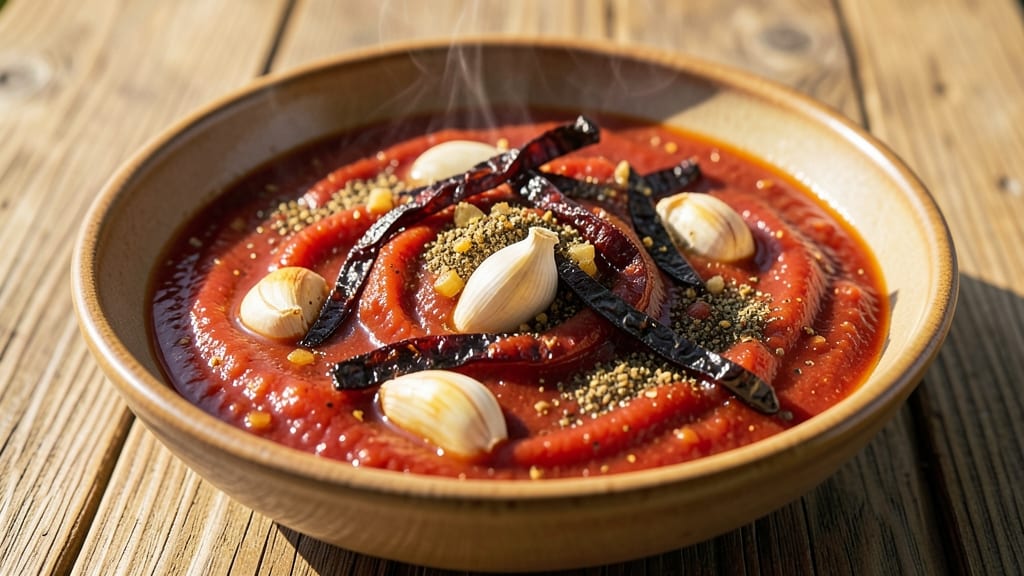
This Amy’s organic enchilada sauce recipe delivers restaurant-quality smoky depth with ingredients you can trust—no artificial additives in sight. The secret lies in blending smoked chipotle peppers with fresh tomatoes, garlic, and a blend of earthy spices that build layers of flavor without overpowering.
I developed this version after years of testing store-bought sauces that fell short of the rich, complex taste I craved for my homemade enchiladas.
The sauce starts with a simple base of canned tomatoes and onion, then transforms through slow simmering with chipotle, cumin, and oregano—key spices that define authentic Mexican flavor. What sets this apart is the balanced heat: enough smokiness to satisfy cravings, but never overwhelming.
The texture is velvety yet still holds enough body to cling beautifully to tortillas or proteins.
Once you taste this sauce, you'll never go back to store-bought versions—it's fresh, organic, and packed with flavor that develops even better after refrigeration. The recipe scales perfectly for meal prep, and you can easily adapt it to red or green variations by adjusting the pepper base.
Store it in the fridge for up to 5 days or freeze for 3 months to have enchilada night ready whenever inspiration strikes.
Perfect for authentic Mexican dishes or as a bold marinade, this sauce proves homemade can truly outshine the commercial versions. The ingredients are straightforward, but the result is anything but basic—deep, smoky, and full of character. Let's get started on creating your own batch that'll elevate every dish it touches.
Ingredients for amy's organic enchilada sauce
Organic tomatoes, smoky chipotle, and earthy spices transform into velvety enchilada sauce with no artificial additives.
| Ingredient | Amount | Notes |
|---|---|---|
| Organic Canned Tomatoes 🍅 | 2 cups | San Marzano preferred for sweetness |
| Yellow Onion 🧅 | 1 whole | Medium size, diced finely |
| Smoked Chipotle Peppers in Adobo 🌶️ | 2 whole | Adjusted for balanced heat |
| Ground Cumin 🌿 | 1 tbsp | Toasted for deeper aroma |
| Dried Oregano 🍃 | 1 tbsp | Mexican oregano preferred |
| Garlic Cloves 🧄 | 3 cloves | Peeled, minced for even distribution |
| Extra-Virgin Olive Oil 🫒 | ¼ cup | For richness and balance |
| Fresh Lime Juice 🍋 | 1 tbsp | Brightens the sauce |
| Organic Chicken Broth 💧 | ½ cup | Low-sodium preferred |
| Sea Salt 🧂 | 1 tsp | Diamond Crystal preferred |
The chipotle peppers are the heart of this sauce—look for brands like Goya or La Costeña for authentic smokiness. Organic canned tomatoes from brands like Muir Glen or Rao’s deliver the sweetness you can’t get from regular canned tomatoes. The onion should be yellow, not red or white, for that deep, caramelized flavor when cooked. If you can’t find Mexican oregano, regular dried oregano works at double the amount. The garlic cloves should be fresh and plump—none of that shriveled stuff.
No smoked chipotle? Substitute with 1 teaspoon chipotle powder plus 1 teaspoon smoked paprika for a similar depth. Fresh lime juice is ideal, but bottled lime juice works in a pinch—just add a pinch of sugar to balance the acidity. The chicken broth can be swapped for vegetable broth for a vegetarian version, though the flavor will be slightly lighter. If you’re making a green enchilada sauce, swap the chipotle for tomatillos and add avocado. The olive oil matters here—use a fruity, extra-virgin variety that you’d drizzle on bread, not the cheap stuff.
This sauce tastes even better the next day as the flavors meld. Store it in an airtight container in the fridge for up to 5 days or freeze for 3 months. I like to portion it into ice cube trays for easy single-use servings—just pop one cube into your dish and warm it up. The sauce thickens as it cools, so add a splash of broth or water if it seems too thick when reheating. Leftovers freeze beautifully and make enchilada night a breeze.
Why You'll Love This Recipe
- Foolproof Pantry Magic: I swear by this—no fancy shopping, just open a can of tomatoes, chop one onion, and boom. That chipotle in adobo? A single teaspoon turns this into something smoky and complex without the hassle of fresh peppers.
- Smoky Depth in Minutes: Between us, that smoked chipotle and cumin combo is ridiculously good—warm, earthy, with just enough kick to linger. Honestly, I’ve tried store-bought sauces that can’t compete with this depth in half the time.
- Meal Prep MVP: This sauce doubles (or triples) effortlessly, and it tastes better the next day—yes, even on Tuesday night. Freeze leftovers in portions for quick tacos, burrito bowls, or dumping over grilled fish. My go-to for lazy Sundays.
- Budget-Friendly Flex: Organic canned tomatoes and dried spices? Affordable, shelf-stable, and no waste. I’ve made this for game nights, potlucks, and even a last-minute dinner when my grocery run was a disaster. Reliable, always.
Step-by-step instructions for Amy's organic enchilada sauce
Here's how to build rich, smoky flavor from scratch using only organic ingredients.
Sauté the Aromatics Until Fragrant
Heat the 0.25 cup extra-virgin olive oil in a medium saucepan over medium heat. Add the 1 whole yellow onion that's been finely diced and cook for 5-6 minutes until it becomes translucent and just starts to caramelize at the edges. This is where the sauce builds its foundational flavor.
Next, add the 3 minced garlic cloves and cook for another 30 seconds until the raw garlic aroma disappears and you smell that sweet, toasty garlic scent. Be careful not to let it brown—burnt garlic turns bitter. I like to stir constantly during this step to ensure even cooking of both onion and garlic.
Toast the Spices for Depth of Flavor
Add the 1 tablespoon ground cumin and 1 tablespoon dried oregano to the pan, stirring immediately to coat the spices with the aromatic oils. Toast them for 1 minute until you can smell their warm, earthy aromas wafting through your kitchen. This brief toasting enhances their flavor significantly compared to just adding them raw.
Here's the thing—if you skip this toasting step, your sauce will still work, but it won't have that same layered complexity. The spices need this quick dry toast to release their essential oils. After toasting, you'll notice the spices darken slightly and the kitchen smells like a Mexican street market.
Build the Sauce Base with Tomatoes and Broth
Pour in the 2 cups organic canned tomatoes and 0.5 cup organic chicken broth, stirring to combine everything. Bring the mixture to a gentle simmer over medium heat. Once simmering, reduce the heat to low and let it cook uncovered for 15 minutes to allow the flavors to meld and the sauce to thicken slightly.
While it simmers, you'll notice the sauce reduce slightly and develop a deeper color. This is where the magic happens—the tomatoes break down, releasing their natural sweetness while the spices infuse throughout. I like to stir occasionally to prevent any sticking, but don't over-stir as that can make the sauce too smooth.
Incorporate the Smoky Chipotle Heat
Carefully remove the 2 whole smoked chipotle peppers in adobo from their adobo sauce and add them to the simmering sauce. You can either leave them whole or finely chop them first—I prefer leaving them whole so they can infuse their smoky flavor without overpowering the sauce. Simmer for another 10 minutes to allow the chipotles to release their deep, smoky essence.
This is where the sauce gets its signature smoky depth. The chipotles in adobo sauce already have some sweetness, which balances their heat perfectly. If you're concerned about heat level, you can remove the chipotles after 5 minutes and let the sauce continue simmering for another 5 minutes without them.
Finish with Lime and Season to Perfection
Remove the sauce from heat and stir in the 1 tablespoon fresh lime juice and 1 teaspoon sea salt. The lime juice brightens the sauce and cuts through the richness of the tomatoes and olive oil, while the salt enhances all the flavors. Taste the sauce and adjust the seasoning if needed—you might want to add a bit more salt or a splash more lime juice depending on your preference.
For the best texture, let the sauce sit off heat for 10 minutes before using it. This resting period allows all the flavors to fully meld together. The sauce should be thick enough to coat the back of a spoon but still have a nice, smooth consistency. If it's too thick, you can thin it with a little more chicken broth or water.
Pro Tips For Making Amy'S Organic Enchilada Sauce
- Sear the Onion First: I learned this the hard way—skipping the sear means your sauce will taste raw and one-note. Slice the onion thin, then cook it in a dry pan over medium-high heat for 5-6 minutes until the edges turn golden. The caramelized flavor is the foundation of depth in this sauce, and it only takes a few extra minutes.
- Blend Chipotle Seeds Too: Don’t just chop the chipotle peppers—blend the seeds into the sauce. That’s where the real heat and complexity live. My grandmother swore by this, and she was right: the sauce becomes smoky and layered instead of just spicy. Just a quick 10-second pulse in a blender does the trick.
- Simmer Long Enough: This isn’t a rushed sauce. Let it simmer uncovered for at least 20 minutes—30 if you can spare the time. The liquid will reduce, the flavors will meld, and the cumin won’t taste like it was thrown in at the last second. Skimp here, and you’ll regret it later.
- Toast the Cumin Dry: Sounds weird, but it works: dry-toast the ground cumin in the same pan you seared the onion, for 30 seconds until it smells nutty and warm. This makes a real difference in the earthy depth of the sauce. Just don’t walk away—it burns faster than you think.
Make-ahead tips for this dish
Freezer Prep Essentials
Portion your sauce into quart-sized freezer bags or silicone ice cube trays for easy single-use servings. I like to use quart bags because they stack neatly in the freezer and thaw quickly. Leave ½ inch headspace to prevent expansion cracks, then seal tightly to avoid freezer burn.
Label each bag with the date and sauce type—trust me, you'll forget what's in there after a few months! 🧊
Thawing Like a Pro
For frozen sauce, transfer a bag to the fridge overnight for a slow thaw that preserves texture. If you're in a hurry, place the sealed bag in a bowl of warm water for 20-30 minutes, changing the water every 5 minutes to maintain even temperature.
Never microwave frozen sauce directly—it creates hot spots that ruin the consistency. Stir well after thawing to redistribute any settled spices.
Fridge Storage Secrets
Store your sauce in glass airtight containers for up to 5 days—I prefer Pyrex with snap-on lids because they're dishwasher-safe and don't absorb odors. The sauce actually improves overnight as the flavors meld, so make a double batch and save half for later.
Keep it in the coldest part of your fridge (usually the back of the bottom shelf) to maintain freshness longer. 🥫
Sauce Thickness Hacks
If your sauce thickens too much after refrigeration, simply add 1-2 tablespoons of warm water or broth and stir until smooth. For extra richness, whisk in 1 teaspoon of olive oil before reheating.
I've found that sauces made with San Marzano tomatoes thicken more naturally than regular canned tomatoes, so adjust accordingly. The goal is a spoon-coating consistency that clings beautifully to your dish.
Batch Cooking Strategy
Double or triple the recipe when you make it—enchilada sauce freezes perfectly and saves you from last-minute prep. I like to make 4 cups at a time because it's enough for two enchilada dinners or four burrito batches.
Store extra portions in small glass jars (like Ball mason jars) for easy grab-and-go reheating. The sauce keeps its quality for 3 months frozen, though I rarely have it that long!
Reheating for Maximum Flavor
For best results, reheat sauce in a small saucepan over medium-low heat until just simmering—about 5-7 minutes. Avoid boiling, which can break down the tomatoes and make the sauce watery. If using frozen sauce, let it thaw in the fridge first, then warm gently.
Stir frequently to prevent scorching, and add a splash of chicken broth if needed to restore the perfect consistency. 🔥
Nutrition facts
Frequently asked questions
Can I make this sauce without smoked chipotle peppers?
The smoky depth is what makes this sauce special, but you can substitute! Use 1 teaspoon chipotle powder plus 1 teaspoon smoked paprika for a similar flavor profile. For a milder version, try ½ teaspoon cayenne pepper plus 1 teaspoon liquid smoke—just adjust to taste. The sauce will still be delicious, though the authentic smokiness will be different.
How can I turn this into a green enchilada sauce?
Swap the tomatoes for 4 cups chopped tomatillos (about 6 medium) and add 1 chopped avocado to the simmering mixture. Remove the chipotle peppers and replace them with 1 teaspoon ground cumin and 1 teaspoon dried cilantro for that classic green sauce flavor. The texture will be slightly thinner, so reduce it longer if needed.
Why does my sauce taste too acidic after refrigeration?
The lime juice and tomatoes can make the sauce taste sharper when cold. Warm it gently over low heat for 5 minutes to mellow the acidity. If needed, stir in ½ teaspoon sugar or a pinch of salt to balance the flavors. This happens because cold temperatures enhance acidity—always taste before using!
Can I use this sauce as a marinade for meats?
This sauce makes an excellent marinade for chicken, pork, or even shrimp. Use 1 cup of sauce per pound of meat and marinate for 2-4 hours in the fridge. The smoky, spicy flavors will penetrate beautifully. Just be sure to pat the meat dry before cooking to get the best sear.
What's the best way to reheat leftover sauce?
Reheat gently in a saucepan over medium-low heat until just simmering (5-7 minutes). Avoid boiling, which can make the sauce watery. If it thickens too much, stir in 1-2 tablespoons of warm water or broth. For frozen sauce, thaw in the fridge overnight first—never microwave directly from frozen.